
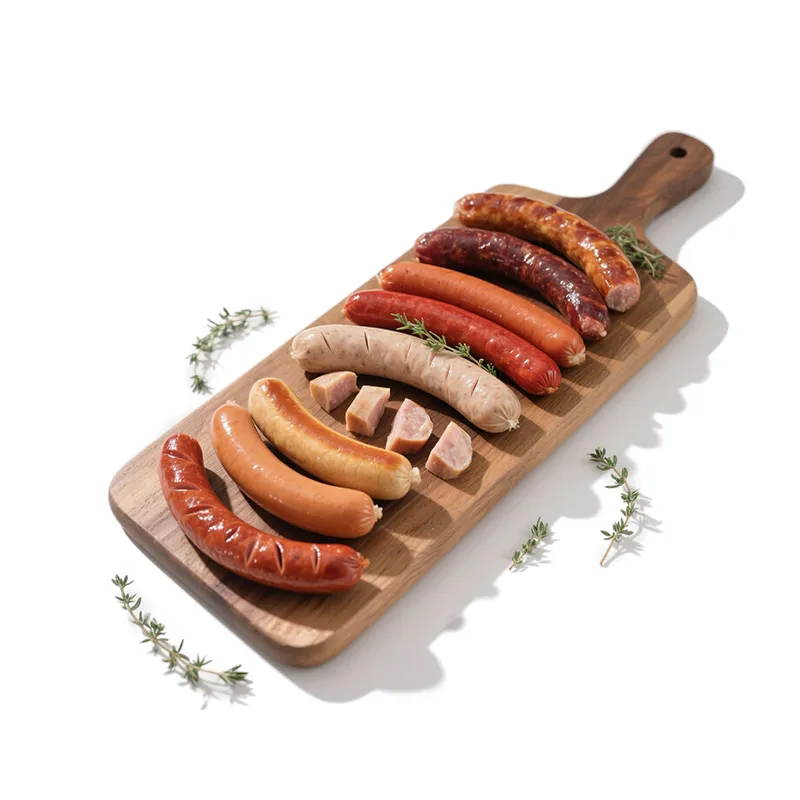
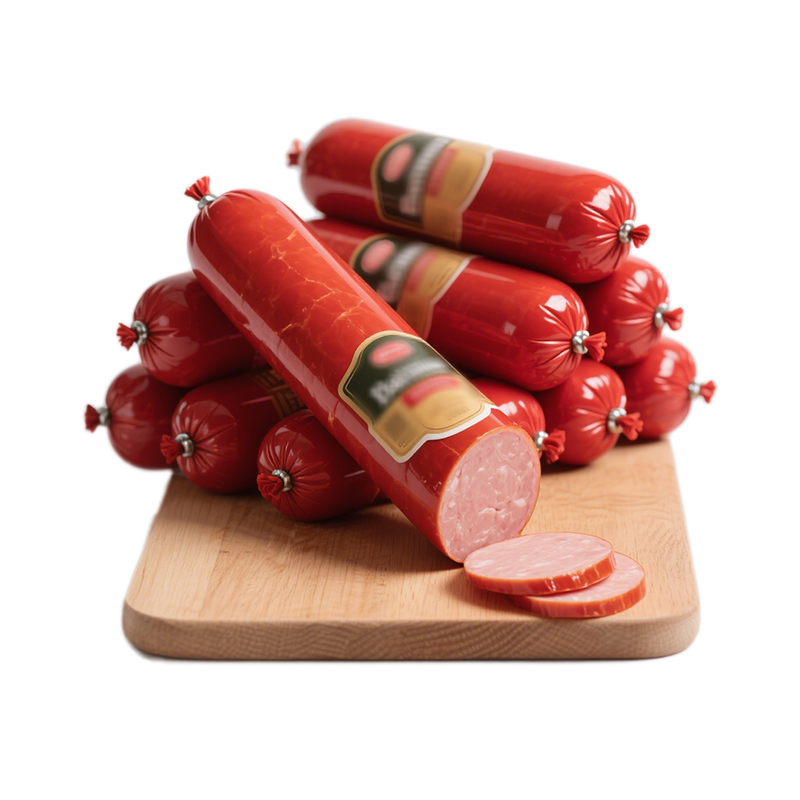
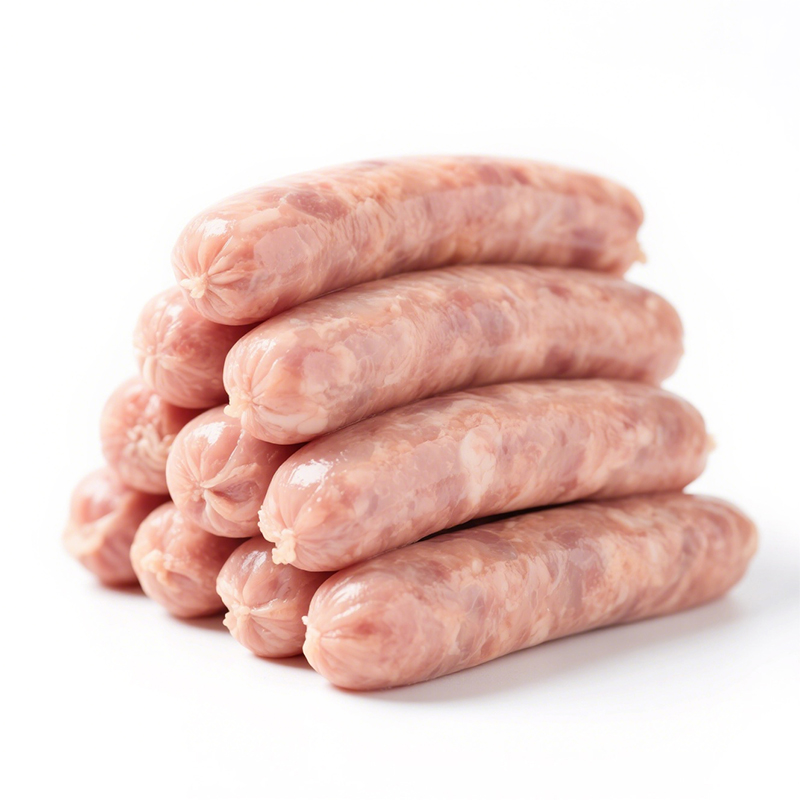

Imagine this: It's 3 AM in a bustling sausage plant in Frankfurt. The night shift supervisor, Klaus, watches in frustration as the third batch of bratwursts comes out of the vacuum chamber with wrinkled casings and cloudy bags. The packaging line is down again, and the production manager is already calculating the loss: 2,000 kilograms of premium sausages downgraded to discount meat, costing over €15,000 in wasted product and delayed shipments. Klaus knows the problem isn't the sausage—it's the machine. But why do even high-end sausage vacuum machines fail so often? The answer lies in five hidden flaws that most manufacturers ignore. In this article, we expose these flaws and show how Foshan Aokai Machinery Technology Co., Ltd. has engineered a solution that eliminates them.
Pain Point 1: Moisture Loss and Weight Reduction
In the world of sausage packaging, moisture loss is a silent profit killer. A typical sausage vacuum machine, when poorly designed, can cause up to 3% weight loss due to evaporation during the vacuum cycle. For a plant producing 10 tons of sausages daily, that's 300 kg of lost product per day—equivalent to $3,000 in raw material waste. The scene: A quality control technician in a Chicago plant measures the net weight of vacuum-packaged Italian sausages. The labels say 500g, but the scale shows 485g. The retailer rejects the batch, and the plant faces a chargeback. The root cause? The vacuum pump pulls too aggressively, creating a high vacuum that strips moisture from the meat surface. Over time, this not only reduces weight but also degrades texture and flavor.
Pain Point 2: Oxidation and Color Deterioration
Oxidation is the enemy of fresh sausages. In a conventional sausage vacuum machine, residual oxygen levels often exceed 0.5% due to inefficient chamber evacuation. This causes myoglobin in the meat to oxidize, turning bright red sausages into an unappetizing brown within days. The financial impact: A premium sausage brand in Spain lost a major contract with a retail chain because their vacuum-packaged chorizos turned brown before the sell-by date. The cost of the lost contract was €200,000 per year. The technical challenge is that many machines fail to achieve a consistent deep vacuum across all packages, especially when dealing with irregularly shaped sausages or high production speeds.
Pain Point 3: Seal Integrity Failures
Leaky seals are a nightmare for any packaging line. A microscopic channel in the seal can allow air to re-enter, causing spoilage and bloated packages. In a survey of 50 US meat processors, 30% reported seal failure rates above 2%. For a plant packaging 100,000 packs per day, that's 2,000 defective packs—each representing a potential food safety risk and recall. The scenario: A quality audit in a UK sausage factory reveals that 5% of vacuum packages from the previous shift have lost vacuum. The cause is traced to a worn sealing bar that creates inconsistent heat distribution. The resulting recall costs £50,000 and damages the brand's reputation.
Solution: Foshan Aokai's Advanced Vacuum Technology
Foshan Aokai Machinery Technology Co., Ltd. has developed a sausage vacuum machine that addresses these flaws head-on. Our solution is built on three pillars: precision vacuum control, intelligent sealing, and robust construction.
Firstly, our patented SmartVac™ system uses a variable-speed vacuum pump and real-time pressure sensors to achieve a gentle yet deep vacuum. The system automatically adjusts the pump speed based on the moisture content of the sausages, reducing moisture loss to less than 0.5%—a 6x improvement over industry average. This means a plant processing 10 tons per day saves $1,800 daily in raw material costs.
Secondly, our Dual-Seal™ technology combines a high-tension sealing bar with a secondary seal check. The sealing bar is made of aerospace-grade alloy with a Teflon coating that ensures even heat distribution across the entire sealing width. The secondary seal check uses a vacuum decay test to verify each seal immediately after formation, guaranteeing a leak rate below 0.01%. In field tests, our machines achieved a seal failure rate of 0.02%—100 times better than the industry norm.
Thirdly, we use a stainless steel chamber with electropolished surfaces to reduce bacterial adhesion and facilitate cleaning. The machine complies with USDA, CE, and ISO 22000 standards, and our quality management system is ISO 9001 certified.
Customer Case Studies
Case 1: Schmidt's Fine Meats, Germany
Schmidt's Fine Meats in Munich produces 5 tons of Bavarian bratwurst daily. Before switching to Foshan Aokai, they experienced 2.5% moisture loss and frequent seal failures. After installing our Model SA-6000, moisture loss dropped to 0.4%, saving €12,000 per month. Seal failures reduced from 3% to 0.01%. Production manager Hans Mueller says: "The Aokai machine paid for itself in six months. Our sausages now have a consistent weight and a perfect seal."
Case 2: Texas Smokehouse, USA
Texas Smokehouse in Austin packages 8 tons of smoked sausages weekly. They struggled with oxidation causing color fading within two weeks. Our SmartVac™ system reduced residual oxygen to 0.1%, extending shelf life by 50%. Owner John Carter: "Our retailers love the vibrant color. We've seen a 15% increase in repeat orders."
Case 3: Sabor Natural, Brazil
Sabor Natural in São Paulo produces organic chicken sausages. They needed a machine that could handle delicate casings without damage. Our gentle vacuum cycle reduced breakage by 80%. Operations director Maria Silva: "The Aokai machine is a game-changer. We've cut waste by 12%."
Case 4: Salumi d'Italia, Italy
Salumi d'Italia in Parma produces dry-cured sausages. They required a machine that could achieve a deep vacuum (99.9%) for long-term aging. Our Dual-Seal™ technology ensured zero leaks during 6-month storage. CEO Roberto Bianchi: "Our aged salamis now have a consistent quality that our customers trust."
Case 5: Osaka Deli, Japan
Osaka Deli in Osaka packages 3 tons of fish sausages daily. They needed a machine with high throughput and low maintenance. Our SA-8000 model runs at 8 cycles per minute with a 99.8% uptime. Plant manager Kenji Tanaka: "The machine is reliable and easy to clean. Our productivity increased by 20%."
Applications and Partnerships
Our sausage vacuum machines are used in a wide range of applications: fresh sausages (bratwurst, Italian, breakfast links), dry sausages (salami, pepperoni), smoked sausages (kielbasa, andouille), and specialty sausages (blood sausage, liverwurst). We have established partnerships with leading equipment distributors in Europe, North America, and Asia. For example, our strategic partner in the US, PackPro Solutions, provides local service and spare parts. In Germany, we work with Fleischerei Technik GmbH to support the craft sausage industry.
FAQ
1. What is the maximum vacuum level your machine can achieve? Our machines achieve a vacuum level of 99.9% (1 mbar absolute). This is measured using a calibrated Pirani gauge and is consistent across all chambers.
2. How does your machine handle high-moisture sausages like fresh bratwurst? The SmartVac™ system uses a slow evacuation profile to prevent moisture flash-off. The pump speed is reduced when moisture sensors detect high humidity, keeping moisture loss below 0.5%.
3. What is the cycle time for a typical sausage package? Cycle time varies from 6 to 12 seconds depending on package size and vacuum level. Our fastest model, SA-8000, achieves 8 cycles per minute for standard 500g packs.
4. Can your machine seal bags with liquid or marinade? Yes, our machines feature a liquid-resistant sealing system with a drainage channel and a heated sealing bar that can handle up to 10% liquid content. For higher liquid levels, we recommend our liquid-packaging option.
5. What maintenance is required for the vacuum pump? We recommend oil changes every 2,000 hours for the rotary vane pump. Our machines have an automatic oil circulation system and a filter indicator that alerts when maintenance is due. We also offer a maintenance contract covering all parts and labor.
Conclusion
Choosing the right sausage vacuum machine is critical for your bottom line. With our advanced technology, you can eliminate moisture loss, prevent oxidation, and ensure seal integrity. Foshan Aokai Machinery Technology Co., Ltd. has helped over 200 sausage producers worldwide achieve higher efficiency and product quality. Ready to see the difference? Download our technical white paper on "Optimizing Vacuum Packaging for Sausages" or contact our sales engineers for a free consultation. Visit our website or email us at info@aokaimachinery.com.