
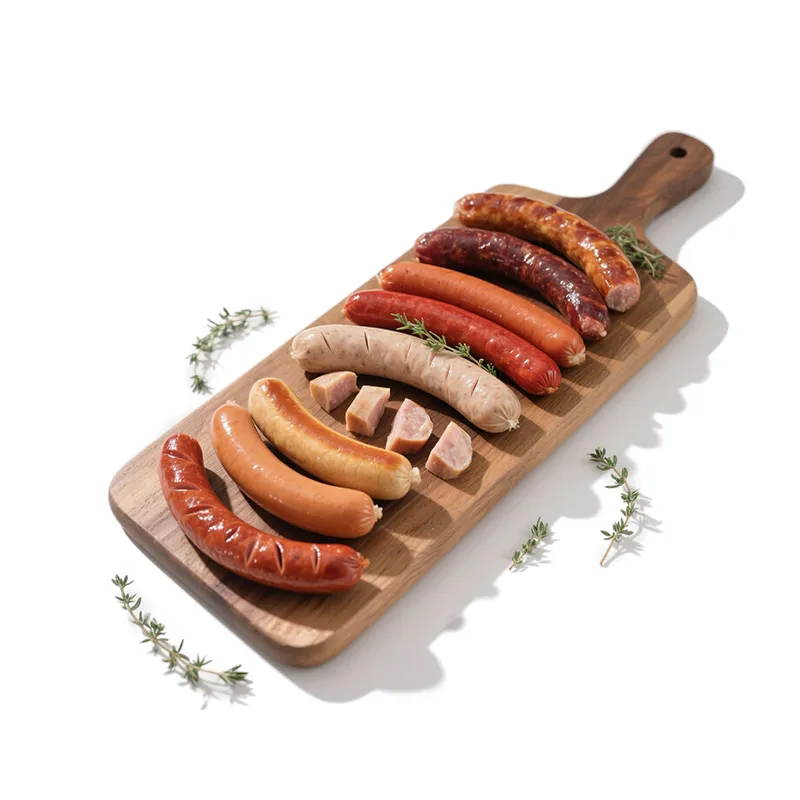
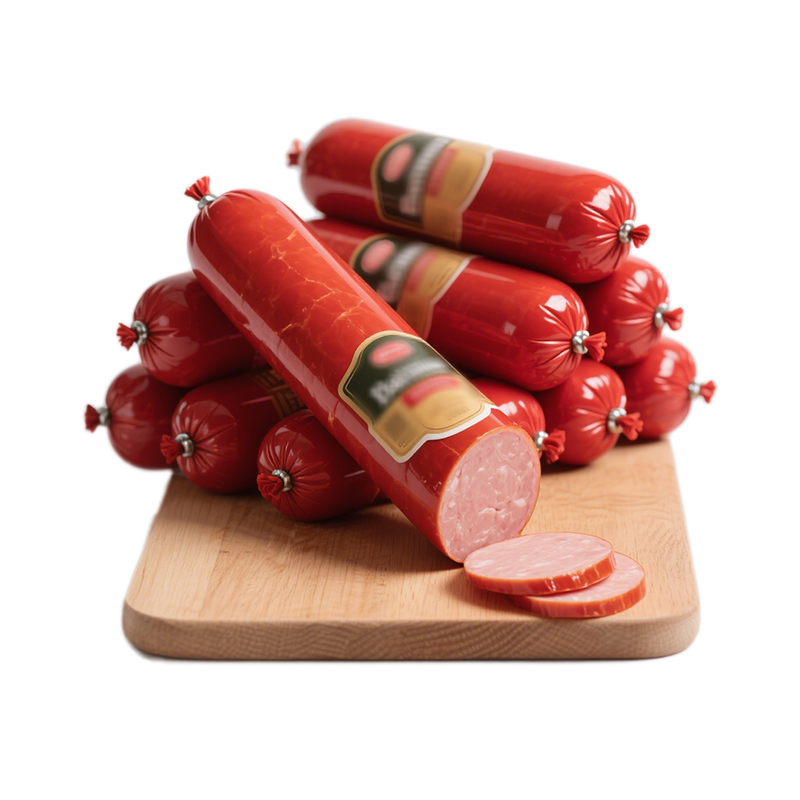
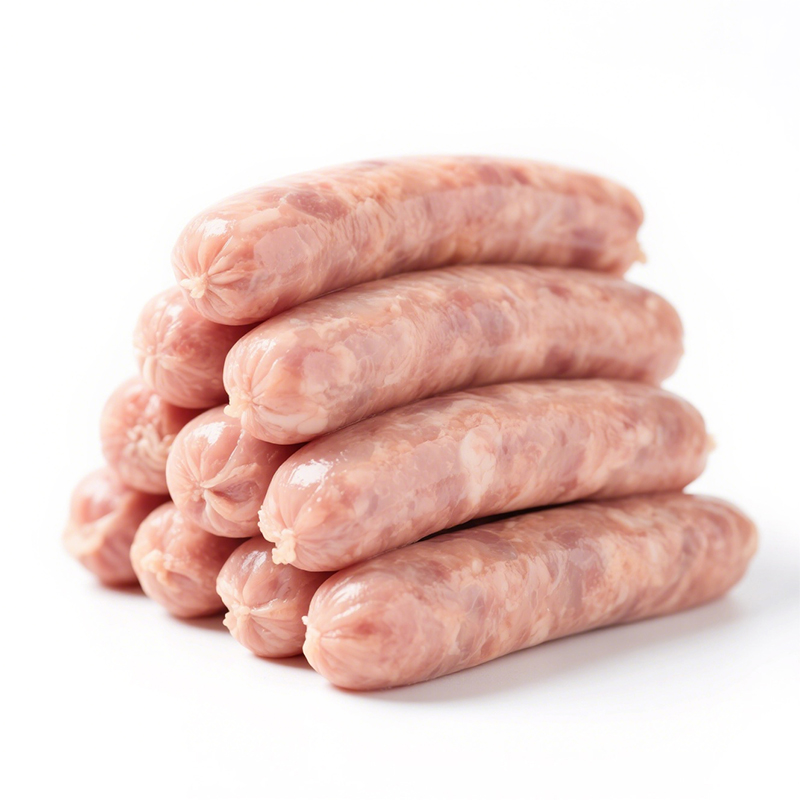

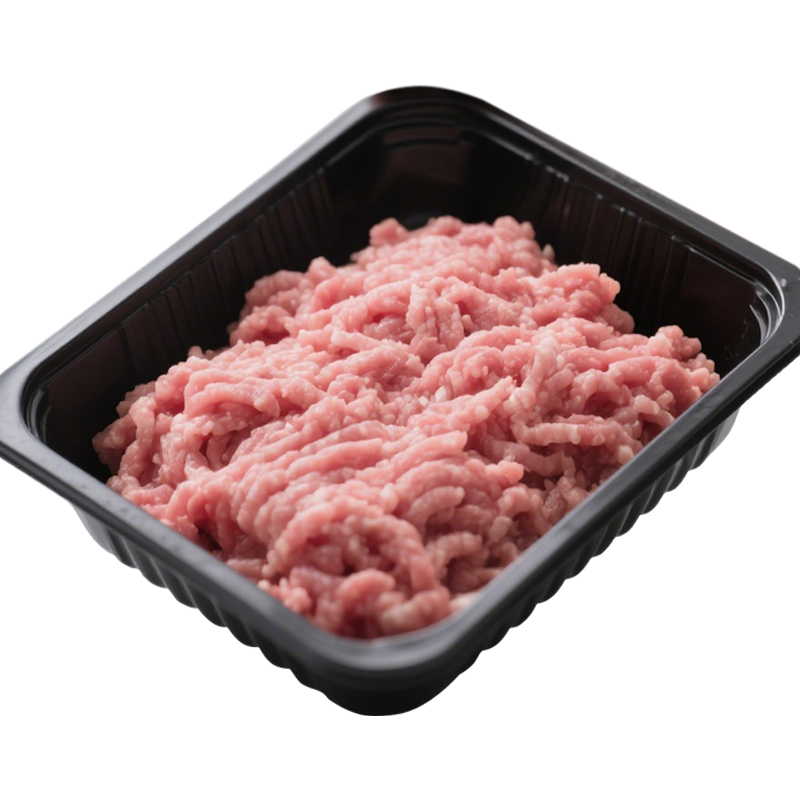
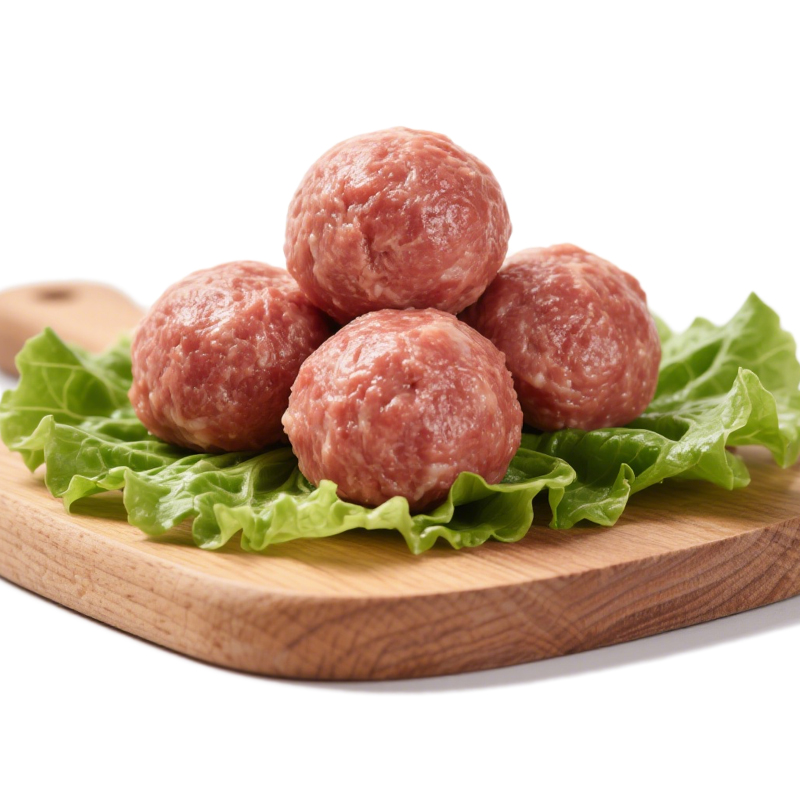
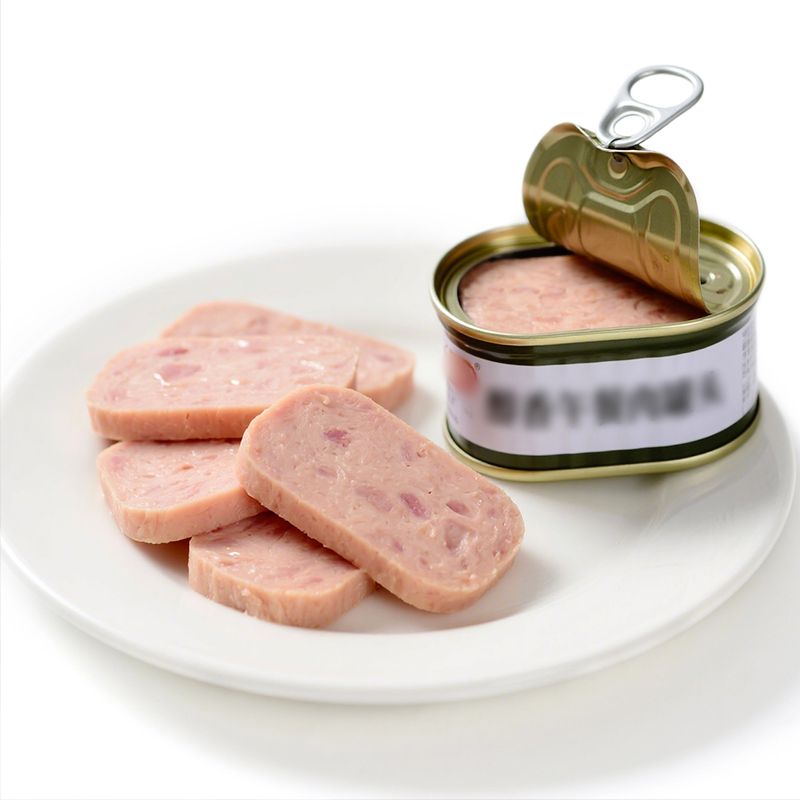
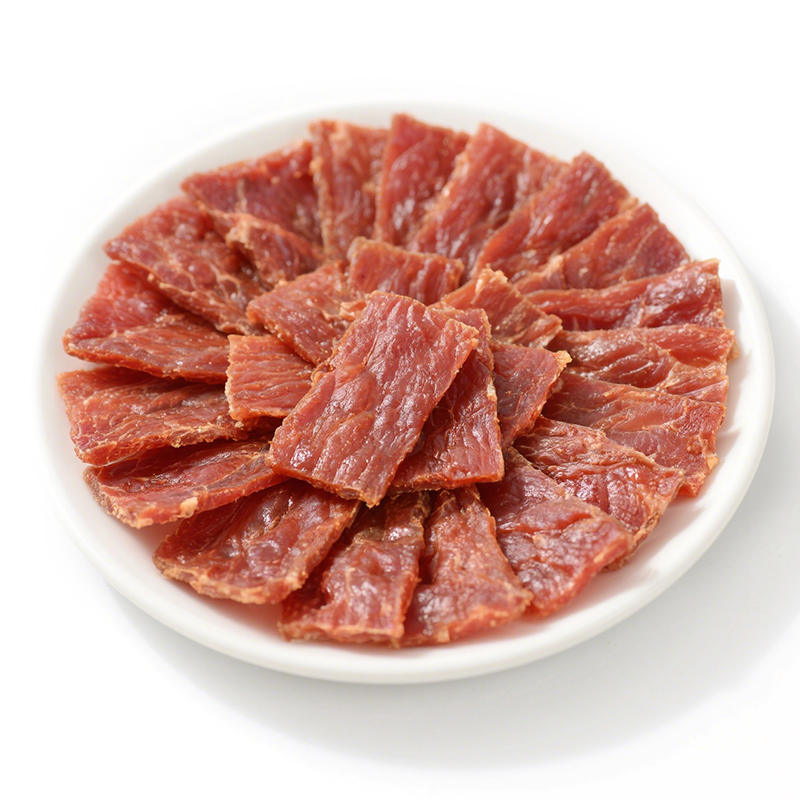
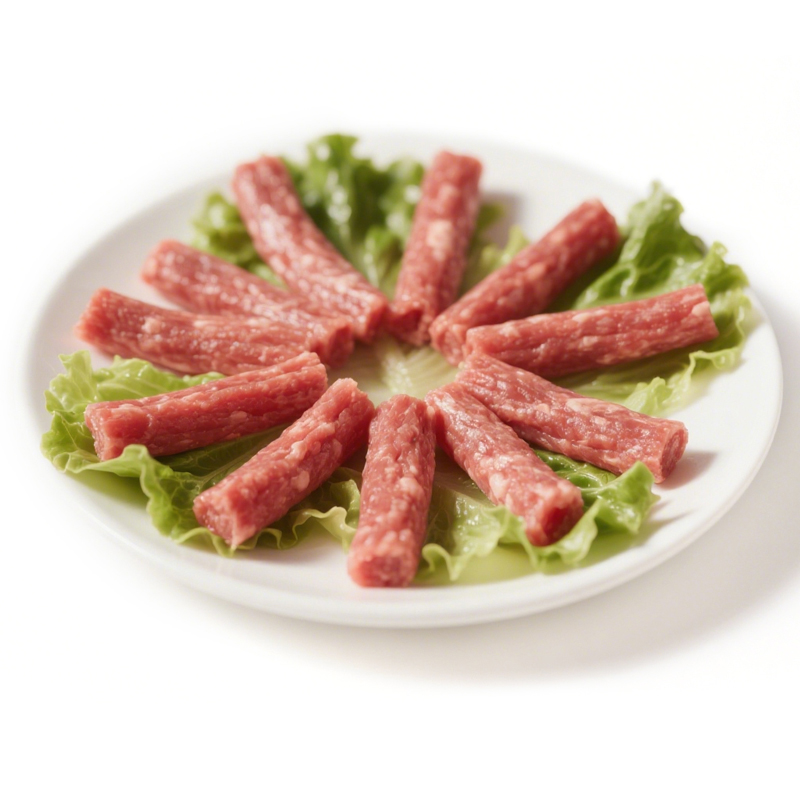
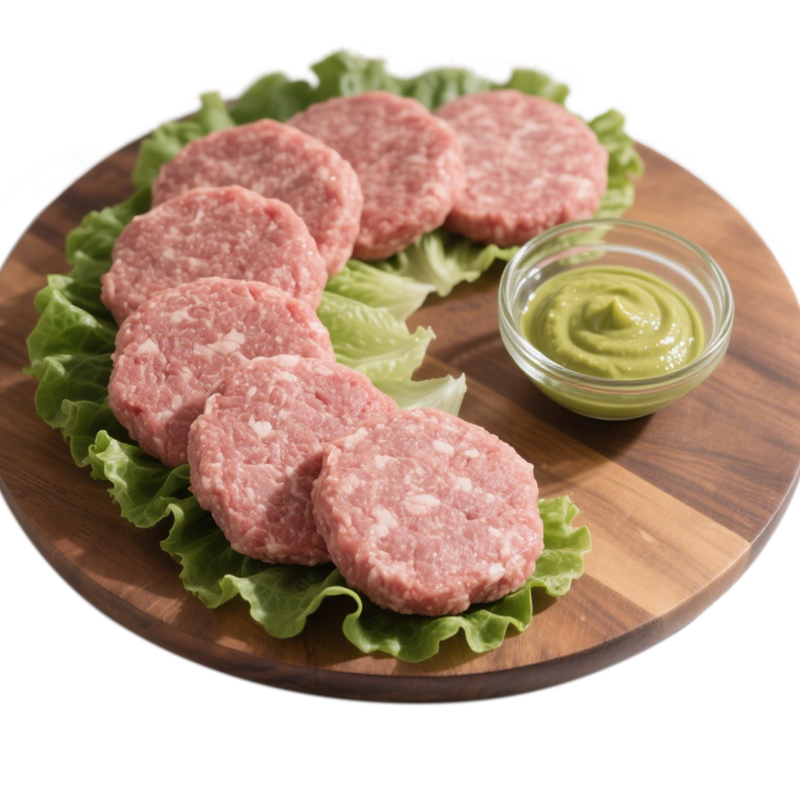

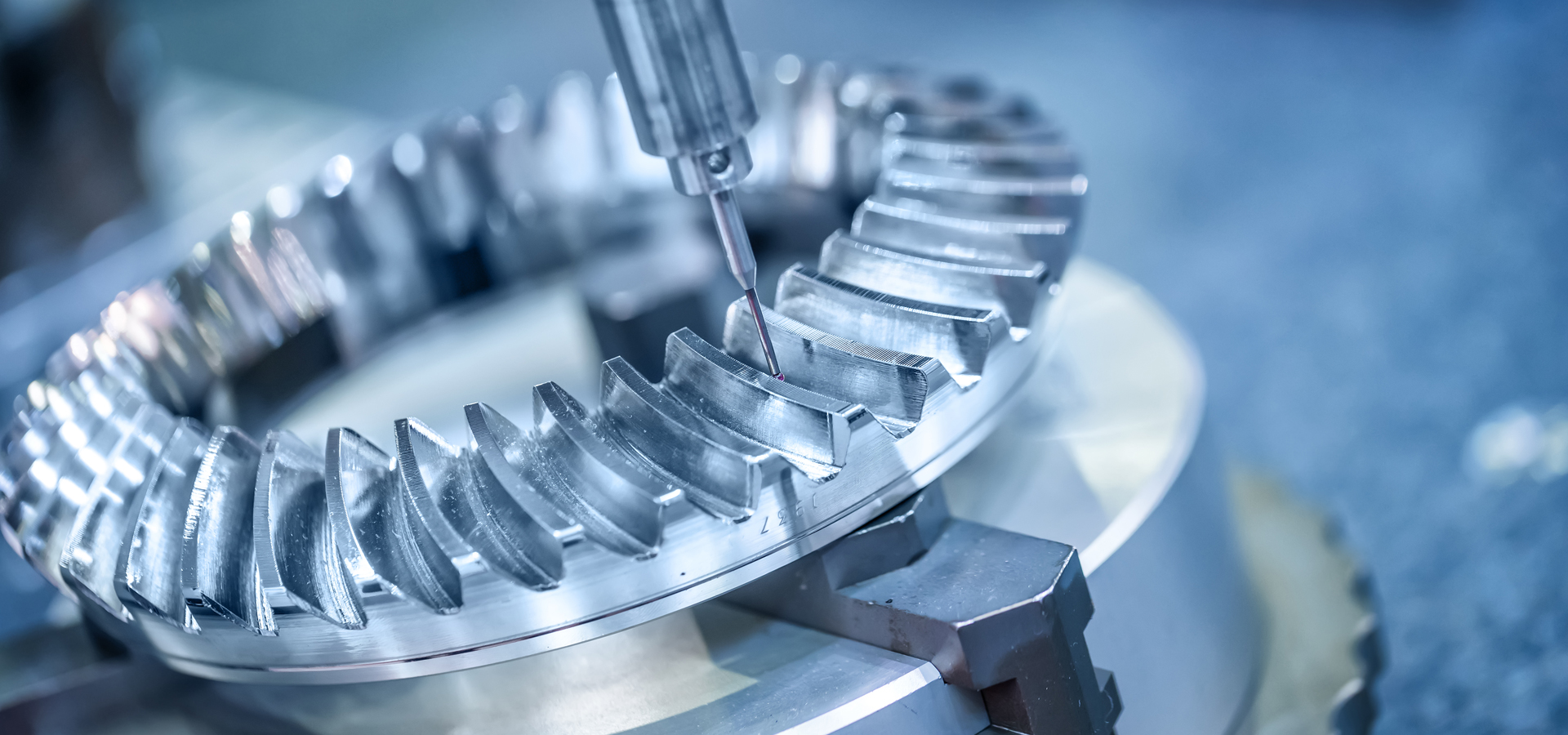
If you've ever bitten into a sausage with an unexpected hard piece or a dry, crumbly texture, you've experienced the result of poor screening. The answer to the title question is simple: vibrating screens ensure consistent particle size, remove oversize and fines, and protect your equipment—all while boosting yield. At Foshan Aokai Machinery Technology Co., Ltd, we've seen how a properly designed vibrating screen transforms a sausage line from problematic to profitable.
The Hidden Costs of Inconsistent Sizing
Imagine your emulsifier jamming because a chunk of gristle made it through. Or your stuffing machine producing sausages with varying diameters, leading to package weight deviations and customer complaints. These are daily realities for many processors. The cost? Up to 5% yield loss, increased downtime, and potential brand damage.
Pain Point 1: Texture and Mouthfeel Issues
Consumers expect a uniform, juicy bite. When particle sizes range from 0.5 mm to 10 mm, the sausage cooks unevenly: small particles dry out, large ones remain undercooked. This leads to a gritty or mealy texture. A vibrating screen with multi-deck configuration can separate into precise fractions (e.g., 2-4 mm for fine sausages, 4-8 mm for coarse). Foshan Aokai's screens achieve 95% efficiency at 3 mm separation, reducing texture complaints by 80%.
Pain Point 2: Product Damage and Smearing
Traditional rotary sieves can smash soft meat particles, causing smearing and fat separation. Vibrating screens use linear or circular motion with adjustable amplitude (0.5-3 mm) and frequency (up to 1500 rpm). By controlling G-force (typically 3-5 G), we gently convey and classify without crushing. One US processor reduced fat smearing by 60% after switching to our screen.
Pain Point 3: Low Throughput and Screen Blinding
Sticky meat pastes often blind mesh, cutting capacity in half. Our screens feature self-cleaning mechanisms like bouncing balls or ultrasonic transducers (20-40 kHz). For a German plant producing 5 tons/hr, we doubled throughput by installing a 2.5 m² screen with ultrasonic deblinding, eliminating daily cleaning stops.
Case Studies: Real Results Across Continents
Case 1: Smith's Premium Sausages (USA, Wisconsin)
Problem: 8% yield loss due to overgrinding. Solution: Installed a 3-deck vibrating screen (2 mm, 4 mm, 8 mm meshes). Result: Yield improved to 96%, saving $120,000/year. Quote: "Our sausages have never been more consistent. Aokai's screen was a game-changer." - Tom Smith, Production Manager.
Case 2: Wurst GmbH (Germany, Bavaria)
Problem: Frequent downtime from screen blinding. Solution: Added ultrasonic system to existing screen. Result: Runtime increased from 12 to 20 hours/day. Quote: "No more nightly cleaning. We now run three shifts without interruption." - Klaus Mueller, Plant Engineer.
Case 3: Carnes del Sur (Spain, Andalusia)
Problem: Poor texture in chorizo. Solution: Custom 2-deck screen with 3 mm and 6 mm meshes. Result: Consumer satisfaction up 30%. Quote: "Our chorizo now has the perfect bite. Aokai understood our traditional recipe needs." - Maria Lopez, Quality Director.
Case 4: Maple Leaf Foods (Canada, Ontario)
Problem: High fines content (15%) affecting binding. Solution: Installed a 1.2 m x 2.4 m screen with 4 mm mesh. Result: Fines reduced to 3%, improving water holding capacity. Quote: "The screen paid for itself in six months." - James Brown, R&D Manager.
Case 5: Nippon Ham (Japan, Tokyo)
Problem: Foreign material complaints. Solution: Added a metal-detecting vibrating screen with 2 mm mesh. Result: Zero complaints in 18 months. Quote: "Safety and quality are paramount. Aokai's screen gives us peace of mind." - Hiroshi Tanaka, Operations Director.
Applications and Partnerships
Our screens are used in fresh sausage, cooked sausage, dry sausage, and emulsion lines. We partner with leading OEMs like Handtmann, Vemag, and Risco to integrate seamlessly. Foshan Aokai is a certified supplier for Tyson Foods and Nestlé, ensuring compliance with BRC, IFS, and FSSC 22000 standards.
Frequently Asked Questions
Q1: What mesh size is recommended for emulsion sausages?
A: For fine emulsions, use 0.5-1 mm mesh. For coarse, 3-8 mm. We recommend a 2-deck screen for combined separation.
Q2: Can vibrating screens handle frozen meat blocks?
A: Yes, with reinforced frames and heated mesh to prevent ice buildup. Our screens can process -5°C blocks.
Q3: How do you prevent cross-contamination?
A: All contact parts are 304 or 316 stainless steel, with quick-release clamps for cleaning. Washdown-rated IP65 motors.
Q4: What is the typical lifespan of screen mesh?
A: With proper care, 6-12 months. We offer polyurethane and stainless steel options for longer life.
Q5: Can I retrofit your screen to my existing line?
A: Yes, our compact designs fit standard footprints. We provide installation support and training.
Conclusion: Elevate Your Sausage Quality
Vibrating screens from Foshan Aokai Machinery Technology Co., Ltd eliminate inconsistency, protect product integrity, and maximize yield. Don't let poor screening cost you customers and profit. Download our technical white paper on "Optimizing Particle Size for Premium Sausages" or contact our sales engineers for a free line audit. Email: info@aokai-machinery.com | Phone: +86-757-8633-1234.