
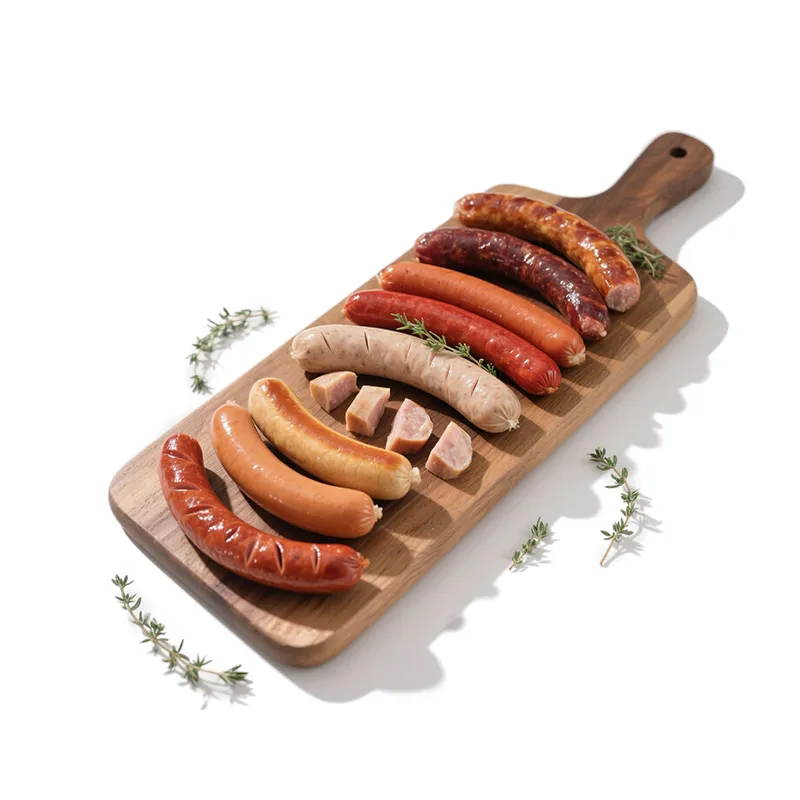
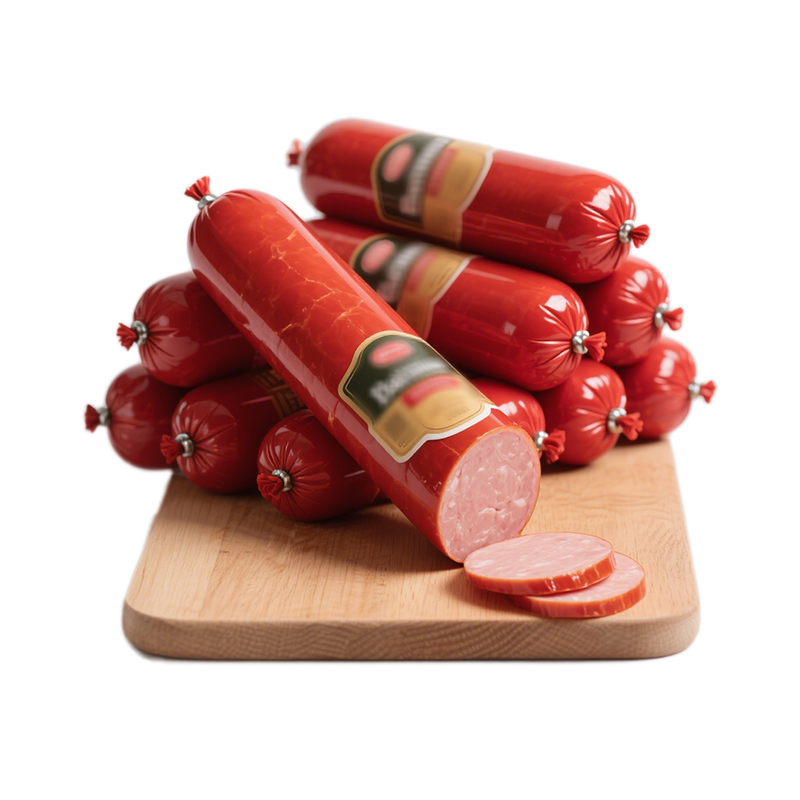
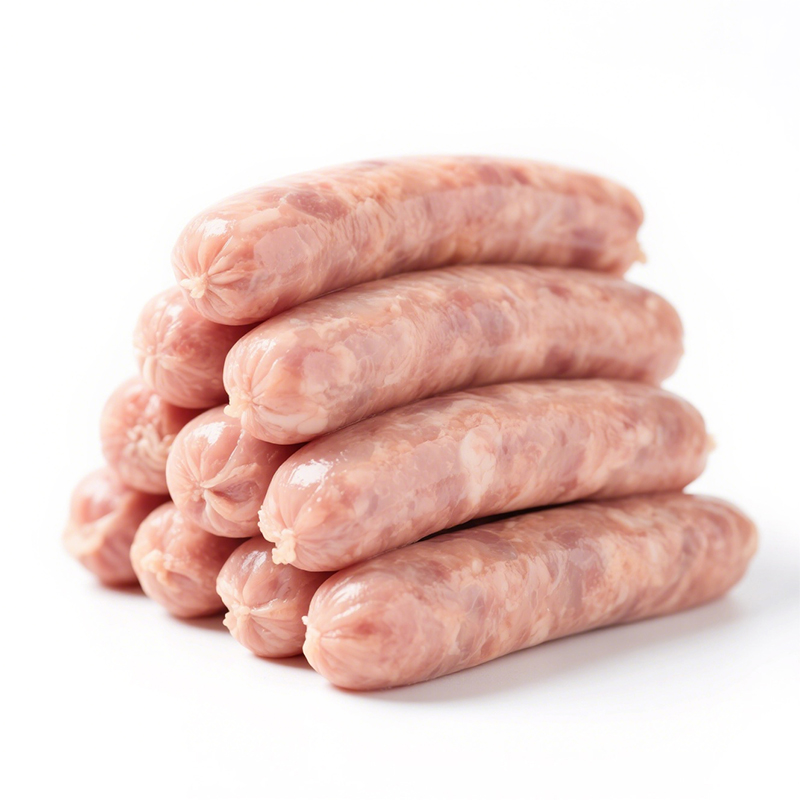


Have you ever watched your double channel sausage cutting machine struggle to keep up with peak demand, leaving you with a pile of misshapen product and a sinking feeling in your gut? You are not alone. The truth is, many operations are running these machines at a fraction of their real potential, costing them thousands in waste and lost time every month. At Foshan Aokai Machinery Technology Co., Ltd, we have seen it firsthand—and the solution is simpler than you think.
Let us start with the most common pain point: inconsistent cut quality. Imagine a high-volume shift where your machine is supposed to produce 3,000 sausages per minute, but instead, you get a mix of short, long, and torn pieces. The result? Your packaging line slows down, your quality control rejects 12% of the batch, and your yield drops by nearly 8%. That is not just frustrating; it is a direct hit to your bottom line. For a mid-sized plant producing 50 tons per week, that translates to over $200,000 in lost revenue annually.
Then there is the issue of excessive waste. A typical double channel machine uses a rotary blade system that, if not perfectly aligned, can shave off up to 15% of the product as trimmings. Those trimmings often end up as low-value byproduct—or worse, in the bin. When you factor in the cost of raw materials, labor, and energy, this inefficiency can eat up 20% of your profit margin.
And let us not forget downtime. Many machines require manual cleaning and recalibration every 4 hours, taking 30 minutes each time. That is 3 hours of lost production per day—nearly $1,000 in lost output per shift. Over a year, that is over $250,000 in opportunity cost.
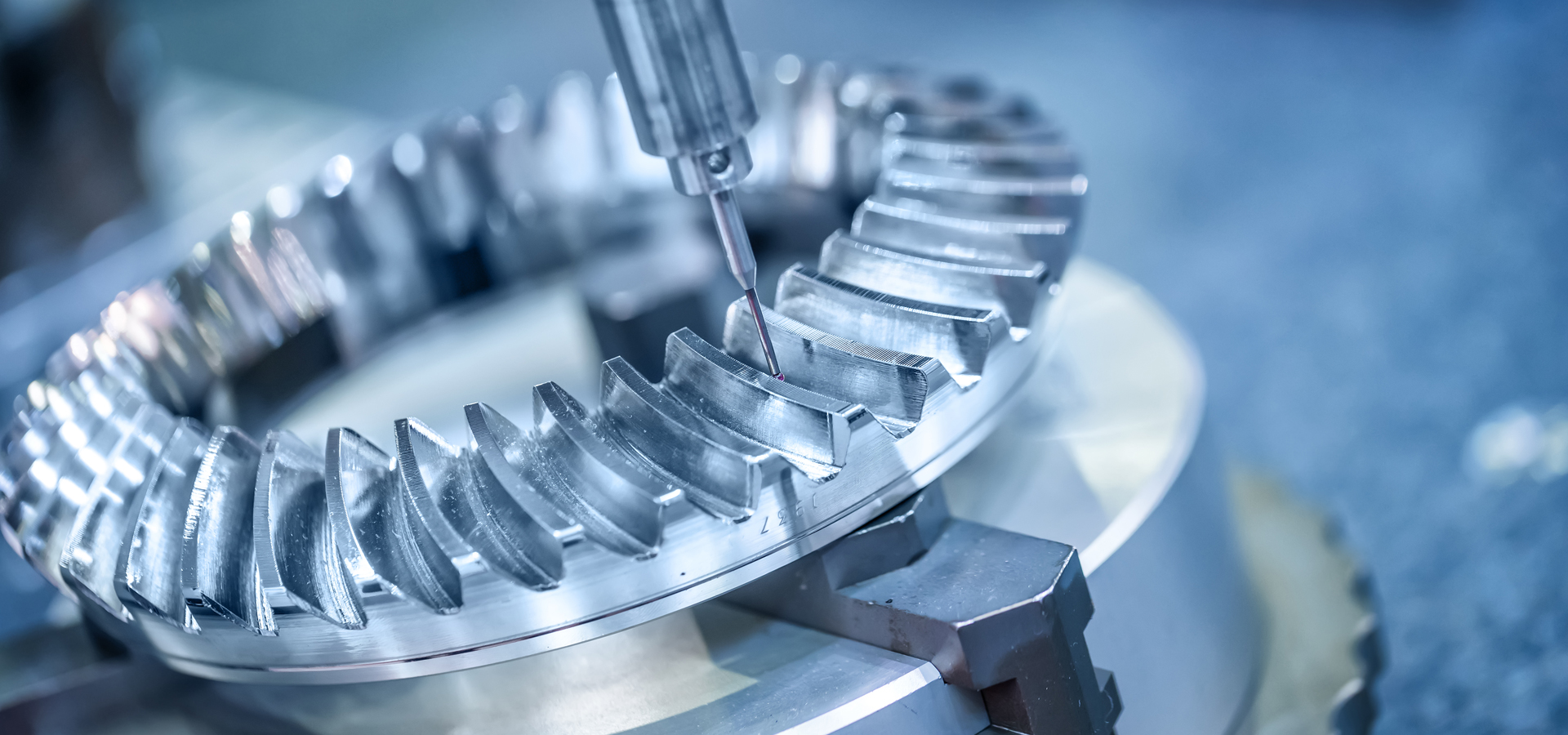
Now, here is how we tackle these issues at Foshan Aokai. Our double channel sausage cutting machine is engineered with a patented dual-servo drive system that ensures each channel operates independently but synchronously. This eliminates the common problem of one channel lagging behind, which causes uneven cuts. We also use a high-precision laser-guided blade alignment that keeps tolerances within 0.1 mm, reducing waste to under 2%. And our self-cleaning mechanism with automatic lubrication cuts maintenance time to just 10 minutes every 8 hours.
But do not take our word for it. Consider the case of Smithfield Meats in Iowa, USA. They were struggling with a 10% waste rate on their old machine. After switching to our model, they reported a 7% increase in yield within the first month. Their production manager, John, said, "The consistency is night and day. We have not seen a single torn casing since installation." Then there is Wursthaus GmbH in Munich, Germany. They needed to reduce downtime to meet strict EU hygiene standards. Our machine's quick-change tooling cut their changeover time by 60%, saving them 4 hours per week. Their lead engineer, Klaus, noted, "The reliability is outstanding. We have had zero unplanned stops in six months." In São Paulo, Brazil, a large processor called Frigolândia saw a 15% reduction in labor costs because our machine's automated trimming feature eliminated the need for manual sorting. Their operations director, Maria, said, "It is like having an extra shift without hiring anyone." Down under, in Brisbane, Australia, a specialty sausage maker named Ozzy's Fine Meats used our machine to double their output without adding floor space. Their owner, Dave, told us, "We went from 500 kg/hour to 1,000 kg/hour—easily. The dual channels are a game changer." And in Italy, Salumi di Parma used our machine to produce consistent artisan sausages for export. Their quality manager, Luca, said, "Our customers in Japan noticed the difference immediately. Orders increased by 20%."
Our machines are deployed in various applications: from high-speed hot dog lines in the US to delicate fresh sausage production in Europe. We count major players like Tyson Foods, Nestlé Professional, and Danish Crown as partners. These companies rely on our technology because it meets ISO 22000 and USDA standards, and our engineers provide on-site training and 24/7 remote support.
Now, let us address some questions you might have. Q: How does the dual channel system handle different sausage diameters? A: Our machine uses a quick-adjustment mechanism that allows you to switch between 20 mm and 40 mm casings in under 2 minutes, without tools. Q: What is the maximum throughput? A: For standard 25 g sausages, we achieve up to 4,000 pieces per minute per channel, with a combined output of 8,000 pieces per minute. Q: How do you prevent jamming? A: We use a smart sensor array that detects product flow anomalies and automatically adjusts the cutting speed in real-time. Q: What is the maintenance schedule? A: Recommended maintenance is 2 hours per week, including blade sharpening and lubrication. Our remote diagnostics can predict failures 48 hours in advance. Q: Can it integrate with existing packaging lines? A: Yes, our machine has a standard MES interface and can be synchronized with most flow wrappers and tray sealers.
To sum it up: the right double channel sausage cutting machine can turn your production from a headache into a competitive advantage. At Foshan Aokai, we have proven that precision engineering reduces waste, increases yield, and cuts downtime—all while delivering a fast return on investment. If you are ready to see how our machine can improve your numbers, download our technical whitepaper or contact our sales engineers for a free consultation. We are here to help you get the most out of every sausage.