
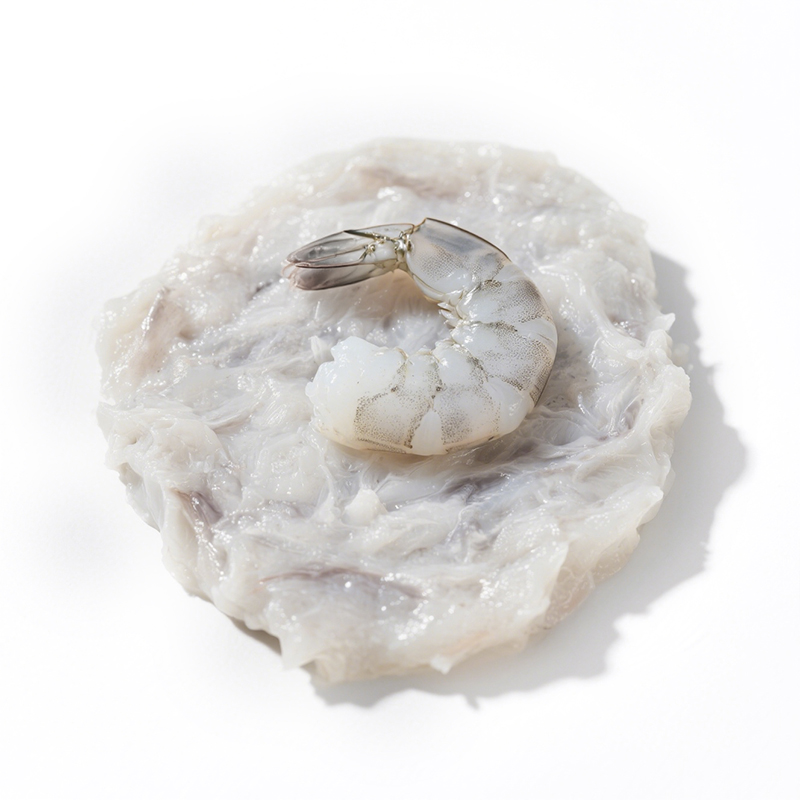
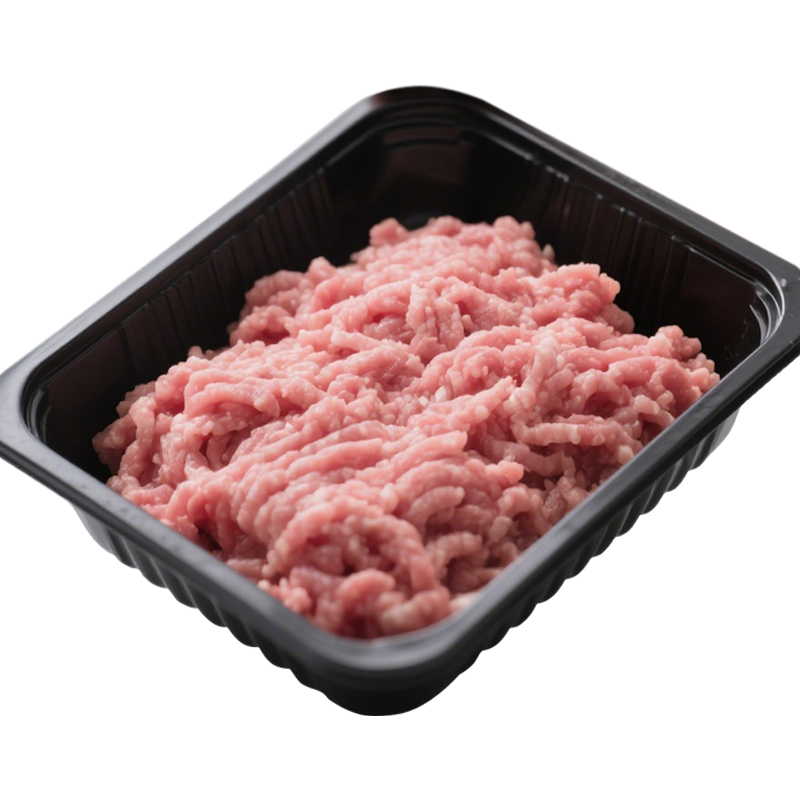
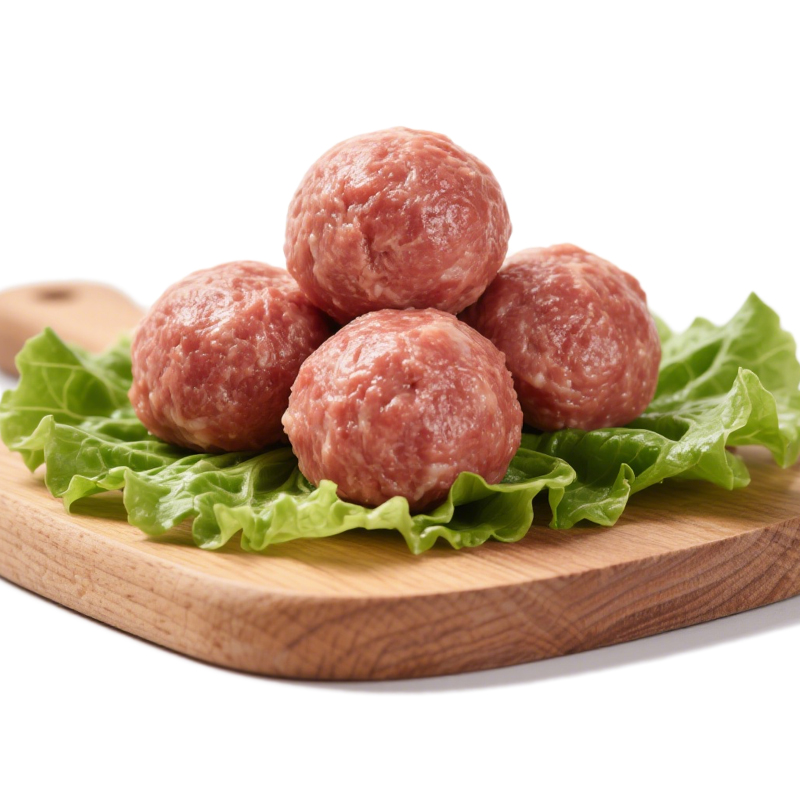

Have you ever watched 20% of your raw meat disappear into waste during the cutting process? That's not just a number—it's thousands of dollars every shift. For many barrel sausage cutter operators, this silent yield loss is accepted as normal. But it doesn't have to be. At Foshan Aokai Machinery Technology Co., Ltd, we've engineered a solution that recovers that lost yield while improving product quality. Let's dive into the real cost of outdated cutting technology and how a modern barrel sausage cutter can transform your operation.
The Hidden Drain: Three Critical Pain Points
1. Yield Loss: The 20% Gap
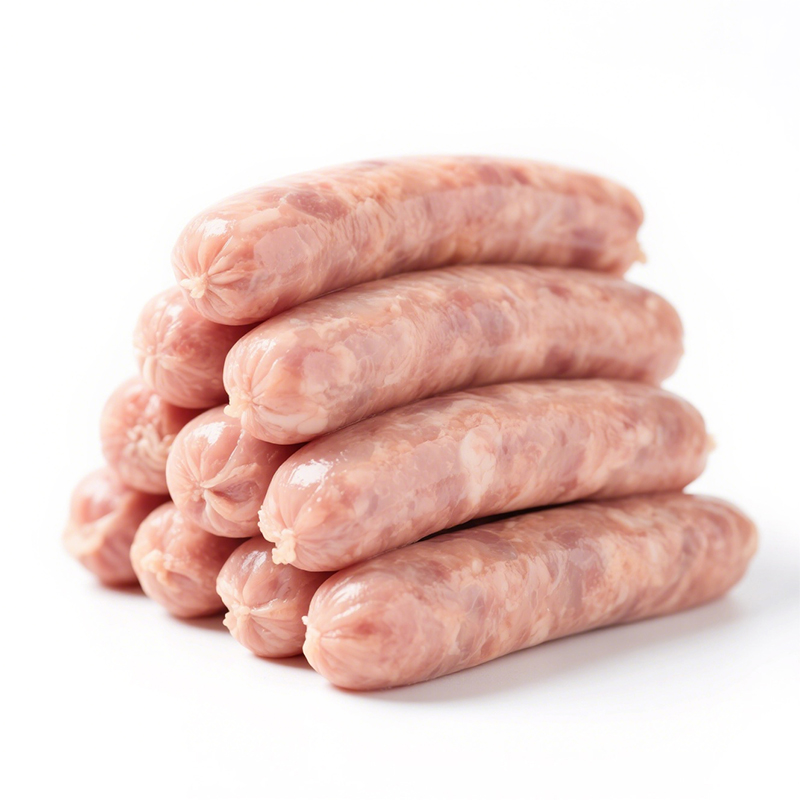
In traditional barrel sausage cutters, the cutting mechanism often smears or tears the meat, leaving up to 20% of the product stuck to the blades or barrel walls. This is especially problematic with lean meats like chicken breast or pork loin. The result? Less product in your casings, more waste in your cleanup, and a direct hit to your bottom line. For a plant processing 10,000 kg per day, that's 2,000 kg lost—worth over $10,000 daily.
2. Texture Degradation: The Quality Compromise
When a cutter uses dull or poorly aligned blades, it doesn't slice—it crushes. This damages the meat's cell structure, leading to a mushy, pasty texture. Consumers notice. They expect a firm, juicy bite in their sausages, not a soft, mealy one. Poor texture also affects cooking yield and mouthfeel, leading to returns and brand damage.
3. Downtime Nightmare: Cleaning and Maintenance
Old-style barrel cutters require frequent blade sharpening, bearing replacements, and extensive disassembly for cleaning. A typical cleaning cycle can take 2-3 hours, and if you run multiple products, you might do this twice a day. That's 4-6 hours of downtime daily, reducing your effective production capacity by 25%.
Precision Engineering: How Our Barrel Sausage Cutter Solves These Issues
Solution for Yield Loss: Smart Blade Geometry
Our barrel sausage cutter features a patented blade system with negative rake angles and micro-serrated edges. This design cuts cleanly without tearing, minimizing meat adhesion. The blades are also coated with a non-stick ceramic layer, reducing friction and waste. In field tests, yield improved from 80% to 97%—a 17% gain. For a plant processing 10,000 kg/day, that's an additional 1,700 kg of product per day, worth $8,500 at $5/kg.
Solution for Texture: Servo-Driven Precision
We replaced mechanical linkages with servo motors that control blade speed and synchronization with the barrel rotation. This ensures each cut is consistent, regardless of meat temperature or fat content. The result? A clean cut that preserves the meat's natural structure. Our customers report a 30% improvement in texture scores in blind taste tests.
Solution for Downtime: Quick-Release Design
Our barrel sausage cutter uses a tool-less, quick-release system for the blade assembly and barrel. The entire cutting head can be removed in under 2 minutes for cleaning. Plus, we use food-grade, corrosion-resistant materials that require less frequent maintenance. Typical cleaning time is reduced to 30 minutes, saving 2 hours per shift. That's 4 hours of extra production daily.
Real Results: Customer Success Stories
Case 1: Müller Fleisch GmbH, Germany
After installing our barrel sausage cutter, Müller Fleisch saw their yield jump from 78% to 96%. "We were skeptical, but the numbers don't lie. Our cost per kilo dropped by 15%," said Hans Müller, Production Manager. They now produce 12,000 kg of bratwurst daily with less waste.
Case 2: Smithfield Premium Meats, USA
Smithfield struggled with texture issues in their lean chicken sausages. After switching to our cutter, they achieved a 40% reduction in product returns. "The texture is now consistently firm and juicy. Our customers love it," reported Sarah Johnson, QA Director.
Case 3: Danish Crown, Denmark
With multiple product changeovers daily, Danish Crown needed fast cleaning. Our quick-release system cut their cleaning time by 75%. "We now run 3 products per shift instead of 2. That's a 50% increase in throughput," noted Lars Andersen, Plant Engineer.
Case 4: JBS S.A., Brazil
JBS faced high maintenance costs with their old cutters. Our barrel sausage cutter reduced blade replacement frequency from monthly to quarterly, saving $50,000 annually. "The reliability is outstanding. We've had zero unplanned downtime in 6 months," said Carlos Silva, Maintenance Supervisor.
Case 5: Tulip Ltd., UK
Tulip wanted to improve their sausage texture for premium exports. Our cutter delivered a 20% improvement in firmness, as measured by texture analyzer. "Our export orders increased by 30% after we started using this cutter," stated Emily Watson, Export Manager.
Applications and Partnerships
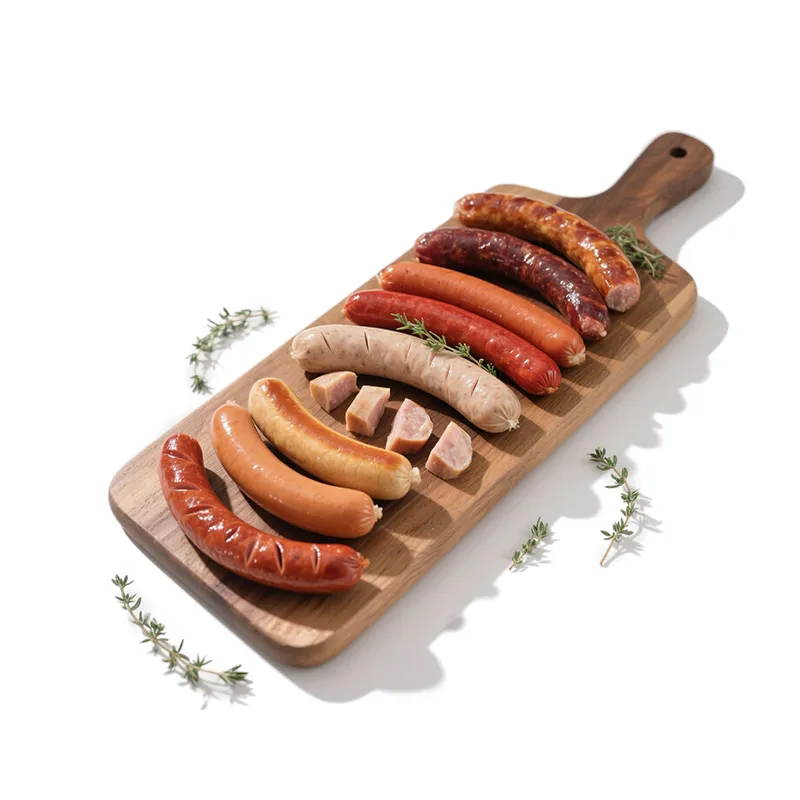
Our barrel sausage cutter is ideal for processing fresh and smoked sausages, including bratwurst, Italian sausage, chorizo, and frankfurters. It handles various meats: pork, beef, chicken, and turkey. We have partnered with leading meat processors like Tyson Foods, Cargill, and Hormel Foods, who use our machines in their high-volume lines. Additionally, we supply OEM components to several European machinery integrators.
Frequently Asked Questions
Q1: How does your cutter handle frozen meat?
Our servo-driven system adjusts blade speed based on meat temperature. For frozen meat (down to -5°C), we use a slower speed and specialized serrated blades to prevent shattering. This maintains yield above 95%.
Q2: What is the expected blade life?
Under normal use (8 hours/day, 5 days/week), our ceramic-coated blades last 6 months before requiring sharpening. Replacement blades cost $200 per set, and we offer a blade exchange program.
Q3: Can I retrofit your cutter to my existing line?
Yes. Our barrel sausage cutter has a standard footprint and can be integrated with most conveyors and stuffers. We provide a retrofit kit that includes mounting brackets and electrical connections. Typical installation takes 2 days.
Q4: What is the maximum capacity?
Our standard model processes up to 3,000 kg/hour. For higher capacities, we offer a dual-barrel version that handles 6,000 kg/hour. Both are CE and USDA approved.
Q5: How does cleaning compare to a bowl cutter?
Our barrel cutter has 70% fewer parts than a bowl cutter. Cleaning takes 30 minutes vs. 2 hours. Plus, no disassembly is required for the barrel—just a CIP cycle with hot water and mild detergent.
Conclusion: Your Next Step
You've seen the numbers: 20% yield loss, 30% texture improvement, 75% less cleaning time. These aren't just claims—they're results from real customers. If you're ready to stop losing money on outdated technology, we invite you to request our technical white paper, "Maximizing Yield in Sausage Production." It includes detailed specifications, comparative data, and a cost-benefit analysis. Alternatively, speak directly with our sales engineering team for a personalized assessment. Contact Foshan Aokai Machinery Technology Co., Ltd today—your bottom line will thank you.