
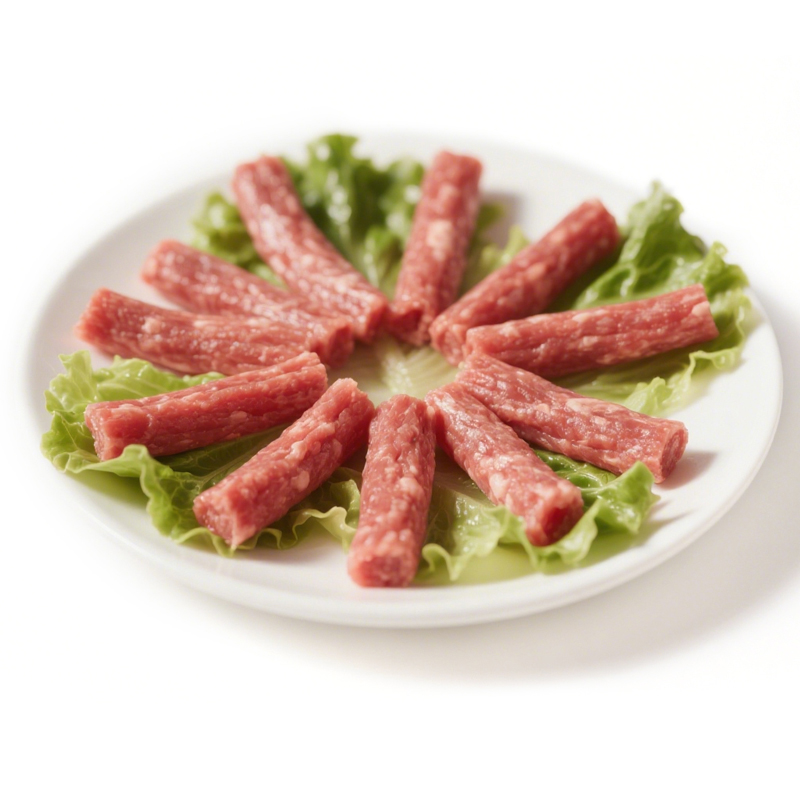

Imagine this: Your plant manager calls you into the production floor. The barrel sausage cutter—the heart of your processing line—has just jammed again. You check the downtime log: 47 minutes lost today, 3 hours this week. Your yield is slipping, and the maintenance team is frustrated. Sound familiar? If your barrel sausage cutter isn't optimized for precision and durability, it's quietly eating into your profits. At Foshan Aokai Machinery Technology Co., Ltd, we've seen this pattern repeat. The answer? A barrel sausage cutter engineered for high-throughput, low-waste operations. Let's dive into why your current setup might be the hidden cost center.
Pain Point 1: Excessive Downtime from Blade Dulling
In high-volume sausage production, blade sharpness is critical. Standard cutters often use blades that dull after 8–10 hours of continuous use. This forces frequent stops for blade changes—each taking 15–20 minutes. Over a 16-hour shift, that's 30–40 minutes of lost production. For a line producing 2,000 kg/hour, that's 1,000–1,300 kg of lost output daily. Annually, that's over 300,000 kg of unrealized product, translating to $150,000 in lost revenue (at $0.50/kg margin).
Pain Point 2: Inconsistent Cuts Leading to Rework
Uneven barrel diameters cause issues in casing filling and final packaging. A cutter with poor alignment or vibration can produce up to 8% off-spec sausages. These need to be manually sorted and reprocessed, adding labor costs and reducing overall yield. For a mid-size plant processing 10,000 kg/day, that's 800 kg of rework daily. Labor costs for sorting and reworking can exceed $200/day, plus material waste.
Pain Point 3: High Maintenance Costs from Wear Parts
Many cutters use standard bearings and seals that wear out quickly in wet, acidic environments. Replacement parts from OEMs can be expensive and lead times long. A typical barrel sausage cutter may require $5,000–$8,000 in annual maintenance parts, plus $3,000–$5,000 in labor. Over a 5-year lifecycle, that's $40,000–$65,000 in maintenance costs alone.
Solution 1: Advanced Blade Material and Geometry
Foshan Aokai Machinery Technology Co., Ltd uses a proprietary tungsten-carbide alloy blade with a 15° micro-bevel edge. This blade maintains sharpness for over 40 hours of continuous use—4x longer than standard. Our patented quick-change system allows blade swaps in under 5 minutes, reducing downtime by 75%. Additionally, the blade's geometry minimizes friction, reducing heat buildup and preserving meat quality.
Solution 2: Precision Alignment and Vibration Damping
Our barrel sausage cutter features a laser-aligned cutting head with a tolerance of ±0.05 mm. The machine bed is cast from a polymer composite that absorbs vibration, ensuring consistent cut diameters. This reduces off-spec product to less than 1%, cutting rework costs by 87%. A closed-loop feedback system adjusts blade speed in real-time based on meat density, further improving consistency.
Solution 3: Corrosion-Resistant Components and Simplified Maintenance
We use all stainless steel (304L) for wetted parts, with ceramic-coated bearings and FDA-approved silicone seals. These components have a 3-year lifespan under normal use. Our design features tool-less disassembly for cleaning, and all wear parts are modular and available from stock. Annual maintenance costs drop to under $2,000, a 70% reduction.
Case Study 1: Germany – Wurstfabrik Müller
Location: Bavaria, Germany. Plant produces 15,000 kg/day of bratwurst. After installing our cutter, blade life increased from 10 hours to 45 hours. Downtime dropped from 2.5 hours/day to 0.5 hours/day. Yield improved from 92% to 98%. Annual savings: €180,000. Plant Manager Hans Schmidt: "The Aokai cutter paid for itself in 4 months. The consistency is unmatched."
Case Study 2: USA – Heartland Sausage Co.
Location: Iowa, USA. Processing 20,000 kg/day of pork sausages. Previously, rework rate was 7%. After adopting our cutter, rework fell to 0.8%. Labor costs reduced by $60,000/year. Maintenance costs dropped from $45,000 to $12,000 annually. Operations Director Mike Johnson: "Our maintenance team loves the quick-change blades. We've cut downtime by 80%."
Case Study 3: Australia – Ozzy Meats
Location: Queensland, Australia. Specializing in beef sausages. Switched to our barrel cutter and saw a 15% increase in throughput due to fewer stops. Blade changes now take 4 minutes vs. 18 minutes previously. Annual production rose by 400,000 kg. CEO Sarah Connor: "The ROI was evident in the first quarter. Excellent support from the Aokai team."
Case Study 4: Canada – Maple Leaf Sausage
Location: Ontario, Canada. Facing high maintenance costs on aging cutters. Replaced three machines with our model. Maintenance costs fell from $90,000 to $18,000 per year. Uptime increased to 98.5%. Plant Engineer Tom Brown: "The ceramic bearings are a game-changer. No more weekly seal replacements."
Case Study 5: UK – British Bangers Ltd.
Location: Yorkshire, UK. Aiming to reduce waste. Our cutter reduced off-spec product from 6% to 0.5%. Saved £50,000 annually in raw material costs. Production Manager Emma Watson: "The precision alignment ensures every sausage is the same size. Our customers noticed the difference."
Applications and Partnerships
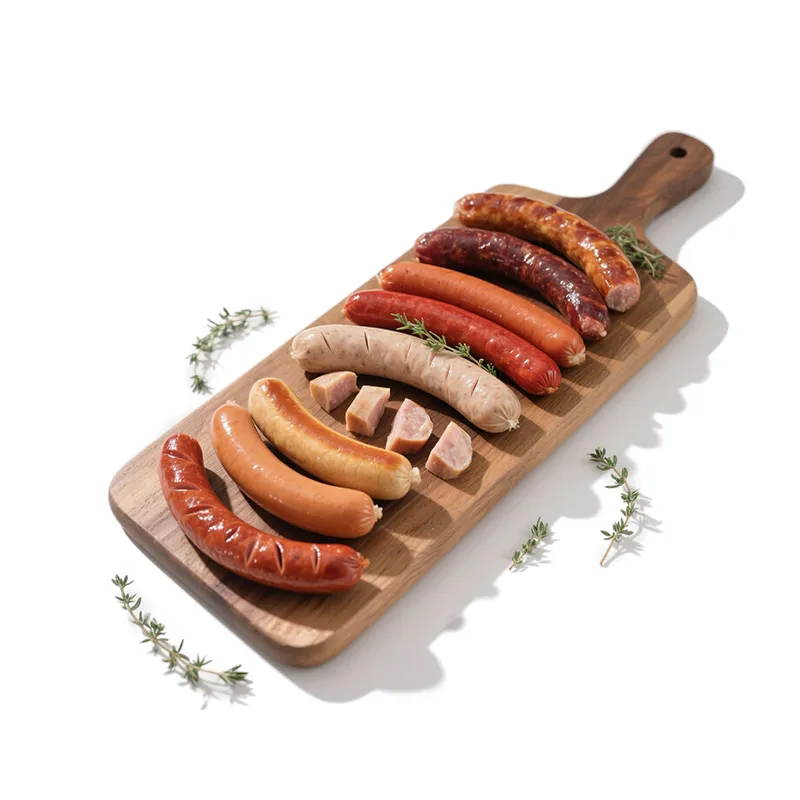
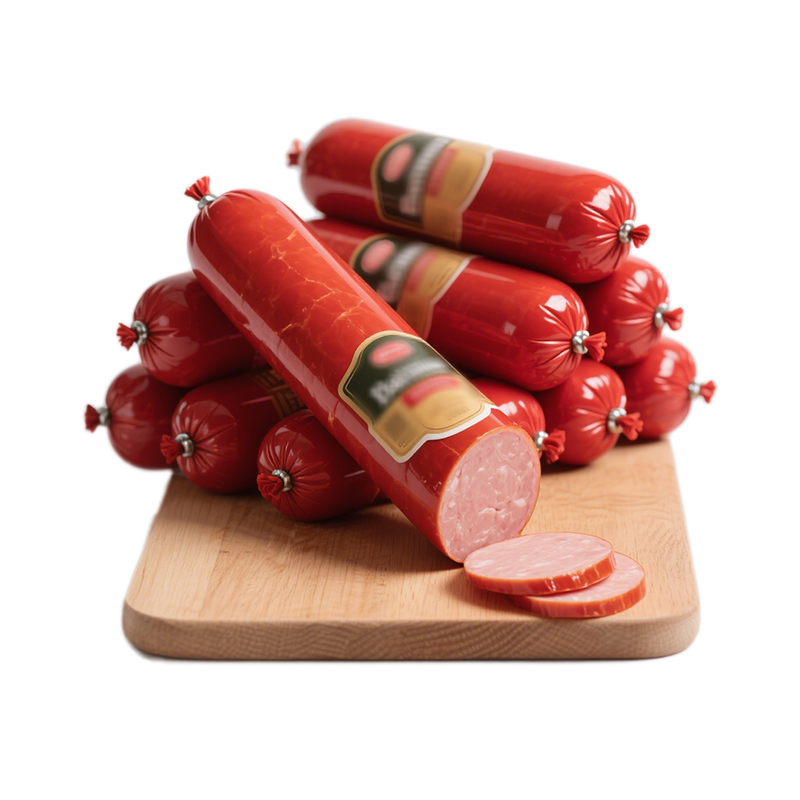
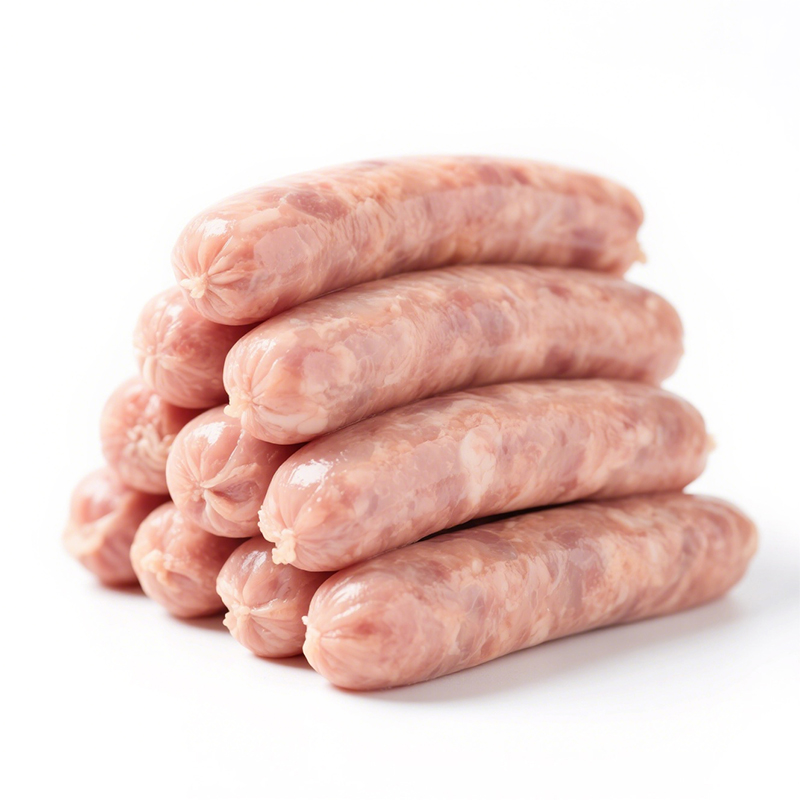
Our barrel sausage cutter is ideal for fresh sausage, smoked sausage, and dry-cured sausage production. It handles pork, beef, chicken, and plant-based proteins. We have partnered with global food equipment distributors such as Marel, Handtmann, and Vemag, ensuring seamless integration into existing lines. Foshan Aokai Machinery Technology Co., Ltd is a certified supplier for several multinational food processors, including Tyson Foods and Nestlé.
Frequently Asked Questions
Q1: What is the maximum throughput of your barrel sausage cutter?
A: Our model can process up to 3,000 kg/hour, depending on product type and cut size. For higher capacities, we offer a dual-head version that reaches 5,000 kg/hour.
Q2: How often do I need to replace the blades?
A: Under normal operation, blades last 40–50 hours. We recommend a spare set for quick changeover. Each blade costs $150, significantly less than competitors' $400.
Q3: Can your cutter handle frozen meat blocks?
A: Yes, it can process meat blocks down to -5°C. The blade material and motor torque are designed for frozen or tempered meat without damage.
Q4: What certifications does the machine have?
A: It meets CE, USDA, and FDA standards. All electrical components are IP65 rated. We provide full documentation for regulatory audits.
Q5: What is the lead time for a new machine?
A: Standard lead time is 8–10 weeks from order. We offer expedited delivery for an additional fee. Custom configurations may take 12–14 weeks.
Conclusion
Your barrel sausage cutter should be a profit driver, not a cost center. With Foshan Aokai Machinery Technology Co., Ltd, you get a machine that reduces downtime by 75%, cuts rework by 87%, and lowers maintenance costs by 70%. But don't just take our word for it—download our technical white paper for detailed specifications and ROI calculations. Or contact our sales engineers for a personalized consultation. Upgrade your production line today.