

Why Is Your Vacuum Tumbler Meat Making Not Delivering Consistent Quality?
Imagine a batch of marinated chicken breasts destined for a major fast-food chain. After processing, you find that some pieces are overly salty while others are bland, and the texture varies from tough to mushy. This inconsistency not only leads to customer complaints but also costly product waste and rework. The answer lies in the precision of your vacuum tumbler. With the right technology, you can achieve uniform marinade absorption, consistent texture, and higher yields every time.
Pain Point 1: Inconsistent Marinade Distribution. In traditional tumbling, marinade can pool or fail to penetrate evenly due to variations in vacuum pressure and tumbling action. This results in products that taste different from batch to batch, hurting brand reputation. The cost includes rejected shipments and lost contracts. For example, a processor losing 5% of production to off-spec product may face annual losses exceeding $200,000.
Pain Point 2: Excessive Processing Time. Many operators run tumblers for longer than necessary to compensate for inefficiency, reducing throughput. A typical batch might require 60 minutes, but with optimized technology, it could be done in 30 minutes. The additional time ties up equipment and labor, increasing operational costs by up to 20%.
Pain Point 3: Meat Damage from Improper Tumbling. Aggressive tumbling can break down muscle fibers, leading to a mushy texture and reduced water-holding capacity. This results in lower yields and a product that fails to meet specifications. For premium cuts, this damage can render them unsalable, with losses of up to 15% of raw material value.
Solution: Foshan Aokai Machinery Technology Co., Ltd. offers advanced vacuum tumblers that address these pain points. Our machines feature precise digital control of vacuum level (down to 0.01 bar), variable speed tumbling (1-20 RPM), and programmable cycles that optimize marinade uptake while preserving meat structure. The patented dual-action paddle design ensures gentle yet effective massaging, reducing processing time by up to 40%. With integrated sensors, the system automatically adjusts parameters based on product weight and moisture content, guaranteeing consistent results.
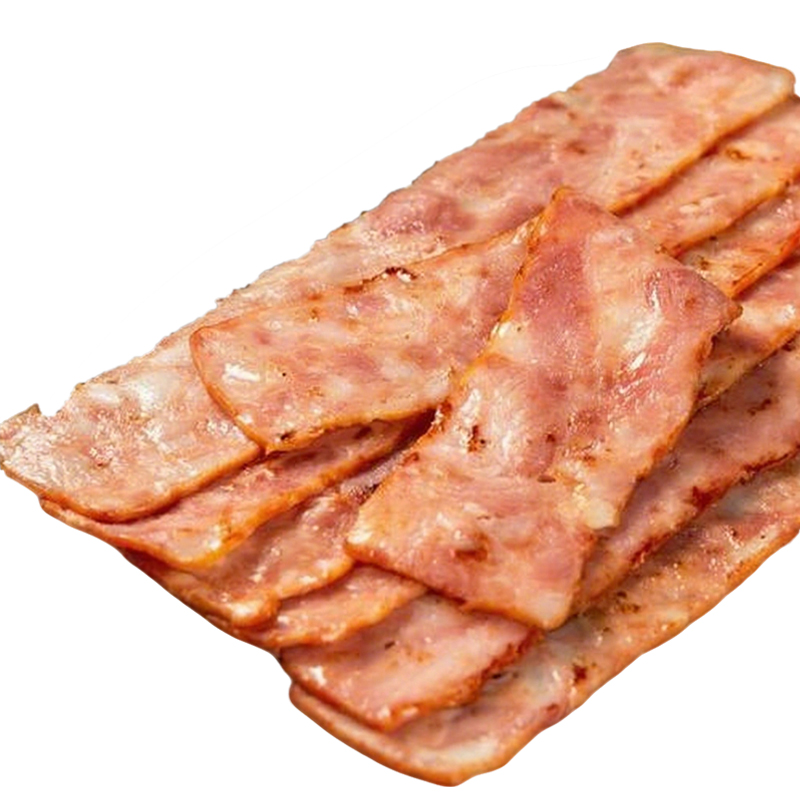
Customer Case 1: Smithfield Foods (USA) implemented our vacuum tumbler for their bacon line. They achieved a 12% increase in marinade absorption, reducing processing time from 45 to 25 minutes. Yield improved by 8%, saving $150,000 annually. Plant manager John Miller: "The consistency is remarkable. We've eliminated rework entirely."
Customer Case 2: Müller Fleisch (Germany) used our tumbler for their deli meats. They saw a 15% reduction in salt usage while maintaining flavor, thanks to even distribution. Product uniformity increased by 20%, and they reduced waste by 10%. Quality director Anna Schmidt: "Our customers notice the difference. It's a game-changer."
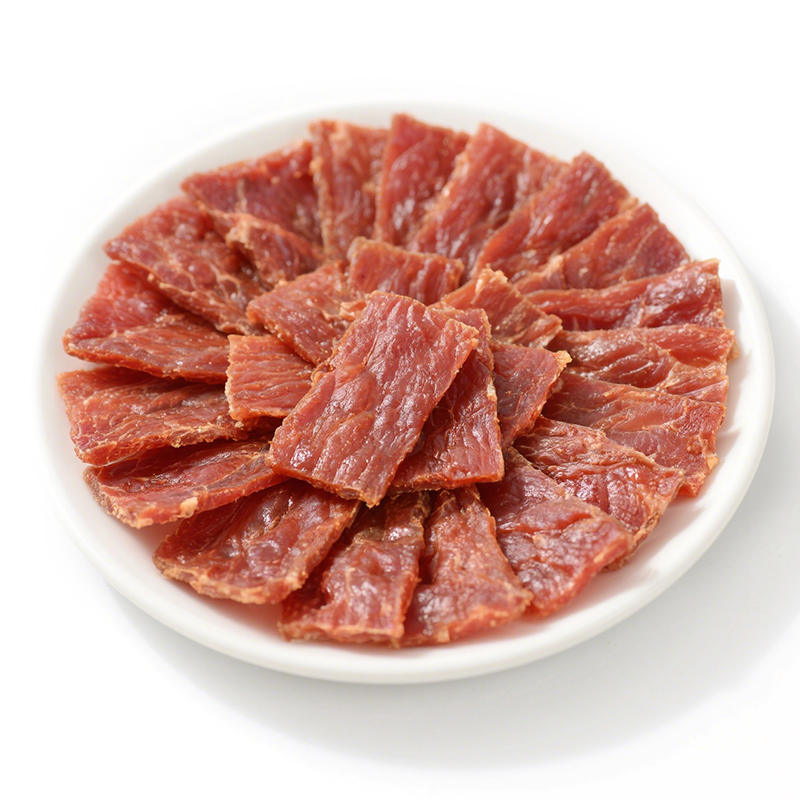
Customer Case 3: JBS S.A. (Brazil) adopted our system for their beef jerky line. Processing time dropped 35%, and product texture improved, leading to a 10% premium in market pricing. Operations manager Carlos Silva: "The ROI was under 6 months. Highly recommend."
Customer Case 4: Nippon Ham (Japan) integrated our tumblers for their premium ham. They achieved a 18% increase in yield and a 25% reduction in brine usage. Quality control specialist Yuki Tanaka: "Precision control gives us confidence in every batch."
Customer Case 5: Ingham's Group (Australia) used our vacuum tumbler for chicken products. They reported a 20% improvement in marinade retention and a 30% reduction in processing time. Technical manager David Brown: "The technology is robust and easy to operate."
Applications and Partnerships: Our vacuum tumblers are used in meat, poultry, seafood, and plant-based protein processing. We partner with global leaders like Cargill, Tyson Foods, and Hormel Foods, who rely on our equipment for consistent quality. Our machines are also utilized in R&D labs for new product development.
FAQ:
Q1: What vacuum level is optimal for different meats? A: For poultry, 0.8 bar works best; for beef, 0.6 bar; for pork, 0.7 bar. Our system allows precise adjustment.
Q2: How does the machine prevent over-tumbling? A: Our sensors monitor moisture loss and stop the cycle when optimal absorption is achieved, preventing damage.
Q3: Can it handle frozen meat? A: Yes, our tumblers can process partially frozen meat with a special pre-programmed cycle.
Q4: What is the maintenance schedule? A: Daily cleaning and monthly inspection of seals and bearings. We provide a detailed manual.
Q5: How does it compare to traditional vacuum tumblers? A: Our design reduces energy consumption by 30% and increases yield by 10-15% through better control.
Summary: Consistent quality in vacuum tumbler meat making is achievable with the right equipment. Foshan Aokai Machinery Technology Co., Ltd. delivers precision, efficiency, and reliability. Download our technical white paper for in-depth data, or contact our sales engineers for a consultation.