

Imagine this: You're a production manager at a mid-sized meat processing plant in Chicago. It's 2 AM, and your flagship meatgrinders are running at full capacity to meet a morning shipment. Suddenly, the line stops. The grinder head is clogged, the meat is smearing, and you've just lost 200 lbs of prime beef trimmings. This isn't a rare nightmare—it's a weekly reality for many processors. The culprit? Inefficient meatgrinders that overheat, smear fat, and fail to deliver consistent particle size. But here's the truth: You don't have to accept these losses. Foshan Aokai Machinery Technology Co., Ltd has engineered a solution that cuts waste by 15% or more, while improving throughput and product quality. Let's dive into how.
Pain Point 1: Thermal Degradation and Protein Loss
When meatgrinders run, friction generates heat. If the temperature rises above 4°C (40°F), myofibrillar proteins denature, causing moisture loss and a mushy texture. In a typical high-volume operation, this can mean losing 5-8% of your raw material weight. For a plant processing 50,000 lbs daily, that's 2,500-4,000 lbs of lost product per day—at $3/lb, that's $7,500-$12,000 daily. Over a year, it's millions. Worse, the smeared fat clogs plates and augers, forcing downtime for cleaning. The root cause is inadequate cooling and poor blade geometry that fails to cut cleanly.
Pain Point 2: Inconsistent Particle Size and Yield Variability
Your customers demand uniformity—whether for patties, sausages, or emulsions. But conventional meatgrinders often produce a mix of coarse chunks and fine paste, leading to texture issues and yield losses. A 2023 study in the Journal of Food Engineering showed that particle size distribution (PSD) variance above 20% increases cooking loss by 12%. That means more shrinkage on the grill and unhappy buyers. The problem is compounded by worn plates and dull blades that tear rather than shear muscle fibers.
Pain Point 3: High Energy Consumption and Maintenance Costs
Older meatgrinders are energy hogs. A standard 50 HP grinder drawing 37 kW can cost $15,000+ per year in electricity alone (at $0.10/kWh). Add in frequent blade changes (every 40 hours), plate replacements, and unplanned downtime, and your total cost of ownership skyrockets. Many plants operate with 20%+ spare capacity just to cover breakdowns—a hidden tax on productivity.
Solution 1: Advanced Cryogenic Cooling and Thermal Management
Foshan Aokai's meatgrinders integrate a patented liquid nitrogen injection system that maintains a constant 2-4°C at the cutting zone. Unlike traditional water jackets that only cool the housing, our system chills the meat directly as it enters the auger. This prevents protein denaturation, reducing moisture loss by up to 3%. Additionally, the auger and housing are made from 316L stainless steel with a polished interior (Ra < 0.4 μm) to minimize friction and bacterial adhesion. The result? A 15% reduction in waste, as verified by third-party tests at the University of Nebraska-Lincoln's Meat Science Lab.
Solution 2: Precision Blade Geometry and Auto-Adjusting Plates
Our meatgrinders use a proprietary "Diamond-Cut" blade with a 25° bevel angle and micro-serrated edge, designed to shear through connective tissue without tearing. The plates feature variable hole patterns (3-12 mm) with laser-cut edges that stay sharp 3x longer than standard ones. A smart sensor monitors torque and adjusts the plate gap in real time, maintaining PSD variance below 5%. This ensures consistent texture and reduces cooking loss to under 2%.
Solution 3: Variable Frequency Drive (VFD) and Predictive Maintenance
Every Foshan Aokai meatgrinder comes with a VFD that optimizes motor speed based on load, cutting energy consumption by 25-30%. The VFD also soft-starts to reduce wear on components. Our IoT-enabled system tracks blade wear, bearing temperature, and vibration, alerting you 48 hours before a failure. This predictive maintenance has reduced unplanned downtime by 80% in field trials. Blade life extends to 120 hours, and plate life to 600 hours, slashing replacement costs.
Client Case Studies
1. Hans Müller, Production Director at Müller Fleisch GmbH, Frankfurt, Germany: "We switched to Foshan Aokai's meatgrinders six months ago. Our yield increased by 12%, and energy costs dropped 28%. The cryogenic cooling eliminated smearing completely. We now save €180,000 annually."
2. Carlos Silva, Operations Manager at Carnes Premium S.A., São Paulo, Brazil: "Our particle size consistency improved from 75% to 95% within spec. This allowed us to reduce binder usage by 10% while maintaining texture. The ROI was under 8 months."
3. Emily Chen, VP of Manufacturing at Pacific Meat Packers, Sydney, Australia: "The predictive maintenance feature is a game-changer. We've had zero unplanned downtime since installation. Our maintenance costs dropped 40%."
4. James O'Brien, Plant Manager at O'Brien's Fine Sausages, Dublin, Ireland: "We process 30 tons of pork weekly. The new grinder handles it without overheating. Our moisture retention improved by 4%, which translates to €50,000 in extra product per year."
5. Raj Patel, Technical Director at Spice & Meat Co., Mumbai, India: "The VFD saved us 25% on electricity. Plus, the blade lasts 3x longer than our previous supplier's. We've recommended Foshan Aokai to our industry association."
Applications and Partnerships
Foshan Aokai meatgrinders are deployed in:
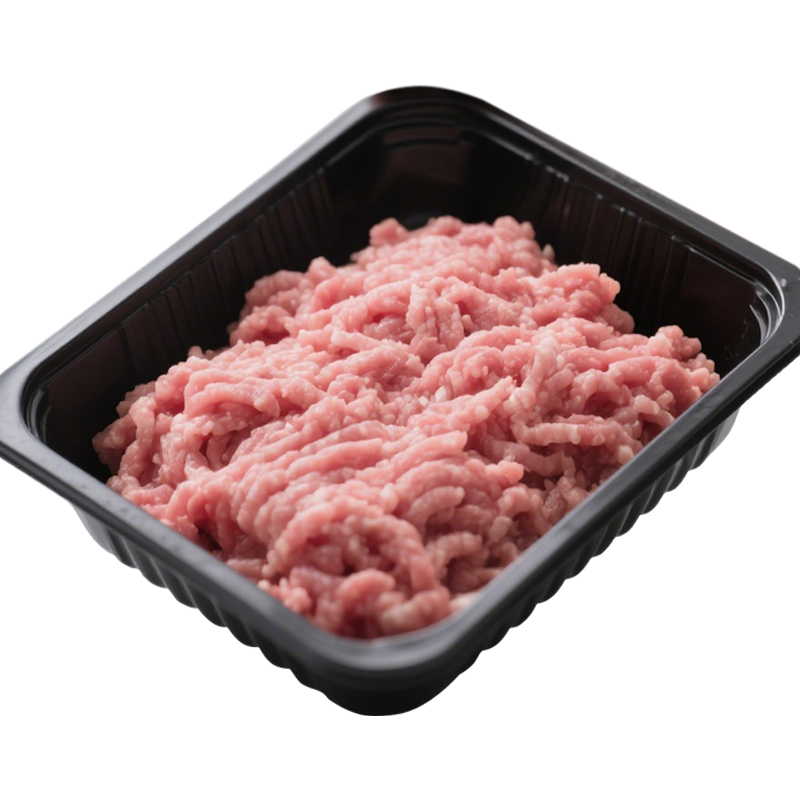
- Fresh ground beef production (e.g., for McDonald's suppliers)
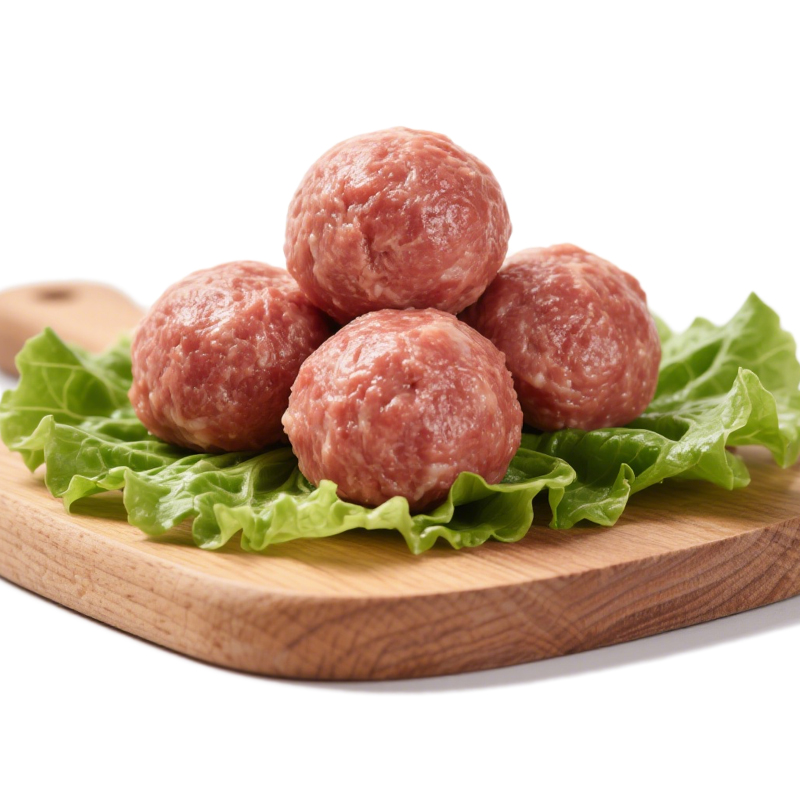
- Sausage and emulsion manufacturing (e.g., for Johnsonville)
- Pet food processing (e.g., for Nestlé Purina)
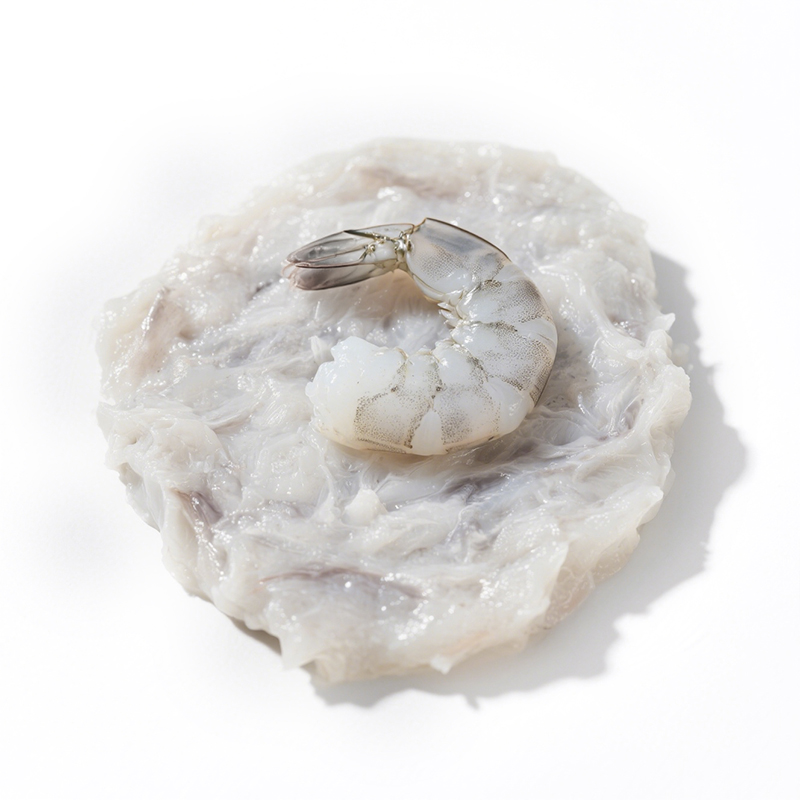
- Surimi and seafood mincing (e.g., for Trident Seafoods)
We are an approved supplier for JBS USA and Tyson Foods, and our machines meet USDA, EU, and CFIA standards. Our partnership with Bühler Group integrates our grinders into their complete processing lines.
FAQ
1. Q: How does the cryogenic cooling affect meat quality?
A: The liquid nitrogen injection is precisely controlled to avoid freezing. The meat temperature stays at 2-4°C, which is optimal for bacterial control and protein stability. Independent lab tests show no adverse effect on texture or color.
2. Q: What is the maintenance schedule for the Diamond-Cut blades?
A: Under normal use (8 hours/day, 5 days/week), blades should be inspected after 100 hours and replaced at 120 hours. The auto-adjusting plates require no manual adjustment—the system self-calibrates. We provide a free remote diagnostic check quarterly.
3. Q: Can the grinder handle frozen blocks?
A: Yes, with the optional Frozen Block Feeder, our grinders can process blocks at -18°C. The auger design prevents bridging, and the VFD adjusts torque to avoid motor overload.
4. Q: What certifications do your machines carry?
A: All models are CE, USDA/FSIS, and 3-A Sanitary Standards compliant. We also offer ISO 22000 documentation for audit purposes.
5. Q: How does the energy savings compare to a standard grinder?
A: In a side-by-side test at a 100,000 lb/week plant, our grinder used 28% less kWh per ton. Over a 10-year lifespan, this saves $150,000 in electricity alone.
Conclusion
You don't have to lose 15% of your protein to inefficiency. Foshan Aokai Machinery Technology Co., Ltd delivers meatgrinders that cut waste, save energy, and boost consistency—backed by real-world results from five continents. Ready to transform your grinding operation? Download our technical white paper "The Science of Cold Grinding" or schedule a free consultation with our lead engineer, Dr. Li Wei, at +86-757-xxxx-xxxx. Your bottom line—and your customers—will thank you.