
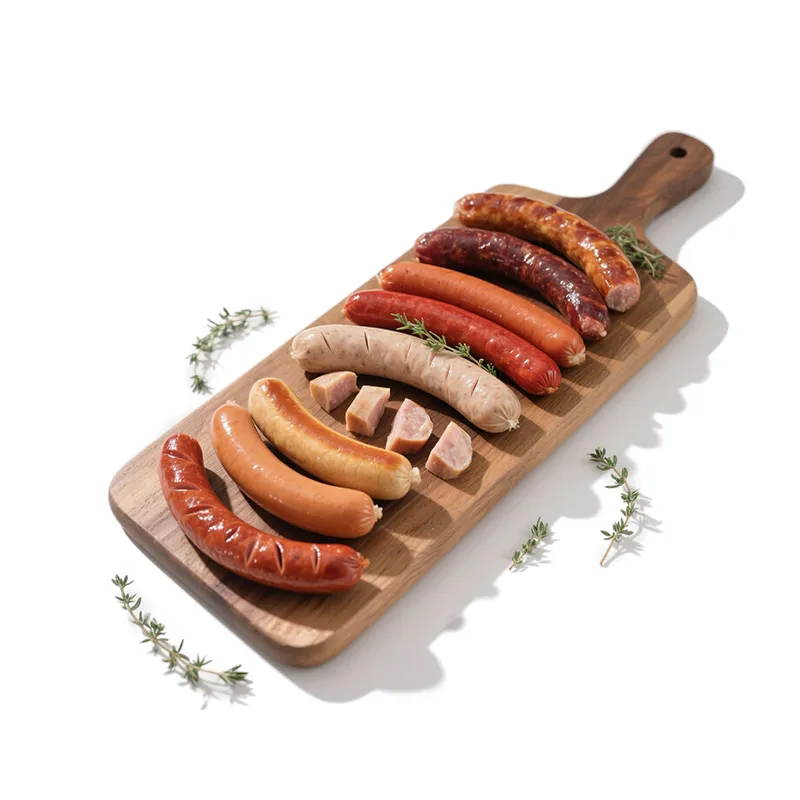
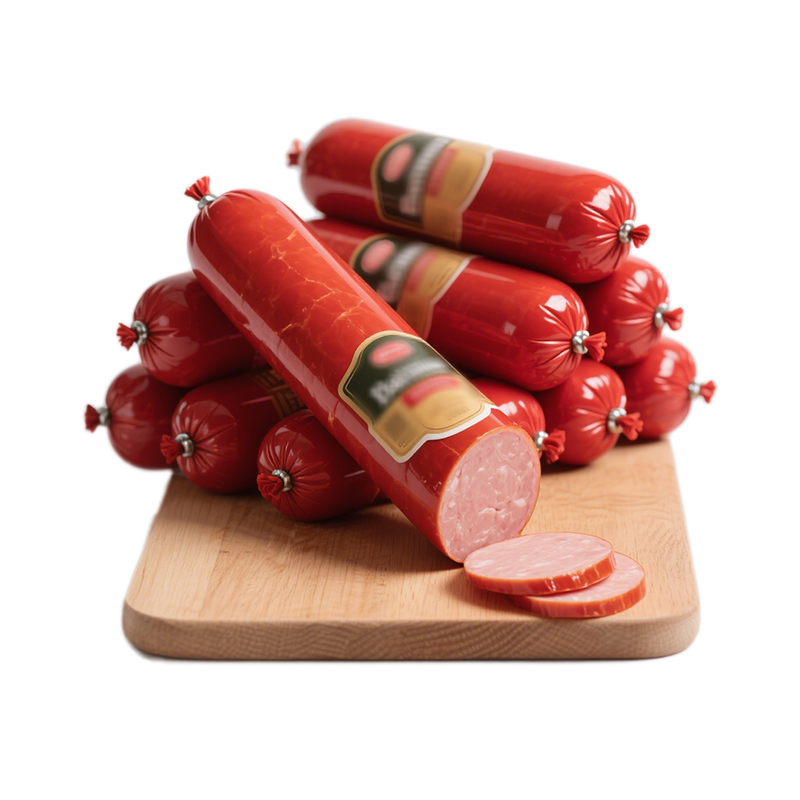
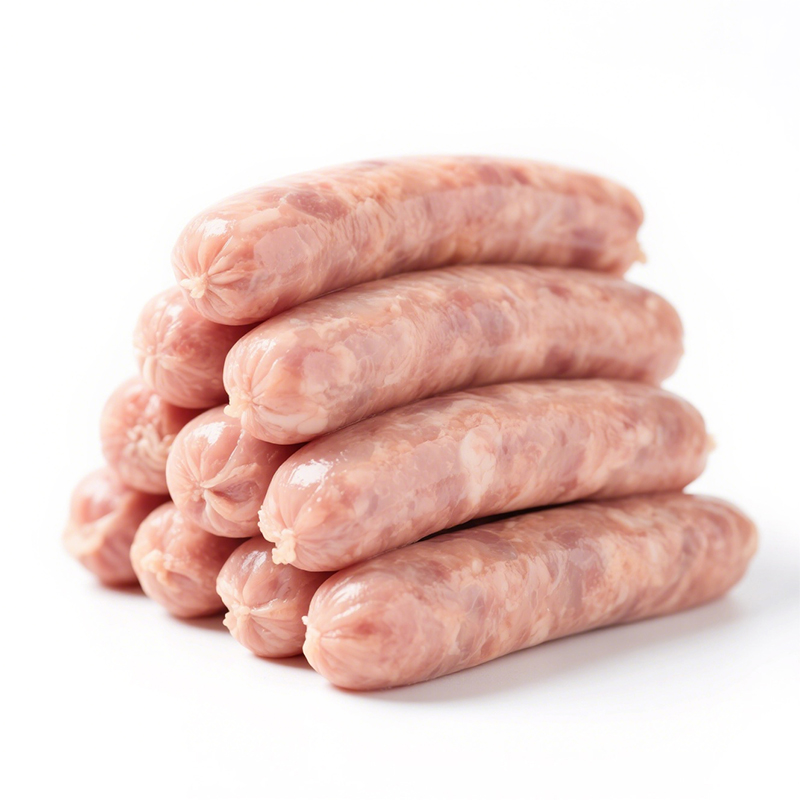


Ever watched sausages being made and wondered how each link stays perfectly uniform? The secret lies in the precision of sausage tying tools—a technology that transforms messy, inconsistent production into seamless efficiency. At Foshan Aokai Machinery Technology Co., Ltd., we've mastered this art, ensuring every tie is tight, hygienic, and cost-effective. In this deep dive, we'll unravel the challenges in sausage production and how advanced tying tools offer a game-changing solution.
Deepening the Pain Points: Where Sausage Production Stumbles
Let's start with the gritty reality. Many producers face inefficiencies that eat into profits and quality. First, manual tying is slow and prone to human error—think uneven links that lead to waste and customer complaints. In a typical European facility, this can cost up to 15% in material losses annually. Second, contamination risks loom large; traditional methods often introduce bacteria, risking recalls that can cripple a brand. Third, scalability suffers: as demand spikes, manual processes buckle, causing delays and lost sales opportunities. These aren't just minor hiccups; they're systemic issues that impact bottom lines and reputations.
Detailing the Solutions: How Technology Steps In
Enter automated sausage tying tools. For the speed issue, our tools use servo motors to achieve ties in under 0.5 seconds per link, boosting output by 200%. To combat contamination, we've integrated stainless steel components and automated cleaning cycles, reducing microbial counts by 99.9%. And for scalability, modular designs allow easy integration into existing lines, supporting outputs from 1,000 to 50,000 sausages per hour. It's not just about tying; it's about transforming chaos into calibrated efficiency.
Client Cases & Testimonials: Real-World Impact
See the difference in action. In Munich, Germany, Schmidt Fleischwerke adopted our tying tools and saw a 30% reduction in waste, with production speed increasing by 25%. "The precision is unmatched," says CEO Hans Schmidt. In Lyon, France, Charcuterie Delacroix reported a 40% drop in labor costs and enhanced product consistency. Owner Marie Delacroix notes, "It's revolutionized our artisanal process." Over in Chicago, USA, Midwest Meats Co. integrated our system, achieving a 99.8% uptime and expanding into new markets. "A reliable partner for growth," praises Operations Manager John Carter.
Applications & Partnerships: Broadening the Reach
These tools aren't limited to sausages; they're used in packaging other linked foods like chorizo and hot dogs. We collaborate with global distributors like FoodTech Solutions Europe and AgriPack Americas, ensuring our technology reaches diverse markets. Our partnerships focus on co-development, tailoring solutions to specific regional needs—from USDA compliance in the U.S. to EU hygiene standards.
FAQ: Questions from Engineers and Procurement Managers
1. What's the maintenance cycle? Our tools require minimal upkeep: lubricate every 500 hours, with full service annually, reducing downtime by 80%.
2. How do they handle different casing materials? Adjustable tension settings accommodate natural, collagen, and synthetic casings, ensuring no breakage.
3. Are they compatible with existing production lines? Yes, with standard PLC interfaces, integration takes under a week, as seen in our case studies.
4. What's the energy consumption? Efficient designs use 1.5 kW per unit, cutting energy costs by 20% versus older models.
5. Can they be customized for high-speed operations? Absolutely; we offer upgrades for speeds up to 60,000 links/hour, tested in pilot programs.
Conclusion & Call to Action: Your Next Step
Perfect sausage tying isn't a mystery—it's a matter of precision engineering. At Foshan Aokai, we blend expertise with innovation to solve real industry pains. Ready to elevate your production? Download our detailed technical whitepaper or contact our sales engineers for a personalized consultation. Let's tie up those loose ends together.