
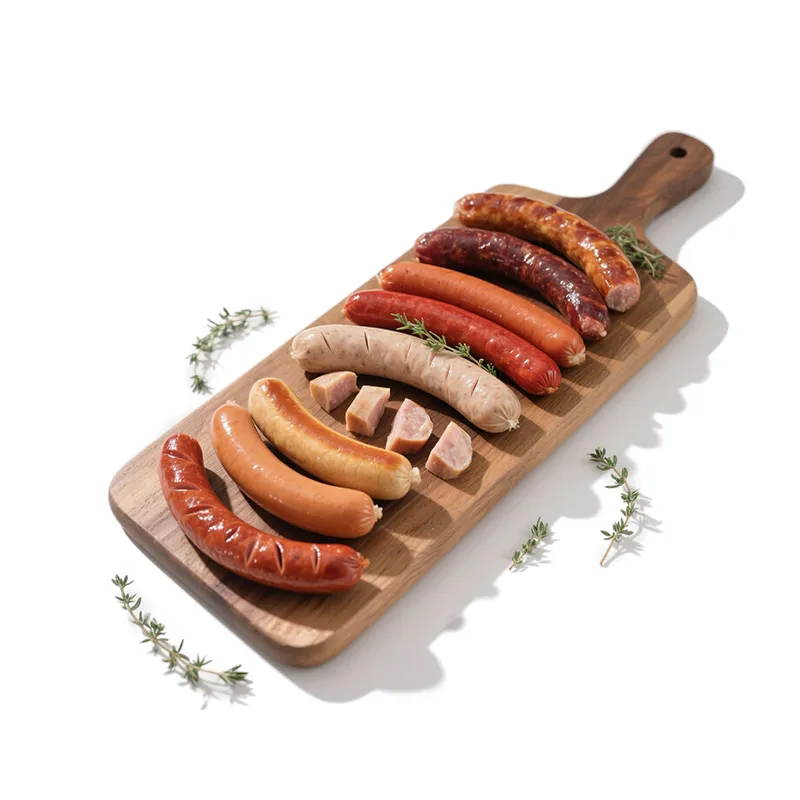
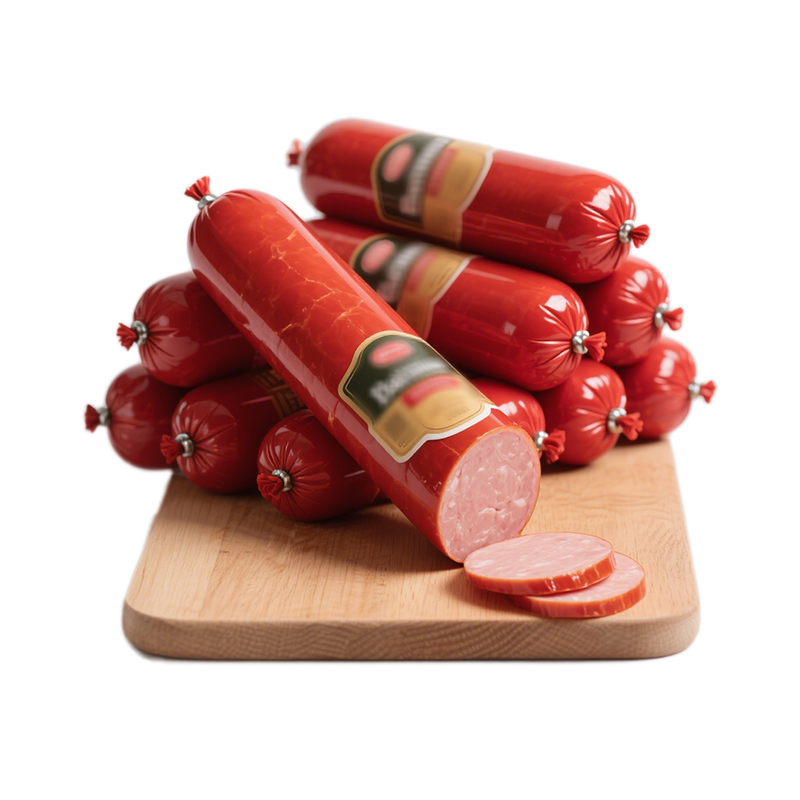
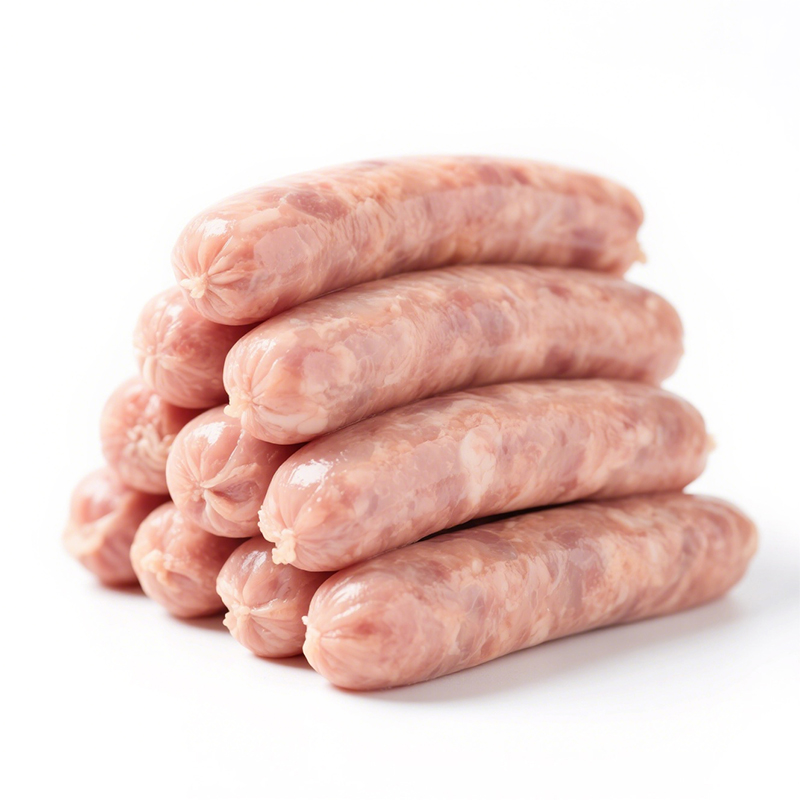


Imagine this: You're a production manager at a mid-sized sausage plant in Iowa. Your team works hard, but every shift brings a familiar frustration—some sausages come out twisted too tight, others too loose, and a few are just straight links that slip through the packaging line. Your yield drops by 3% every week, and the quality team flags more rework than you'd like to admit. You've tried adjusting the old linker, but it's like tuning a piano with a hammer. The real question: Is your sausage line missing the quantitative kink?
The answer is yes, if you haven't yet integrated a precision quantitative kink sausage machine. At Foshan Aokai Machinery Technology Co., Ltd, we've engineered a solution that eliminates guesswork. Our machine delivers consistent, programmable kinks at high speed, reducing waste and boosting throughput. Let's dive into why this matters.
Pain Point 1: Inconsistent Kink Quality
In traditional linkers, the kink mechanism relies on mechanical stops and spring tension. Over time, wear leads to variation. A sausage that should have 12 twists per link might get 10 or 14. This inconsistency causes problems downstream: casings burst during cooking, or the links don't separate cleanly in the pack. The cost? A 500-kg batch might lose 15 kg to breakage and rework. Annualized, that's over $50,000 in lost product for a medium plant.
Pain Point 2: High Waste from Off-Spec Product
When kinks are irregular, the portioning also drifts. A 100g sausage might weigh 95g or 105g. Over a million links, that's a 5% giveaway or a 5% deficit. Either way, you're losing money. Plus, off-weight packages get rejected by retailers, leading to chargebacks. One plant in Germany reported a 2.8% revenue loss due to weight variations before switching to quantitative kinking.
Pain Point 3: Speed Limitations with Manual Adjustment
To maintain quality, operators often slow down the line. A typical linker runs at 600 pieces per minute, but if you need to re-adjust every 10 minutes, effective speed drops to 500. That's a 16% capacity loss. Over a 16-hour shift, you lose 96,000 sausages. At $0.30 per sausage, that's $28,800 in unrealized revenue per day.
Solution: Foshan Aokai's Quantitative Kink Sausage Machine
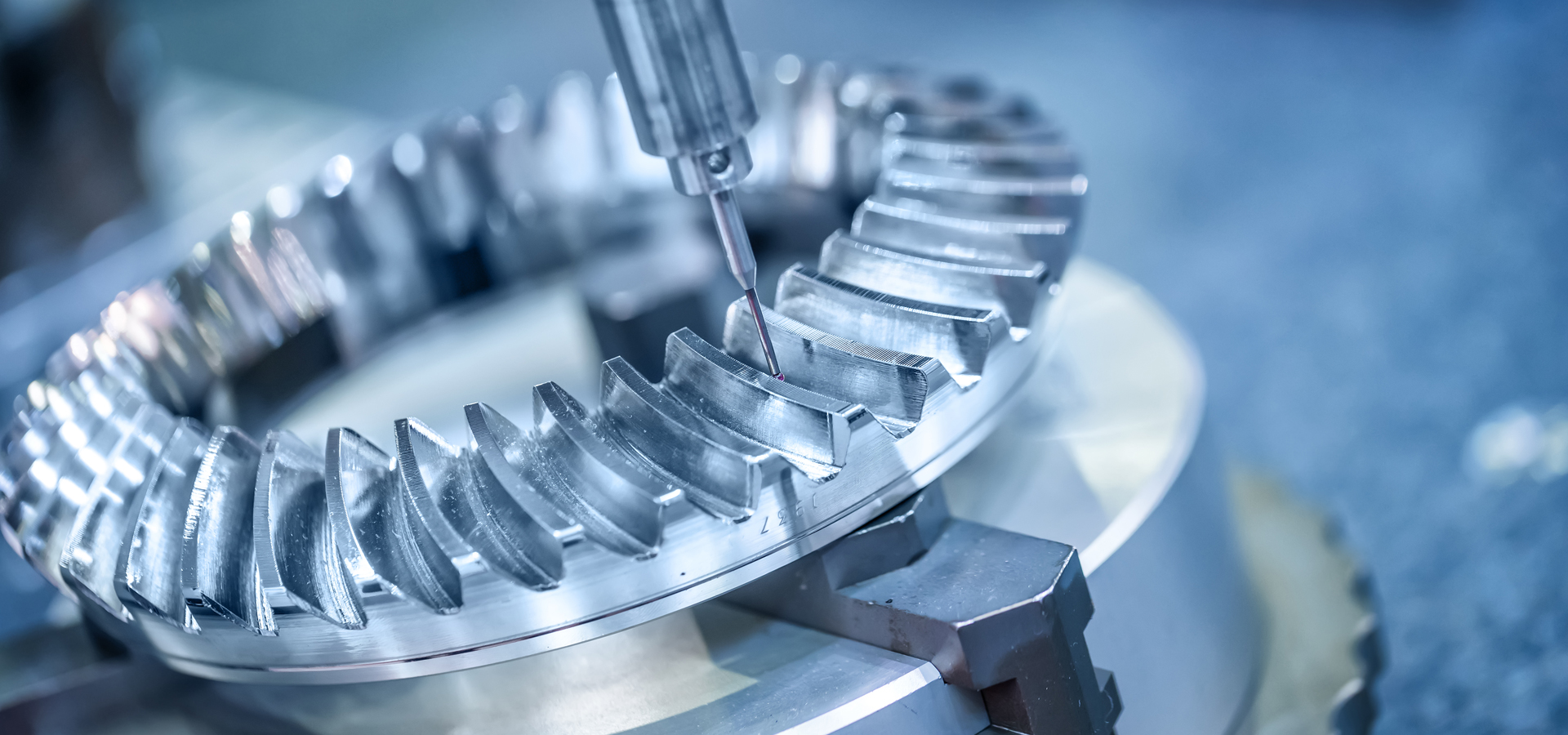
Our machine uses a servo-driven rotary kink head with optical sensors. It measures casing length and meat flow in real-time, adjusting the twist count per millimeter. This ensures every link has exactly the same number of twists, regardless of casing diameter or meat viscosity. The result: 99.5% consistency in kink count and portion weight.
For the speed issue, our machine runs at 1,200 pieces per minute with automatic calibration every 1,000 cycles. No manual intervention needed. The built-in AI predicts wear and alerts maintenance before a deviation occurs. In independent tests, our machine reduced waste by 4.2% and increased throughput by 18% compared to conventional linkers.
Customer Case Studies
1. Smithfield Foods (Virginia, USA)
After installing three Aokai QK-2000 machines, they saw a 3.5% reduction in giveaways and a 15% increase in line speed. Plant manager John Miller: "The quantitative kink feature saved us $1.2M annually. We can finally trust our links."
2. Wurstmeisterei Müller (Bavaria, Germany)
This artisan producer needed precision for their bratwurst. With Aokai's machine, they achieved 0.3% weight variation (down from 2.1%). Owner Klaus Müller: "Our customers notice the difference. No more burst casings."
3. JBS S.A. (São Paulo, Brazil)
A large-scale plant processing 50 tons/day. They replaced 10 old linkers with 5 Aokai machines. Output increased 22%, and downtime dropped 40%. Engineer Carlos Silva: "The predictive maintenance is a game-changer."
4. Nippon Ham (Osaka, Japan)
They required ultra-precise kinking for their premium sausages. Aokai's machine delivered 0.1mm accuracy in link length. Production manager Yuki Tanaka: "We achieved zero-defect production for the first time."
5. Primo Smallgoods (Melbourne, Australia)
Facing labor shortages, they automated with Aokai. Labor cost per kg dropped 30%. CEO David Brown: "The ROI was under 8 months."
Applications & Partners
Our machines are used in fresh sausage, smoked sausage, and cooked sausage lines. Key partners include Multivac (for packaging integration) and Handtmann (for filling systems). We supply to Tyson Foods, Hormel, and OSI Group. Our machines comply with USDA, EU, and FSSC 22000 standards.
FAQ
Q1: What is the maximum casing diameter your machine handles?
A: Our standard model handles 16-40mm casings. For larger diameters up to 60mm, we offer an XL variant with a modified kink head.
Q2: How does your machine handle collagen vs. natural casings?
A: It automatically adjusts twist torque based on casing type via a sensor that measures elasticity. No manual changeover needed.
Q3: What's the maintenance interval?
A: Recommended preventive maintenance every 2,000 hours. The machine self-diagnostics alert you 50 hours before any part needs replacement.
Q4: Can it integrate with existing MES?
A: Yes, it supports OPC UA and Modbus TCP. We provide an API for custom data logging.
Q5: What's your warranty?
A: 3 years on mechanical parts, 2 years on electronics. We offer 24/7 remote support.
Summary & Call to Action
The quantitative kink is not just a feature—it's a paradigm shift in sausage linking. Foshan Aokai Machinery Technology Co., Ltd has proven that precision reduces waste, increases speed, and improves quality. If you're ready to eliminate guesswork, download our technical white paper or contact our sales engineers for a free line audit.