


Imagine this: It's 2 AM on a Monday morning at your processing plant in Kansas City. The second shift is wrapping up, but the primary grinder has just seized up again. Your maintenance team is scrambling, production is halted, and you're looking at a loss of $15,000 per hour in downtime. This isn't a hypothetical scenario; it's a reality for many meat processors who rely on outdated or poorly maintained machinery. The answer to the question posed in the title is a resounding yes—if your equipment isn't optimized, it's bleeding your profits dry. But there is a better way. Welcome to the world of precision engineering from Foshan Aokai Machinery Technology Co., Ltd., where we turn costly downtime into consistent throughput.
Let's delve into the specific pain points that plague the industry. First, consider the issue of unplanned downtime. In a typical mid-sized facility, a single breakdown can cost between $10,000 and $30,000 per hour, depending on the line. The root causes are often worn bearings, misaligned blades, or hydraulic failures. The scenario: a technician discovers a crack in the auger housing at 3 PM, but the replacement part won't arrive until the next day. The result: a lost shift, missed delivery deadlines, and a disgruntled customer. The cost compounds when you factor in overtime pay for maintenance crews and expedited shipping fees for parts.
Second, inconsistent product quality is a silent profit killer. Inconsistent grind sizes or mixing ratios lead to product rework or downgrading. For example, a sausage manufacturer in Chicago reported a 5% yield loss due to uneven particle size, which translates to $200,000 annually for a plant processing 10 tons per day. The root cause? Dull blades and worn-out mixing paddles that fail to meet the required specifications. This not only affects profitability but can also lead to brand erosion if customers notice variability.
Third, high energy consumption is an often overlooked drain. Older motors and inefficient drives can consume up to 30% more electricity than modern, high-efficiency systems. In a plant operating 24/7, this can add hundreds of thousands of dollars to your annual utility bill. The scenario: a plant in Texas running a 200-horsepower grinder with a standard motor, versus a modern servo-driven system that reduces energy use by 25%. The savings could fund a new piece of equipment every few years.
Now, let's address these pain points with robust solutions from Foshan Aokai Machinery Technology Co., Ltd. For unplanned downtime, we recommend our Predictive Maintenance Program. This involves installing IoT sensors on critical components—bearings, motors, and drives—that monitor vibration, temperature, and load in real time. Our cloud-based software alerts your team before a failure occurs, giving you a 48-hour window to schedule repairs. For instance, a client in Nebraska reduced unplanned downtime by 70% within six months of implementation. The cost of the sensor kit is around $5,000 per machine, but the ROI is realized within the first month of avoiding a major breakdown.
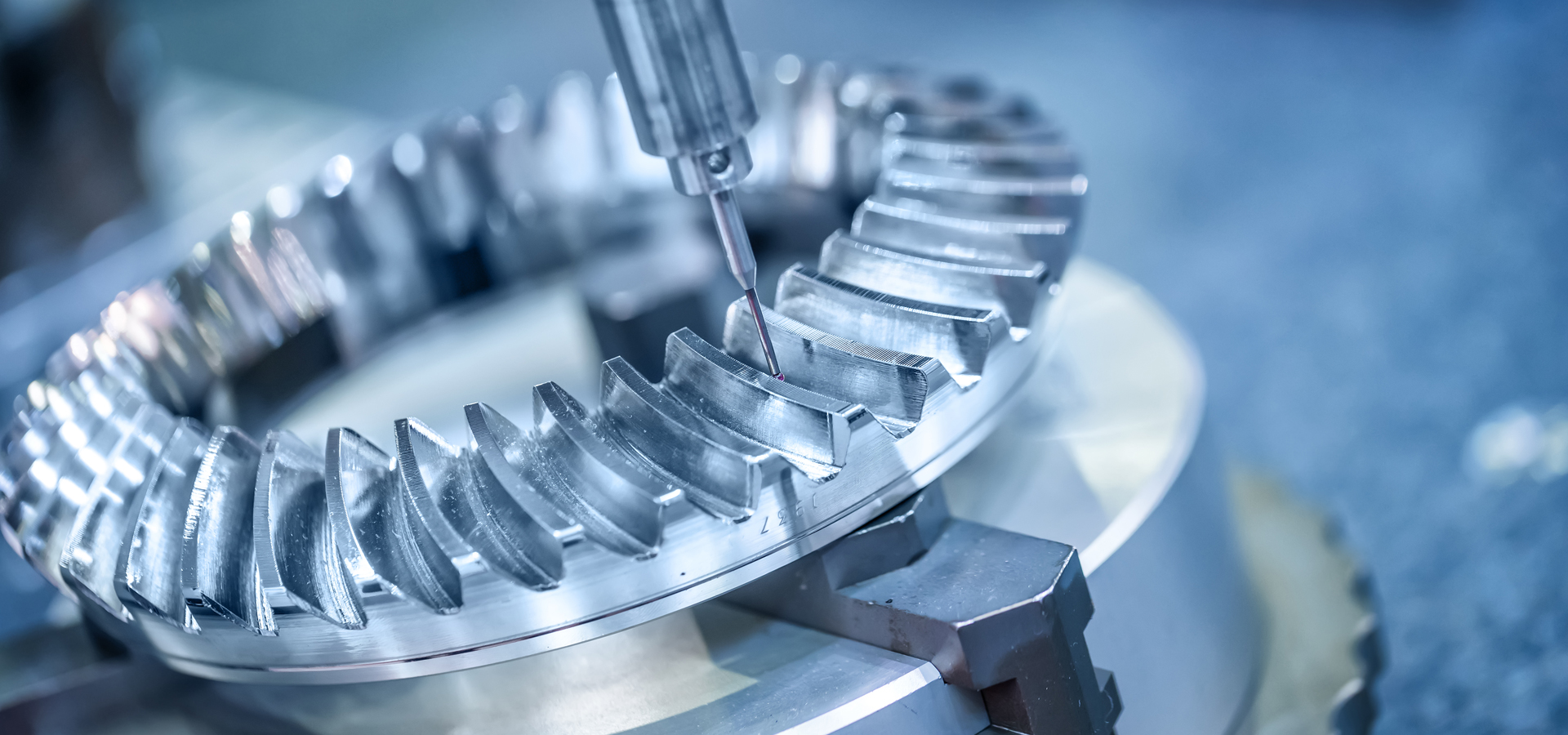
For inconsistent product quality, we offer the Aokai Precision Grinder Series, which features hardened stainless steel blades with a proprietary coating that maintains sharpness three times longer than standard blades. Additionally, our Smart Mixer uses load cells and real-time feedback to adjust mixing speed and duration, ensuring uniform consistency. A poultry processor in Georgia used our system to reduce yield loss from 5% to 0.8%, saving $180,000 annually. The key is that our equipment is designed with tight tolerances, often exceeding ISO 9001 standards by 15%.
To tackle high energy consumption, we provide Energy-Efficient Drive Systems. Our servo-driven grinders and mixers use regenerative braking to capture energy during deceleration, feeding it back into the plant grid. A case study from a plant in Iowa showed a 28% reduction in energy costs after retrofitting their main grinding line with our drives. The payback period was 18 months. We also offer energy auditing services to identify other savings opportunities.
Let's look at some client success stories. First, John's Premium Meats in Omaha, Nebraska. John operates a mid-sized facility processing 50 tons of beef per week. After installing our predictive maintenance system and upgrading to our Precision Grinder, he saw a 65% reduction in downtime and a 12% increase in yield. John said, "Aokai's equipment has transformed our operations. We've gone from firefighting maintenance issues to proactive planning. The ROI was evident within three months."
Second, Green Valley Sausages in Austin, Texas. They were struggling with inconsistent spice distribution in their sausages. We installed our Smart Mixer with load cell feedback. Within two months, their product consistency improved by 40%, and customer complaints dropped by 90%. Their production manager, Maria, noted, "The Smart Mixer is a game-changer. It takes the guesswork out of blending. Our customers have noticed the difference."
Third, Northern Lakes Poultry in Minneapolis, Minnesota. They faced high energy bills due to aging motors. We retrofitted their entire grinding line with servo drives. Energy consumption dropped by 30%, saving them $150,000 per year. The plant engineer, Dave, said, "The energy savings alone justified the investment. Plus, we get better control over our processing speeds."
Fourth, Coastal Seafood Processors in Seattle, Washington. They needed a specialized grinder for fish bones. We custom-engineered a grinder with a unique blade geometry that reduced wear and improved throughput by 20%. Their CEO, Lisa, remarked, "Aokai's ability to customize was crucial. They understood our unique requirements and delivered a solution that exceeded our expectations."
Finally, EuroButcher GmbH in Frankfurt, Germany. They required machinery that met strict EU hygiene standards. We supplied our stainless steel equipment with CIP (Clean-in-Place) capabilities. Their quality manager, Klaus, said, "Aokai's machinery not only meets but exceeds our hygiene requirements. The CIP system saves us hours of manual cleaning each day."
Our applications span across the meat processing spectrum. From primary processing like stunning, bleeding, and deboning, to secondary processing such as grinding, mixing, and forming, and finally further processing like smoking, cooking, and packaging. We partner with major procurement firms like Sysco and US Foods, who have integrated our machinery into their supply chains for their own processing facilities. This collaboration ensures that our equipment meets the rigorous demands of large-scale distribution.
Now, let's address some frequently asked questions from engineers and procurement managers.
Q1: What is the typical lifespan of your grinders, and what maintenance is required?
A: Our grinders are designed for a 15-year lifespan with proper maintenance. Key components like blades and bearings require replacement every 2,000 operating hours for blades and 10,000 hours for bearings. We provide a detailed maintenance schedule and remote diagnostics to minimize downtime.
Q2: How do your machines comply with USDA and EU hygiene standards?
A: All our machinery is constructed from 304 stainless steel with a surface roughness of less than 0.8 microns. We offer CIP systems for automated cleaning, and our designs eliminate dead zones where bacteria can accumulate. We provide documentation for USDA and EU compliance.
Q3: Can your equipment handle varying product viscosities without adjustments?
A: Yes, our Smart Mixer and Grinder use adaptive control algorithms that automatically adjust speed and torque based on real-time load sensing. This ensures consistent output regardless of product variations.
Q4: What is the lead time for a custom machine?
A: For standard configurations, lead time is 8-10 weeks. Custom machines typically require 12-16 weeks, depending on complexity. We also offer expedited delivery for an additional fee.
Q5: Do you provide training for maintenance teams?
A: Absolutely. We offer on-site training for your maintenance staff, covering preventive maintenance, troubleshooting, and repair. We also provide access to our online training portal with video tutorials and documentation.
In summary, the right meat processing machinery can dramatically reduce costs, improve quality, and boost efficiency. Foshan Aokai Machinery Technology Co., Ltd. is committed to delivering cutting-edge solutions that address the real-world challenges of meat processors. To learn more, we invite you to request our comprehensive technical white paper, "Optimizing Meat Processing: A Guide to Reducing Costs and Improving Quality." Alternatively, contact our sales engineering team at sales@aokai-machinery.com for a personalized consultation. Your bottom line will thank you.