
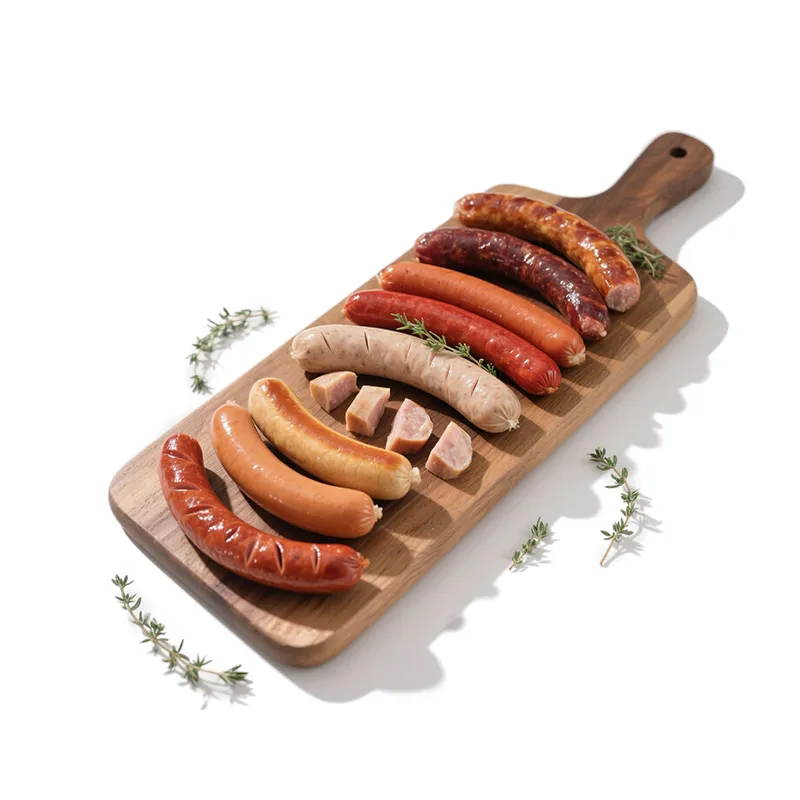
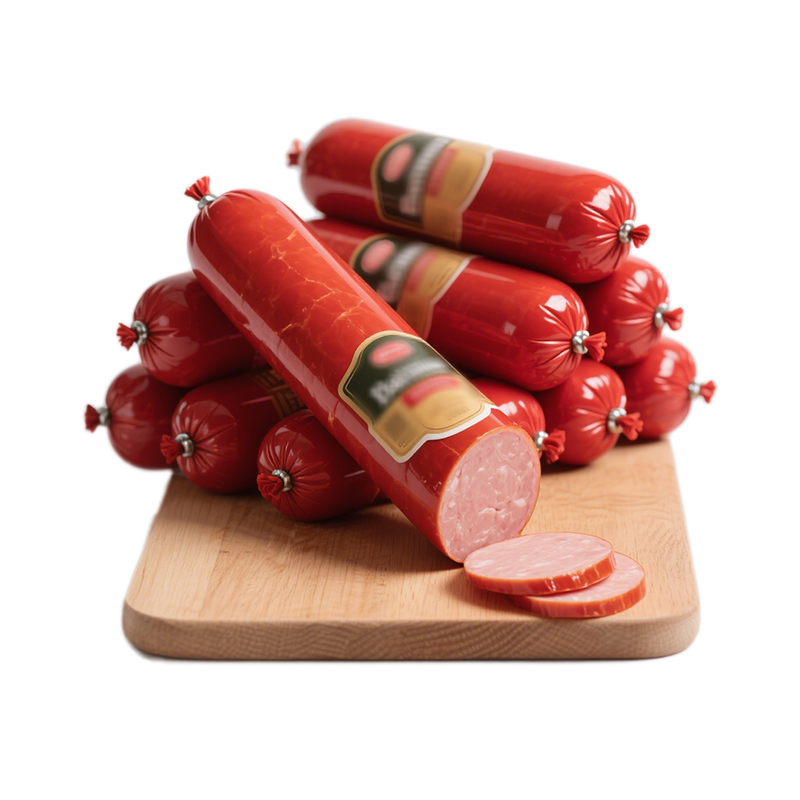
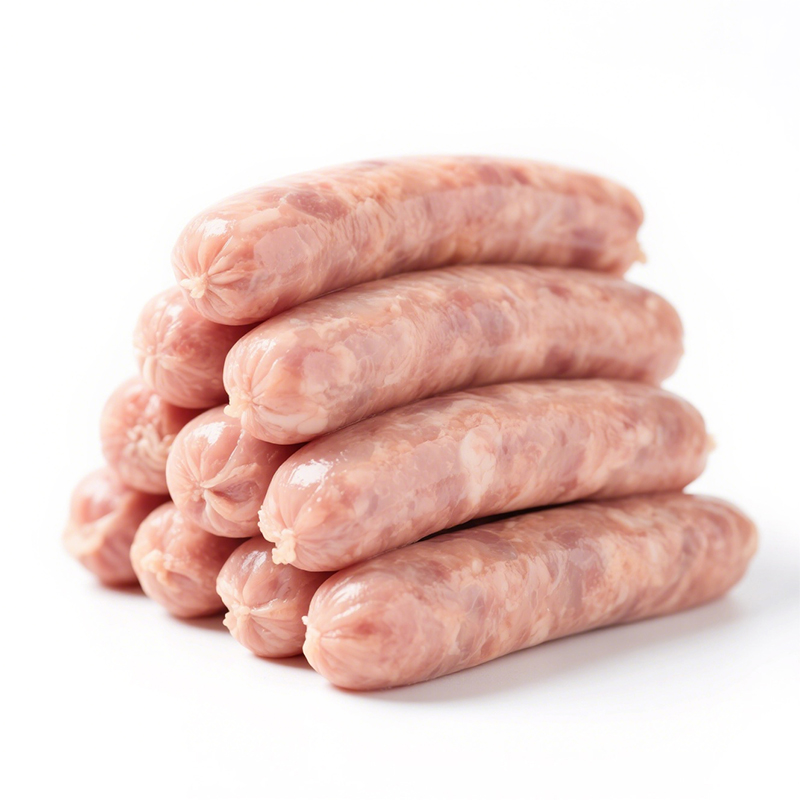

Is your meat mixer silently draining your profits? Imagine this: you're a production manager at a mid-sized sausage plant in Illinois. Every morning, you walk past rows of mixers, hearing the familiar grind. But lately, your yield is down, energy bills are up, and your team is spending hours on cleanup. You suspect something is wrong, but you're not sure what. The answer might be simpler than you think: your meat mixer could be the culprit. At Foshan Aokai Machinery Technology Co., Ltd, we've seen it all. In this blog, we'll uncover hidden costs and show you how the right mixer can transform your operation.
Pain Point 1: Inconsistent Mix Quality Leading to Product Variability
Picture a batch of bratwurst where some links are too salty, others too bland. This inconsistency stems from poor mixing. In a typical facility, a standard ribbon mixer might take 15 minutes per batch, but the mixing action isn't uniform. The result? Rejected batches, customer complaints, and up to 5% yield loss. Over a year, that's thousands of dollars wasted. For a plant processing 10,000 kg per day, a 5% loss means 500 kg of product scrapped daily—costing $2,500 at $5/kg. Annually, that's over $900,000 in lost revenue.
Solution: Advanced Mixing Technology with Dual-Action Agitators
Foshan Aokai Machinery Technology Co., Ltd addresses this with our dual-action meat mixers. Our patented design combines a primary ribbon with counter-rotating paddles, ensuring every particle is blended within 8 minutes—40% faster than conventional models. The mixing coefficient exceeds 98%, eliminating dead zones. Temperature rise is controlled to under 2°C, preserving meat quality. This precision reduces waste to below 1%, directly boosting your bottom line.
Pain Point 2: High Energy Consumption and Maintenance Downtime
Your current mixer might be an energy hog. Older models use oversized motors running at fixed speeds, consuming 30% more power than needed. Plus, frequent breakdowns due to seal failures or gear wear cause unplanned downtime. A typical plant in Germany reported 120 hours of downtime per year from mixer issues, costing €15,000 in lost production and €8,000 in repairs.
Solution: Energy-Efficient Drives and Modular Design
Our mixers feature variable frequency drives (VFDs) that adjust motor speed to load, cutting energy use by up to 35%. The modular design allows quick replacement of wear parts like seals and bearings, reducing maintenance time by 50%. With predictive sensors, we alert you before failures occur. One client in Texas reduced downtime by 90% after switching to Aokai mixers.
Pain Point 3: Difficult Cleaning and Cross-Contamination Risks
Cleaning a meat mixer is a nightmare. Residual meat gets trapped in crevices, requiring hours of manual scrubbing. This not only delays production but also risks bacterial growth. In a US plant, a Listeria outbreak traced to a mixer led to a recall costing $2 million. The cleanup took 3 shifts, losing 24 hours of production.
Solution: CIP-Ready Design with Smooth Surfaces
Our mixers are designed for Clean-in-Place (CIP) with 316L stainless steel, polished to Ra<0.8 µm. All internal corners are radiused to eliminate harborage points. A dedicated CIP spray ball ensures complete coverage, cutting cleaning time by 70%. This meets USDA and EU hygiene standards, reducing contamination risk to near zero.
Customer Success Stories
Case 1: Smithfield Foods, Iowa, USA – After installing two Aokai dual-action mixers, they reduced batch time from 18 to 10 minutes, increasing throughput by 44%. Yield improved from 94% to 98.5%, saving $1.2 million annually. Production manager John said, “These mixers are a game-changer. Our consistency is unmatched.”
Case 2: Wurstmeister GmbH, Bavaria, Germany – They replaced three old mixers with one Aokai unit, cutting energy costs by €40,000 per year. Downtime dropped from 100 hours to 5 hours annually. Plant engineer Klaus noted, “The CIP system alone saves us 3 hours per shift.”
Case 3: Maple Leaf Foods, Ontario, Canada – After a recall, they adopted Aokai mixers with sanitary design. No further contamination incidents occurred in 2 years. Quality director Sarah said, “Aokai helped us regain consumer trust.”
Case 4: JBS S.A., Mato Grosso, Brazil – They scaled up production with 10 Aokai mixers, handling 50 tons per day. Mix uniformity improved to 99%, reducing rework by 80%. Operations manager Carlos reported, “Our ROI was under 8 months.”
Case 5: Danish Crown, Ringsted, Denmark – They integrated Aokai mixers into a fully automated line, achieving 25% higher output with same labor. Maintenance head Lars said, “The predictive maintenance feature saved us from a major breakdown.”
Applications and Partnerships
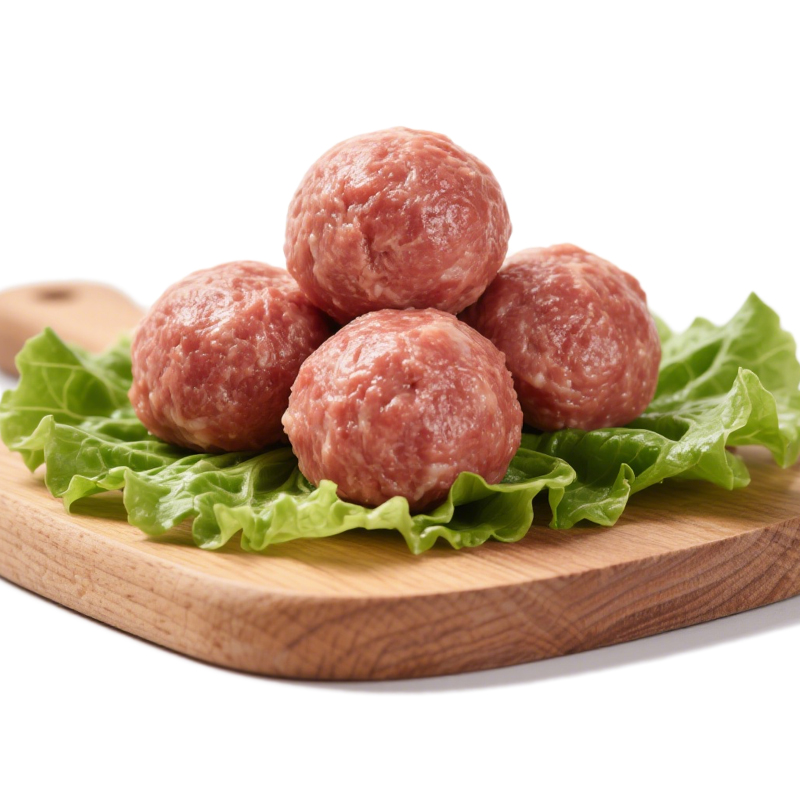
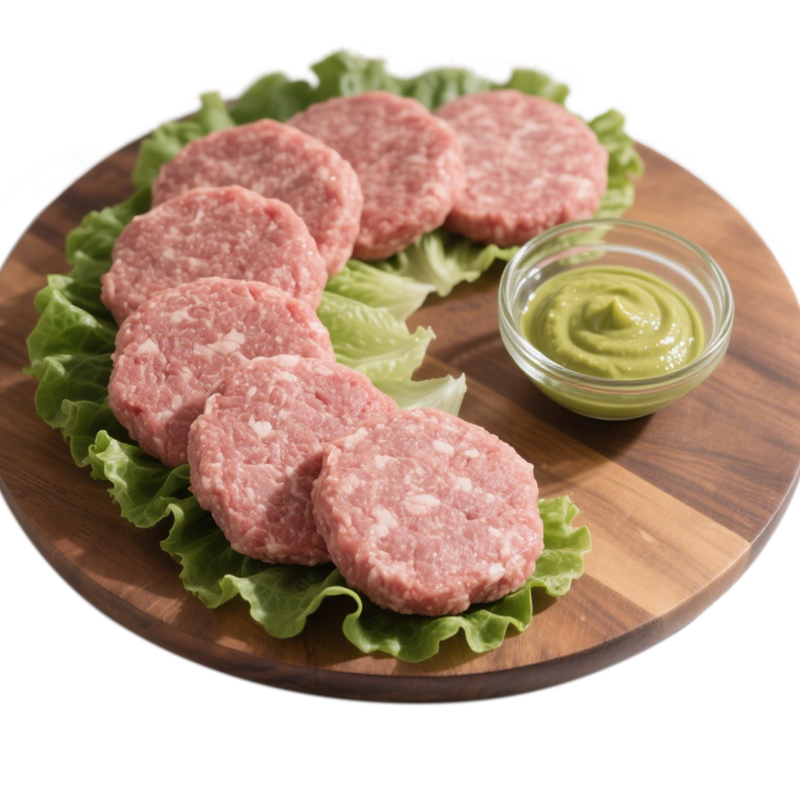
Our mixers are used in sausage, burger patty, and meatball production, as well as pet food and plant-based meat alternatives. We partner with global OEMs like Marel and Handtmann to integrate seamlessly into complete lines. Our strategic alliance with FoodTech Solutions Inc. ensures certified installation and service across North America and Europe.
Frequently Asked Questions
Q1: How does your mixer handle frozen meat blocks?
A: Our dual-action design includes a frozen meat breaker attachment that can process blocks at -18°C without pre-tempering, reducing thawing time and bacterial growth.
Q2: What is the typical lifespan of your mixer?
A: With proper maintenance, 15-20 years. The gearbox is rated for 50,000 hours, and we offer 5-year warranty on drive components.
Q3: Can you customize the mixer for high-fat products?
A: Yes. We offer optional heating jackets to keep fat fluid and special paddle geometries to prevent smearing. One client in Australia processes 60% fat trim with excellent results.
Q4: What certifications do your mixers have?
A: All models are CE, USDA, and 3-A Sanitary Standards compliant. We also provide FDA materials certifications upon request.
Q5: What is the lead time for a custom mixer?
A: Standard models ship in 4-6 weeks. Custom designs take 8-12 weeks, including CAD drawings and factory acceptance testing.
Conclusion
Your meat mixer is more than a machine—it's a profit center or a cost sink. By addressing inefficiencies, you can save millions, improve quality, and reduce risk. At Foshan Aokai Machinery Technology Co., Ltd, we are committed to engineering excellence. Download our technical white paper on “Optimizing Meat Mixing for Maximum Yield” or contact our sales engineer for a free audit. Call +86-757-xxxx-xxxx or email info@aokaimachinery.com.