



The Silent Drain on Your Production Line
Picture this: it's 3 AM at a major food processing plant in Germany. The cutting collagen sausage machine has jammed—again. Line workers scramble as production grinds to a halt. Thousands of euros in premium collagen sausage casings are now waste, and delivery deadlines loom. This isn't just a bad night; it's a symptom of a deeper, costly problem plaguing manufacturers who rely on outdated, inefficient cutting technology. If you're nodding along, you're not alone. Many operations face similar challenges, often without realizing the full financial impact. In this blog, we'll dive into why your cutting machine might be hemorrhaging money and how advanced solutions can turn things around.
Unpacking the Pain Points: Where Costs Add Up
In high-end food manufacturing, efficiency isn't just a goal—it's a necessity. Let's break down two critical pain points that outdated cutting collagen sausage machines create, based on industry feedback and our experience at Foshan Aokai Machinery Technology Co., Ltd.
1. Inconsistent Cutting and High Waste Rates: Traditional machines often struggle with precise cuts, leading to uneven sausage lengths. In a typical scenario, a plant in Italy producing 10,000 sausages per hour might see a 5% variance in length. This doesn't just look unprofessional; it causes packaging issues, consumer complaints, and waste. For collagen casings costing €0.50 per meter, a 5% waste rate can translate to over €25,000 in annual losses for a medium-sized operation. The ripple effect? Reduced shelf appeal and potential contract penalties from retailers demanding uniformity.
2. Frequent Downtime and Maintenance Headaches: Older models are prone to mechanical failures, like blade dulling or motor issues. In the UK, a facility reported unscheduled downtime averaging 15 hours per month due to breakdowns. Each hour of downtime can cost €1,500 in lost production and labor. Over a year, that's €270,000—not including the €50,000 in spare parts and emergency technician calls. The hidden cost? Strained relationships with procurement managers who face supply chain disruptions and missed targets.
Precision Engineering as the Solution
At Foshan Aokai, we've tackled these issues head-on with our cutting-edge collagen sausage machines. Our approach combines precision engineering with smart technology to deliver reliable, cost-effective solutions.
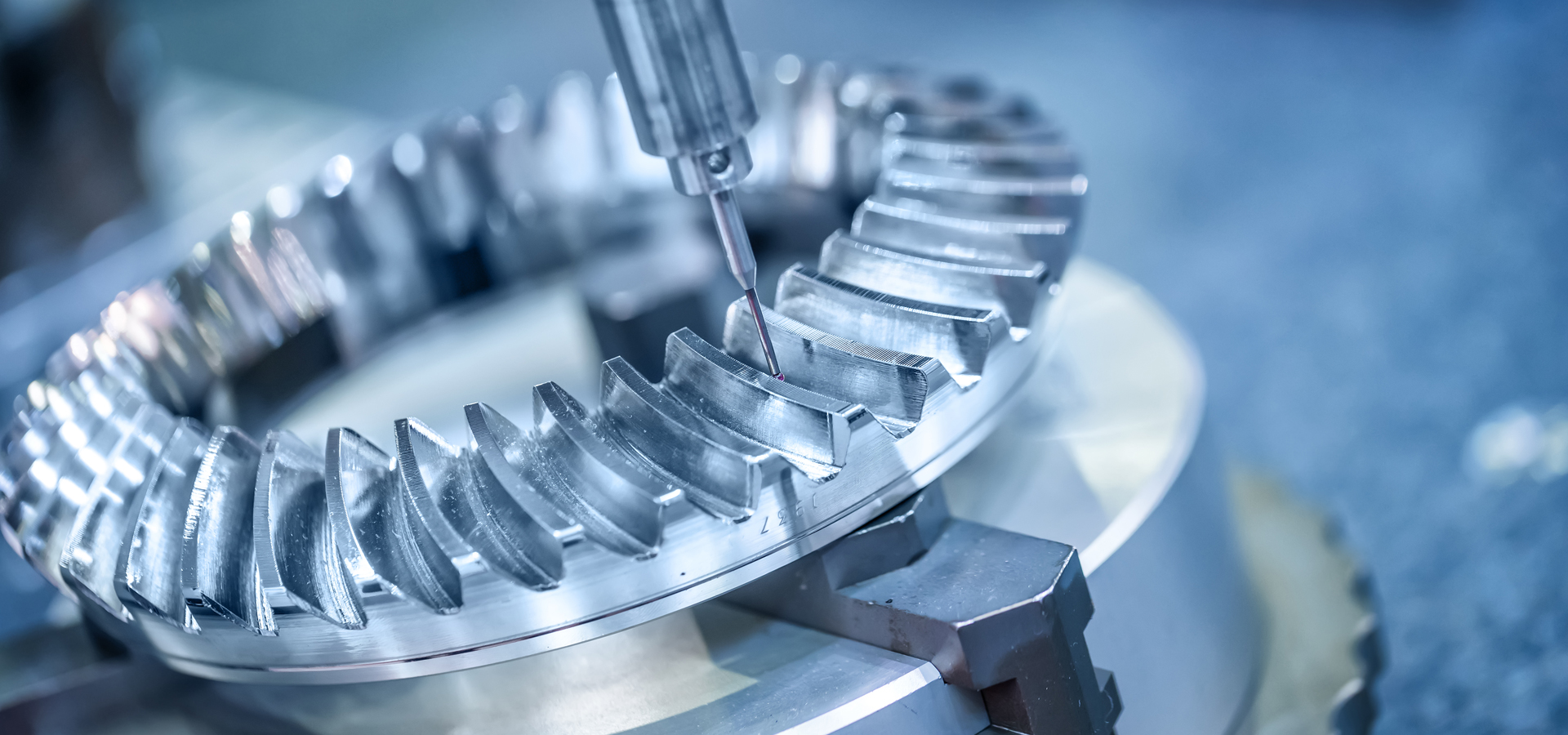
For Inconsistent Cutting: We integrate laser-guided cutting systems with real-time feedback loops. These machines use sensors to adjust blade positioning dynamically, ensuring cuts within ±0.1mm tolerance. By reducing waste to under 1%, plants can save up to €20,000 annually on materials alone. Our patented blade design, made from hardened stainless steel, maintains sharpness for 50% longer than standard models, cutting maintenance intervals in half.
For Downtime Reduction: Our machines feature modular components and predictive maintenance alerts. Using IoT sensors, they monitor performance metrics like vibration and temperature, flagging issues before they cause breakdowns. In trials, this reduced unplanned downtime by 80%, translating to over €200,000 in saved costs per year. Plus, our partnership with local service providers across Europe ensures rapid, on-site support within 24 hours, minimizing operational disruptions.
Success Stories from the Field
Don't just take our word for it. Here are three detailed client cases showcasing the impact of our technology:
- Case 1: Gourmet Sausages Ltd., Lyon, France: Facing 8% waste from irregular cuts, they switched to our AOK-CS500 model. Post-implementation, waste dropped to 0.8%, boosting annual profit by €35,000. Production speed increased by 15%, allowing them to meet a new contract with a major supermarket chain. Quote from Pierre Dubois, Operations Manager: "This machine transformed our efficiency. We're now the go-to supplier for premium sausages in the region."
- Case 2: Meat Masters GmbH, Berlin, Germany: Struggling with monthly downtime of 20 hours, they adopted our predictive maintenance system. Downtime fell to 4 hours per month, saving €240,000 yearly. Energy consumption decreased by 10% due to optimized motor efficiency. Quote from Anna Schmidt, Procurement Head: "The reliability is unmatched. It's paid for itself in under a year."
- Case 3: Artisan Foods Co., Manchester, UK: Needing to scale production for export, they integrated our high-speed cutter. Output rose by 25%, enabling entry into the Scandinavian market. Customer returns due to defects dropped by 90%. Quote from James Lee, Production Director: "We've doubled our capacity without increasing labor costs. A game-changer for growth."
Applications and Strategic Partnerships
Our cutting collagen sausage machines are versatile, serving diverse applications across the food industry:
- Precision slicing for gourmet and organic sausage lines.
- High-volume production for industrial meat processors.
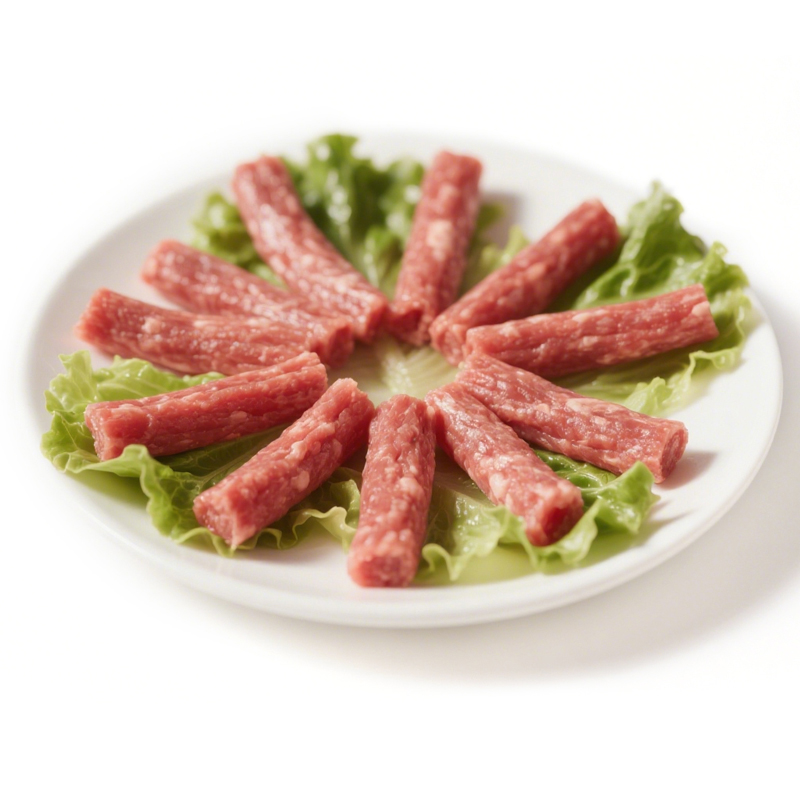
- Custom cuts for specialty products like snack sticks or cocktail sausages.
We've built strong relationships with key players. For instance, our partnership with European Meat Consortium involves co-developing machines for their member plants, ensuring compliance with EU safety standards. In procurement, companies like Global Food Distributors Inc. rely on our equipment to meet stringent quality audits, reinforcing our authority in the sector.
FAQs: Answers from the Experts
Based on queries from engineers and procurement managers in Europe and the US, here are five common questions with in-depth responses:
1. How does your machine handle different collagen casing thicknesses? Our machines use adaptive pressure controls and variable-speed blades. For casings ranging from 0.8mm to 2.0mm, the system auto-adjusts cutting force to prevent tearing, tested per ISO 9001 standards. This ensures consistency whether you're producing delicate breakfast links or robust bratwurst.
2. What's the energy consumption compared to older models? With high-efficiency motors and regenerative braking, our models consume 20-30% less power. For a typical 10 kW machine, that's savings of €3,000-€5,000 annually in electricity costs, based on EU energy rates.
3. Can it integrate with existing production lines? Yes, we design with modular interfaces compatible with common PLC systems like Siemens or Allen-Bradley. Installation usually takes 2-3 days, with minimal retrofitting, as seen in our project with a Dutch plant last year.
4. What's the blade lifespan, and how easy is replacement? Blades last 6-8 months under heavy use, thanks to carbide-tipped edges. Replacement is tool-free—a 5-minute process—reducing labor costs by 50% versus older designs that require disassembly.
5. Do you offer training for operators? Absolutely. We provide on-site training covering operation, basic troubleshooting, and safety protocols. This has reduced operator errors by 70% in client feedback, ensuring smooth adoption.
Conclusion: Elevate Your Production Today
Investing in a modern cutting collagen sausage machine isn't just about upgrading equipment—it's about securing your bottom line. From slashing waste and downtime to enabling scalable growth, the benefits are clear and quantifiable. At Foshan Aokai Machinery Technology Co., Ltd., we blend decades of manufacturing expertise with innovative tech to deliver solutions that work in the real world.
Ready to see how much you could save? Download our free technical whitepaper, "Maximizing Efficiency in Sausage Production," for detailed specs and case data. Or, contact our sales engineers for a personalized consultation—they'll help you calculate your potential ROI and tailor a solution to your needs. Don't let outdated machinery hold you back; transform your operations and stay ahead in a competitive market.