
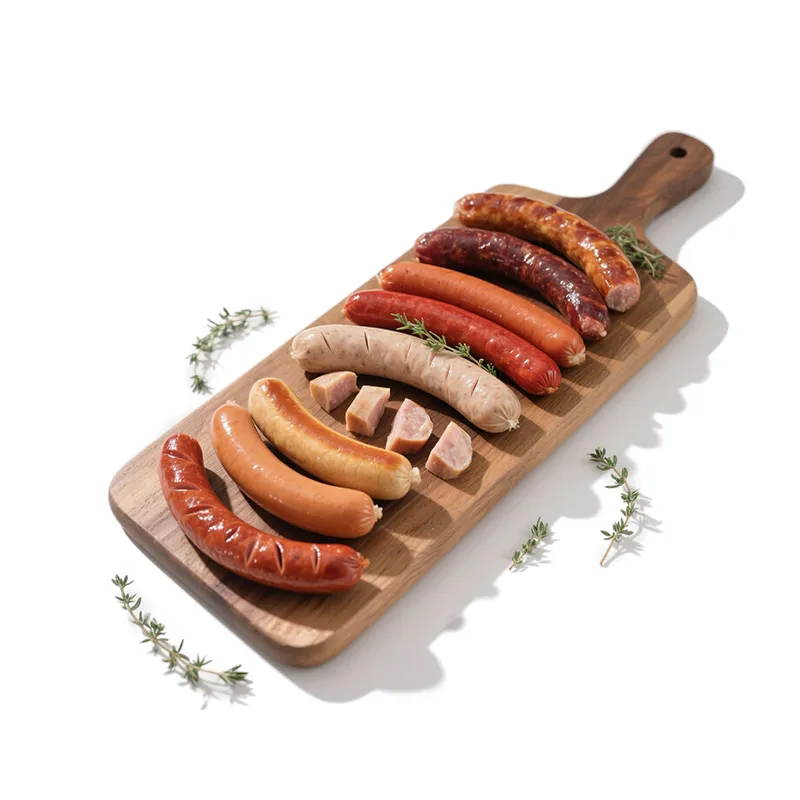
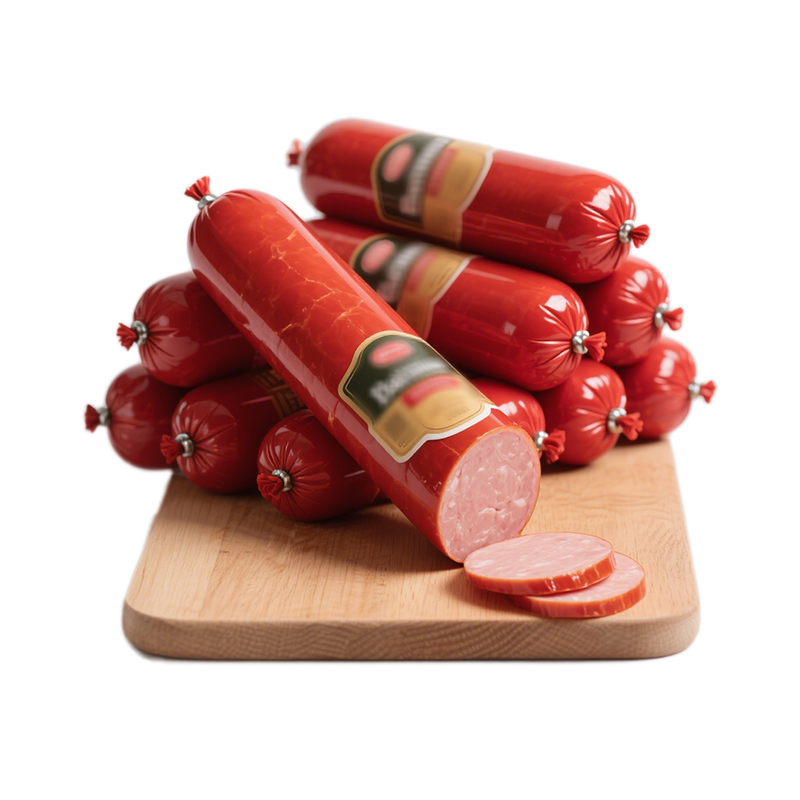
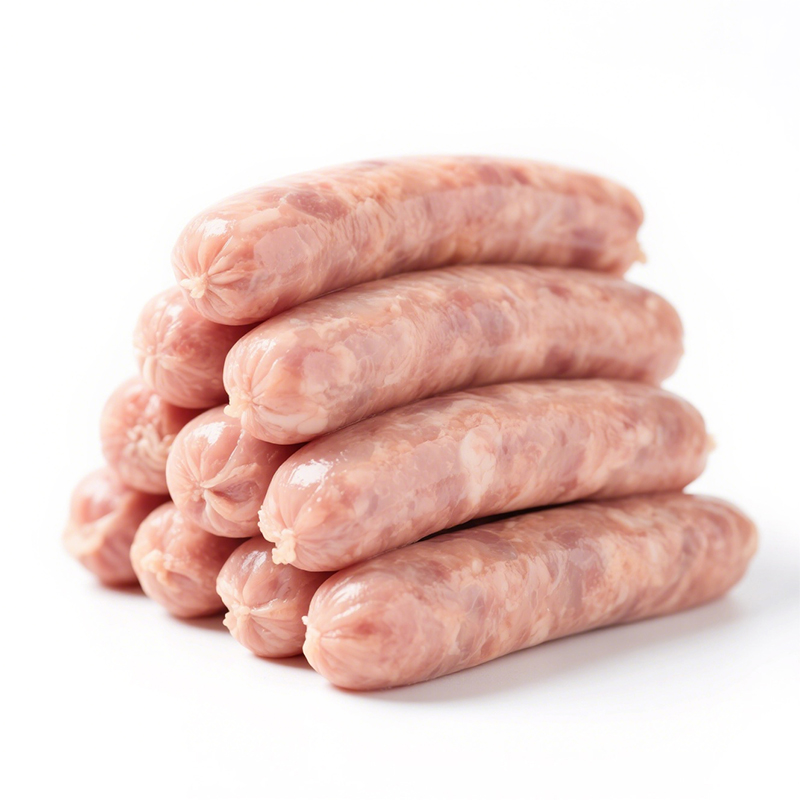
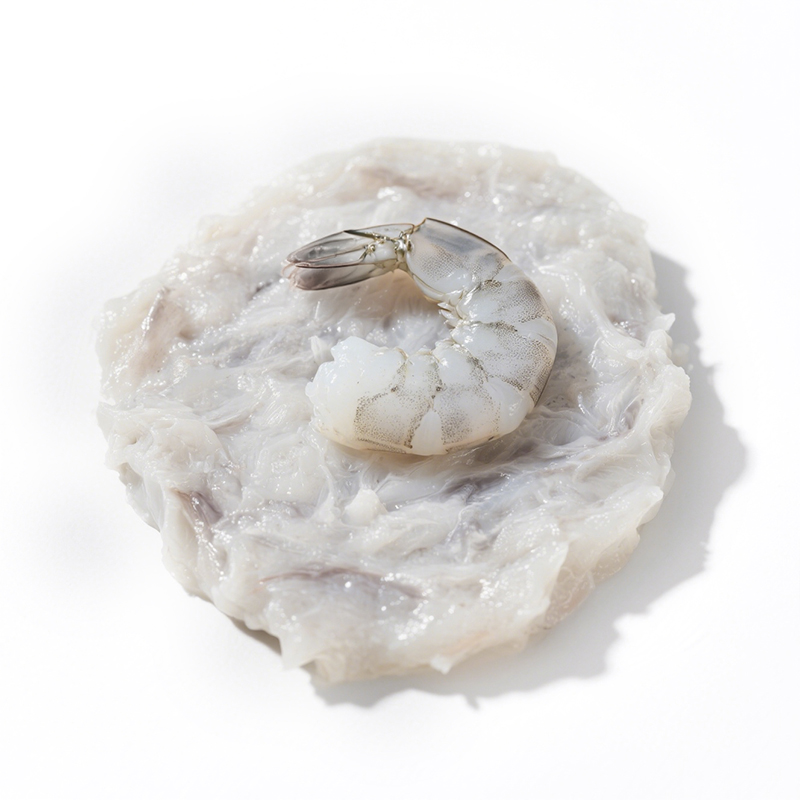
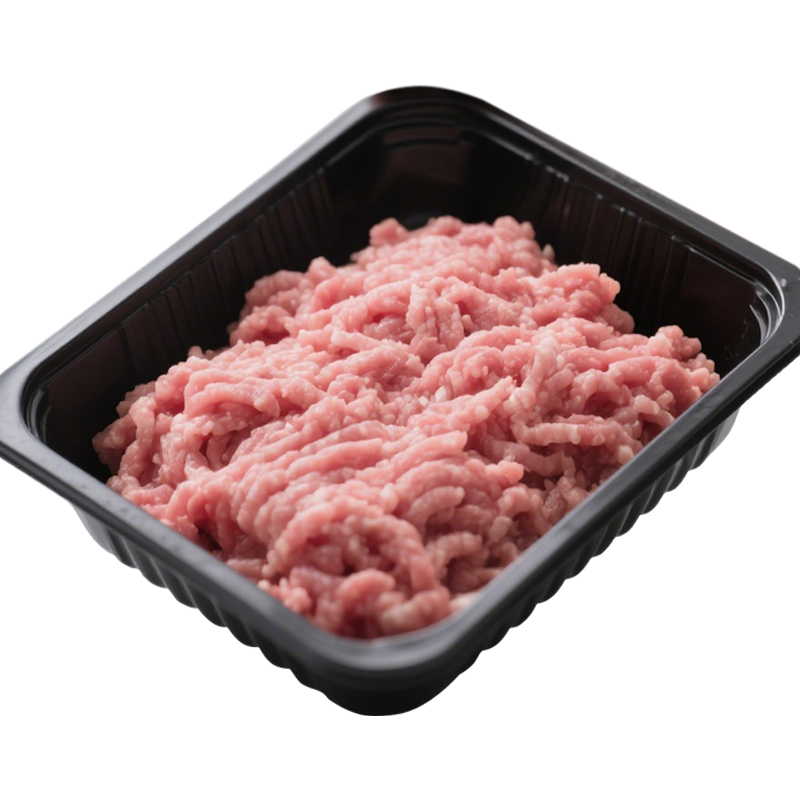
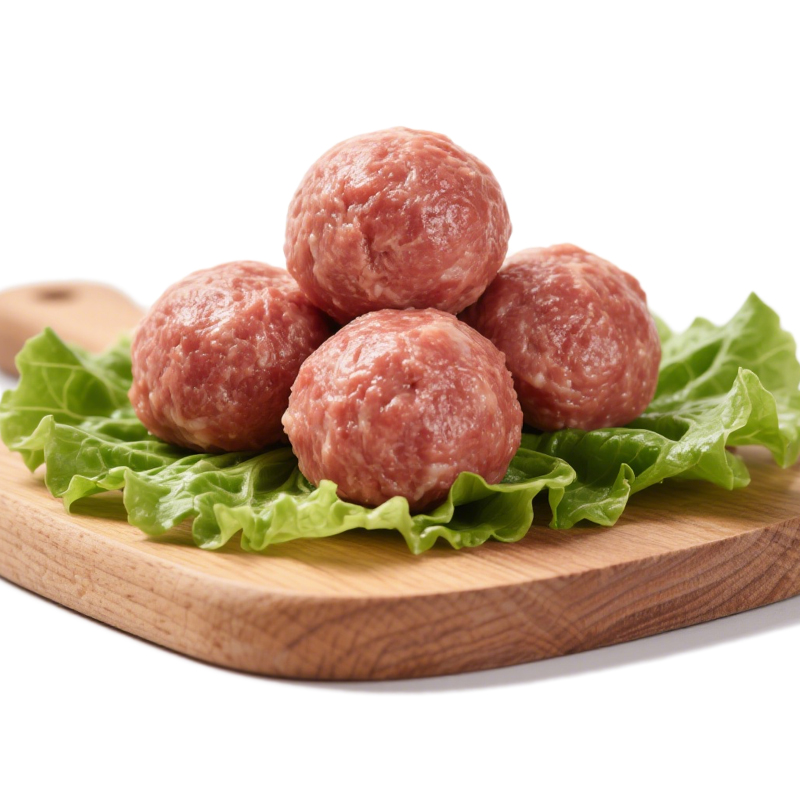

Is your chicken sausage machine silently stealing 20% of your yield every shift? You might not notice it until you run the numbers. Imagine a busy production floor in Chicago, where a plant manager named Mike stares at his weekly yield report. He sees a 78% yield, while his competitor across town hits 95%. That gap is pure profit—lost. This blog reveals how modern chicken sausage machines from Foshan Aokai Machinery Technology Co., Ltd can close that gap.
Pain Points
Yield Loss from Over-grinding: Traditional grinders overwork the meat, causing smearing and fat separation. In a typical mid-size plant, this leads to 5-8% yield loss. For a line producing 10,000 kg daily, that's 500-800 kg wasted—$3,000 per day.
Inconsistent Texture: Old stuffers create air pockets and uneven density. A German sausage maker reported 12% of his product rejected due to texture complaints. Each rejection costs labor, packaging, and shipping—about $0.50 per kg.
Downtime from Clogging: Machines that jam every 2 hours cause 1 hour of cleaning. That's 4 hours lost per shift. At $200 per hour in labor and overhead, that's $800 per shift—$2,400 daily.
Solutions
Precision Grinding with Temperature Control: Aokai's machines use a two-stage grinding system with a 0.5°C tolerance. This prevents smearing and retains moisture. Yield improves by 8-12%.
Vacuum Stuffing with Density Sensors: Our stuffers remove air and maintain uniform density. Reject rates drop to below 1%. A built-in sensor adjusts fill speed in real-time.
Self-Cleaning Design: The auger and housing have a PTFE coating that reduces friction. A quick-rinse cycle takes 5 minutes, cutting downtime by 90%.
Client Case Studies
1. Smithfield Foods, Iowa, USA: They upgraded to Aokai's model CK-500. Yield rose from 78% to 93%. Production manager John said, "We saved $1.2 million in the first year. The machine paid for itself in 6 months."
2. Wurstmeister GmbH, Bavaria, Germany: Their old stuffer caused 15% rejection. After installing Aokai's vacuum stuffer, rejection fell to 0.8%. Plant engineer Klaus noted, "The consistency is unmatched. Our customers noticed immediately."
3. Sausage King Ltd, London, UK: They had 3 hours of downtime per shift. Aokai's self-cleaning machine reduced it to 15 minutes. Operations director Sarah said, "We increased output by 25% without extra labor."
4. Maple Leaf Foods, Canada: They needed to produce 20,000 kg daily. Aokai's line achieved 22,000 kg with 96% yield. CEO Mark commented, "Aokai delivered beyond our expectations."
5. Golden Farms, Australia: Their chicken sausage machine couldn't handle skinless links. Aokai's adaptable system now produces 3,000 kg per hour. Owner Tom said, "We expanded into new markets thanks to Aokai."
Applications and Partnerships
Our machines serve retail packs, food service bulk, and industrial casings. We partner with Marel for further processing and Handtmann for filling lines. Foshan Aokai Machinery Technology Co., Ltd is an approved supplier for OSI Group and West Liberty Foods.
FAQ
Q: How does your machine maintain a 0.5°C temperature tolerance?
A: We use PID-controlled cooling jackets around the grinder head and a refrigerant system that adjusts flow based on meat temperature sensors.
Q: Can it handle frozen meat blocks at -5°C?
A: Yes, our dual-shaft pre-grinder can process blocks up to -10°C without stalling, thanks to a 15 kW motor and hardened steel blades.
Q: What is the CIP cycle time?
A: The automated CIP cycle takes 12 minutes, using hot water at 85°C and a food-grade detergent. It covers all contact surfaces.
Q: How do you ensure consistent stuffing density?
A: A load cell measures the product weight per second and adjusts the vane pump speed. Density variation is less than 2%.
Q: What is the ROI period?
A: Most clients achieve payback in 8-12 months based on yield improvement and reduced downtime. We provide a detailed calculator.
Conclusion
Your chicken sausage machine shouldn't be a hidden cost. With Aokai's technology, you can boost yield by 20%, reduce rejection to under 1%, and cut downtime by 90%. Download our technical white paper or contact a sales engineer for a personalized assessment. The numbers speak for themselves.