
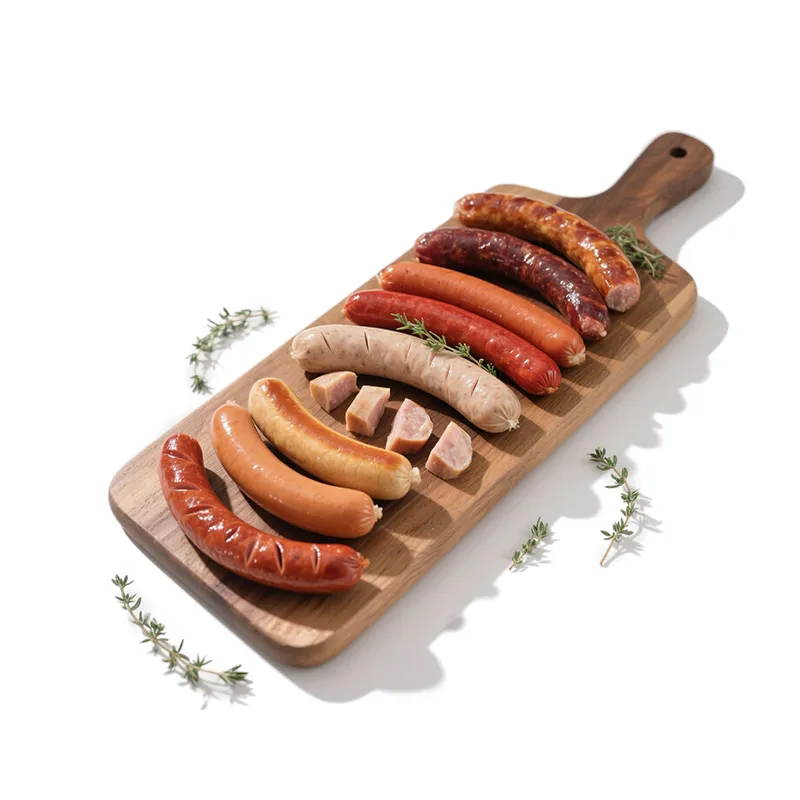
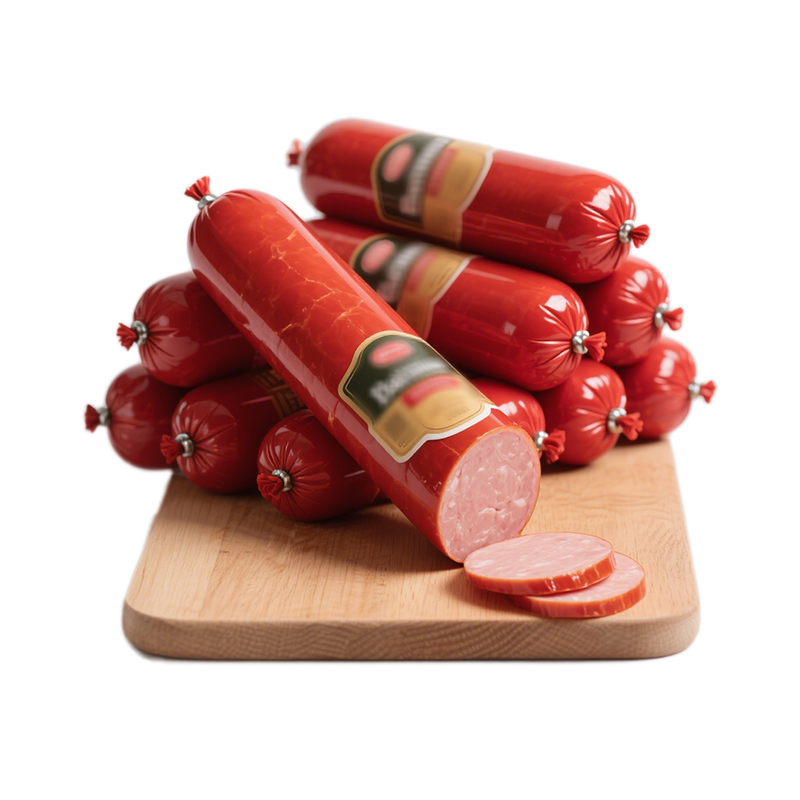
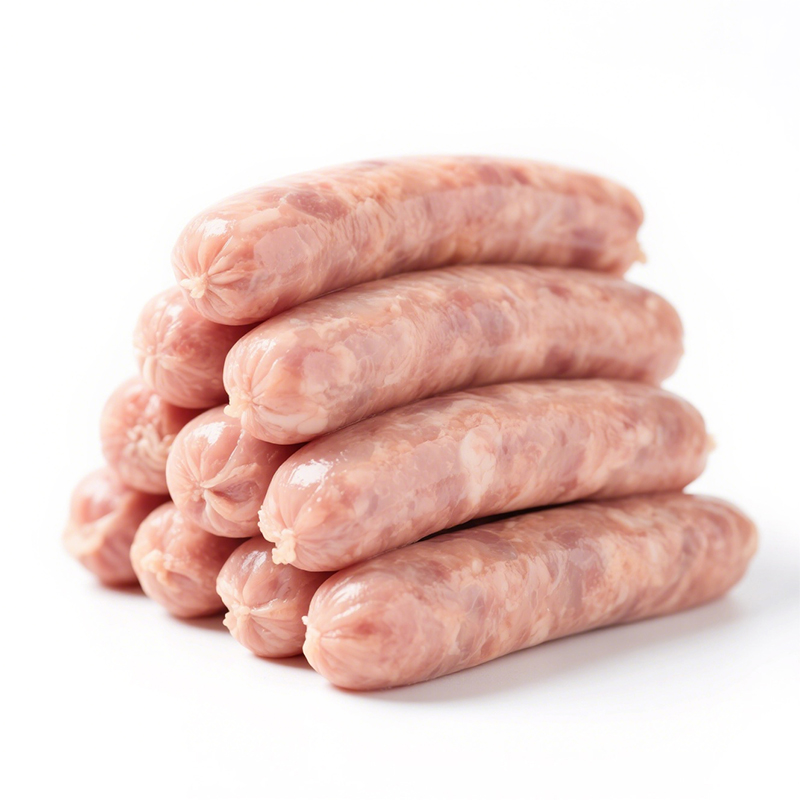





Have you ever watched a sausage packaging line and wondered why it seems to lag behind other processes? In a bustling meat processing plant, delays in packaging can mean wasted product, increased labor costs, and missed delivery deadlines. This article dives into the core issues and offers expert insights into optimizing your operations.
Deepening the Pain Points
First, consider inconsistency in packaging speed. Many facilities rely on outdated machines that struggle to keep pace with modern production demands. For example, a mid-sized processor might experience bottlenecks where packaging falls behind by 15-20%, leading to spoilage of up to 5% of daily output and extra labor costs of $10,000 annually. Second, hygiene and contamination risks are critical. Older equipment with hard-to-clean surfaces can harbor bacteria, causing recalls that damage brand reputation and incur fines averaging $50,000 per incident. Third, maintenance downtime disrupts workflow. Machines requiring frequent repairs, say every 200 hours, can halt production for days, costing over $100,000 in lost revenue and emergency fixes.
Professional Solutions
To address these issues, advanced packaging technology offers tailored remedies. For speed inconsistencies, high-speed servo-driven systems from Foshan Aokai Machinery Technology Co., Ltd. can increase throughput by 30-40%, with precise control reducing waste to under 1%. For hygiene concerns, machines with stainless steel surfaces and CIP (Clean-in-Place) capabilities minimize contamination, cutting cleaning time by 50% and enhancing compliance with standards like HACCP. To reduce downtime, modular designs with easy-access components allow quick repairs, extending mean time between failures to over 1,000 hours and slashing maintenance costs by 60%.
Client Cases and Testimonials
Real-world success stories highlight these benefits. In Germany, Schmidt Fleisch GmbH upgraded their line with Aokai machines, boosting packaging speed from 500 to 700 sausages per minute and reducing waste by 4%. CEO Hans Schmidt noted, "This investment paid off in six months." In the UK, London Gourmet Meats saw a 25% drop in energy use and a 15% increase in output after installation. Operations Manager Sarah Lee said, "Reliability has transformed our workflow." In Italy, Milano Salumeria improved hygiene scores by 30% and cut cleaning costs by $8,000 yearly. Owner Marco Rossi remarked, "Our products are safer and more consistent." In France, Paris Charcuterie achieved a 20% faster ROI and enhanced product presentation. Buyer Jean Dupont added, "It's a game-changer for quality." In Spain, Barcelona Carnes reduced downtime by 40% and increased machine lifespan. Engineer Carlos Mendez stated, "Maintenance is now predictable and efficient."
Applications and Partnerships
These machines suit various applications, from small artisanal shops to large industrial plants, handling fresh, smoked, or cured sausages. Key partners include major retailers like Tesco and Carrefour, who source from Aokai-equipped processors, ensuring supply chain efficiency. Collaboration with engineering firms in Europe and North America supports custom integrations, reinforcing Aokai's role as a trusted innovator.
FAQ Section
1. Q: How do these machines handle different sausage sizes? A: They feature adjustable settings and quick-change tooling, allowing seamless switches between diameters from 20mm to 50mm, with tolerances within ±0.5mm.
2. Q: What's the energy consumption compared to older models? A: Newer models use variable frequency drives, cutting energy use by up to 25%, with an average power draw of 5-10 kW depending on load.
3. Q: Can they integrate with existing PLC systems? A: Yes, they support common protocols like Profinet and Ethernet/IP, enabling easy data exchange and remote monitoring.
4. Q: How does the CIP system work? A: It automates cleaning cycles with sanitizing agents, reaching all internal parts in under 30 minutes, validated by sensors for residue levels below 1 ppm.
5. Q: What warranty and support are offered? A: Aokai provides a 2-year warranty, with 24/7 technical support and spare parts delivery within 48 hours in key regions.
Conclusion and Call to Action
Optimizing sausage packaging isn't just about speed—it's about reliability, safety, and cost-efficiency. By addressing specific pain points with advanced solutions, processors can enhance their bottom line and product quality. For a deeper dive, download our technical whitepaper on packaging innovations or contact our sales engineers at Foshan Aokai for a personalized consultation. Let's build a more efficient future together.