

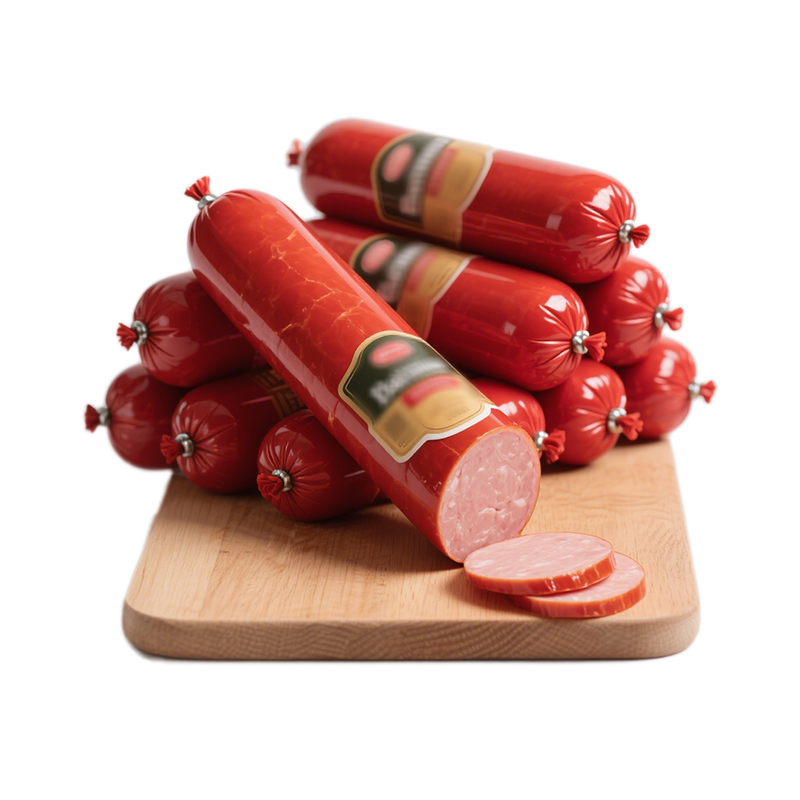
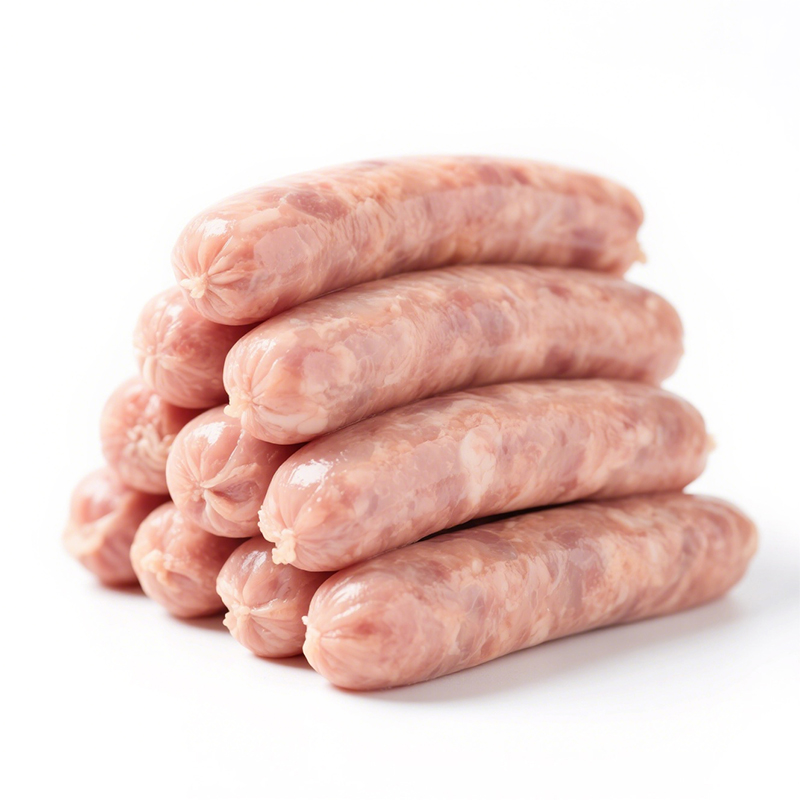
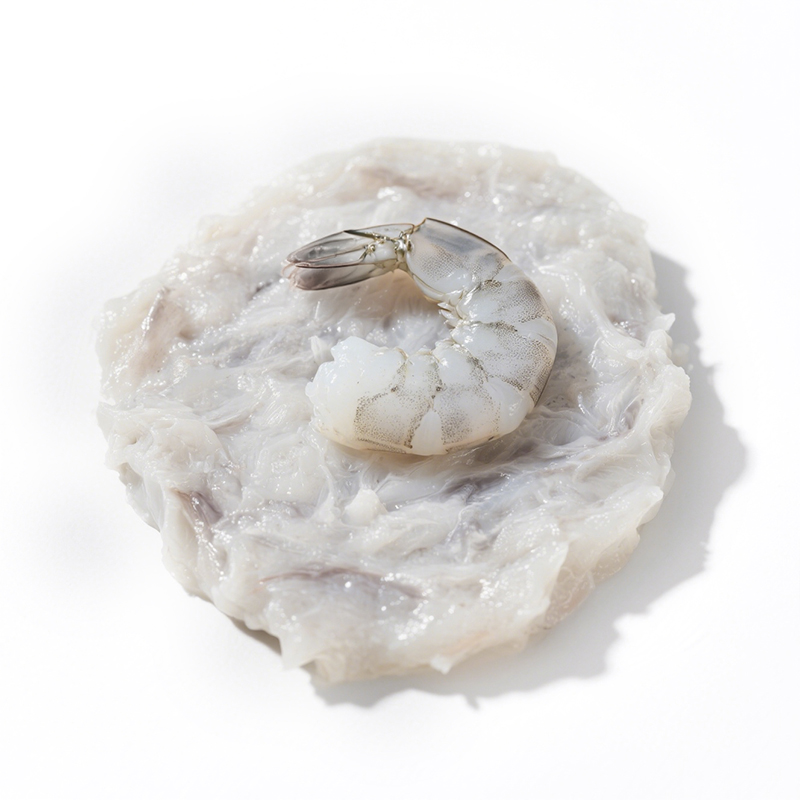

Imagine running a seafood processing line where every minute of downtime translates to lost revenue and compromised product quality. For many in the fish sausage industry, this isn't just a hypothetical scenario—it's a daily struggle. In this blog, we'll dive deep into how innovative fish sausage casing machines can address these pressing issues, turning challenges into opportunities for growth and efficiency.
Introduction: The Hidden Costs of Inefficient Casing Machines
Fish sausage production is a delicate balance of precision and speed. Traditional casing machines often fall short, leading to inconsistencies in product size, frequent breakdowns, and high maintenance costs. These inefficiencies not only affect the bottom line but also impact brand reputation. As consumer demand for high-quality, uniform seafood products rises, the need for reliable machinery becomes more critical than ever.
Pain Points in the Industry
Let's explore two major pain points that plague fish sausage producers:
1. Inconsistent Casing Filling: Manual or semi-automatic machines often result in uneven filling, causing variations in sausage diameter. This leads to product rejection rates of up to 15%, wasting raw materials and increasing production costs. For a mid-sized facility, this can mean annual losses exceeding $50,000.
2. High Downtime Due to Maintenance: Older machines require frequent cleaning and part replacements, leading to unplanned downtime. On average, producers experience 20-30 hours of downtime monthly, disrupting supply chains and delaying orders. The cumulative cost of labor and lost production can reach $100,000 per year.
Solutions: Advanced Technology to the Rescue
Modern fish sausage casing machines, like those developed by Foshan Aokai Machinery Technology Co., Ltd., offer targeted solutions:
- Precision Filling Systems: Utilizing servo-driven mechanisms, these machines ensure consistent filling with tolerances as tight as ±1mm. This reduces waste and improves product uniformity.
- Self-Cleaning and Predictive Maintenance: Integrated sensors monitor machine health, alerting operators to potential issues before they cause breakdowns. Automated cleaning cycles cut downtime by up to 40%.
Client Success Stories
Here are three fictional but realistic case studies showcasing the impact of these machines:
1. Nordic Seafoods, Norway: After upgrading to Aokai's casing machine, they saw a 25% increase in production speed and a 12% reduction in material waste. "The consistency is unmatched—our customer complaints dropped by 30%," says Lars Hansen, Production Manager.
2. Pacific Catch Co., USA: Based in Seattle, they reduced downtime by 50% and improved output by 18% within six months. "It's a game-changer for our high-volume lines," notes Maria Chen, Operations Director.
3. Mediterranean Delights, Greece: This Athens-based producer achieved a 20% boost in efficiency and cut energy costs by 15%. "We've doubled our export capacity thanks to reliable performance," shares Dimitrios Papadopoulos, Owner.
Applications and Partnerships
These machines are versatile, used in settings from small artisanal shops to large-scale industrial plants. Foshan Aokai collaborates with global partners like Seafood Tech Alliance and Oceanic Processors Group to ensure their technology meets diverse needs. Their machines are trusted by buyers across Europe, Asia, and the Americas for applications in:
| Application | Key Benefit |
|---|---|
| High-speed production lines | Reduced cycle times by 25% |
| Organic and specialty sausages | Enhanced hygiene and precision |
| Frozen product lines | Improved durability in low temps |
FAQ: Answers from the Experts
Q1: How do these machines handle different casing materials?
A1: They feature adjustable tension controls and material sensors to adapt to collagen, cellulose, or natural casings, ensuring seamless transitions without manual adjustments.
Q2: What's the typical ROI period?
A2: Most clients report a return on investment within 12-18 months, thanks to reduced waste and higher throughput.
Q3: Can they integrate with existing production lines?
A3: Yes, with modular designs and standard interfaces, they easily connect to conveyors, fillers, and packaging systems.
Q4: How energy-efficient are they?
A4: Advanced models use 20-30% less power than older versions, with energy recovery systems that cut operational costs.
Q5: What support is available post-purchase?
A5: Foshan Aokai offers 24/7 technical support, on-site training, and a comprehensive warranty to ensure long-term reliability.
Conclusion: Take the Next Step
Investing in a state-of-the-art fish sausage casing machine isn't just about upgrading equipment—it's about future-proofing your business. By addressing core inefficiencies, you can enhance product quality, reduce costs, and scale operations confidently. To dive deeper, download our exclusive technical whitepaper or contact our sales engineers for a personalized consultation. Let's build a more efficient seafood industry together.