
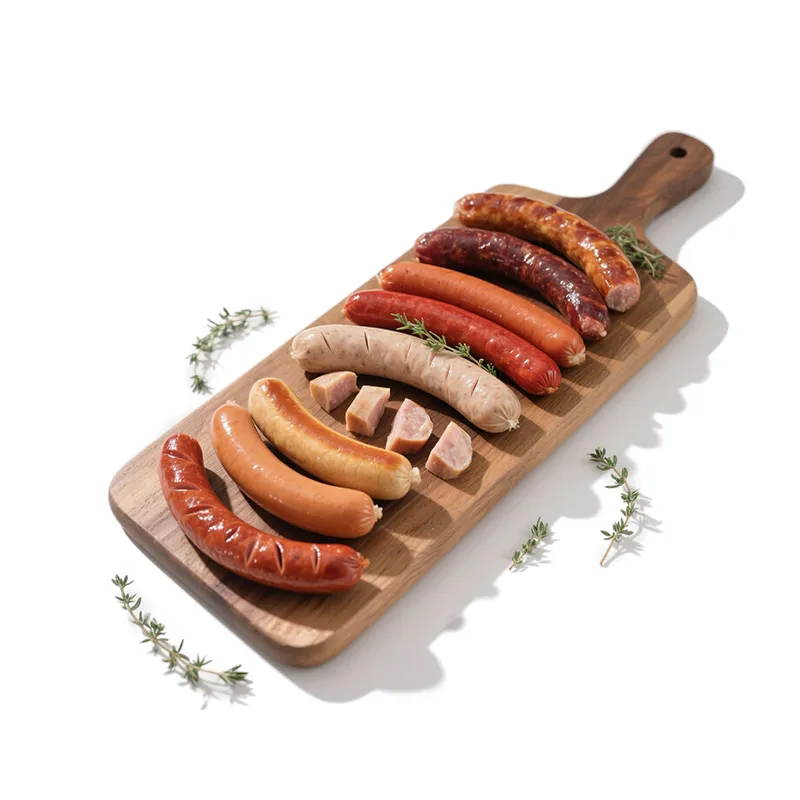
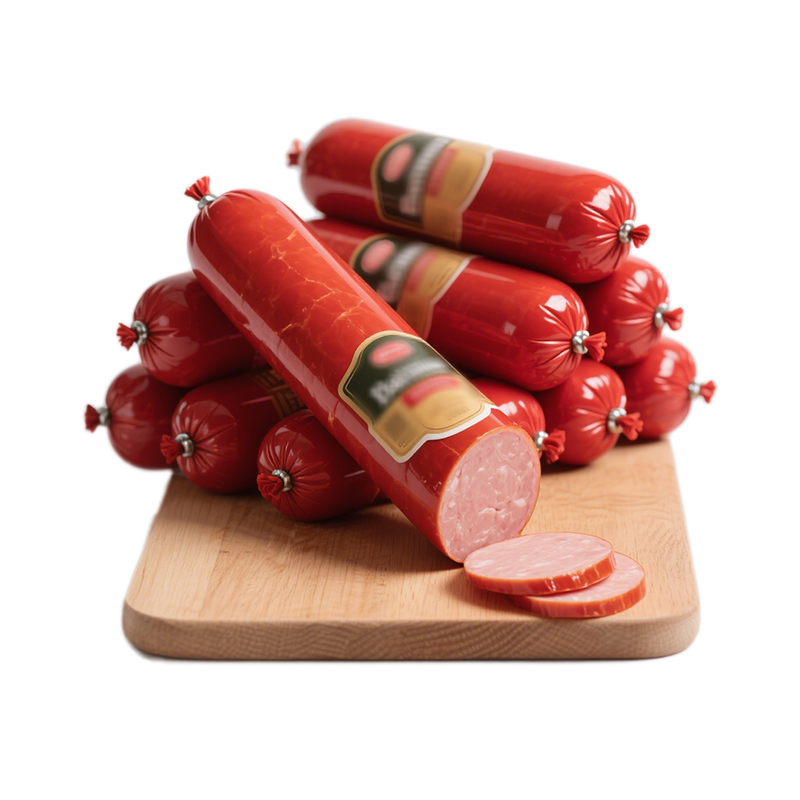
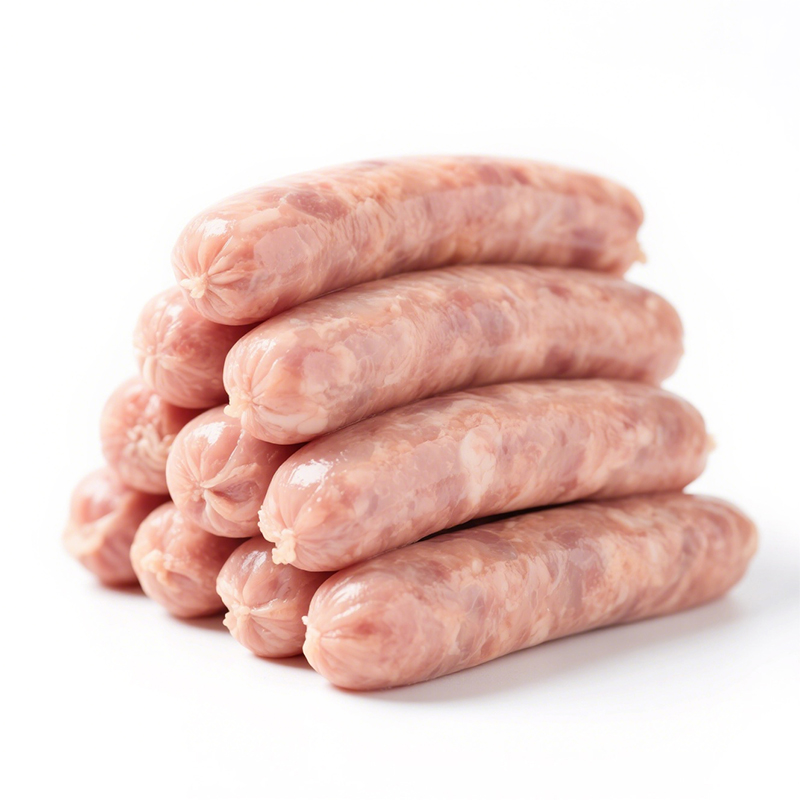


As global demand for processed meat products continues to grow, sausage production has evolved into a highly organized industrial system. Modern sausage factories rely on integrated equipment lines that ensure stable quality, food safety compliance, and efficient output. Understanding the full production workflow—from raw meat preparation to packaging—is essential for producers planning to scale or upgrade their operations.
For more than 17 years, Aokai has specialized in manufacturing meat processing machinery and providing complete sausage production solutions. By combining advanced equipment with flexible customization, the company supports food manufacturers worldwide in building reliable and efficient processing lines.
Raw Material Preparation: The Foundation of Quality
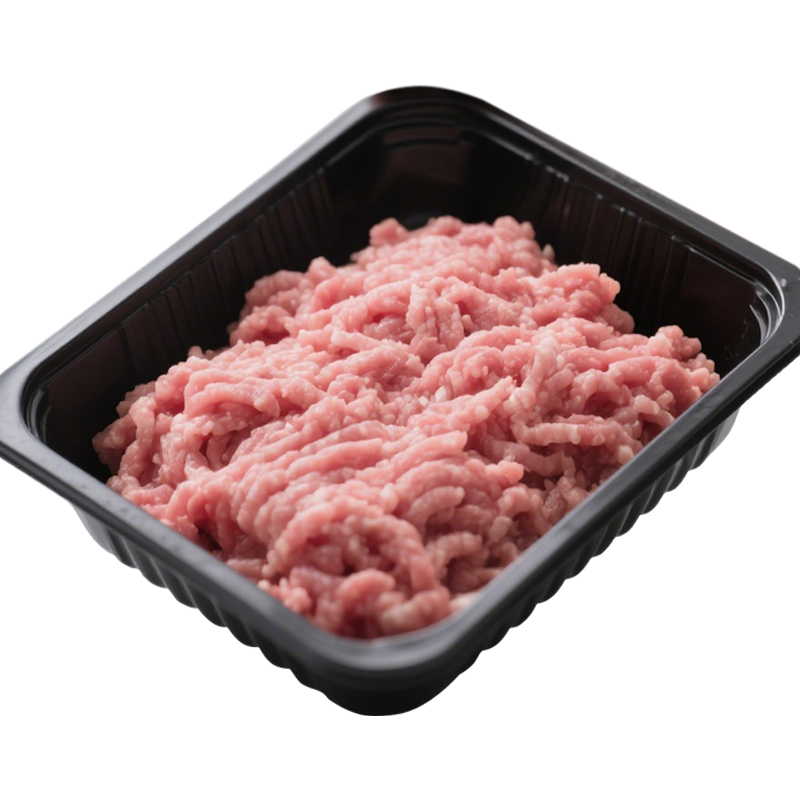
Every sausage production process begins with raw meat preparation. Fresh or frozen meat is first processed to achieve the desired size and texture before entering the mixing and emulsifying stages.
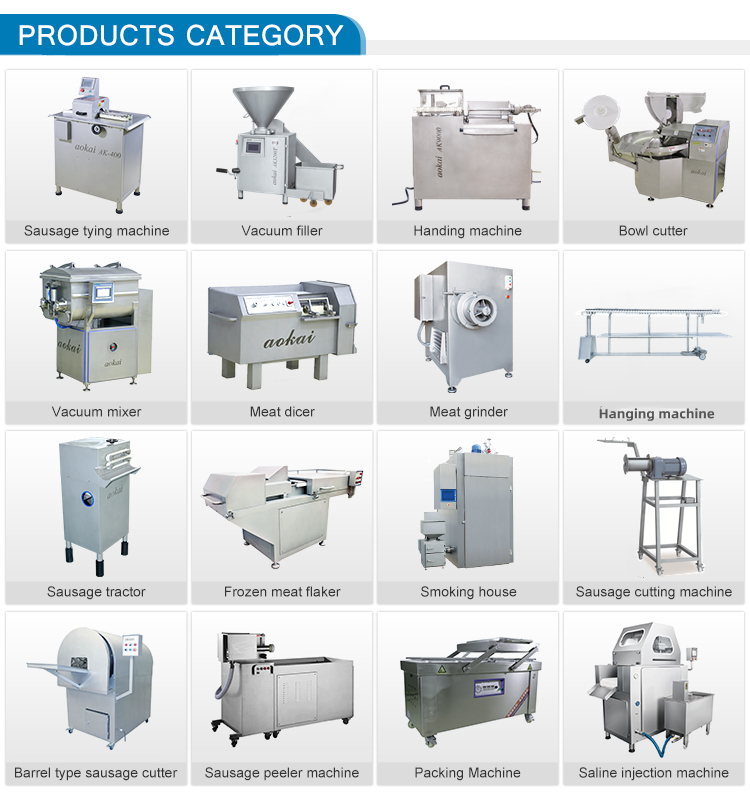
Frozen meat blocks are typically broken down using a Frozen Meat Flaker, which slices large frozen blocks into thin flakes that are easier to grind. After that, the meat may pass through a Meat Dicer when precise cube sizes are required for certain sausage recipes.
Once pre-processed, the meat is fed into a Meat Grinder, where it is ground to the required particle size. Grinding plays a key role in determining the texture and binding properties of the final sausage product.
Mixing and Emulsifying: Creating the Perfect Sausage Texture
After grinding, the meat mixture must be blended with fat, salt, spices, and functional ingredients. This step ensures uniform flavor and consistent product structure.
A Vacuum Mixer is commonly used to mix ingredients while removing trapped air, improving protein extraction and binding performance. For emulsified sausages such as frankfurters or hot dogs, a Bowl Cutter performs high-speed chopping that transforms meat and fat into a smooth emulsion.
For some products, a Saline Injection Machine is also used to inject brine or seasoning solutions into the meat, improving moisture retention and enhancing flavor distribution.
Filling and Forming: Shaping the Sausage
Once the meat mixture reaches the correct consistency, it moves to the filling stage. The Vacuum Filler is one of the most important machines in this step, as it fills sausage casings evenly while maintaining stable pressure and eliminating air pockets.
After filling, the sausages must be divided into individual portions. A Sausage Tying Machine or twisting device automatically links sausages at consistent intervals. This automated process replaces manual tying and significantly improves production efficiency.
A Sausage Tractor then gently transports the linked sausages along the production line, maintaining alignment and preventing product damage.
Hanging and Cooking: Developing Flavor and Safety
Before cooking, sausages are usually arranged using a Hanging Machine, which places sausage strings onto smoking rods or racks. Proper hanging ensures even heat exposure during cooking.
The sausages are then transferred to a Smoking House, where they undergo controlled cooking, drying, and smoking processes. Temperature, humidity, and airflow are carefully managed to develop flavor while ensuring food safety.
Smoking houses are critical for achieving consistent color, aroma, and shelf stability in many traditional sausage products.
Peeling and Cutting: Preparing for Packaging
For skinless sausages, the casing must be removed after cooking. A Sausage Peeler Machine automates this process by removing the casing without damaging the sausage surface. This greatly improves efficiency compared with manual peeling.
Next, sausages may pass through specialized cutting equipment such as a Barrel-type Sausage Cutter or a Sausage Cutting Machine, depending on the product format. These machines ensure accurate cutting lengths and clean edges, which are important for retail presentation.
Final Packaging: Protecting Product Quality
Once processing is complete, sausages move to the final stage: packaging. A Packing Machine seals the products in vacuum or modified atmosphere packaging, helping extend shelf life while maintaining product freshness.
Automated packaging also improves hygiene and reduces labor requirements. For large factories, packaging systems can be integrated with weighing, labeling, and palletizing equipment to create a fully automated end-of-line solution.
Industry Analysis: Key Equipment Performance Factors
| Equipment Category | Key Performance Parameter | Importance in Production |
|---|---|---|
| Meat Preparation | Grinding consistency | Ensures texture stability |
| Mixing & Emulsifying | Vacuum mixing efficiency | Improves binding and flavor |
| Filling Equipment | Filling precision | Prevents air pockets |
| Linking & Handling | Portion uniformity | Improves product consistency |
| Cooking Systems | Temperature control | Guarantees food safety |
| Cutting Equipment | Cutting accuracy | Enhances product appearance |
| Packaging Systems | Seal integrity | Extends shelf life |
This table highlights that sausage production efficiency depends not on a single machine, but on the coordination of multiple specialized systems.
Aokai’s Integrated Sausage Production Solutions
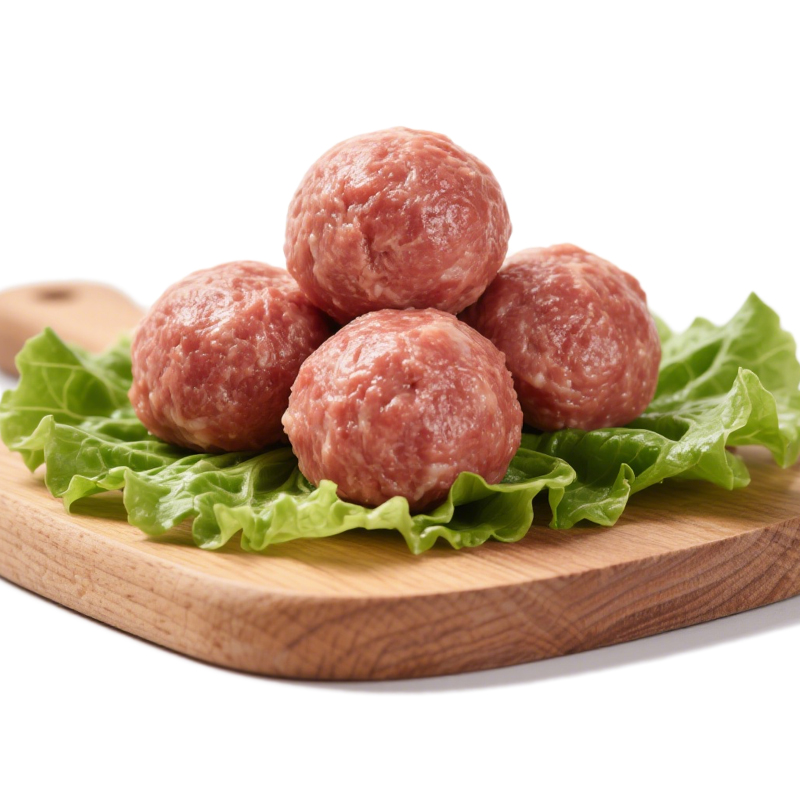
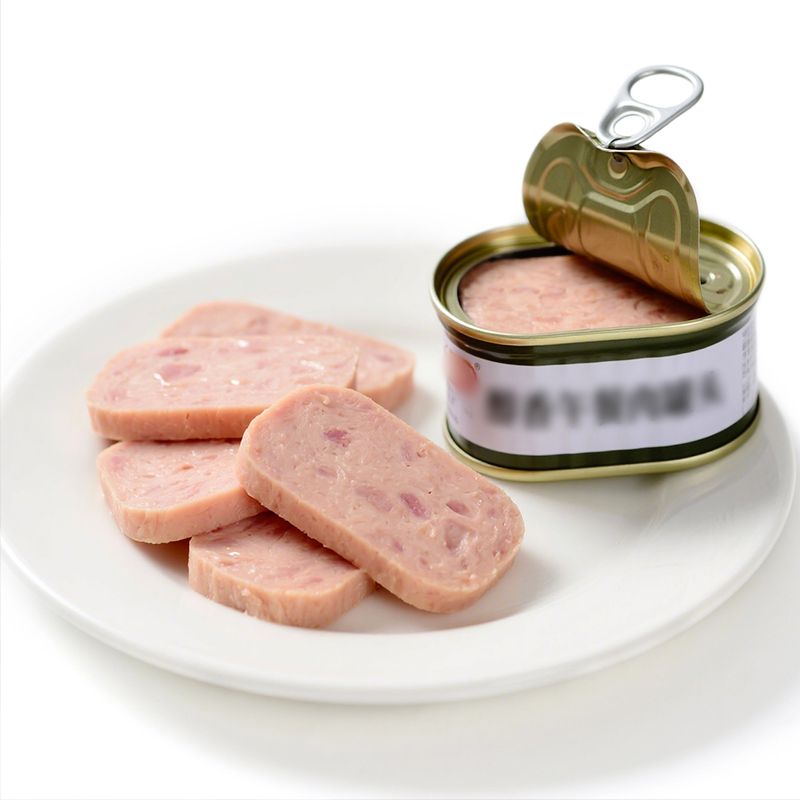
Founded in 2008, Aokai has developed into a professional manufacturer of meat processing machinery with more than 17 years of industry experience. The company provides complete equipment solutions for sausage production and other processed meat products such as ham and meatballs.
Based in Foshan, China, Aokai operates a full-cycle manufacturing system that adheres to international production standards. Its equipment has been exported to markets including the United States, Mexico, and the Philippines, where it has gained strong recognition among food manufacturers.
By combining flexible standard machines with customized modifications, Aokai helps clients build scalable processing lines that meet their production goals.
FAQ: Common Questions About Industrial Sausage Production
1. What equipment is essential for a complete sausage production line?
Typical production lines include meat preparation machines, mixing equipment, filling systems, smoking equipment, and packaging machines.
2. Why is vacuum processing important in sausage production?
Vacuum systems remove trapped air, improving product texture, stability, and shelf life.
3. Can sausage production lines be customized?
Yes. Most manufacturers design equipment layouts according to factory space, capacity, and product types.
4. What determines the quality of industrial sausages?
Raw materials, equipment precision, temperature control, and process consistency all influence the final product quality.
5. How can factories increase production efficiency?
By integrating automated equipment across grinding, filling, linking, and packaging stages.
Call to Action: Build a Reliable Sausage Production Line
For meat processors aiming to expand production or improve product quality, investing in a well-designed sausage processing line is essential. Reliable machinery ensures stable performance, reduces labor requirements, and supports long-term operational growth.
With extensive manufacturing experience and global export expertise, Aokai offers complete sausage processing solutions tailored to modern food industry demands. From raw meat preparation to final packaging, every machine is designed to support efficient, hygienic, and scalable production.
Conclusion
Industrial sausage production is a complex process that combines multiple specialized machines into a coordinated system. Each stage—from meat preparation and mixing to filling, smoking, cutting, and packaging—plays a critical role in determining product quality and production efficiency.
By selecting the right equipment and working with experienced manufacturers, meat processing factories can build production lines that deliver consistent results and meet the growing global demand for processed meat products.