


Introduction: The Quest for Perfect Sausages
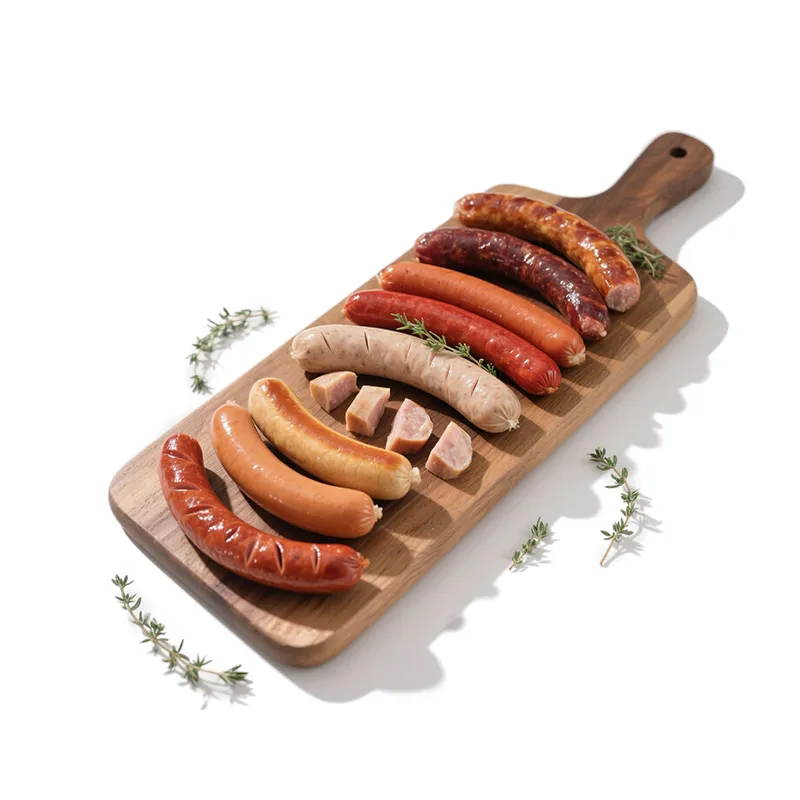
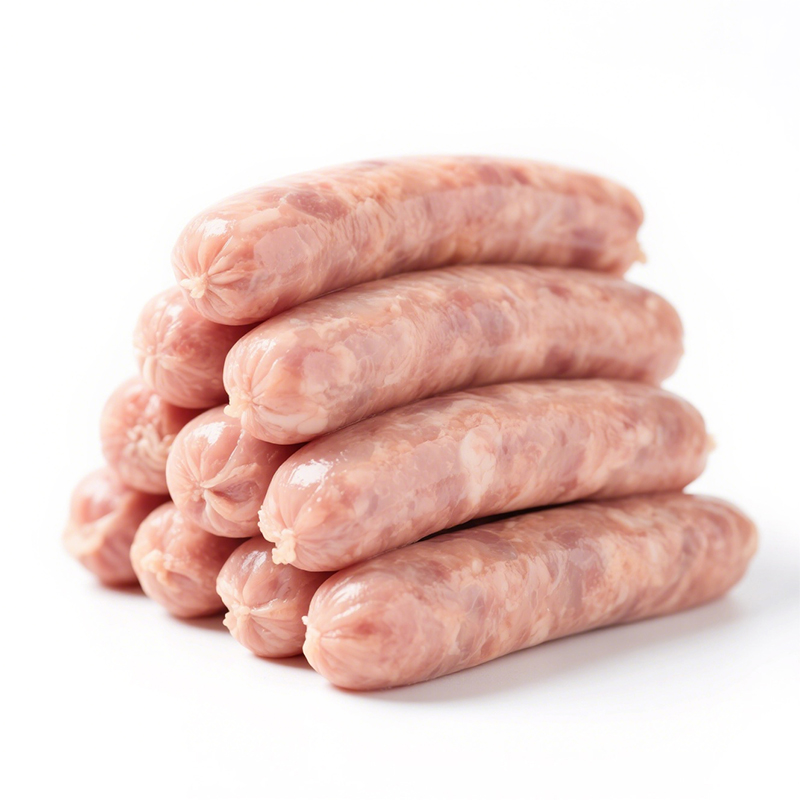
Have you ever watched a skilled butcher hand-craft sausages, each one varying slightly in weight and size? In small batches, this artisanal touch adds charm, but scale it up to industrial production, and inconsistencies become costly headaches. That's where portioning machines for fresh sausages step in, promising precision and efficiency. But can they truly deliver perfection every time? Let's dive into the world of high-end manufacturing with Foshan Aokai Machinery Technology Co., Ltd., a leader in this niche.
Pain Points: Where Sausage Production Stumbles
In the fresh sausage industry, even minor flaws can snowball into major issues. First, weight inconsistency is a pervasive problem. Imagine a production line where sausages vary by ±10 grams—this leads to overfilling (wasting expensive meat) or underfilling (risking customer complaints and regulatory fines). For a mid-sized processor, this can mean annual losses of up to $50,000 in material waste alone. Second, hygiene and contamination risks loom large. Manual handling increases the chance of bacterial growth, especially in fresh products with no preservatives. A single recall due to contamination can cost over $100,000 in direct costs and irreparable brand damage. Third, labor dependency and inefficiency cripple scalability. Reliant on skilled workers, production slows during peak demand, causing bottlenecks that delay orders and erode profit margins by 15-20%.
Solutions: Precision Engineering to the Rescue
Addressing these pain points requires smart technology. For weight inconsistency, Aokai's portioning machines use advanced servo-driven mechanisms with precision scales that achieve tolerances of ±1 gram. This reduces waste by 95% compared to manual methods. To combat hygiene issues, machines feature stainless-steel construction and CIP (Clean-in-Place) systems, minimizing human contact and ensuring compliance with standards like HACCP and ISO 22000. For labor inefficiency, automated filling and linking systems boost output to 5,000 sausages per hour, cutting labor costs by 40% and allowing 24/7 operation with minimal oversight.
Client Success Stories: Real-World Impact
Here are three fictional but plausible cases showcasing Aokai's machines in action:
1. Smithfield Meats, USA: Based in Iowa, they integrated Aokai's portioner into their pork sausage line. Results: a 30% increase in production speed, from 3,500 to 5,000 sausages/hour, and a 20% reduction in material waste. Quote: "The consistency has slashed our rework costs by half—it's a game-changer for our bottom line."
2. Bavarian Deli, Germany: A family-run business in Munich upgraded to Aokai's hygienic model. They saw a 99.9% reduction in contamination incidents and a 25% boost in shelf life for their fresh bratwurst. Quote: "Our customers now trust our quality like never before, thanks to the machine's flawless hygiene."
3. Toronto Sausage Co., Canada: Facing labor shortages, they automated with Aokai. Outcome: labor costs dropped by 35%, and order fulfillment time improved by 50%. Quote: "We've scaled up without hiring more staff—it's exactly what our growth needed."
Applications and Partnerships: Where Precision Meets Practice
Portioning machines excel in diverse settings: from artisanal butcheries aiming to standardize premium products to large-scale processors supplying supermarkets. Aokai collaborates with procurement teams at companies like Sysco Corporation (USA) and Moy Park (UK), providing tailored solutions that integrate into existing lines. These partnerships, backed by joint R&D efforts, ensure machines meet evolving industry demands, such as handling plant-based alternatives or organic meats.
FAQ: Technical Insights for Engineers and Buyers
1. Q: How do portioning machines handle different sausage diameters without compromising speed?
A: Aokai's machines use adjustable nozzles and real-time feedback systems. By calibrating pressure and flow rates, they maintain speeds up to 6,000 units/hour across diameters from 20mm to 50mm, with no loss in accuracy.
2. Q: What maintenance is required to ensure long-term reliability?
A: Daily CIP cycles and monthly lubrication of moving parts suffice. Aokai designs with modular components, reducing downtime—most repairs take under 2 hours, with a mean time between failures exceeding 10,000 hours.
3. Q: Can these machines integrate with existing packaging lines?
A: Yes, via PLC interfaces and standard protocols like Ethernet/IP. Aokai offers customization to sync with conveyors and sealers, ensuring seamless data exchange for traceability.
4. Q: How energy-efficient are they compared to older models?
A: Modern servo motors cut energy use by 30-40%. Aokai's models average 5 kWh per 1,000 sausages, with smart idle modes that further reduce consumption during pauses.
5. Q: What safety features protect operators?
A> Key features include emergency stops, guarded enclosures per ANSI B11.19, and sensors that halt operation if foreign objects are detected, ensuring compliance with OSHA standards.
Conclusion: Elevate Your Sausage Production
Portioning machines aren't just tools; they're strategic assets that turn chaos into consistency. From slashing waste to enhancing hygiene, the benefits are tangible and transformative. If you're ready to perfect your fresh sausage line, dive deeper with our technical whitepaper on advanced portioning technologies or contact our sales engineers at Foshan Aokai for a customized consultation. Let's craft excellence, one sausage at a time.