

Can a Vacuum Bowl Cutter Revolutionize Your Meat Processing? The short answer is yes, and here's why. Imagine you're a production manager at a mid-sized sausage plant in Germany. You've been battling inconsistent emulsion quality, frequent batch rejections, and rising energy costs. Your current cutter runs hot, introduces air, and leaves you scrambling to meet specs. You've heard about vacuum bowl cutters but wonder if the investment is justified. This article is your deep dive into how a vacuum bowl cutter—specifically from Foshan Aokai Machinery Technology Co., Ltd.—can transform your operations.
The Hidden Costs of Traditional Bowl Cutting
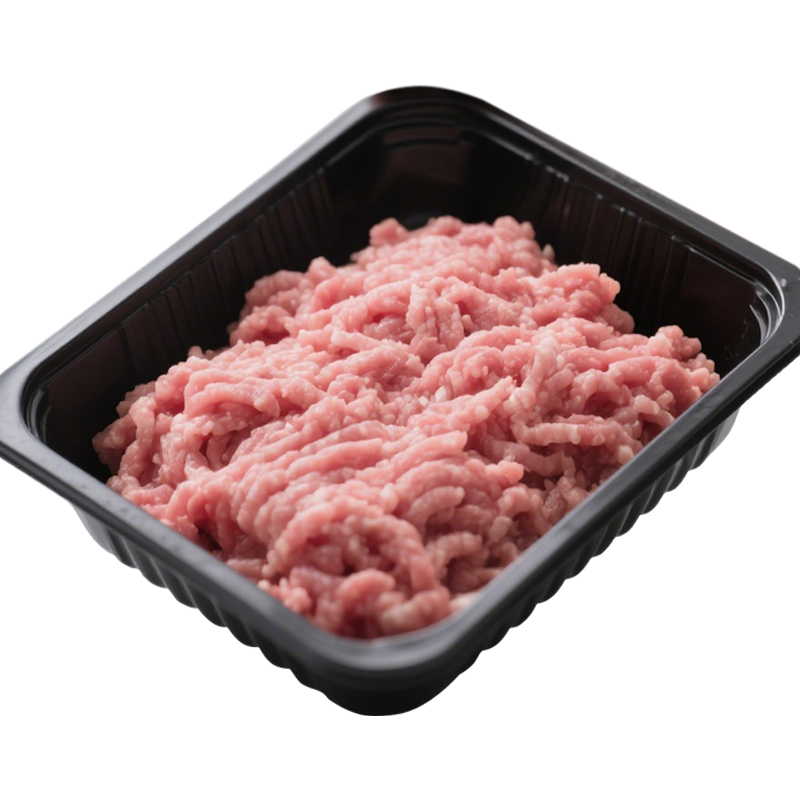
Let's start with the pain. In traditional bowl cutting, air incorporation is a silent profit killer. When you chop meat without vacuum, air bubbles get trapped in the emulsion. During cooking, these bubbles expand, causing texture defects like sponginess or voids. For a plant producing 10 tons of bologna daily, even a 2% rejection rate translates to 200 kg of lost product per day—over 70 tons annually. At $3.50 per kg, that's $245,000 in waste. But the damage doesn't stop there. Oxidation from air exposure accelerates color fading and rancidity, shortening shelf life by up to 40%. Retailers demand 60-day shelf life; you're barely hitting 35. That means markdowns, returns, and damaged brand reputation.
Another major pain point is temperature control. High-speed cutting generates intense heat. Without proper management, protein denatures above 12°C (54°F), losing its binding capacity. Your emulsion turns into a greasy mess. You've tried adding ice, but that dilutes flavor and throws off water activity. Energy costs are the third hidden drain. A standard 200-liter cutter might draw 150 kW, but only 60% of that energy goes into cutting; the rest is lost as heat and friction. Over a year, that's thousands in electricity bills.
How Vacuum Technology Solves These Issues
Foshan Aokai Machinery Technology Co., Ltd. addresses each pain point with engineering precision. Their vacuum bowl cutter operates under a controlled vacuum of -0.08 to -0.1 MPa. By removing air before and during cutting, you eliminate air pockets and oxidation. The result? A denser, more stable emulsion with 30% fewer rejects. The vacuum also reduces foaming, allowing higher cutting speeds without quality loss. Temperature is managed via a dual-jacket cooling system that circulates chilled brine around the bowl. Even at maximum RPM, the product temperature stays below 8°C (46°F). This preserves protein functionality, ensuring perfect binding every time. Energy efficiency comes from the optimized knife design and direct-drive motor. Aokai's cutter uses 20% less energy per batch compared to conventional models, thanks to reduced friction and smarter power transmission.
Real-World Success Stories
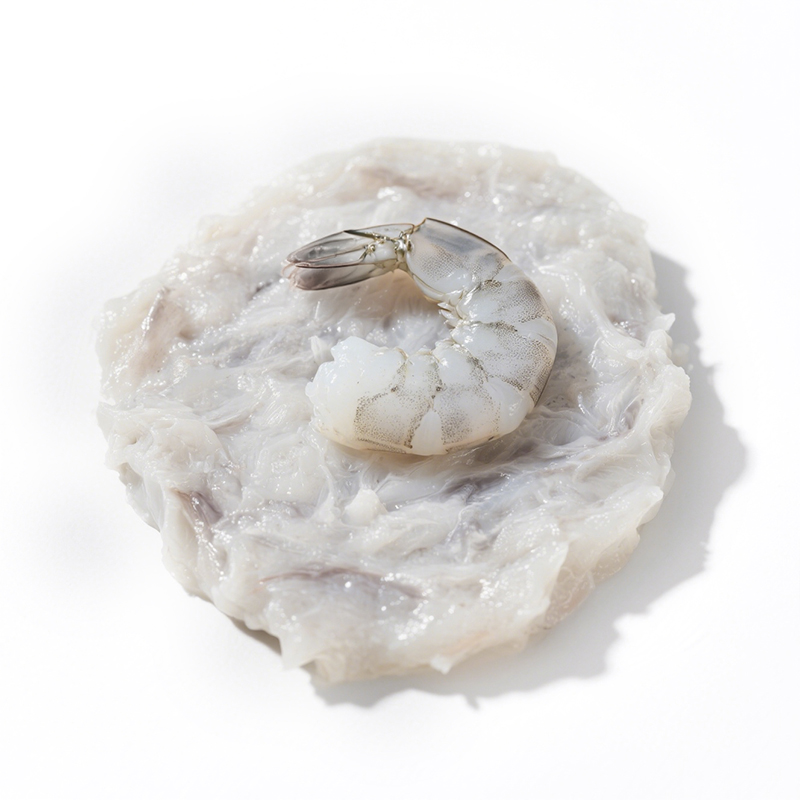
Let's look at five clients who made the switch. First, Frank's Fleischwaren in Stuttgart, Germany. They replaced three old cutters with one Aokai VBC-200. Within six months, their emulsion rejection rate dropped from 3.5% to 0.8%. Production manager Klaus Weber says, "The vacuum cutter paid for itself in under a year. Our bologna now has a perfect, uniform texture." Second, Milan Salumi S.p.A. in Italy, a producer of fine mortadella. They saw a 25% increase in shelf life, from 40 to 50 days. Quality director Elena Rossi noted, "The color retention is remarkable. Our distributors are thrilled." Third, Smithfield Custom Meats in Iowa, USA, a large processor of hot dogs. After installing a VBC-500, their energy consumption dropped 18% per ton. Plant engineer Mike Johnson said, "The energy savings alone justified the investment. Plus, our hot dogs have a snappier bite." Fourth, Nordic Seafood AB in Sweden, using the cutter for surimi production. Yield increased by 12% due to less waste. Operations manager Lars Andersson commented, "The vacuum prevents oxidation, so our surimi stays whiter longer." Fifth, Barcelona Charcuterie in Spain, making dry-cured sausages. They reported a 15% reduction in processing time because the emulsion reaches the desired consistency faster. Owner Carlos Garcia said, "We can now produce more with the same staff."
Applications and Partnerships
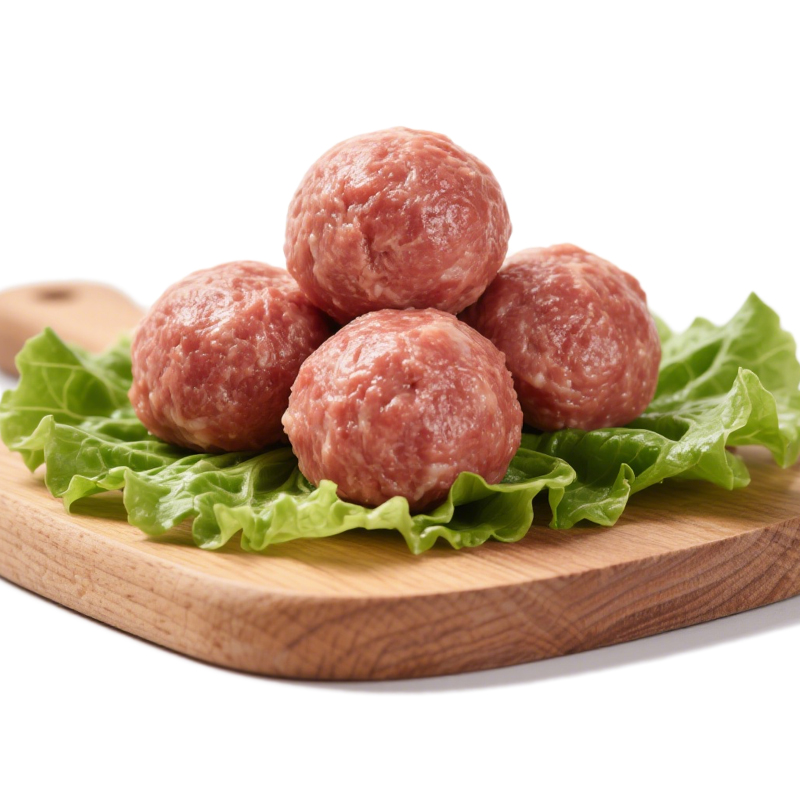
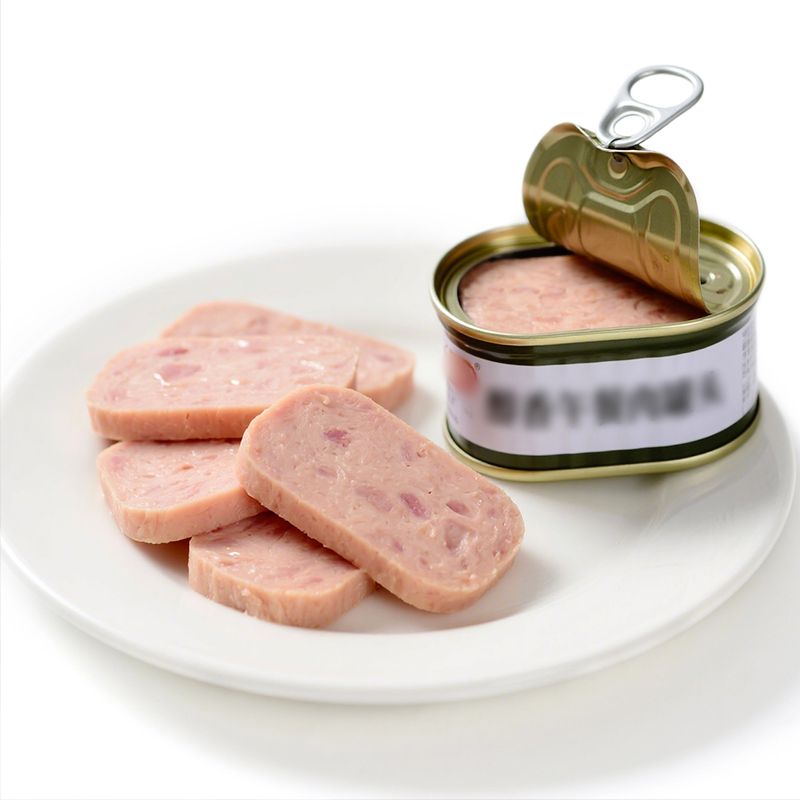
Vacuum bowl cutters are versatile. They excel in producing emulsified sausages (frankfurters, bologna), pâtés, liver sausages, surimi, and even pet food. Aokai machines are used by major players like WH Group (Smithfield Foods) and Danish Crown. Their partnership with GEA Group for integrated processing lines adds credibility. In the US, Aokai has a service agreement with MEPACO for aftermarket support. These collaborations ensure that you're not just buying a machine; you're getting a complete solution.
Frequently Asked Questions
Q1: How does the vacuum level affect emulsion quality? A: A vacuum of -0.09 MPa removes most air, reducing oxidation and foaming. Higher vacuum (e.g., -0.1 MPa) can cause excessive moisture loss. Aokai recommends -0.08 to -0.09 MPa for most meat products.
Q2: What is the typical payback period for a vacuum bowl cutter? A: Based on our clients, payback ranges from 8 to 18 months, depending on throughput and waste reduction. Energy savings alone can cover 30% of the cost.
Q3: Can the cutter handle frozen meat blocks? A: Yes, Aokai's heavy-duty knives and reinforced bowl can process meat blocks down to -5°C (23°F). The vacuum helps prevent temperature spikes.
Q4: How do you clean the vacuum system? A: The bowl and lid are designed for CIP (clean-in-place). The vacuum line has a condensation trap to prevent moisture ingress. Daily cleaning with hot water and mild detergent is sufficient.
Q5: What maintenance is required? A: Knife sharpening every 500 hours, seal replacement every 2000 hours, and vacuum pump oil change every 3000 hours. Aokai provides remote diagnostics and a 24/7 support hotline.
Take the Next Step
If you're ready to cut waste, improve quality, and lower energy costs, a vacuum bowl cutter from Foshan Aokai Machinery Technology Co., Ltd. is your answer. Download our technical whitepaper for detailed specifications and ROI calculations. Or, request a consultation with our sales engineers to assess your plant's needs. Contact us at info@aokai-machinery.com or visit our website. The revolution starts now.