
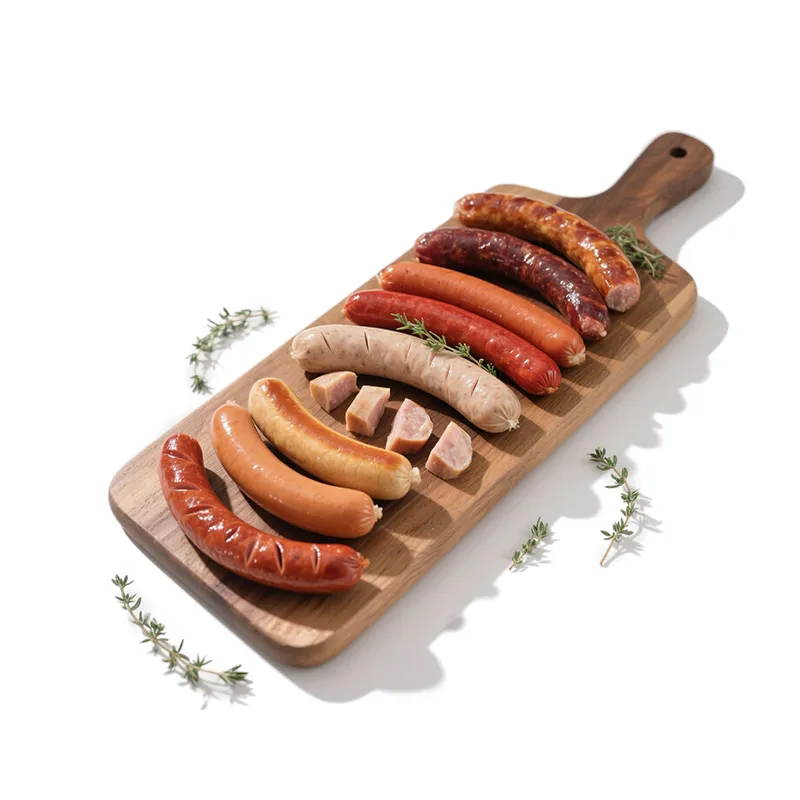
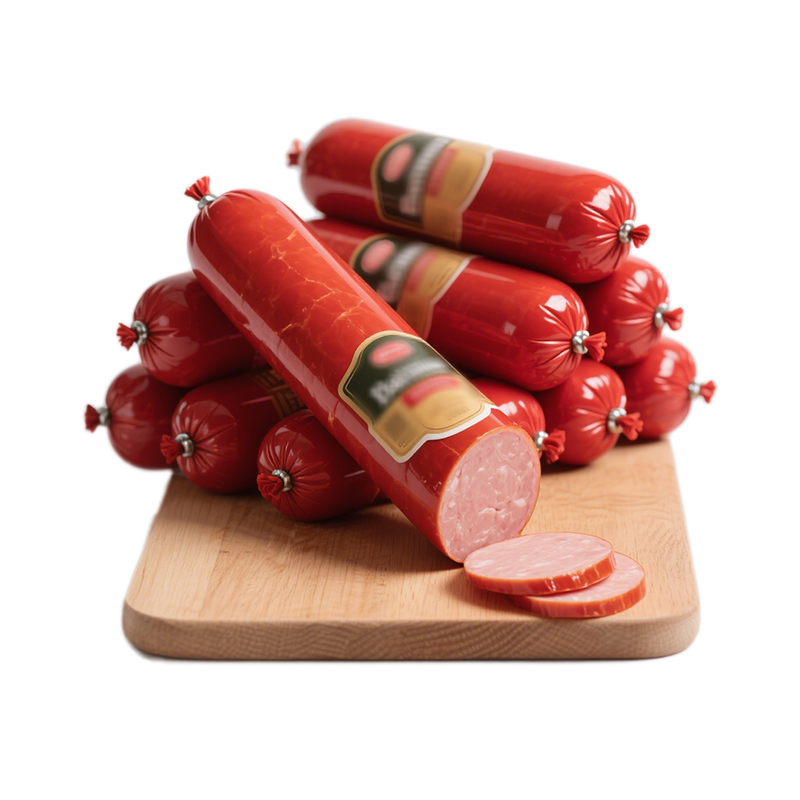
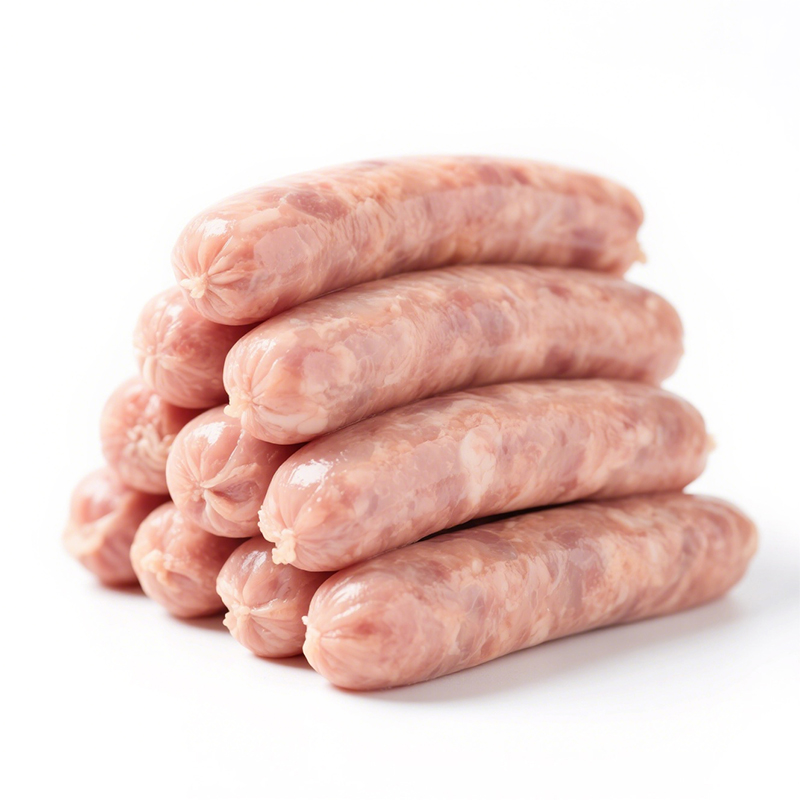
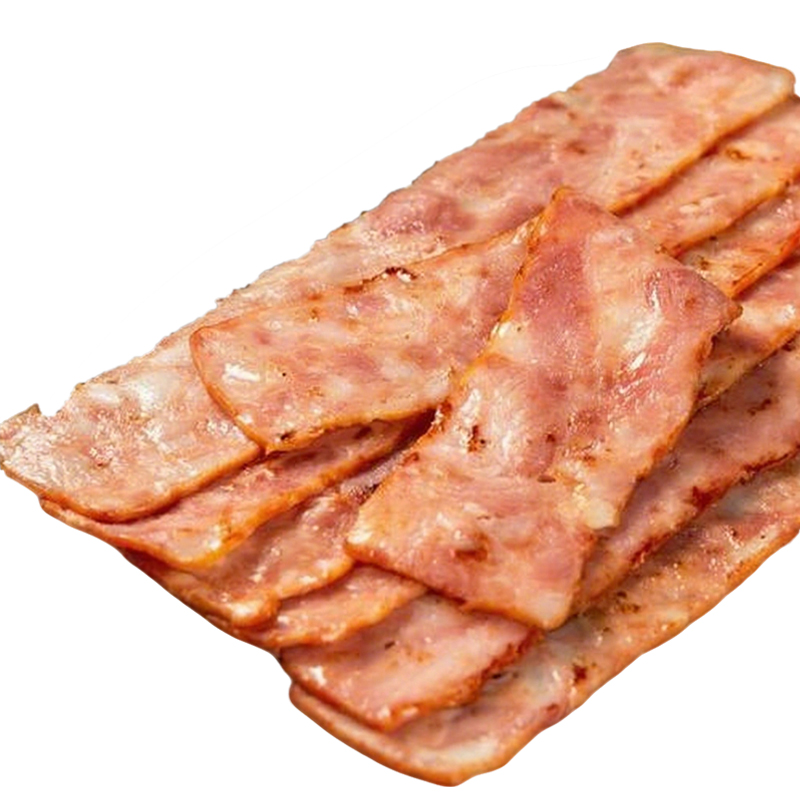

In the global meat industry, specialty products such as bacon and jerky are no longer niche categories. They are fast-growing segments driven by premium consumption, convenience foods, and international trade. As demand rises, processors are discovering a critical truth: traditional, multi-purpose equipment is increasingly inadequate for specialty meat production.
The shift toward dedicated production lines is not about scale alone. It is about process control, consistency, compliance, and brand value. Whether supporting a Jerky Processing Line for dried meat snacks or a bacon-focused system integrated with downstream handling, specialized equipment is redefining efficiency and quality benchmarks.
Traditional Equipment vs Dedicated Lines: A Structural Difference
Traditional meat processing equipment is designed for versatility, often serving multiple products with frequent manual adjustments. While flexible, these setups introduce variability—particularly problematic for products like bacon and jerky that rely on precise curing, slicing, drying, and packaging parameters.
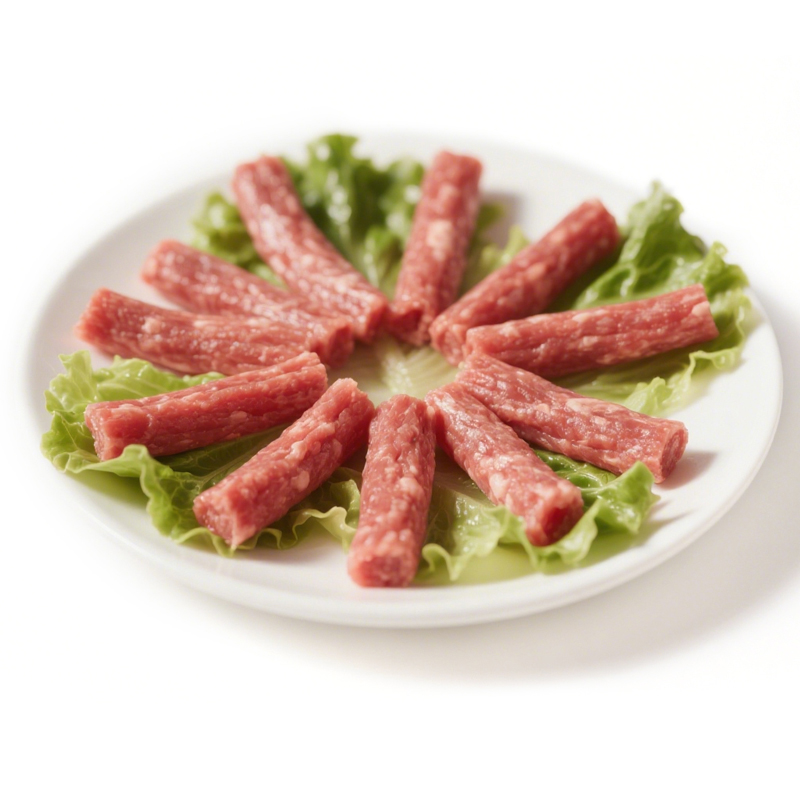
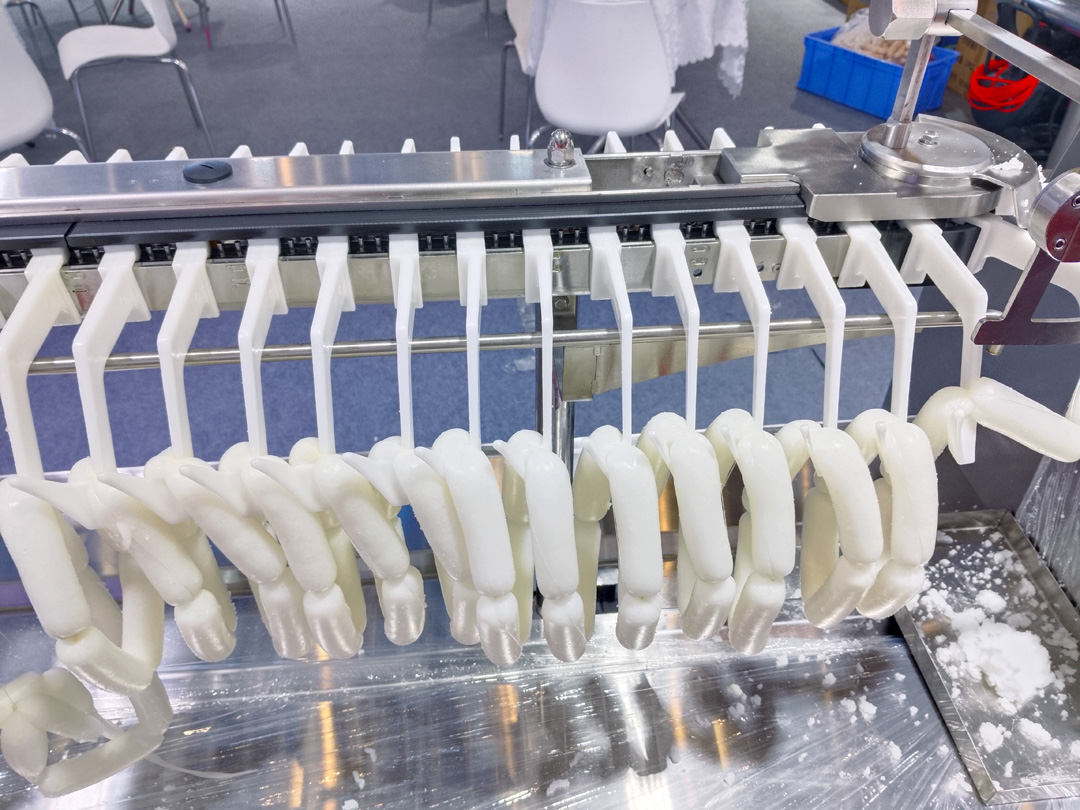
Dedicated production lines, by contrast, are engineered around specific product behaviors. A Meat Baton Line, for example, is optimized for uniform forming, moisture control, and shape retention, while maintaining stable throughput. These structural differences directly translate into measurable gains in yield, labor efficiency, and product uniformity.
Efficiency Gains Begin with Process Stability
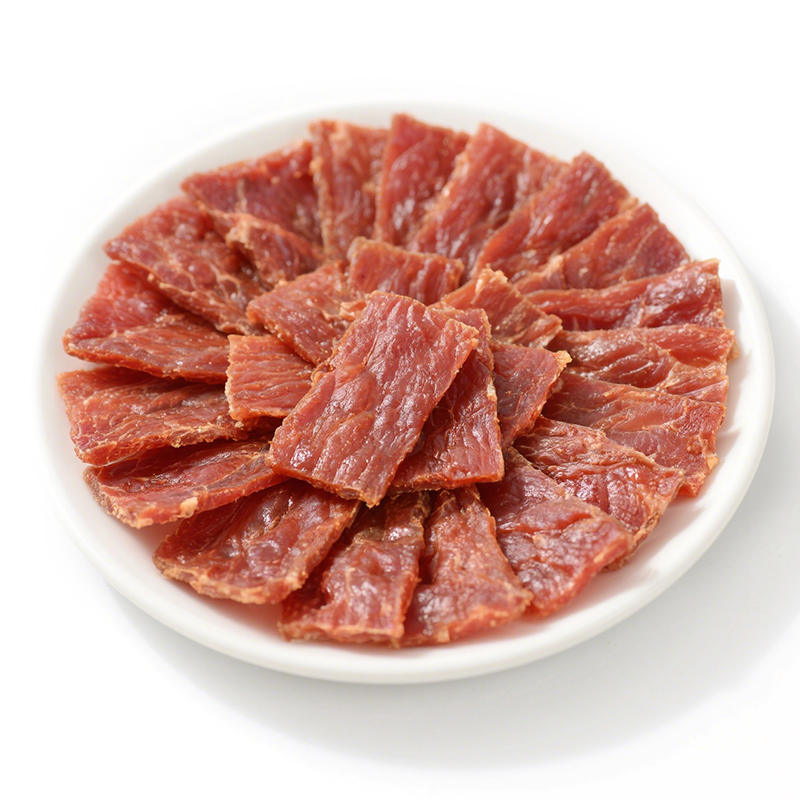
Specialty meat products are sensitive to process deviation. In jerky production, slight inconsistencies in thickness or drying temperature can result in uneven texture and reduced shelf life. A purpose-built Jerky Processing Line maintains stable airflow, temperature gradients, and dwell time—capabilities that traditional equipment struggles to deliver consistently.
Similarly, bacon production requires accurate slicing pressure, fat-to-lean balance preservation, and controlled handling. Dedicated systems outperform retrofitted solutions by reducing rework and minimizing trimming loss.
While general-purpose equipment may still support upstream operations such as a Meat Ball Processing Line, specialty products benefit significantly from lines engineered specifically for their physical and chemical characteristics.
Quality Consistency: The Real Competitive Advantage
In export-driven markets, quality consistency is as important as efficiency. Retailers and regulators expect uniform appearance, texture, and weight from every package.
Dedicated lines allow tighter control over critical parameters. For example, moisture migration and protein structure are carefully managed in systems derived from Canned Meat Processing Line engineering principles, adapted for cured and dried products. This level of control ensures that finished goods remain stable throughout extended distribution cycles.
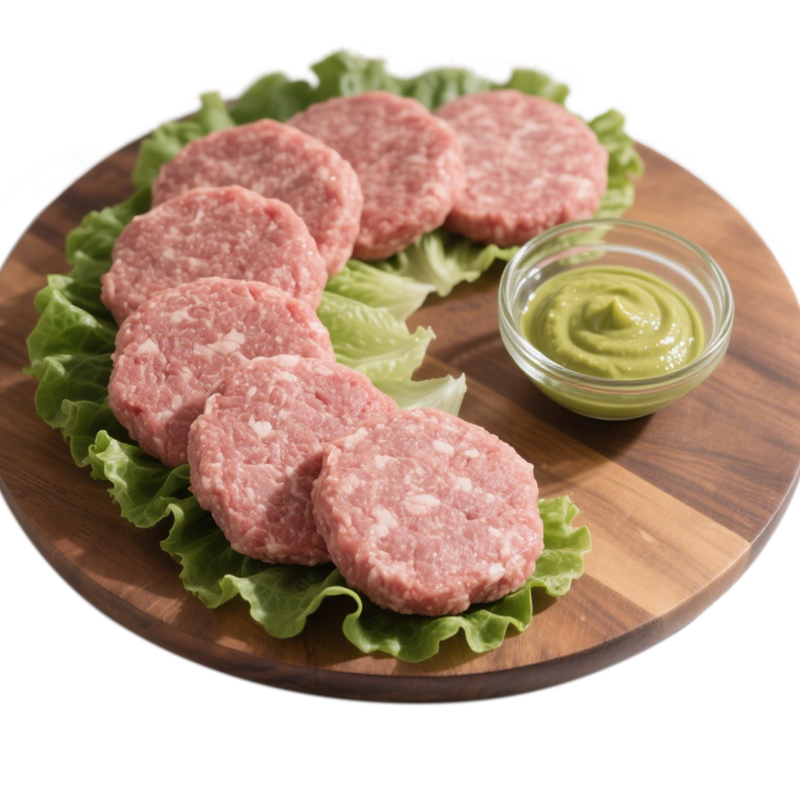
When integrated correctly, even formed product solutions such as a Patty Processing Line can share modular components with bacon or jerky systems, without compromising product integrity.
Certification Requirements Drive Dedicated Design
International certification standards are a major driver behind the shift toward specialized lines. CE certification in Europe and USDA/FDA compliance in the United States impose strict requirements on hygiene design, material selection, safety interlocks, and traceability.
A dedicated Jerky Processing Line is far easier to validate under USDA inspection than a modified general-purpose system. The same applies to bacon lines incorporating slicing, curing, and packaging modules designed from the outset around regulatory expectations.
For manufacturers exporting to multiple regions, this compliance advantage alone often justifies investment in dedicated equipment rather than attempting to retrofit traditional machinery.
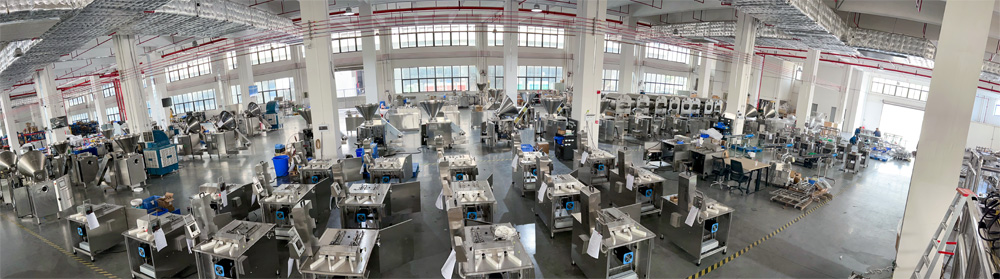
How Standards Are Engineered into Modern Production Lines
Aokai, founded in 2008 and headquartered in Foshan, China, has built its global reputation on designing equipment that aligns with international standards from the earliest engineering stages. With more than 17 years of experience, the company delivers one-stop solutions covering grinding, forming, processing, and intelligent packaging.
Rather than forcing customers into rigid systems, Aokai focuses on flexible standard machines with customized modifications. This allows a Meat Baton Line or Jerky Processing Line to meet CE and USDA requirements while remaining scalable.
This design philosophy has enabled Aokai’s machinery to operate successfully in the US, Mexico, the Philippines, and other regulated markets, where inspection readiness and documentation quality are critical.
Industry Analysis: Performance Comparison Parameters
| Performance Indicator | Traditional Equipment | Dedicated Processing Line |
| Yield Loss Rate | 5–8% | 1–3% |
| Product Consistency | Medium | High |
| Changeover Time | 60–120 min | 20–30 min |
| Labor Dependency | High | Reduced by 35–50% |
| Certification Readiness | Reactive | Built-in |
| Export Suitability | Limited | High |
These metrics explain why processors investing in specialty categories increasingly prioritize dedicated systems over multipurpose setups, even when managing diversified operations that include a Meat Ball Processing Line or Patty Processing Line.
Export Experience: Lessons from the US and Mexico
Operating in the US and Mexican markets has reinforced the importance of specialization. Regulatory inspections focus not only on sanitation, but also on process repeatability and risk prevention.
Aokai’s dedicated systems—adapted from Canned Meat Processing Line architecture and refined for specialty products—have demonstrated stable performance under continuous inspection. This experience feeds directly into ongoing equipment optimization, from improved sealing systems to enhanced safety logic.
For buyers, proven export experience translates into lower compliance risk and faster project implementation.
Brand Value: Specialty Products Demand Premium Processes
Bacon and jerky are often positioned as premium or lifestyle products. In these categories, processing quality directly influences brand perception.
Uniform slicing, consistent texture, and reliable packaging integrity are essential for consumer trust. Dedicated lines ensure that every batch reinforces brand positioning, whether products originate from a Jerky Processing Line or a hybrid system sharing elements with a Meat Baton Line.
In contrast, variability introduced by traditional equipment can erode brand credibility over time.
FAQ: Common Questions from Specialty Meat Processors
Q1: Are dedicated lines only suitable for large factories?
No. Modular design allows even mid-sized processors to adopt dedicated solutions alongside a Meat Ball Processing Line.
Q2: Can existing equipment be upgraded?
Partial upgrades are possible, but full performance benefits are achieved with purpose-built Jerky Processing Line systems.
Q3: How do dedicated lines impact certification audits?
They simplify audits by embedding compliance features into design, especially for Canned Meat Processing Line-derived systems.
Q4: Is automation flexible enough for product variation?
Yes. Modern Patty Processing Line and bacon systems allow parameter adjustment without structural changes.
Q5: What role does after-sales support play?
Continuous service ensures long-term efficiency and regulatory alignment across all specialty lines.
Call to Action: Turning Specialization into Strategic Advantage
As specialty meat categories grow, processors face a choice: adapt traditional equipment beyond its limits, or invest in systems designed for the task.
Aokai works closely with customers to evaluate production goals, regulatory requirements, and growth plans. From concept design to long-term service support, the company helps transform market demand into reliable, high-performance production lines.
If your business is targeting premium bacon, jerky, or formed meat products for international markets, now is the time to reassess whether your equipment truly supports your ambitions.
Conclusion: Dedicated Lines Define the Future of Specialty Meat Processing
The era of one-size-fits-all equipment is ending. For bacon, jerky, and other specialty products, dedicated processing lines deliver clear advantages in efficiency, quality, and compliance.
By integrating international standards into design and leveraging proven export experience, manufacturers can build production systems that support both operational excellence and brand growth.
Whether combined with a Meat Ball Processing Line, Canned Meat Processing Line, Jerky Processing Line, Meat Baton Line, or Patty Processing Line, specialization is no longer optional—it is the foundation of competitiveness in the global specialty meat market.