
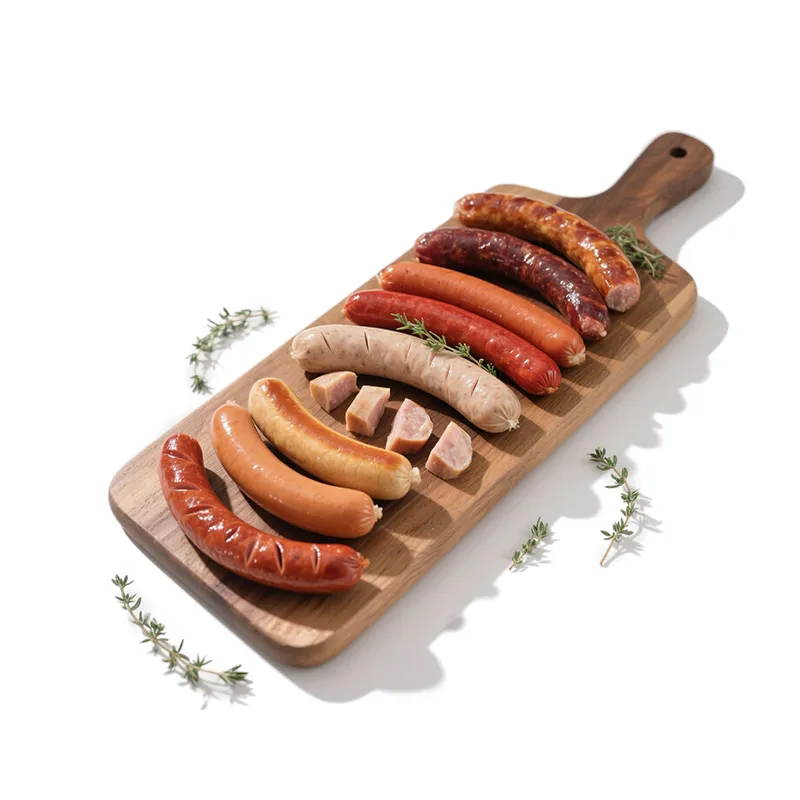
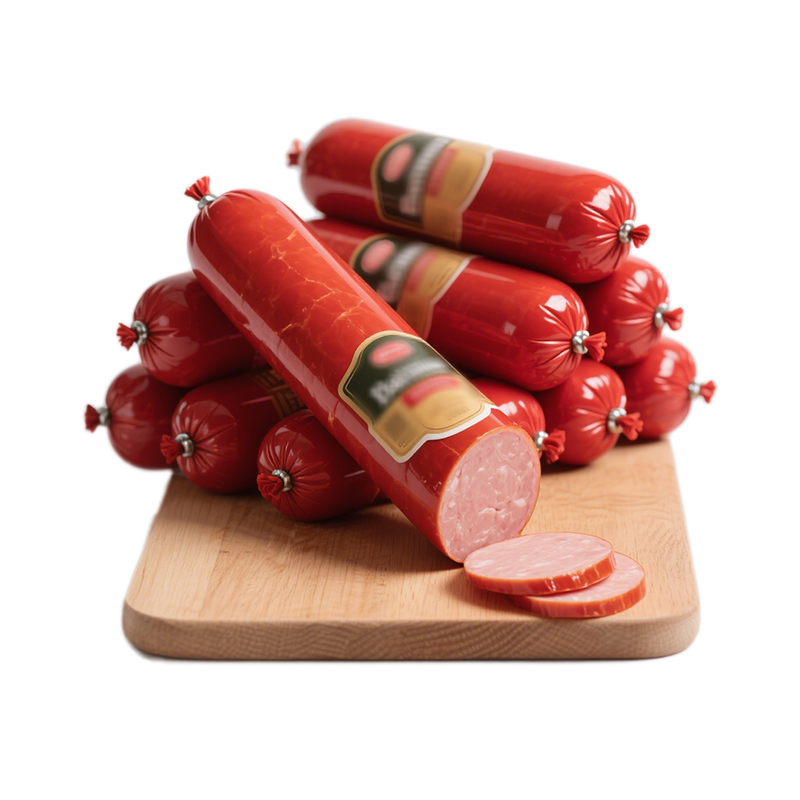
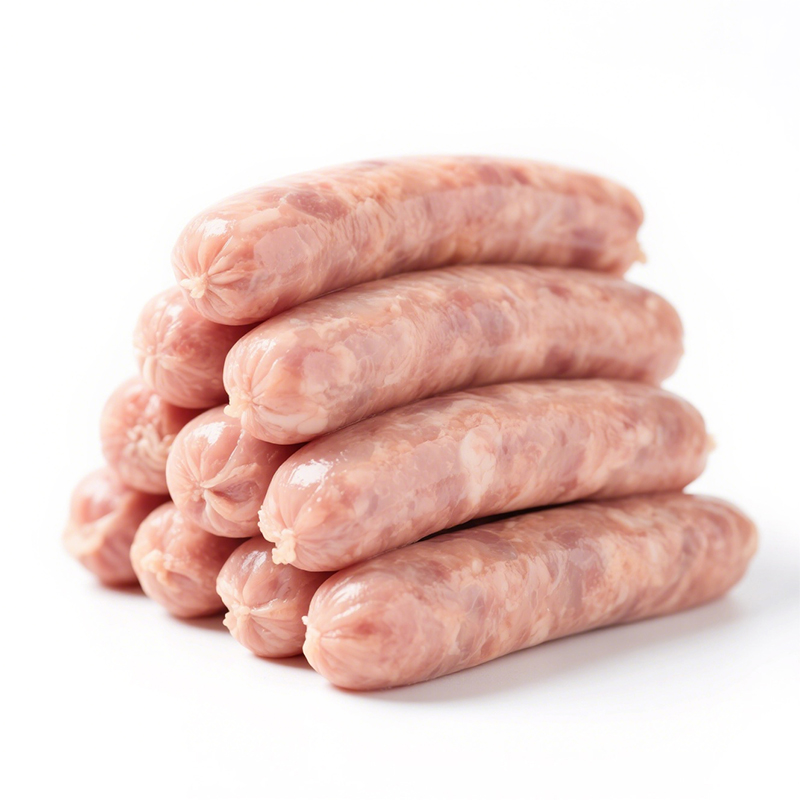
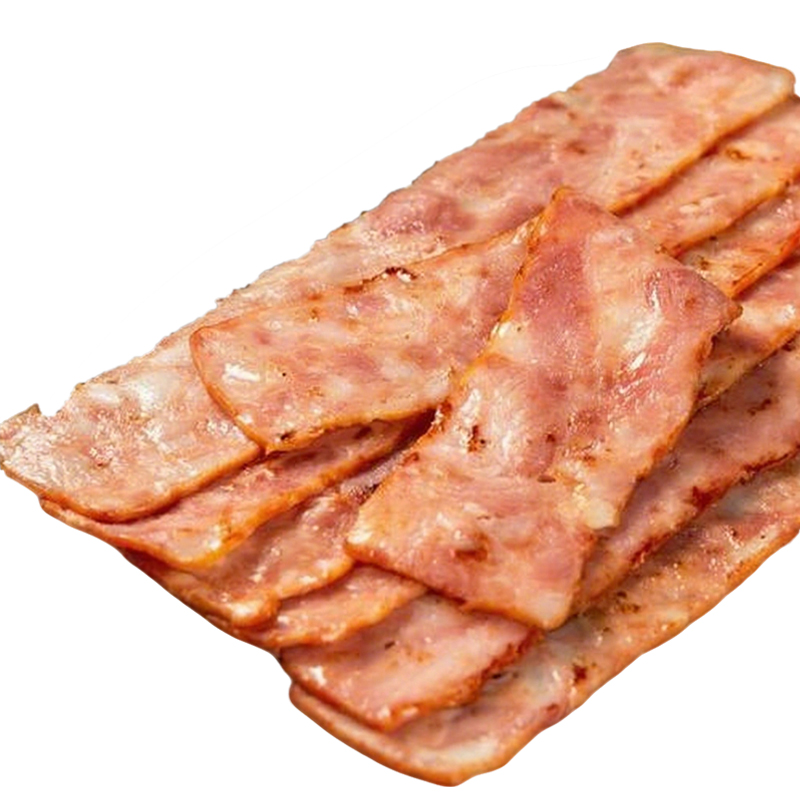
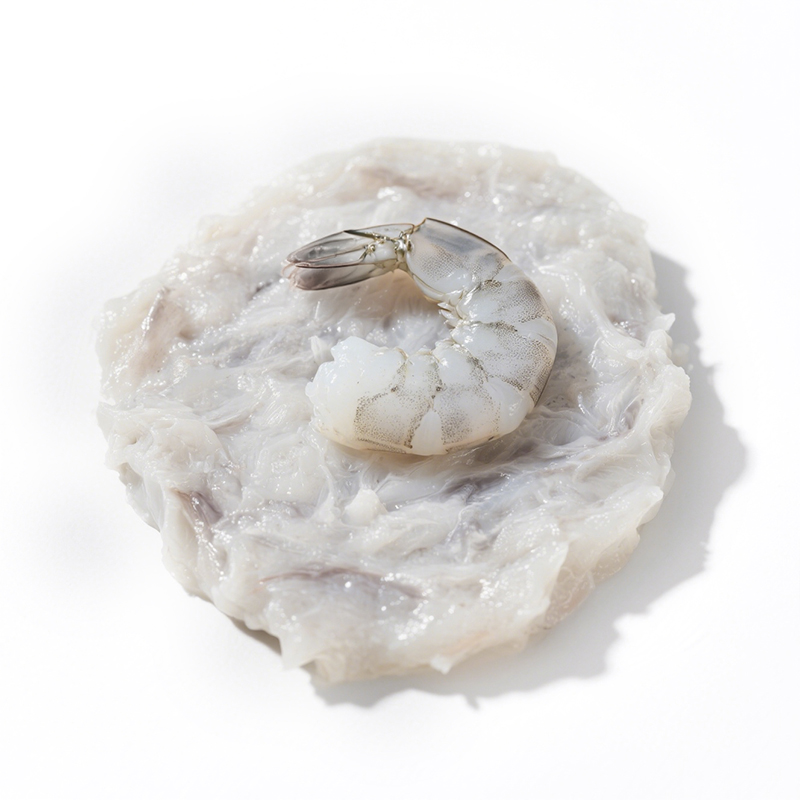
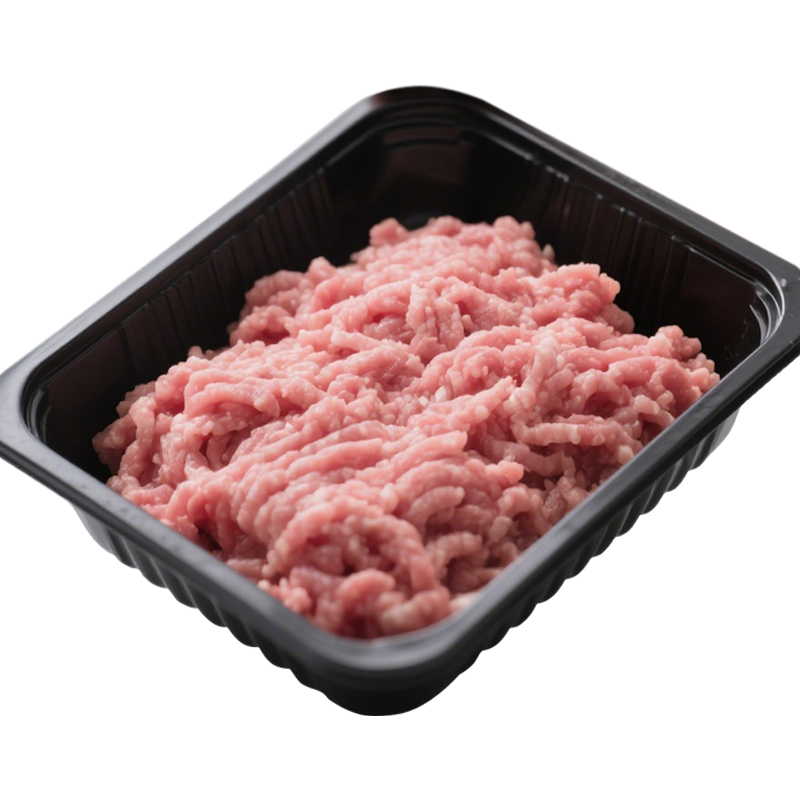
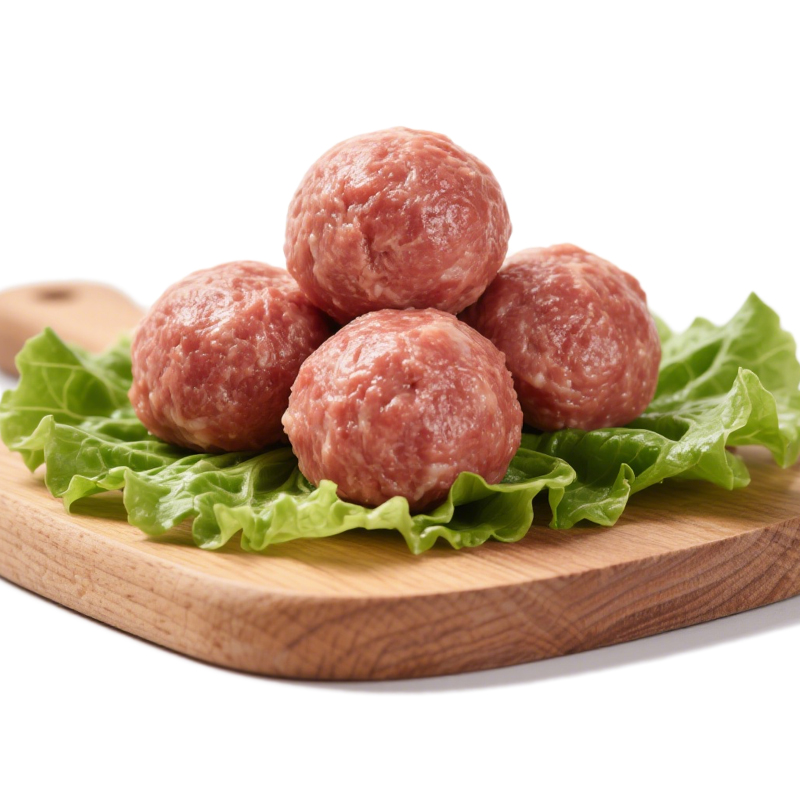
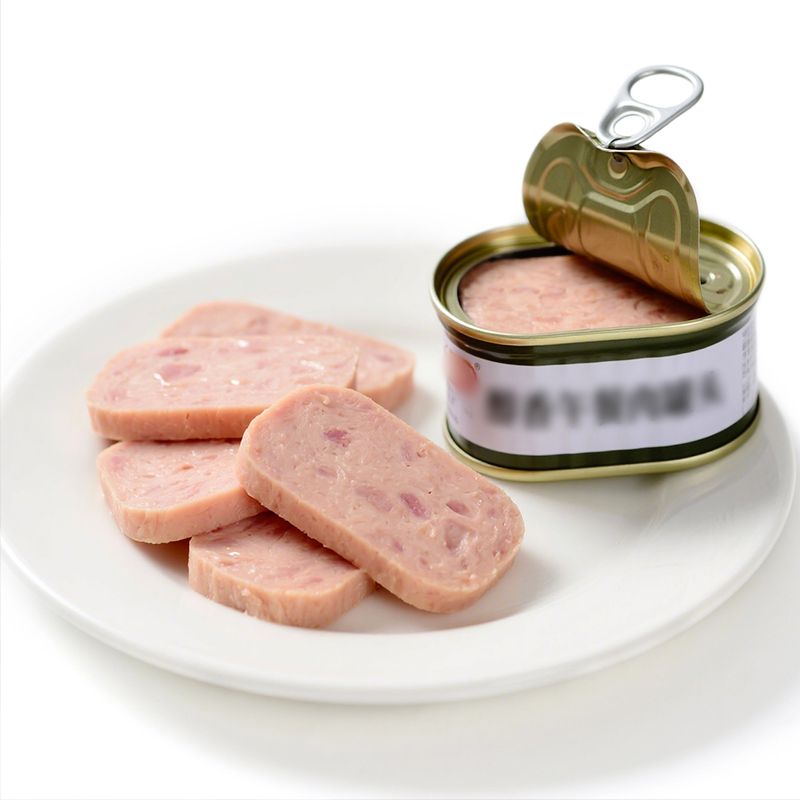
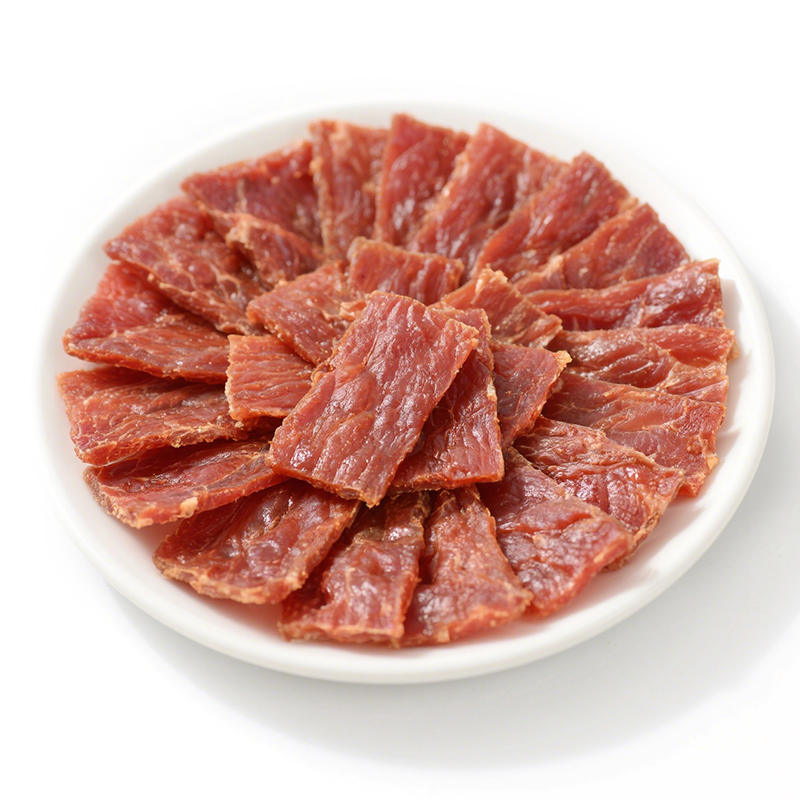
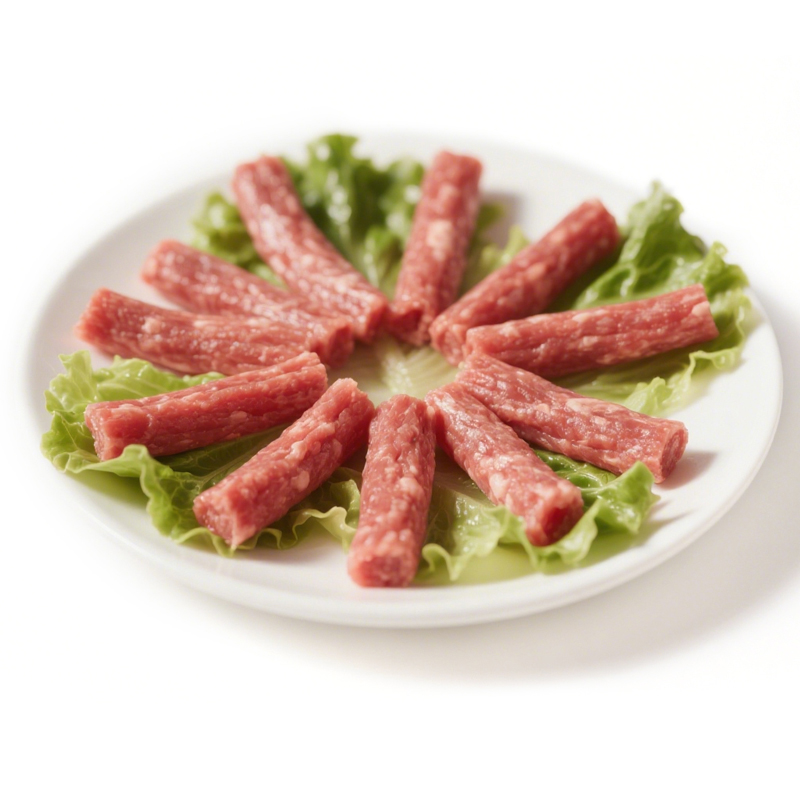
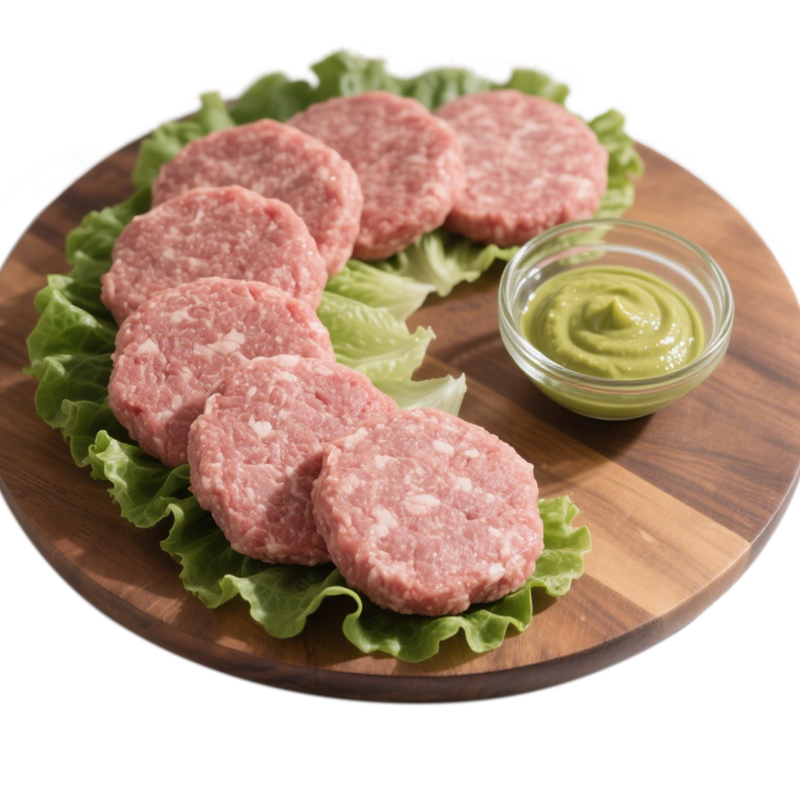

In the world of fresh meat products, two hands on the clock are perpetually ticking. One is the relentless countdown of microbial growth, demanding impeccable hygienic meat production. The other is the countdown to the consumer's expectation of peak flavor and texture, demanding unparalleled processing speed. For producers of fresh sausages, breakfast patties, and chilled bacon, this is the daily reality: a high-stakes race where the finish line is a perfect product on a store shelf or a restaurant plate, and the primary vehicle is the processing line itself.
Choosing the right equipment for this race isn't just about output; it's about creating a seamless, temperature-controlled, and impeccably clean bridge between the slaughterhouse and the consumer. Since 2008, Aokai has dedicated itself to engineering this bridge. We specialize in fresh meat processing equipment that is purpose-built to win this dual race, combining precision cold-chain integration with rapid, sanitary processing to protect both safety and quality from the first grind to the final package.
The Fresh Meat Imperative: Where Every Degree and Minute Counts
Fresh, minimally processed meat products represent the pinnacle of both opportunity and risk in the food industry. Unlike their shelf-stable or frozen counterparts, products like fresh bratwurst, gourmet sausage links, and fresh beef patties offer superior taste and a "premium" market appeal. However, they forfeit the preservative effects of extensive curing, smoking, or deep freezing. Their safety and quality window is defined by two interdependent factors:
Temperature Control: Pathogens like E. coli and Salmonella thrive in the "danger zone" (4°C to 60°C). Maintaining a core temperature at or below 4°C from raw material to packaging is non-negotiable for hygienic meat production.
Processing Speed: The total elapsed time from breaking down primals to having a packaged product back under refrigeration directly impacts bacterial load and product degradation. Slow lines mean warmer meat and shorter shelf life.
Traditional processing equipment often treats these as separate issues. A grinder might be powerful but generate excessive friction heat. A stuffer might be fast but difficult to clean, creating cross-contamination risks during batch changes. This is where the need for an integrated, intelligent high-efficiency sausage line becomes critical—a line designed for the fresh product from the ground up.
The Aokai Solution: Engineering the Cold, Fast, and Clean Process
At our Foshan manufacturing hub, we approach fresh meat processing equipment with a "cold-chain continuum" philosophy. We don't just build machines that handle cold meat; we build systems that actively preserve and defend the cold chain while operating at breathtaking speeds.
1. The Chilled Core: Temperature Integrity by Design
For a Fresh Sausage Processing Line, temperature control is the lead actor, not a supporting role. Our solutions feature:
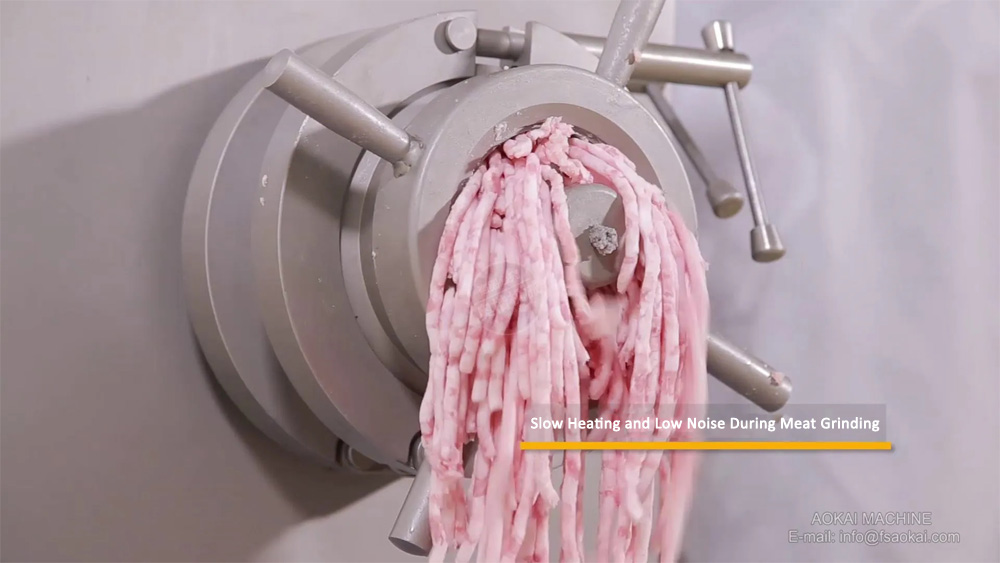
Cryogenic Grinding & Mixing Integration: Pre-chilled grinders and vacuum mixers with jacketed bowls are standard. We can integrate CO2 or liquid nitrogen injection points directly into the grinding head, instantly counteracting frictional heat rise and keeping product temperature below 0°C during size reduction.
Cold-Room Synced Logistics: Our lines are designed for direct integration with client cold rooms. Conveyors are short, enclosed, and can be refrigerated. Hopper chillers ensure that even during brief transfers, the meat mass stays within the 0-4°C safety window.
"Zero Thermal Gain" Filling: Our hydraulic and vacuum stuffers for fresh sausage are engineered with thermal-massive, chilled stuffing horns and barrels. The result is a high-efficiency sausage line that places product into casings without adding the degrees that compromise safety or cause fat smearing.
2. Hygiene Built into Every Curve and Joint
Speed cannot come at the expense of cleanliness. Our hygienic meat production design principles are paramount:
No-Dead-Leg Filling Technology: Critical for fresh sausage, our proprietary piston and valve designs ensure that at the end of each batch or shift, virtually zero product residue remains inside the stuffer. This eliminates the risk of old, warming product contaminating a new batch—a common flaw in standard equipment.
Tool-Free, Quick-Disassembly (QD) Architecture: For a Bacon Processing Line involving slicing and packaging, or a patty line for cleaning, every product-contact part can be removed, cleaned, and reassembled in minutes without tools. This encourages frequent, thorough sanitation and slashes downtime.
Seamless, Mirrored-Finish Surfaces: All stainless-steel surfaces are electropolished to a mirror finish. This creates an ultra-smooth surface that bacteria cannot easily adhere to and allows for complete water and chemical runoff during washdown.
3. Speed Through Intelligence, Not Just Force
Efficiency in fresh processing is about smart speed. Our equipment uses intelligent controls to minimize handling and delay:
Parameter Memory for Fresh Products: A single touchscreen can recall the perfect recipe: grind size, mixing time under vacuum, stuffing pressure, and linking length for a fresh breakfast sausage versus a fresh Italian sausage. This eliminates costly trial-and-error during changeovers.
Direct-to-Packaging Flow: For products like fresh patties or bacon, we design lines where the former or slicer feeds directly into a modified atmosphere packaging (MAP) machine. The product is exposed to ambient air for seconds, not minutes, preserving color and microbiology.
Industry Analysis: The Cost of Compromise in Fresh Meat Processing
The financial impact of choosing inadequate equipment for fresh meat is severe. It's measured not just in recall costs, but in wasted product, shortened shelf-life, and rejected shipments. The table below contrasts the outcomes of a generalized line versus a purpose-built Aokai line for fresh products.
| Performance Parameter | General-Purpose Processing Line | Aokai Purpose-Built Fresh Meat Line |
| Avg. Product Temp. Increase | High (+5°C to +8°C common through grinding & mixing) | Minimal (+0°C to +2°C, actively managed with cooling) |
| Typical Batch Changeover/Clean Time | 60-90 minutes (complex disassembly, manual cleaning) | 20-30 minutes (QD design, CIP options) |
| Microbial Load Post-Processing | Higher baseline due to heat and potential residue. | Significantly lower baseline, extending shelf-life potential. |
| Shelf-Life Consistency | Variable, often shorter than theoretical maximum. | Consistent, reliably achieving target shelf-life (e.g., 21-28 days under MAP). |
| Product Quality (Color, Texture, Fat Integrity) | Risk of fat smearing, duller color due to temperature abuse. | Superior fat definition, brighter, more appealing fresh color. |
| Operational Cost Per Kg | Hidden costs high (product loss, energy for over-cooling, labor for cleaning). | Lower and transparent; efficiency gains offset capital investment. |
Spotlight on Fresh & Bacon Lines: A Tale of Two Applications
Deep Dive: The Fresh Sausage Processing Line
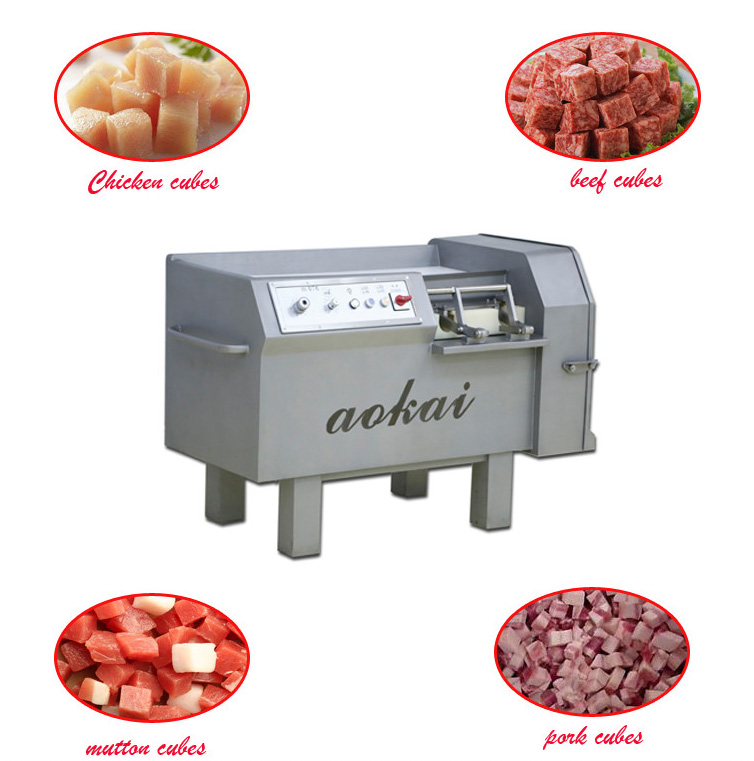
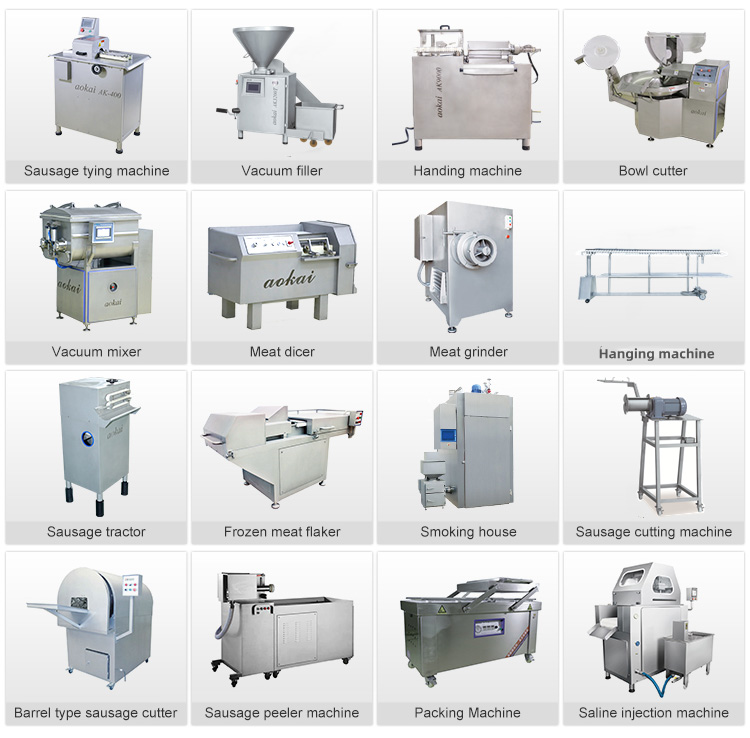
For a fresh sausage producer, the line is their entire identity. Aokai’s integrated system begins with a chilled bone-in/deboning conveyor (if needed), feeding into a pre-chilled grinder. The minced meat falls into a vacuum mixer, where seasonings are incorporated under cold conditions to prevent oxidation. The cold emulsion is then transferred via a refrigerated pump to a vacuum stuffer. Here, our "no-residue" technology ensures that the first link and the ten-thousandth link have identical freshness and composition. High-speed linking and portioning are followed by immediate passage through a blast chaser before packaging. This isn't just a line; it's a preservation ecosystem.
Deep Dive: The Bacon Processing Line (Fresh/Sliced)
While bacon is often cured, the slicing and packaging of fresh, chilled bacon bellies present unique challenges. Our Bacon Processing Line focuses on precision and temperature. High-capacity slicers are housed in chillers or equipped with direct-contact cooling plates to keep the product firm for perfect slices. The slices are conveyed on a refrigerated belt for mere seconds before being gently layered into pre-formed MAP trays. The line’s speed ensures that the delicate, high-fat product does not warm and become tacky, which would cause clumping and machine jams. Every surface from the slicer blade to the tray sealer is designed for a daily high-temperature, high-pressure washdown.
Frequently Asked Questions (FAQ)
Q1: We're a mid-sized artisan producer. Is this level of integrated, high-tech fresh meat processing equipment out of our reach?
A: Not at all. Aokai’s core is "flexible standard machines with customized modifications." We offer scalable solutions. You might start with a core high-efficiency sausage line built around a key piece like our chilled grinder-stuffer combo, designed for easy future integration of a mixer or linker. We build for your growth, not just your current volume.
Q2: How do you validate the temperature control claims for your Fresh Sausage Processing Line?
A: During factory acceptance tests (FAT) at our facility or at your site, we can conduct thermal validation runs. Using data loggers placed within the meat mass, we can map the temperature from intake to discharge, providing you with a certified report showing compliance with your HACCP critical limit (e.g., never exceeding 4°C).
Q3: Our main issue is product consistency in fresh patties—some are loose, some are dense. Can your equipment help?
A: Absolutely. Inconsistency often stems from variable temperature and mixing. Our patty forming lines integrate precise pre-forming chilling and mixing. The forming machines themselves apply consistent pressure and vacuum, ensuring each patty has identical texture, bind, and weight, crucial for both foodservice and retail.
Q4: We produce both fresh and smoked bacon. Can one Bacon Processing Line handle both?
A: Yes, with smart configuration. The core slicing and packaging modules are common. The key is in upstream handling. We can design the line with a bypass conveyor for bringing in pre-cooked/smoked product versus a direct path for fresh bellies, with the slicer parameters adjustable via the central control panel for the different product textures.
Q5: What kind of after-sales support is crucial for maintaining a hygienic meat production line?
A: Beyond spare parts, the most valuable support is knowledge transfer. Our team provides extensive training on the why behind the design—how to properly disassemble, what cleaning agents to use, and how to inspect for wear that could compromise hygiene. We also offer scheduled preventive maintenance visits to keep your line performing like new.
Q6: How do you ensure your equipment meets the specific regulatory requirements of different countries for fresh meat exports?
A: Our baseline design adheres to the strictest international standards (FDA, EU materials directives). For specific export markets, our engineering team reviews the destination country’s agricultural and food safety agency requirements. We then ensure the equipment, its documentation, and the suggested operational protocols are aligned, often providing a compliance dossier to support your export certifications.
A Call to Action: Stop Compromising, Start Optimizing
The market for high-quality fresh meat products is expanding, but it is unforgiving. Consumers and retailers demand perfection. Continuing with equipment that forces you to choose between speed and safety, or that silently steals days from your product's shelf-life, is a recipe for limitation.
It's time to equip your business not just to compete, but to lead. To turn the challenges of hygienic meat production into your most powerful marketing story.
Initiate a Fresh Process Review with Aokai Today. Contact our specialized fresh foods engineering team. Share the challenges you face with your current Fresh Sausage Processing Line or Bacon Processing Line. We will provide a detailed, no-obligation analysis and propose a high-efficiency sausage line or patty line solution engineered to deliver measurable gains in shelf-life, yield, and operational smoothness.
Ask us for case studies from similar fresh meat processors and arrange to see the principles of our fresh meat processing equipment in action.
Conclusion: The Future of Fresh is Engineered
In the end, the quality and safety of a fresh sausage or a package of bacon are not determined in the final inspection room. They are determined by the engineering of the line that produced them. Every degree of heat avoided, every minute saved in processing, every surface perfectly cleaned contributes directly to a superior product and a more profitable, resilient business.
Aokai’s 17 years of focus have taught us that fresh meat processing equipment must be more than durable and fast; it must be an active participant in preservation. By choosing partners who understand the profound "hygiene + speed" equation, forward-thinking processors are not just buying machinery—they are investing in the integrity of their brand and the loyalty of their customers for years to come. The race is on. Ensure your equipment is built to win it.