

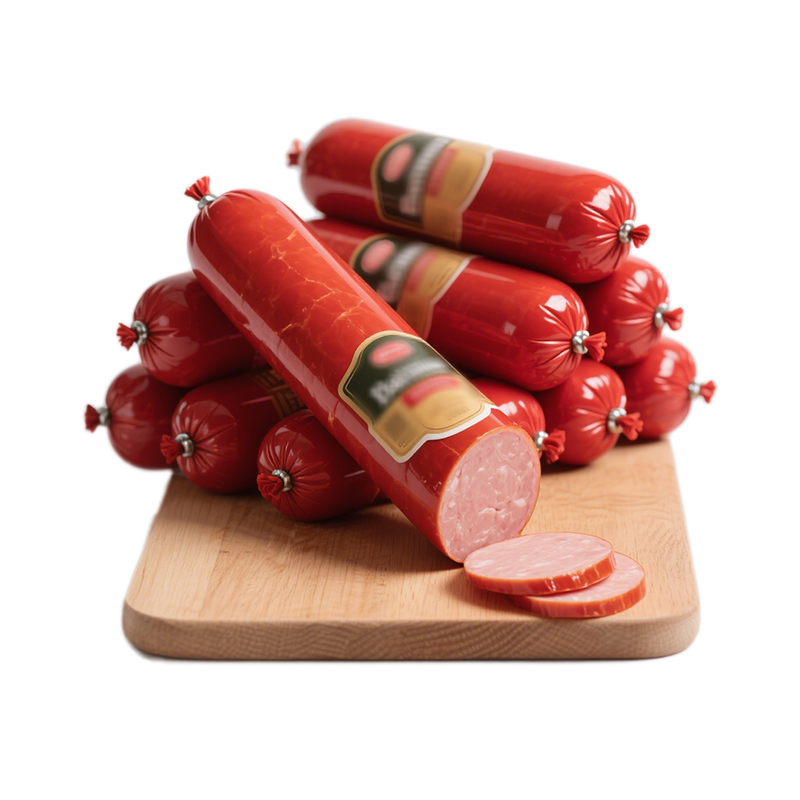
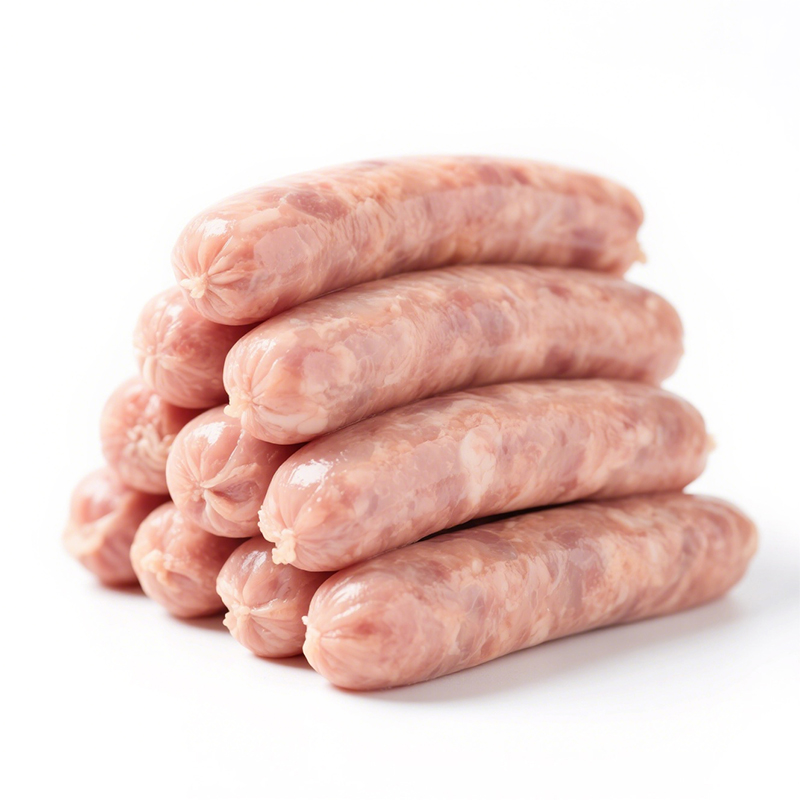


In the global meat processing industry, sausage production remains one of the most technically diverse and equipment-intensive segments. From fresh sausages and cooked products to cured and smoked varieties, each category places different demands on machinery accuracy, hygiene, and operational stability.
As processors face rising labor costs, stricter food safety regulations, and growing pressure to maintain consistent quality across markets, understanding the different types of sausage machines is no longer a basic technical issue—it is a strategic decision that directly impacts productivity, compliance, and long-term competitiveness.
Why Sausage Machinery Is No Longer “One-Size-Fits-All”
In the past, many factories relied on multifunctional equipment with manual adjustments. While workable, this approach often led to inefficiencies, product inconsistency, and higher compliance risks.
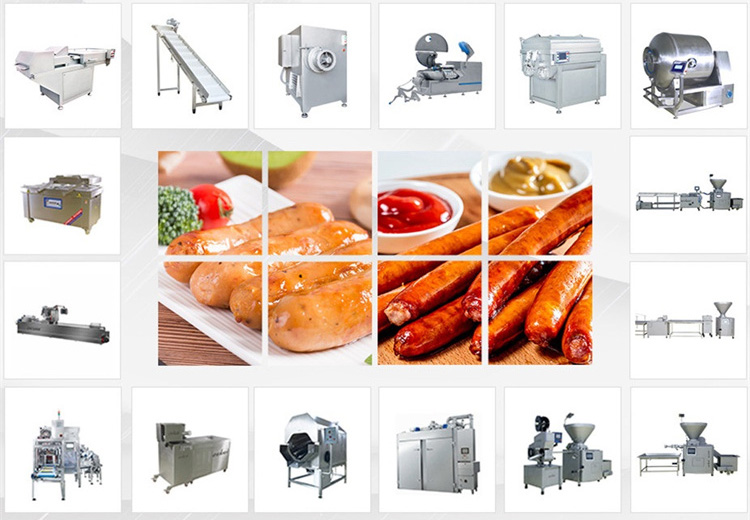
Modern sausage production is built around specialized machines, each designed for a precise process step. A complete line may include grinding, filling, casing, portioning, tying, cutting, peeling, clipping, and packaging—each requiring dedicated equipment engineered for reliability and hygiene.
Understanding how these machines work together is essential for building a scalable and export-ready production system.
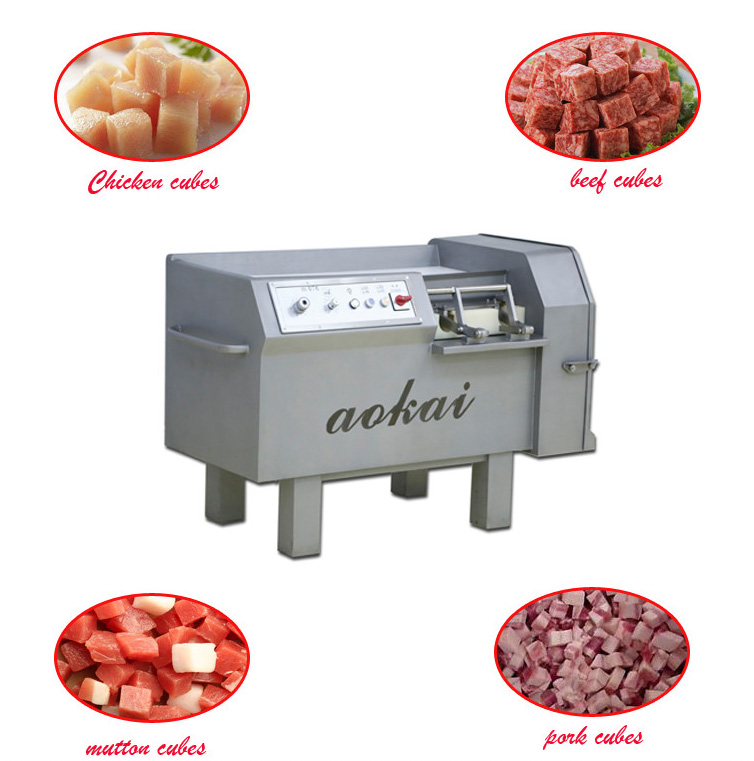
Sausage Casing Machines: Where Product Shape Begins
The Sausage Casing Machine plays a foundational role in sausage production. It applies natural or artificial casings evenly over the filling horn, ensuring consistent diameter and surface integrity.
A high-quality Sausage Casing Machine minimizes air inclusion, supports smooth feeding, and adapts easily to different casing materials. In export-oriented factories, casing machines must also meet strict hygiene and material standards to comply with CE and USDA requirements.
Advanced systems integrate seamlessly with upstream fillers, reducing manual handling and improving throughput stability.
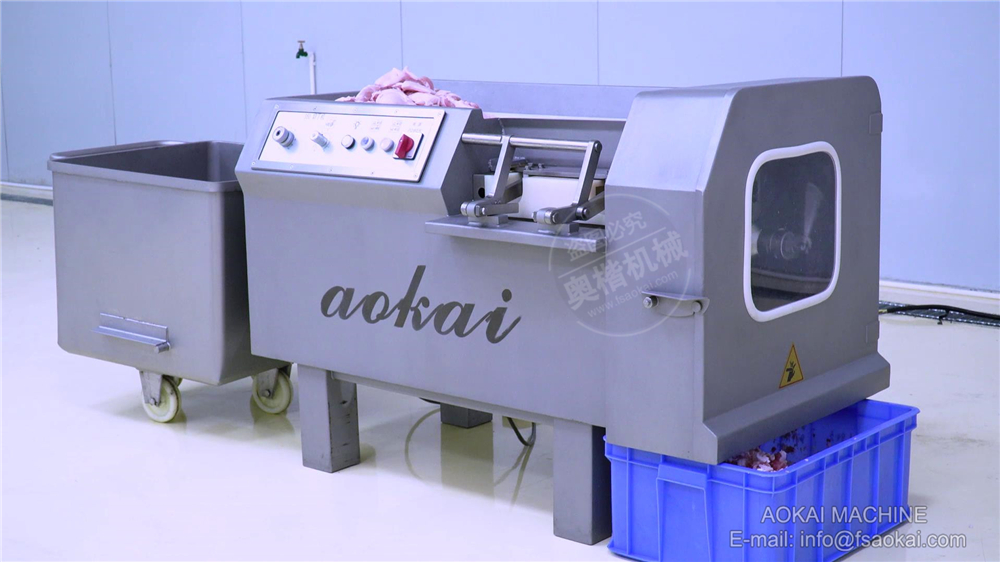
Sausage Clipping Machines: Ensuring Seal Integrity and Safety
Once the casing is filled, secure closure becomes critical. The Sausage Clipping Machine is designed to apply aluminum or plastic clips with precise force control, preventing leakage and ensuring uniform product length.
In regulated markets such as the United States and Europe, Sausage Clipping Machine design must incorporate safety guarding, emergency stop systems, and validated clipping strength. These features are essential for consistent performance during high-speed production.
Modern clipping machines are often servo-driven, allowing processors to switch between product sizes without mechanical reconfiguration.
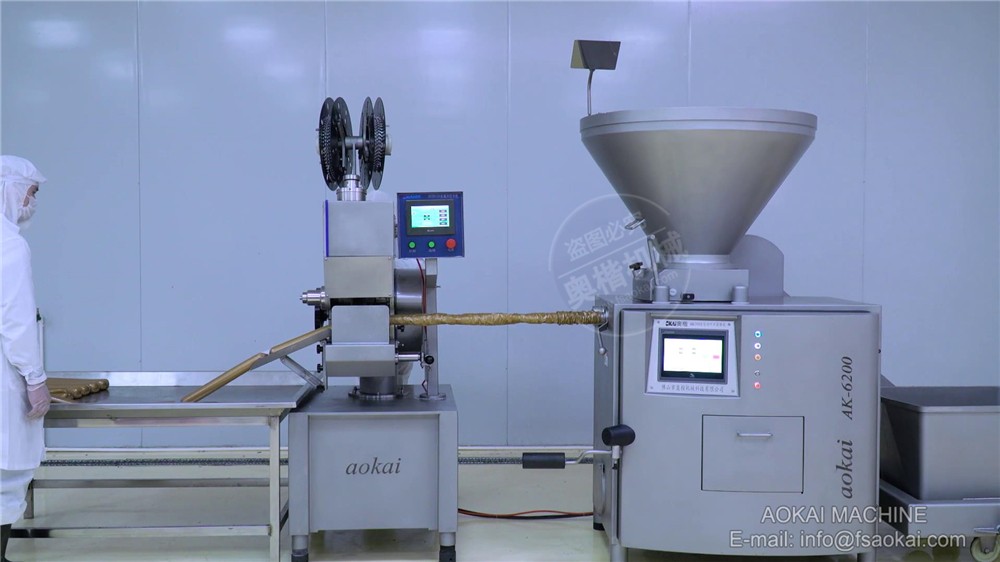
Sausage Tying Machines: Improving Portion Accuracy and Efficiency
For products requiring traditional appearance or flexible portioning, the Sausage Tying Machine offers an efficient alternative to manual tying. It uses food-grade string or automated knotting systems to divide sausages into uniform links.
A reliable Sausage Tying Machine improves weight consistency and reduces labor dependency, particularly in fresh and regional sausage production. From a certification standpoint, hygienic design and easy-clean construction are critical for market acceptance.
These machines are widely used in both small-batch specialty lines and larger industrial operations.
Sausage Cutter Machines: Precision Portioning for Consistency
The Sausage Cutter Machine is responsible for separating linked sausages into individual units or retail-ready portions. Accuracy at this stage directly affects packaging efficiency and visual uniformity.
Advanced Sausage Cutter Machine designs use sensor-based positioning to ensure clean cuts without casing damage. This is particularly important for high-speed lines supplying supermarkets, where appearance consistency influences consumer trust.
In export markets, cutter machines must comply with safety standards related to blade guarding and operator protection.
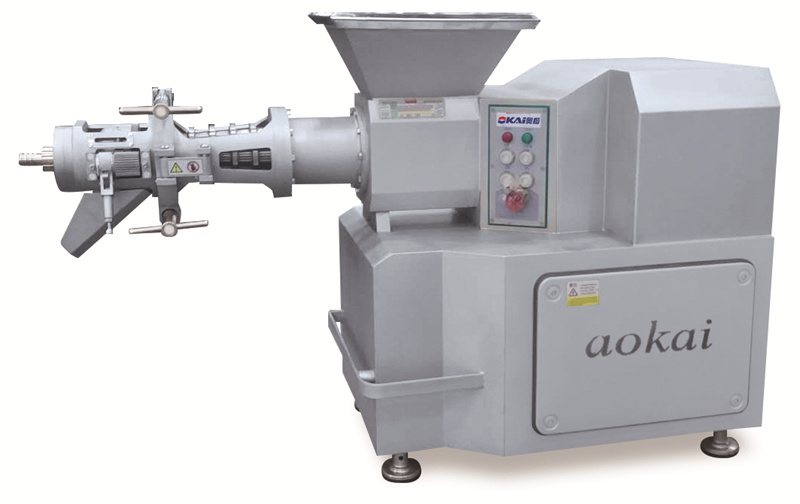
Sausage Peeling Machines: Supporting Skinless Product Lines
For skinless sausages, the Sausage Peeling Machine is indispensable. It removes cellulose or collagen casings after cooking, preparing products for final packaging.
A high-performance Sausage Peeling Machine ensures smooth surface finish without tearing or deformation. This capability is critical for hot dog and frankfurter production aimed at North American markets.
From a regulatory perspective, peeling machines must meet sanitation requirements, including washdown compatibility and food-contact material certification.
How International Certifications Shape Machine Design
For sausage machinery entering Europe and North America, certification is not optional. CE marking governs mechanical safety, electrical stability, and hygienic design in the EU, while USDA and FDA standards apply to equipment used in US meat plants.
Each Sausage Casing Machine, Sausage Clipping Machine, and Sausage Cutter Machine must be designed with these standards in mind—covering everything from surface finish to documentation and traceability.
Manufacturers with real export experience understand how to integrate these requirements into engineering rather than treating them as afterthoughts.
Industry Analysis: Key Performance Parameters by Machine Type
| Machine Type | Core Function | Efficiency Impact | Compliance Sensitivity |
| Sausage Casing Machine | Casing application | High | Very High |
| Sausage Clipping Machine | End sealing | High | High |
| Sausage Tying Machine | Portion linking | Medium | Medium |
| Sausage Cutter Machine | Portion separation | Medium | High |
| Sausage Peeling Machine | Casing removal | High | Very High |
This breakdown helps processors evaluate which machines are most critical when upgrading or expanding production.
Aokai’s Experience in Building Complete Sausage Systems
Founded in 2008, Aokai brings more than 17 years of experience as a professional manufacturer of meat processing machinery. Based in Foshan, China, the company provides one-stop solutions covering grinding, filling, casing, portioning, and intelligent packaging.
Aokai’s core advantage lies in flexible standard machines with customized modifications, allowing customers to configure each Sausage Tying Machine or Sausage Peeling Machine to suit specific product requirements and regulatory environments.
With equipment exported to the US, Mexico, and the Philippines, Aokai has demonstrated its ability to deliver reliable sausage machinery that performs under diverse compliance frameworks.
Building Trust Through Long-Term Support
In modern sausage production, machines must evolve alongside market demand. A reliable supplier provides not only equipment, but also ongoing technical support, performance upgrades, and spare parts availability.
Aokai’s customer-centric approach emphasizes continuous improvement across all machine categories, from Sausage Cutter Machine systems to advanced Sausage Clipping Machine solutions.
This long-term mindset is increasingly valued by processors navigating volatile global supply chains.
FAQ: Common Questions About Sausage Machines
Q1: Do all sausage producers need every machine type?
Not necessarily. Machine selection depends on product type, volume, and target market.
Q2: Can machines be integrated into existing lines?
Yes. Modular design allows Sausage Casing Machine and Sausage Cutter Machine units to be added progressively.
Q3: How important is certification for export?
Essential. CE and USDA compliance are mandatory for many markets.
Q4: Are automated systems suitable for small factories?
Yes. Compact Sausage Tying Machine and Sausage Peeling Machine solutions are available for smaller operations.
Q5: How does after-sales service affect ROI?
Strong support ensures stable performance and extends equipment lifespan.
Call to Action: Choose Equipment That Grows with Your Business
As sausage markets become more competitive and regulated, investing in the right machinery mix is critical. Specialized machines improve efficiency, reduce risk, and support long-term growth.
Aokai works closely with global processors to design sausage systems that meet today’s standards while remaining flexible for tomorrow’s demands. From equipment selection to technical support, the focus is always on creating sustainable value.
If you are planning to upgrade or expand your sausage production, now is the time to evaluate whether your machinery truly supports your ambitions.
Conclusion: Understanding Machines Is the First Step Toward Better Sausage Production
Sausage production is a sequence of precision-driven processes, each requiring the right machine to achieve consistent results. From casing and clipping to cutting and peeling, every step influences product quality and market acceptance.
By choosing reliable, certified equipment—and partners with proven export experience—processors can build sausage lines that are efficient, compliant, and future-ready.
In a global market shaped by quality and trust, the right sausage machines make all the difference.