


In today’s global meat industry, profitability is increasingly defined by two technical indicators: output yield and quality consistency. As consumer expectations rise and regulatory oversight tightens, manufacturers are under pressure to reduce raw material loss while delivering uniform texture, appearance, and shelf life across every batch.
At the heart of this challenge lie the most critical processing stages—grinding, mixing, filling, and packaging. Equipment performance at these points directly determines whether protein structure is preserved or damaged, whether fat smearing occurs, and whether final products meet weight and hygiene standards. As a result, upgrading key equipment has become a strategic priority rather than a routine replacement decision.
Industry Reality: Why Yield Loss and Quality Fluctuation Still Occur
Despite automation advances, many meat processors still rely on outdated or mismatched systems. Inconsistent grinding temperatures, unstable filling pressure, and manual packaging transitions are common root causes of yield loss.
Modern Meat Processing Machines are expected to deliver precision, not just throughput. Without accurate particle size control and gentle handling, protein denaturation increases, leading to purge loss, texture inconsistency, and reduced cooking yield.
This is particularly evident in high-volume sausage production, where Sausage Making Machines must balance speed with structural integrity. Small inefficiencies at each stage compound into significant material loss over time.
Grinding Upgrades: Protecting Protein Integrity from the Start
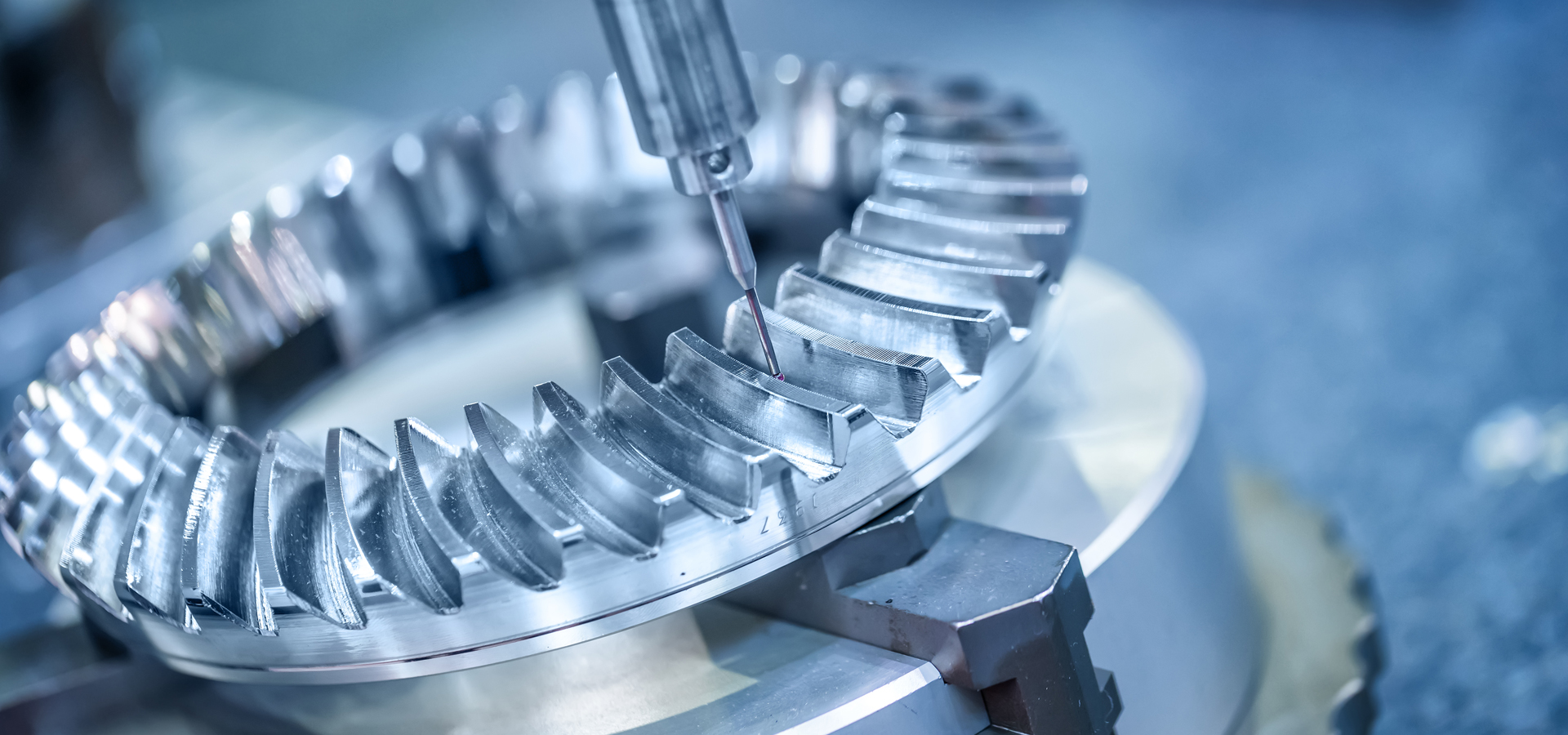
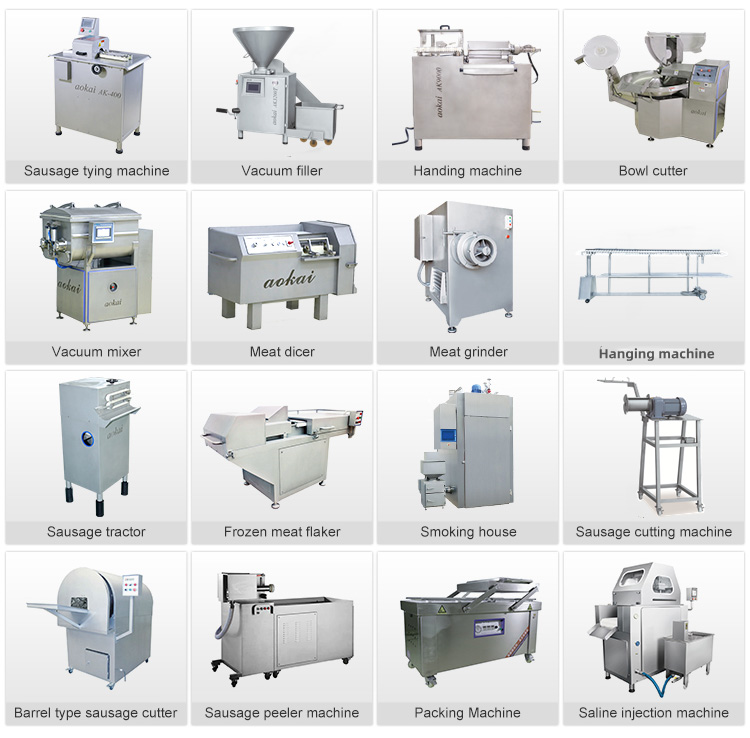
Grinding is the first decisive step. Equipment upgrades now focus on temperature control, cutting geometry, and motor stability. Advanced Meat Processing Machines use optimized screw designs and hardened blade systems to reduce friction heat and maintain uniform particle size.
For processors expanding capacity, modular Sausage Making Machines allow interchangeable grinding plates for different formulations, enabling precise adaptation without replacing the entire unit. This flexibility directly improves yield stability across product lines.
Equally important is integration with Auxiliary Equipment such as pre-breakers and buffer hoppers, which ensure consistent feed rates and eliminate pressure fluctuations that cause uneven grinding.
Filling Technology: From Mechanical Output to Intelligent Control
Filling is often the most underestimated stage in yield optimization. Inconsistent pressure leads to air pockets, casing damage, and inaccurate portioning.
Next-generation Sausage Making Machines incorporate servo-driven filling systems that dynamically adjust pressure based on product viscosity. These systems significantly reduce rework and overfilling, improving weight accuracy and reducing giveaway.
High-performance Meat Processing Machines now integrate directly with clipping and linking modules, creating a closed-loop system that stabilizes output even during long production runs. When paired with precision Auxiliary Equipment, changeover time is shortened without sacrificing consistency.
Packaging and End-of-Line Efficiency
Yield preservation does not end at filling. Packaging accuracy and handling integrity are equally critical. Advanced Sausage Packaging Machines ensure tight sealing, controlled atmosphere conditions, and accurate labeling—key factors in shelf-life stability.
For high-volume plants, a fully automated Packing And Palletizing Line eliminates manual handling errors, reduces contamination risk, and maintains consistent product orientation. This level of automation is increasingly essential for export-oriented processors.
By integrating Sausage Packaging Machines with upstream systems, manufacturers gain real-time visibility into output performance, enabling faster corrective action and data-driven optimization.
Industry Analysis: Key Performance Improvement Parameters
| Processing Stage | Traditional Setup | Upgraded Equipment System |
| Grinding Temperature Rise | 6–8°C | ≤2°C |
| Portion Weight Deviation | ±3–5% | ±0.5–1% |
| Yield Loss Rate | 4–6% | 1–2% |
| Changeover Time | 60–90 min | 20–30 min |
| Labor Dependency | High | Reduced by 40% |
| Hygiene Compliance | Basic | International standards |
These improvements highlight why investment in integrated Meat Processing Machines and Auxiliary Equipment delivers measurable ROI rather than theoretical efficiency gains.
Aokai’s Engineering Approach: Standardized Reliability with Custom Precision
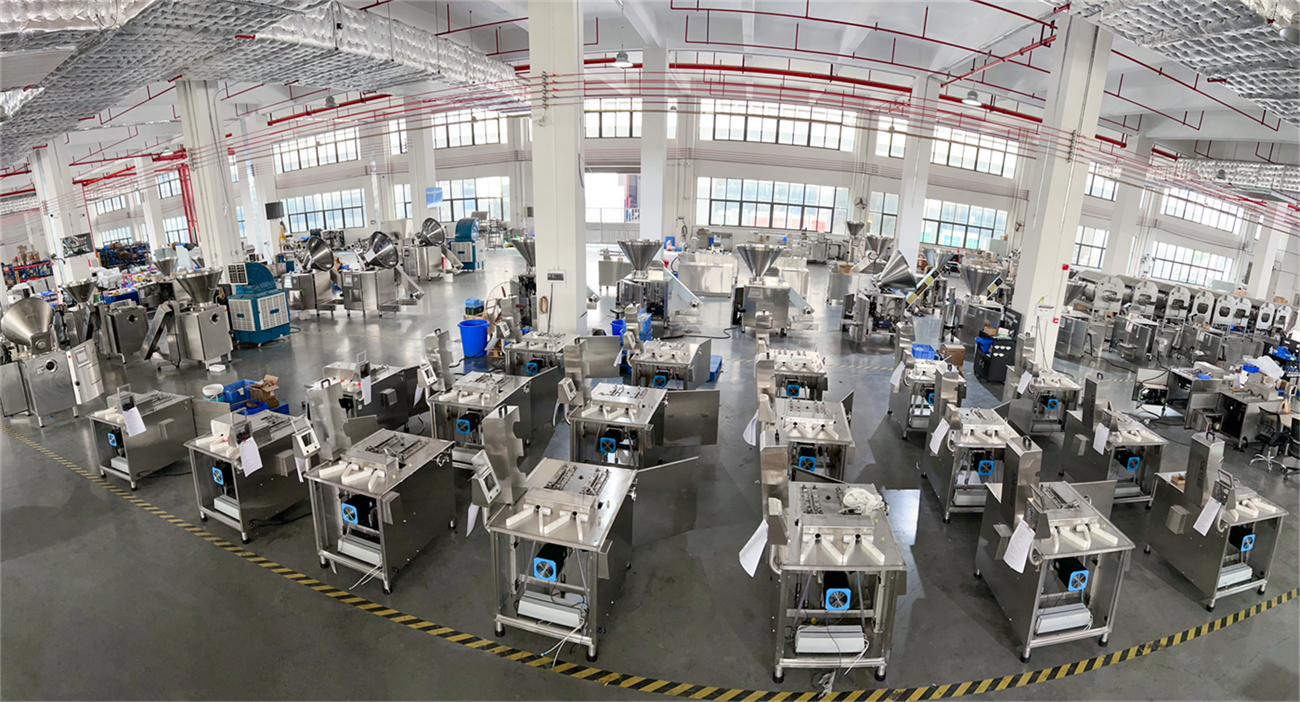
Founded in 2008, Aokai has accumulated over 17 years of experience as a professional manufacturer serving global meat processors. Based in Foshan, China, the company provides one-stop solutions covering grinding, filling, and intelligent packaging.
Rather than offering rigid systems, Aokai focuses on flexible standard machines with customized modifications. This allows processors to scale operations while maintaining compatibility across Sausage Making Machines, Sausage Packaging Machines, and Packing And Palletizing Line configurations.
Exported to markets including the US, Mexico, and the Philippines, Aokai’s equipment is designed and manufactured under international standards, ensuring consistent reliability across diverse regulatory environments.
Digital Integration and Predictive Stability
Modern upgrades increasingly incorporate sensors and data interfaces. Intelligent Meat Processing Machines monitor torque, temperature, and pressure in real time, alerting operators before deviations impact yield.
When connected to Auxiliary Equipment, these systems create a unified production ecosystem where bottlenecks are identified instantly. Downstream, Sausage Packaging Machines feed data into palletizing logic, optimizing stacking patterns within the Packing And Palletizing Line.
This digital continuity is no longer a luxury—it is a competitive necessity.
FAQ: Common Questions from Meat Processors
Q1: Which upgrade delivers the fastest yield improvement?
Grinding and filling upgrades typically show the quickest ROI, especially when Sausage Making Machines are replaced with servo-controlled systems.
Q2: Can existing lines be partially upgraded?
Yes. Modular Meat Processing Machines and compatible Auxiliary Equipment allow phased upgrades without halting production.
Q3: How does automation affect quality consistency?
Automation reduces human variability. Integrated Sausage Packaging Machines and controlled filling systems significantly improve uniformity.
Q4: Is palletizing automation suitable for mid-sized plants?
Absolutely. A compact Packing And Palletizing Line can be scaled to match current output and expanded later.
Q5: How important is after-sales technical support?
Critical. Continuous performance optimization ensures long-term value from Meat Processing Machines and related systems.
Call to Action: Turning Equipment Upgrades into Strategic Advantage
In an industry where margins are increasingly tight, yield improvement and quality stability are among the few controllable levers. Strategic equipment upgrades are not just technical decisions—they are business investments.
Aokai works closely with manufacturers to identify bottlenecks, translate production goals into engineered solutions, and deliver long-term support. From core Sausage Making Machines to intelligent Packing And Palletizing Line systems, the focus remains on measurable performance gains.
If your facility is preparing for capacity expansion or quality upgrades, now is the time to evaluate how your key processing stages perform.
Conclusion: Precision at Every Stage Defines Tomorrow’s Competitiveness
The future of meat processing belongs to manufacturers who master consistency without sacrificing efficiency. By upgrading grinding, filling, and packaging systems, processors can significantly improve yield while maintaining product integrity.
Integrated Meat Processing Machines, supported by reliable Auxiliary Equipment, advanced Sausage Packaging Machines, and a streamlined Packing And Palletizing Line, form the backbone of modern production.
In a market driven by quality, compliance, and speed, precision is no longer optional—it is the standard by which success is measured.