


For meat processors evaluating expansion or modernization, one question often comes up:
Should we continue with traditional equipment, or invest in a complete sausage production line?
This is not just a technical decision—it directly affects production efficiency, product consistency, labor costs, and long-term profitability. Understanding the real differences between sausage processing line vs manual production is essential before making any investment.
This article provides a practical comparison based on efficiency, cost, and quality—helping buyers make informed decisions with real ROI in mind.
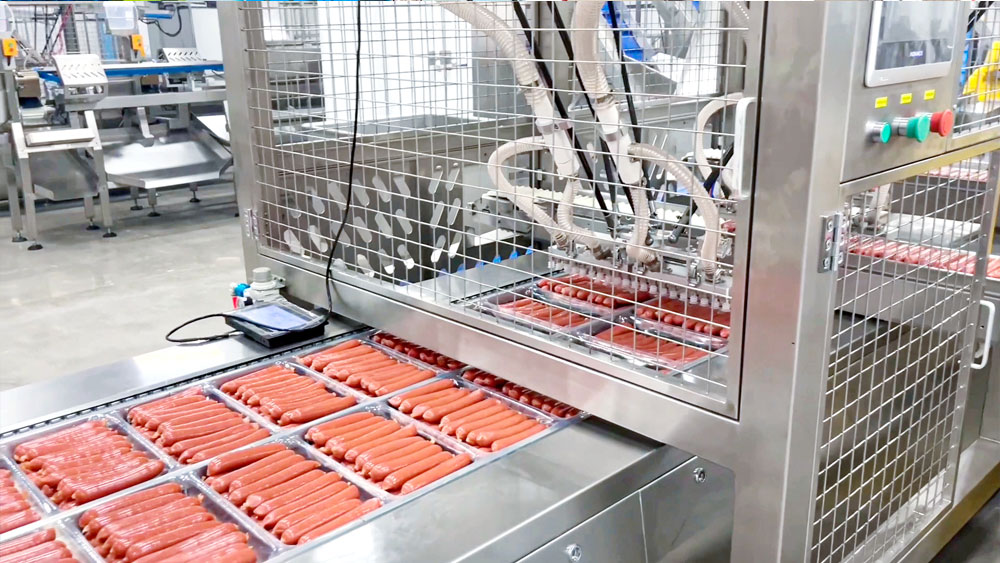
Traditional Equipment: Flexibility with Hidden Costs
Traditional sausage production typically relies on standalone machines combined with manual operations. Workers handle linking, transferring, and sometimes even portioning.
While this approach offers flexibility and lower initial investment, it comes with several limitations:
High labor dependency
Inconsistent product quality
Slower production speed
Greater risk of contamination
In small workshops, this model may still work. However, as production demand increases, the inefficiencies become more visible.
Modern Sausage Production Line: Integrated and Scalable
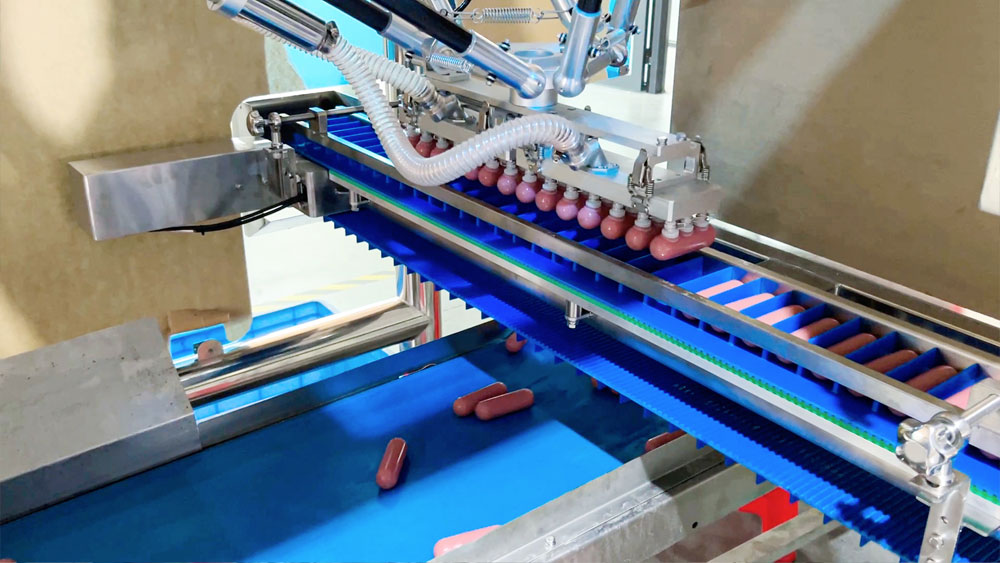
A modern sausage production line connects all processes—from grinding and mixing to filling, linking, and packaging—into one continuous workflow.
The main advantage of this system lies in the automated sausage line benefits, which include:
Continuous production with minimal interruption
Stable product size and weight
Reduced manual handling
Improved hygiene standards
Instead of relying on individual machines, a complete system ensures that each stage feeds smoothly into the next.
Efficiency Comparison: Where the Real Difference Lies
When comparing sausage processing line vs manual production, efficiency is often the most decisive factor.
Example:
| Production Mode | Output per Hour | Labor Required | Waste Rate |
|---|---|---|---|
| Manual / Traditional | 200–400 kg | 6–10 workers | High |
| Semi-automatic | 500–1000 kg | 3–5 workers | Medium |
| Fully automated line | 1500+ kg | 1–3 workers | Low |
The data clearly shows that meat processing efficiency improvement is not incremental—it is exponential when automation is properly implemented.
Cost Comparison: Short-Term vs Long-Term Thinking
At first glance, traditional equipment seems more affordable. However, real cost analysis tells a different story.
Key Cost Factors:
Labor Cost
Manual production requires more workers, increasing long-term expenses.Production Loss
Inconsistent processing leads to higher waste rates.Maintenance Complexity
Multiple standalone machines often mean higher maintenance effort.Scalability
Expanding production with traditional systems is difficult and inefficient.
ROI Insight:
A typical automated line may require higher initial investment, but the payback period is often 12–24 months, thanks to labor savings and increased output.
This is where the real value of automated sausage line benefits becomes clear.
Quality Comparison: Consistency Wins the Market
In today’s competitive food market, consistency is just as important as taste. Retail buyers and distributors demand uniform size, texture, and packaging.
Manual production struggles to maintain this level of consistency. In contrast, automated systems deliver:
Precise portion control
Stable product texture
Improved appearance
Better shelf life
From a market perspective, meat processing efficiency improvement also translates into brand reliability.
Real Case Insight: From Manual to Automated
A mid-sized meat processor in Southeast Asia transitioned from manual production to a semi-automated sausage line.
Before:
8 workers
300 kg/hour output
High product variation
After:
3 workers
900 kg/hour output
Consistent product quality
Result:
Labor cost reduced by 50%
Output increased by 3×
ROI achieved within 18 months
This is a typical example of how upgrading from sausage processing line vs manual production directly impacts profitability.
Why Choosing the Right Manufacturer Matters
The success of automation depends not only on machines, but also on system design. An experienced Sausage Production Line manufacturer ensures that all equipment works as a unified system.
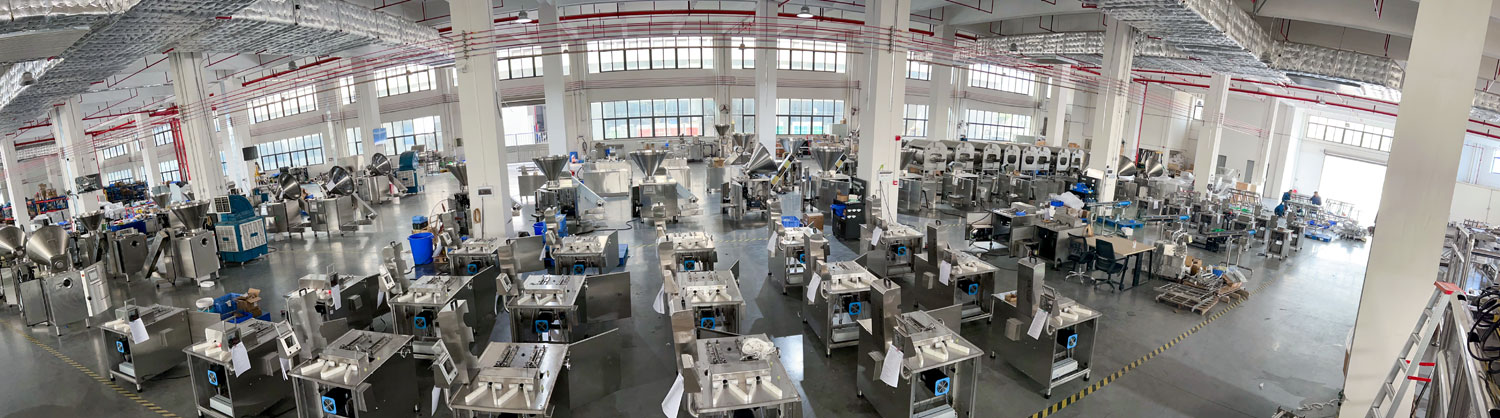
Foshan Aokai Machinery Technology Co., Ltd., with over 17 years of experience, specializes in designing and manufacturing complete sausage production systems. The company provides a One-stop solution for meat processing, covering equipment selection, layout planning, and after-sales support.
With installations in the United States, Mexico, and other international markets, Aokai understands real production challenges and delivers practical, reliable solutions.
Industry Analysis: Key Decision Factors
| Factor | Traditional Equipment | Production Line |
|---|---|---|
| Labor dependency | High | Low |
| Production efficiency | Low | High |
| Product consistency | Unstable | Stable |
| Initial investment | Low | Higher |
| Long-term ROI | Low | High |
| Scalability | Limited | Strong |
This comparison shows why more manufacturers are shifting toward automated systems.
FAQ: What Buyers Want to Know
Q1: Is automation suitable for small factories?
Yes. Modular systems allow gradual upgrades without full investment at once.
Q2: How do I evaluate ROI?
Focus on labor savings, output increase, and waste reduction.
Q3: What is the biggest advantage of automation?
The most important automated sausage line benefits are consistency and efficiency.
Q4: Can I upgrade from existing equipment?
Yes. Many factories transition step by step.
Q5: Why choose a one-stop supplier?
A One-stop solution for meat processing ensures compatibility and reduces risk.
Call to Action: Make the Smart Upgrade
If you are still relying on manual production, the question is no longer if you should upgrade—but when.
The shift from traditional systems to automated production is already reshaping the industry. Those who move early gain a clear competitive advantage.
Conclusion
The comparison between sausage processing line vs manual production is clear: automation delivers higher efficiency, better quality, and stronger long-term profitability.
While traditional equipment may seem cost-effective initially, the hidden costs in labor, inconsistency, and limited scalability often outweigh the savings.
By working with an experienced Sausage Production Line manufacturer and adopting a One-stop solution for meat processing, manufacturers can achieve real meat processing efficiency improvement and build a production system ready for future growth.
In today’s market, efficiency is not optional—it is your competitive edge.