

An End-to-End View from Raw Meat to Market-Ready Products
As global demand for processed meat products continues to rise, sausage production has evolved from a craft-based operation into a highly standardized, equipment-driven industrial process. For modern meat processors, understanding the complete process flow of sausage production is no longer just a technical matter—it is a prerequisite for food safety compliance, operational efficiency, and market competitiveness.
From raw meat selection to final packaging, each step in sausage production requires precise control and specialized machinery. When these steps are properly aligned, producers can achieve consistent taste, texture, shelf life, and regulatory compliance across different markets.
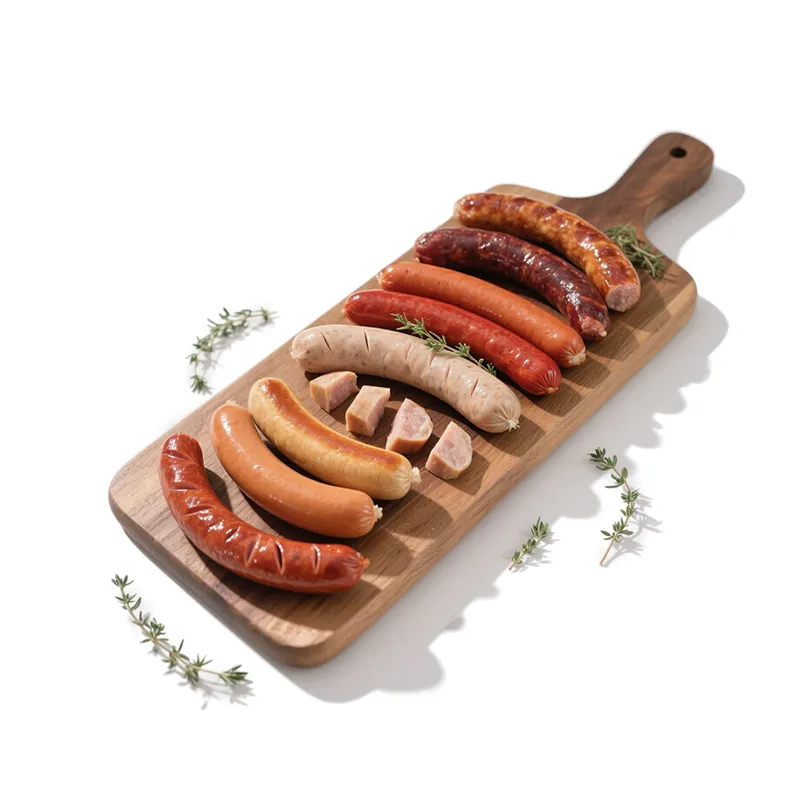
Step 1: Meat Selection and Primary Handling
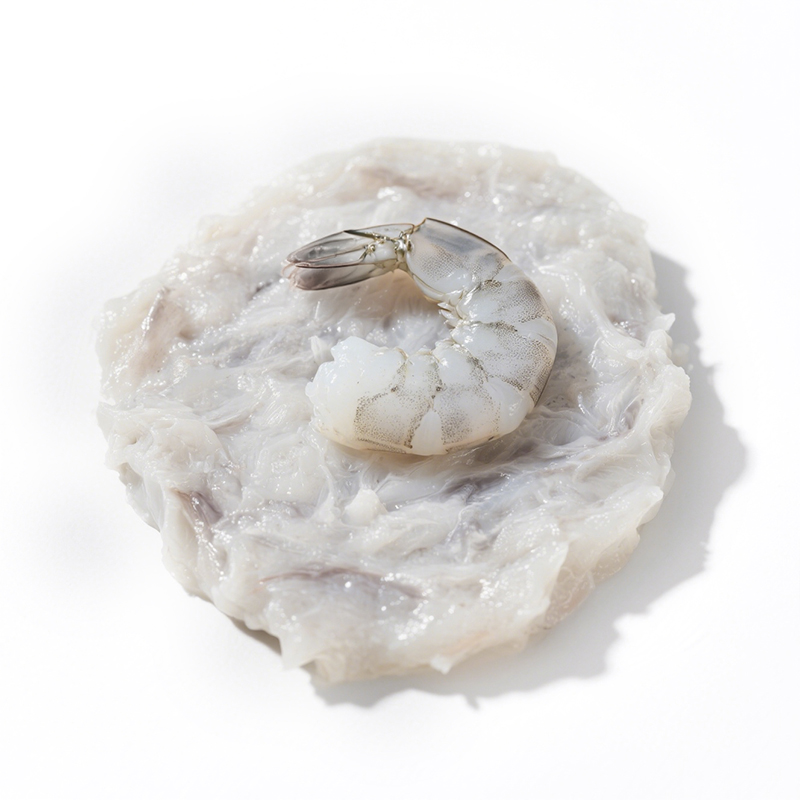
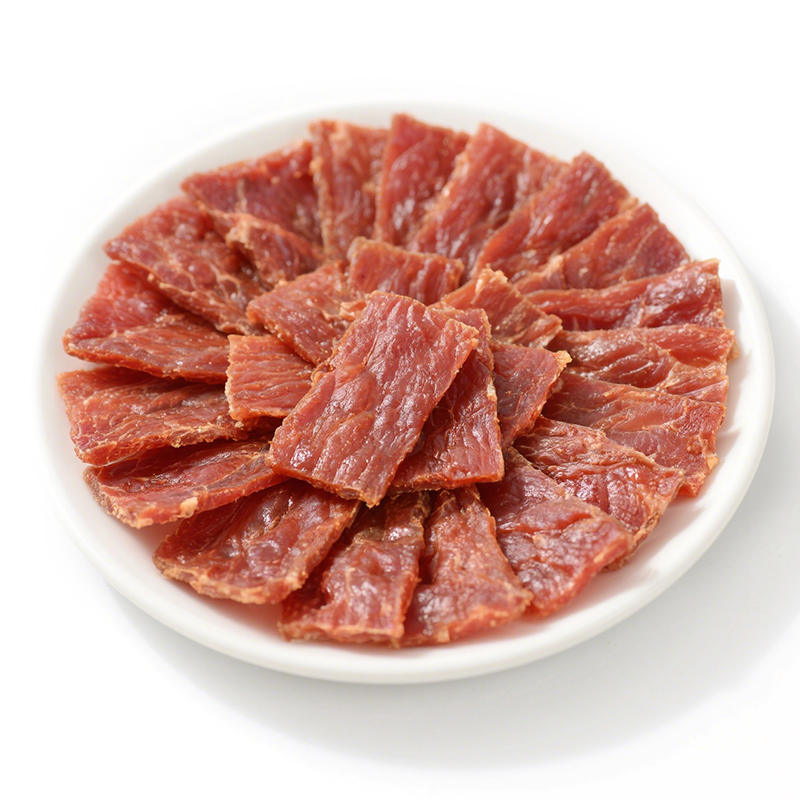
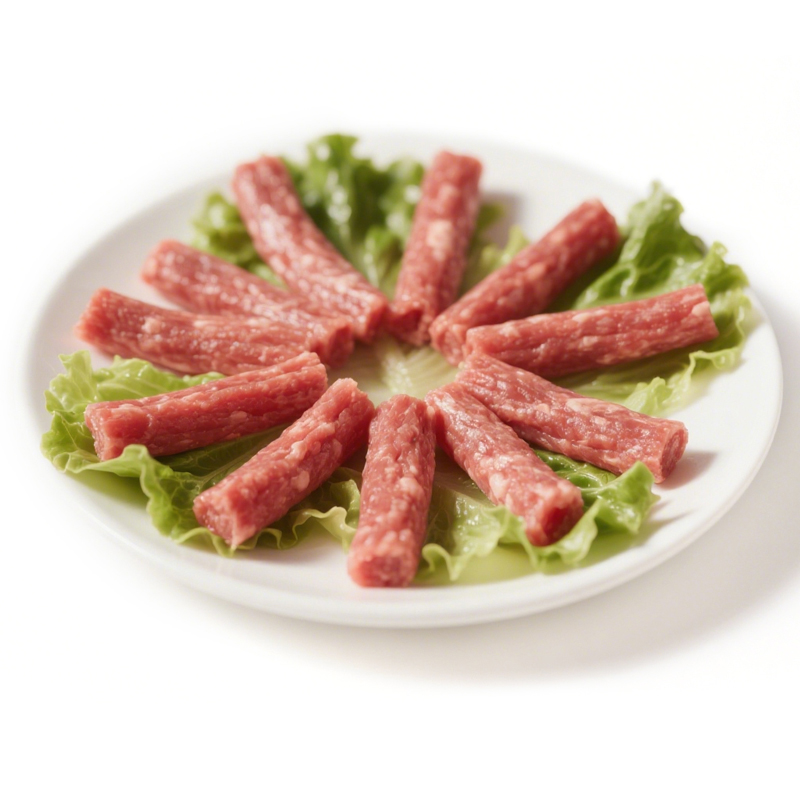
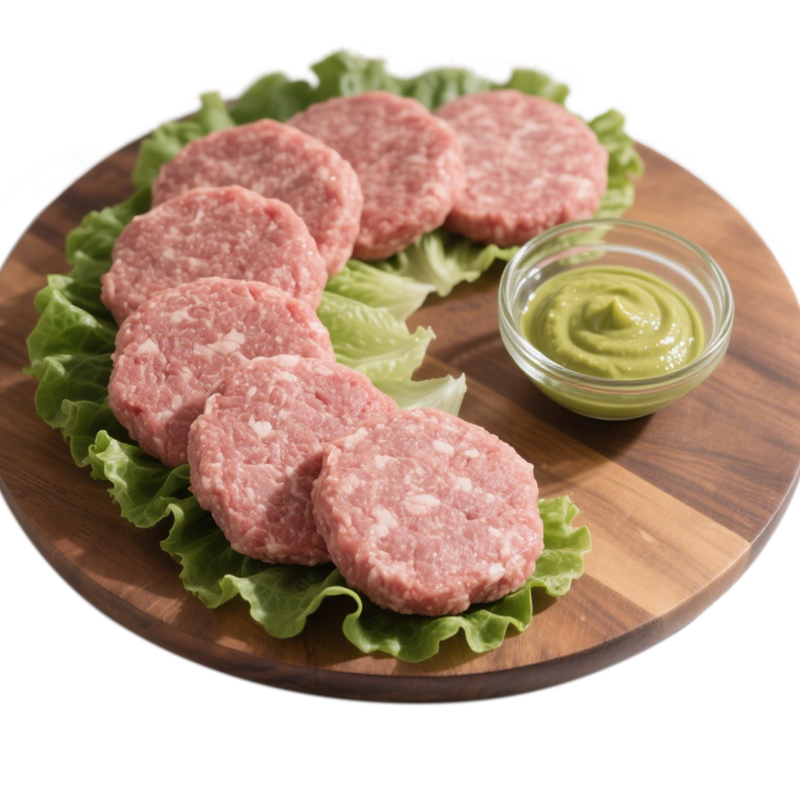
The sausage production process begins with careful meat selection. Depending on the product type, producers may use pork, beef, poultry, or blended proteins. Quality control at this stage directly affects yield, flavor stability, and downstream processing efficiency.
International standards require traceability, temperature control, and hygienic handling. Many export-oriented plants adopt automated raw material handling systems to reduce contamination risk before grinding begins.
Step 2: Grinding for Structure and Consistency
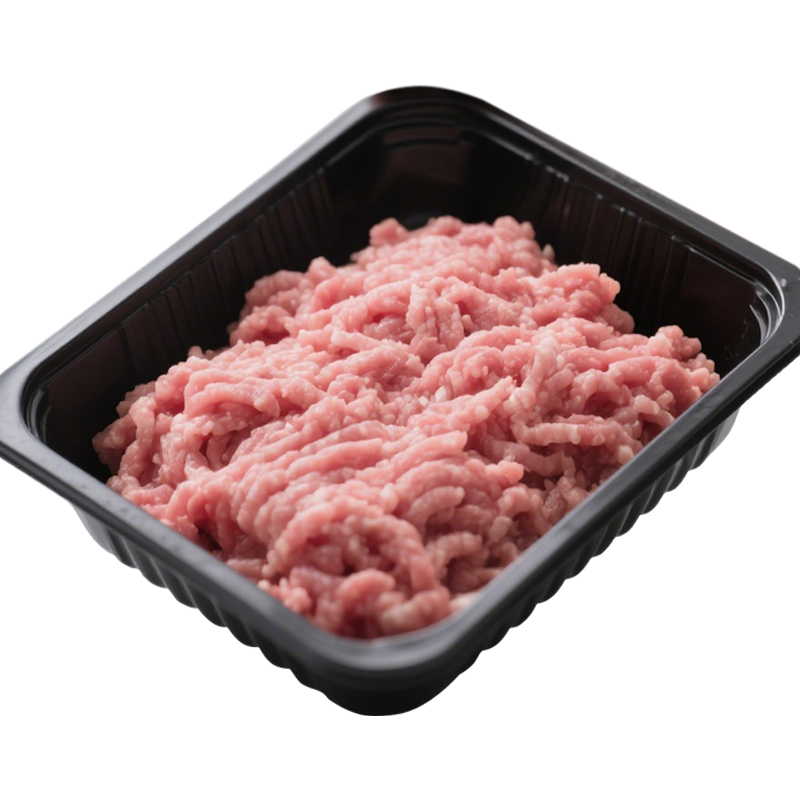
Grinding defines the physical structure of the sausage. Particle size selection influences mouthfeel, binding performance, and cooking behavior.
Modern grinders are designed for consistent throughput while maintaining low temperature rise. Proper grinding also prepares the meat for smooth integration with seasoning and functional ingredients in later stages.
Step 3: Mixing and Seasoning Integration
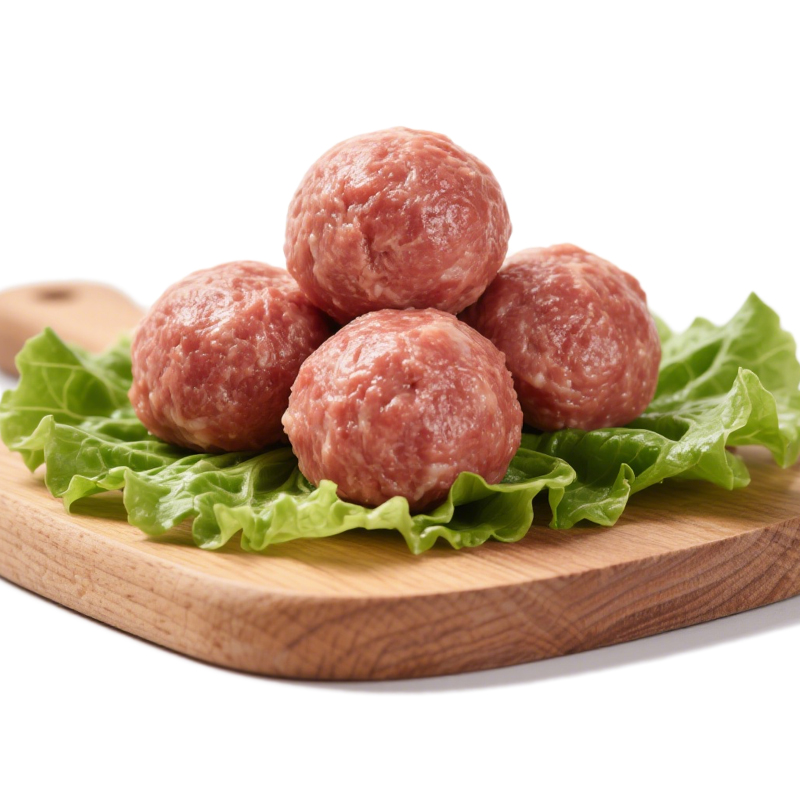
Once ground, the meat enters the mixing phase. Salt, spices, curing agents, and functional additives are blended to achieve uniform flavor distribution and protein extraction.
This step is critical for texture formation and water retention. Overmixing or uneven distribution can result in quality defects that are difficult to correct later in the process.
Step 4: Emulsification (When Applicable)
For emulsified products such as frankfurters or hot dogs, emulsification transforms meat, fat, and water into a stable matrix. Temperature control and cutting precision are essential.
This step determines product smoothness and appearance and often defines whether a product meets premium market expectations.
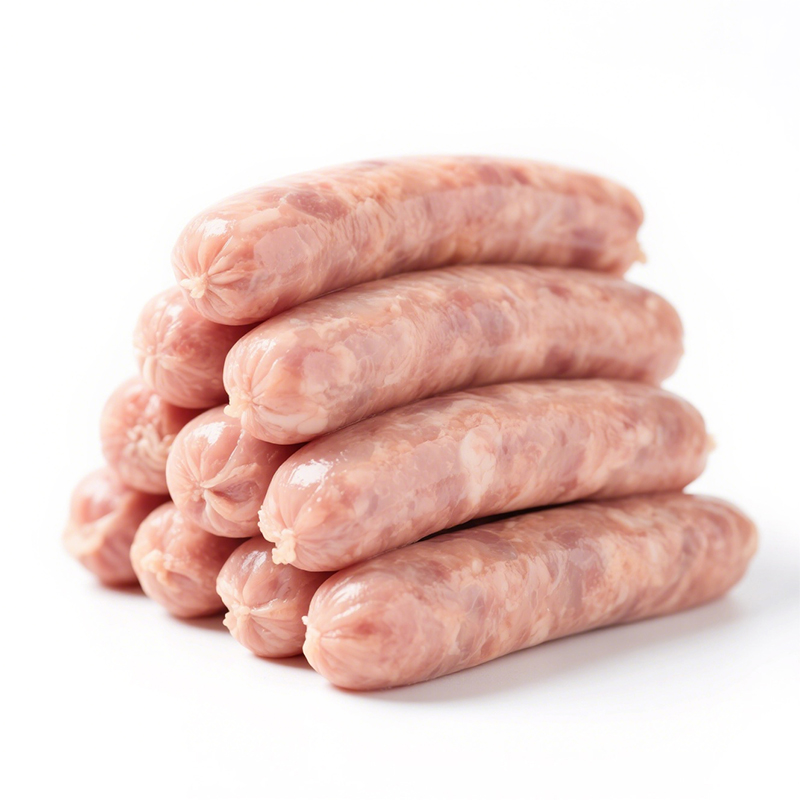
Step 5: Stuffing and Casing Application
Stuffing is where the sausage takes its final shape. The Sausage Casing Machine plays a central role by applying natural, collagen, or cellulose casings evenly and reliably.
A high-performance Sausage Casing Machine minimizes air pockets and supports continuous operation. In export-focused factories, hygienic design and compatibility with different casing types are essential.
Step 6: Cooking and Smoking (If Required)
Cooking and smoking develop flavor, color, and microbial safety. This stage may involve steam cooking, dry heat, or controlled smoke application.
Precise temperature curves are essential to ensure protein setting without moisture loss. Cooking parameters also influence peeling performance in later stages.
Step 7: Cooling for Product Stability
After cooking, rapid cooling stabilizes the sausage structure and prevents bacterial growth. Controlled cooling also protects casing integrity and surface appearance.
This step prepares products for downstream handling, cutting, peeling, or direct packaging.
Step 8: Packaging for Market Distribution
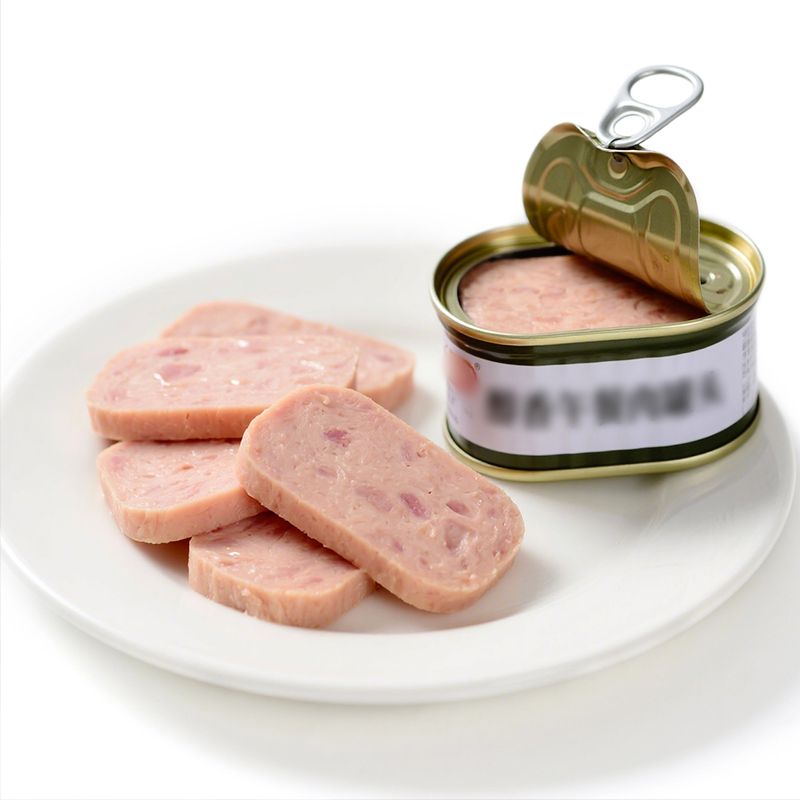
Packaging is the final safeguard of quality. Depending on the product, producers may use vacuum sealing, modified atmosphere packaging, or flow wrapping.
Sausage Packaging Machines are designed to protect freshness, extend shelf life, and present the product attractively for retail or foodservice channels.
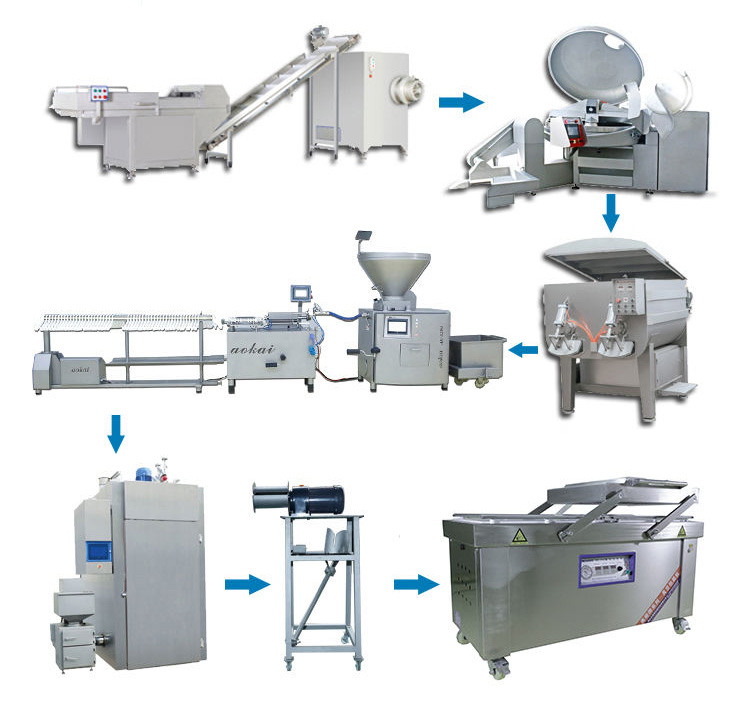
Where Specialized Sausage Machines Fit into the Flow
Beyond core processing steps, several specialized machines ensure efficiency and consistency across the production line.
The Sausage Tying Machine creates uniform links with precise portion control, replacing labor-intensive manual tying. A reliable Sausage Tying Machine improves throughput while maintaining traditional product appearance.
The Sausage Cutter Machine separates linked sausages into individual units with clean, repeatable cuts. Advanced Sausage Cutter Machine designs support high-speed production without damaging the casing.
For skinless products, the Sausage Peeling Machine removes casings after cooking. A stable Sausage Peeling Machine ensures smooth surfaces and minimizes product loss.
At the final stage, Sausage Packaging Machines integrate seamlessly with upstream equipment, enabling automated weighing, sealing, and labeling.
Industry Analysis: Key Parameters Across the Sausage Production Flow
| Production Stage | Key Control Parameter | Equipment Sensitivity | Impact on Final Quality |
| Meat Selection | Temperature & hygiene | Medium | High |
| Grinding | Particle size | High | High |
| Mixing | Distribution uniformity | High | Very High |
| Emulsification | Temperature control | Very High | Very High |
| Stuffing | Air inclusion | High | High |
| Cooking | Core temperature | Very High | Very High |
| Cooling | Cooling speed | Medium | High |
| Packaging | Seal integrity | High | Very High |
This table highlights why modern sausage production depends on coordinated machine performance rather than isolated equipment selection.
Aokai’s Role in Building Complete Sausage Processing Lines
Founded in 2008, Aokai has accumulated over 17 years of experience as a professional manufacturer of meat processing machinery. Based in Foshan, China, the company delivers one-stop solutions covering grinding, filling, casing, cooking preparation, and intelligent packaging.
Aokai’s strength lies in flexible standard machines with customized modifications, allowing processors to configure each Sausage Casing Machine or Sausage Packaging Machines according to product type and regulatory requirements.
With machinery exported to the US, Mexico, and the Philippines, Aokai has demonstrated its capability to meet diverse international standards while maintaining consistent performance and reliability.
Customer-Centric Engineering and Long-Term Value
Rather than focusing solely on equipment delivery, Aokai emphasizes lifecycle support. Continuous upgrades in machine performance, service efficiency, and spare parts availability help customers adapt to changing market demands.
From optimizing a Sausage Cutter Machine for higher output to fine-tuning a Sausage Peeling Machine for new product formats, collaboration remains central to Aokai’s approach.
FAQ: Common Questions About Sausage Production Flow
Q1: Can all sausage types follow the same process flow?
The core steps are similar, but emulsification, cooking, and peeling may vary.
Q2: How important is machine integration?
Critical. Poor integration leads to bottlenecks and quality inconsistencies.
Q3: Is automation suitable for medium-sized plants?
Yes. Modular Sausage Tying Machine and Sausage Packaging Machines fit scalable operations.
Q4: How does export compliance affect equipment choice?
Machines must meet CE, USDA, or local standards depending on the target market.
Q5: Which step has the greatest impact on shelf life?
Packaging and cooling are the most influential stages.
Call to Action: Build a Sausage Line That Performs Globally
In today’s competitive meat industry, success depends on more than recipes. A clearly defined process flow, supported by reliable machinery, enables producers to deliver consistent quality at scale.
Aokai works closely with global meat processors to design sausage production lines that balance efficiency, compliance, and long-term flexibility. Whether upgrading a single Sausage Packaging Machines system or building a complete line, the goal is always sustainable performance.
Now is the time to evaluate whether your sausage production flow is truly optimized for the markets you serve.
Conclusion: Process Flow Defines Product Success
The sausage production process is a sequence of interconnected steps, each influencing the final product’s safety, appearance, and consumer appeal. From meat selection to packaging, precision and consistency are non-negotiable.
By combining a clear understanding of process flow with specialized machinery and experienced partners, producers can build operations that are efficient, compliant, and future-ready.
In a global market shaped by standards and expectations, mastering the sausage production flow is the foundation of lasting success.