


Designing a sausage production line is not simply about selecting machines—it is about building a system that matches your capacity, product type, labor structure, and future expansion plans. For many meat processors, especially those entering or upgrading production, the biggest challenge is not what to buy, but how to design a line that truly works in real production conditions.
Whether you are planning a small scale sausage processing plant or investing in a fully automated industrial system, the logic behind sausage production line design remains the same: efficiency, consistency, and scalability.
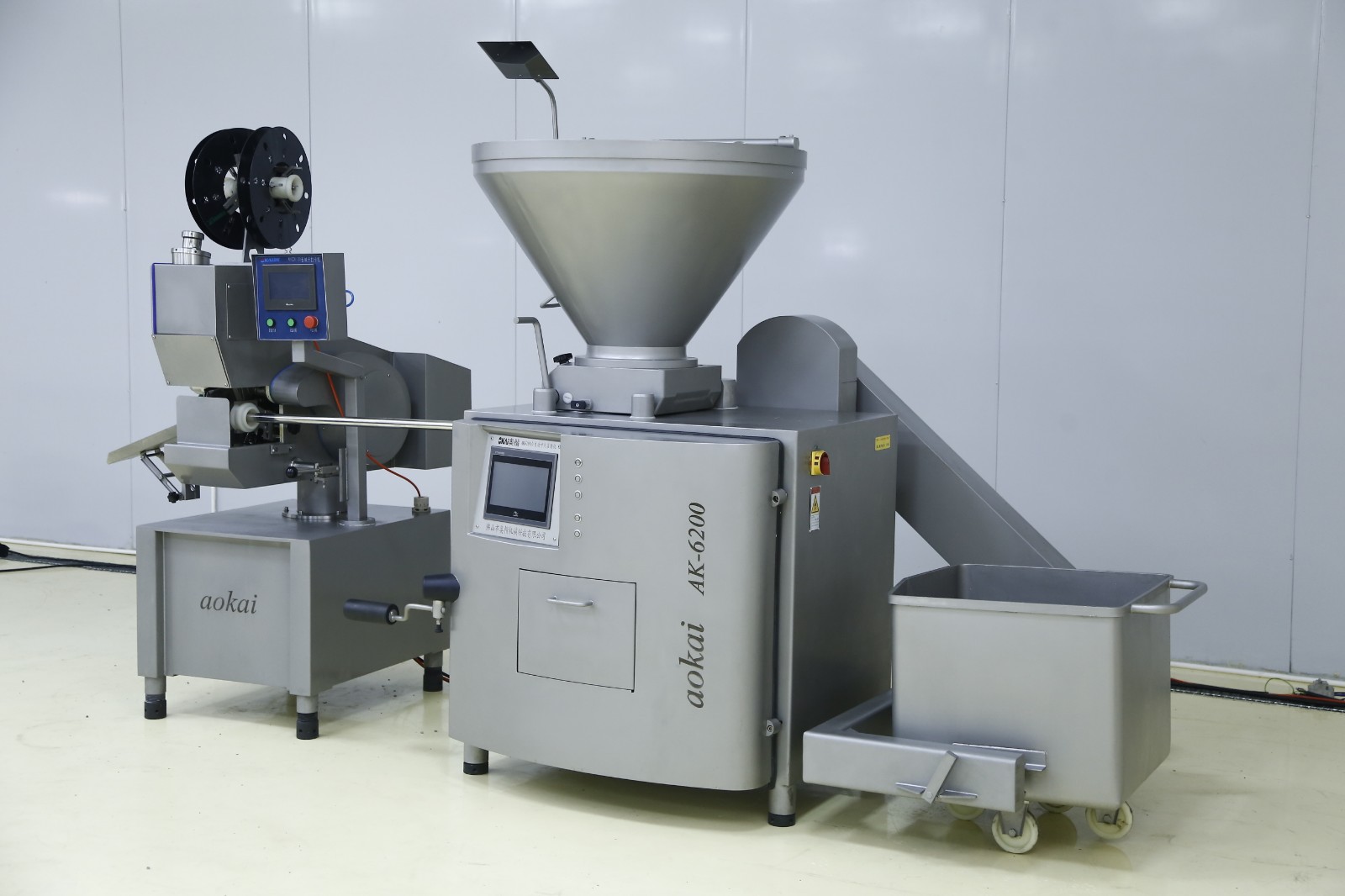
What Defines a Complete Sausage Production Line?
A complete sausage production line typically includes the following core stages:
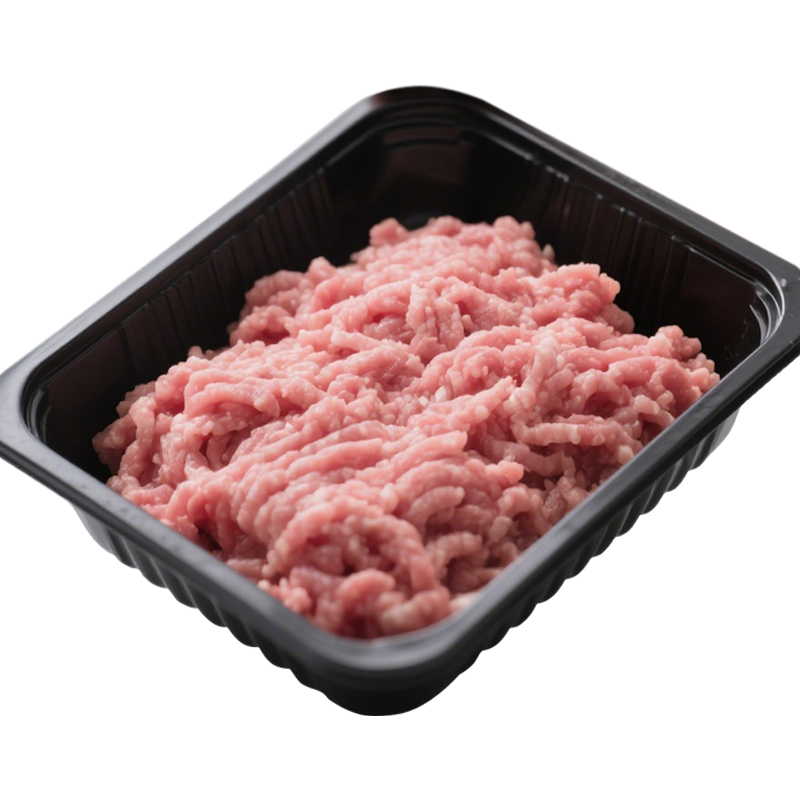
Raw material preparation (frozen meat flaker, grinder)
Mixing and emulsifying (vacuum mixer, bowl cutter)
Filling and portioning (vacuum filler, linking system)
Cooking or smoking (if applicable)
Cooling and handling
Packaging and end-of-line automation
The difference between a basic setup and a high-performance system lies in how well these stages are integrated. A poorly designed line creates bottlenecks, inconsistent quality, and unnecessary labor costs.
This is why working with an experienced Sausage Production Line manufacturer is critical from the very beginning.
Step 1: Define Your Production Capacity First
Before selecting any equipment, you must clearly answer one question:
How many kilograms per hour (or tons per day) do you need to produce?
This determines everything—from machine size to automation level.
Typical Capacity Segments:
| Plant Type | Capacity Range | Recommended Approach |
|---|---|---|
| Small scale sausage processing plant | 100–500 kg/hour | Semi-automatic, flexible machines |
| Medium factory | 500–1500 kg/hour | Partial automation with linking & packaging |
| Industrial production line | 1500+ kg/hour | Fully automated integrated system |
A small scale sausage processing plant should prioritize flexibility and lower investment, while large factories focus on automation and throughput optimization.
Step 2: Match Equipment to Product Type
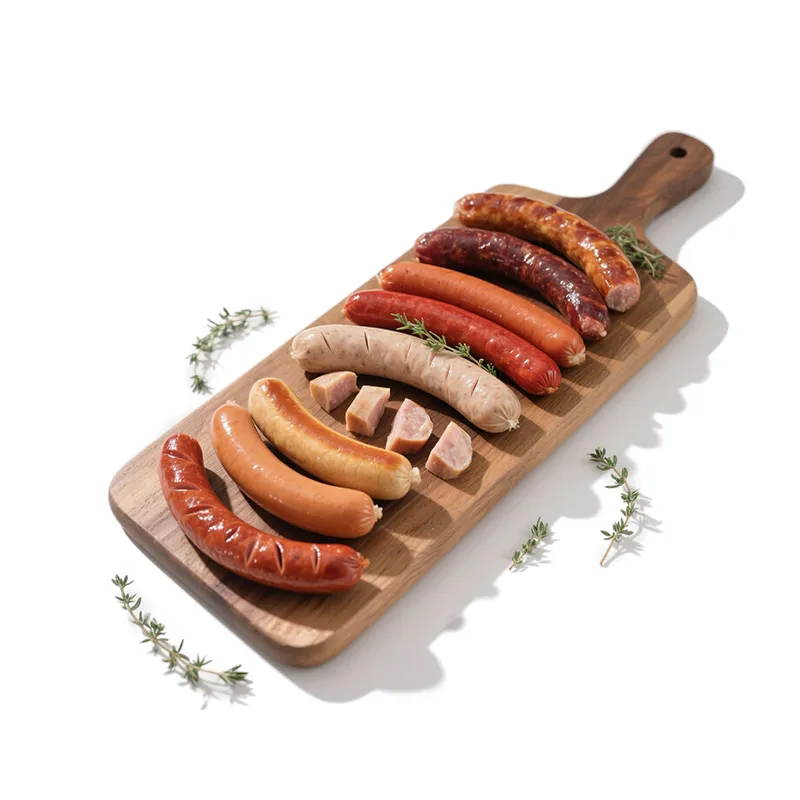
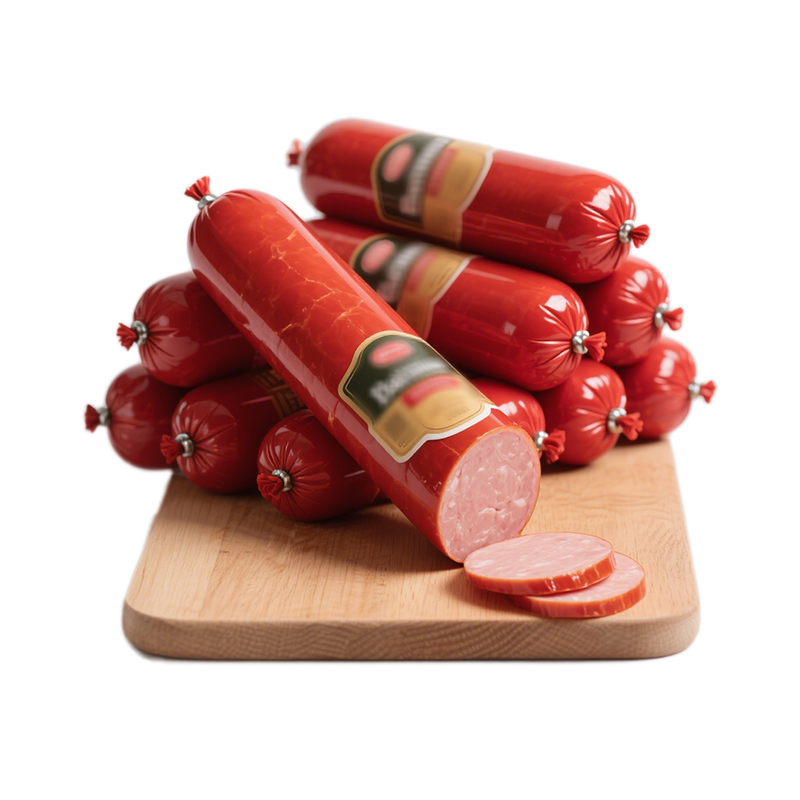
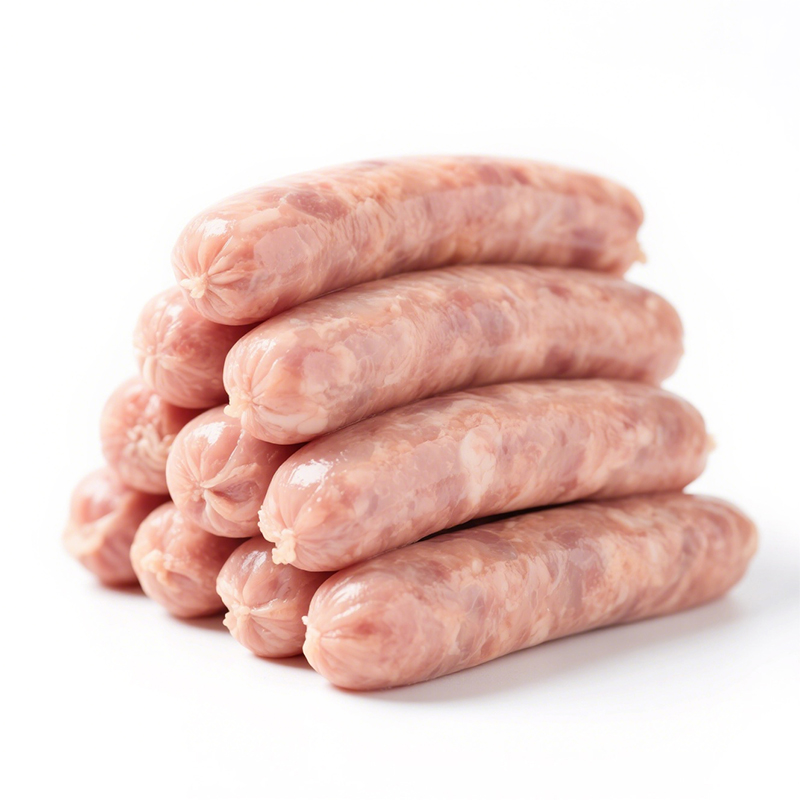
Not all sausages are produced the same way. Fresh sausages, emulsified products (like hot dogs), and smoked sausages require different configurations.
For example:
Emulsified products require bowl cutters and precise temperature control
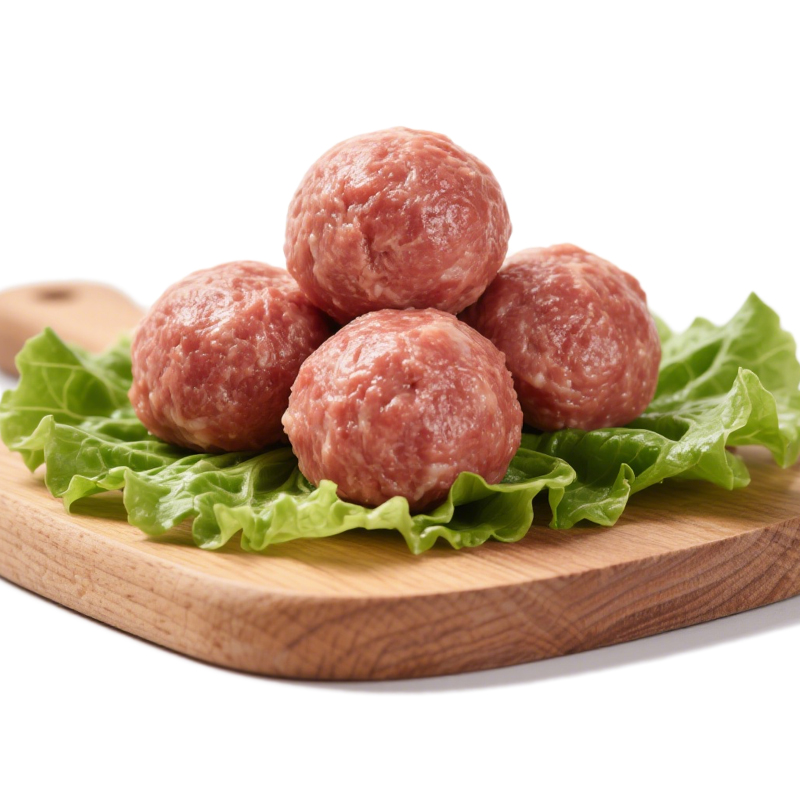
Fresh sausages require efficient mixing and gentle filling
Smoked sausages require integration with a smoking house
A professional sausage production line design always starts from the product—not the machine.
Step 3: Balance Automation and Investment
One of the most common concerns buyers have is industrial sausage line cost. Many assume higher automation always means better results—but that’s not always true.
The key is balance.
Cost vs Efficiency Insight:
| Level | Investment | Labor Saving | ROI Speed |
|---|---|---|---|
| Basic line | Low | Low | Fast |
| Semi-automatic | Medium | Medium | Balanced |
| Fully automatic | High | High | Long-term |
A well-designed system ensures that your industrial sausage line cost is justified by productivity gains and labor reduction—not just machine upgrades.
Step 4: Plan for Integration, Not Individual Machines
Many factories make the mistake of buying machines one by one. The result is poor synchronization, inconsistent output, and higher maintenance costs.
A true One-stop solution for meat processing ensures that:
Machines communicate and work in sequence
Material flow is smooth and continuous
Downtime is minimized
Output quality remains stable
This system-level thinking is what separates experienced suppliers from basic equipment vendors.
Why Choosing the Right Manufacturer Matters
Your production line is only as good as the team behind it. An experienced Sausage Production Line manufacturer understands not just machinery—but real factory operations.
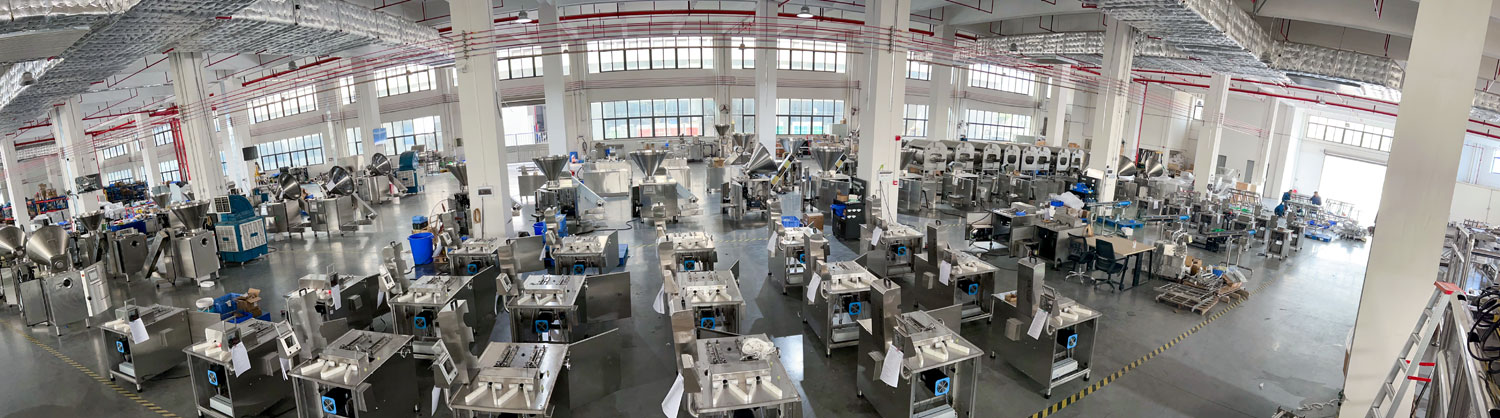
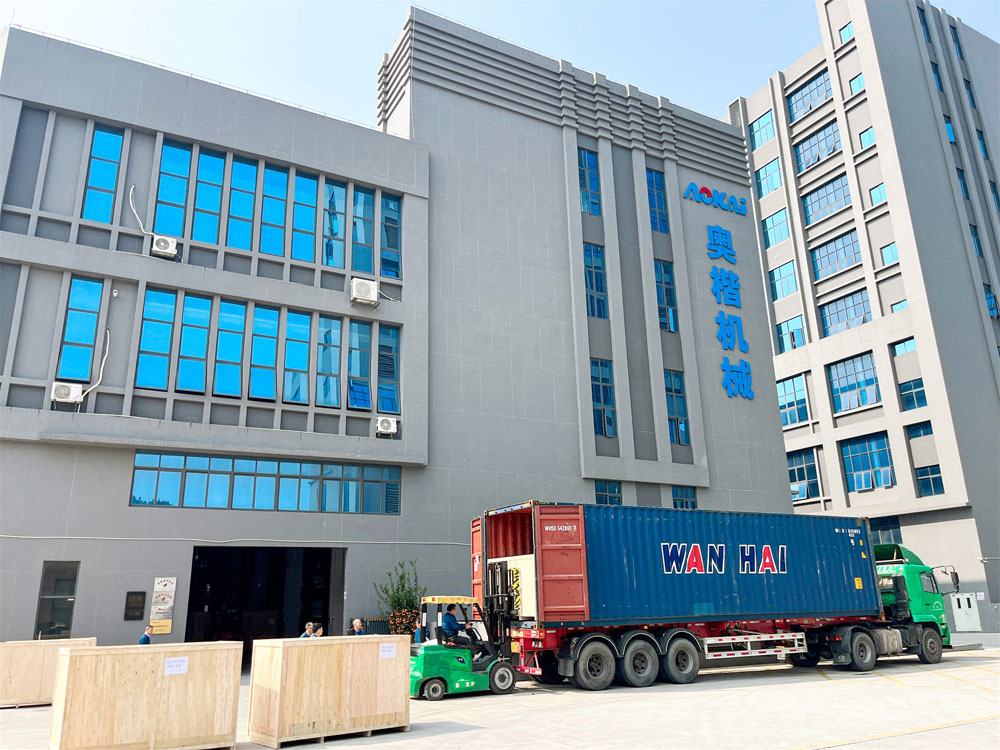
Foshan Aokai Machinery Technology Co., Ltd., with over 17 years of manufacturing experience, specializes in delivering One-stop solution for meat processing for global clients. From equipment selection to line layout and after-sales support, Aokai focuses on building systems that work reliably in real production environments.
With equipment exported to the US, Mexico, and Southeast Asia, Aokai designs every sausage production line design based on international standards and practical production needs.
Industry Analysis: Key Factors in Line Design Success
| Key Factor | Impact on Production | Risk if Ignored |
|---|---|---|
| Capacity planning | Determines efficiency | Over/under investment |
| Equipment integration | Ensures smooth workflow | Bottlenecks |
| Hygiene design | Food safety compliance | Market rejection |
| Automation level | Labor cost control | High operating cost |
| Supplier experience | Long-term stability | Frequent downtime |
This table clearly shows that design decisions affect not just output—but long-term profitability.
FAQ: What Buyers Really Want to Know
Q1: How do I start designing my sausage production line?
Start with your daily capacity and product type. Everything else builds from there.
Q2: What is the biggest mistake in equipment selection?
Buying machines separately instead of planning a complete system.
Q3: How can I control industrial sausage line cost?
By choosing the right automation level and avoiding unnecessary equipment.
Q4: Is a small scale sausage processing plant worth investing in?
Yes, especially for local markets or startup businesses with growth plans.
Q5: Why choose a one-stop supplier?
Because a One-stop solution for meat processing ensures compatibility, efficiency, and long-term support.
Call to Action: Turn Your Plan into a Working Production Line
Designing a sausage production line is not about guessing—it’s about applying experience, engineering logic, and real production data.
If you are planning to build or upgrade your factory, the most effective step you can take today is simple:
👉 Tell us your capacity → we design your line
Foshan Aokai Machinery Technology Co., Ltd. works closely with clients to create tailored sausage production line design solutions that match production goals, budget, and future expansion.
Conclusion
A successful sausage production line is not defined by how many machines it has, but by how well those machines work together. From small-scale operations to fully automated factories, the principles remain the same: clarity in planning, precision in equipment selection, and reliability in execution.
By working with an experienced Sausage Production Line manufacturer and adopting a true One-stop solution for meat processing, manufacturers can build systems that deliver consistent quality, optimized costs, and long-term growth.
In today’s competitive market, the right production line is not just an investment—it is your foundation for success.