
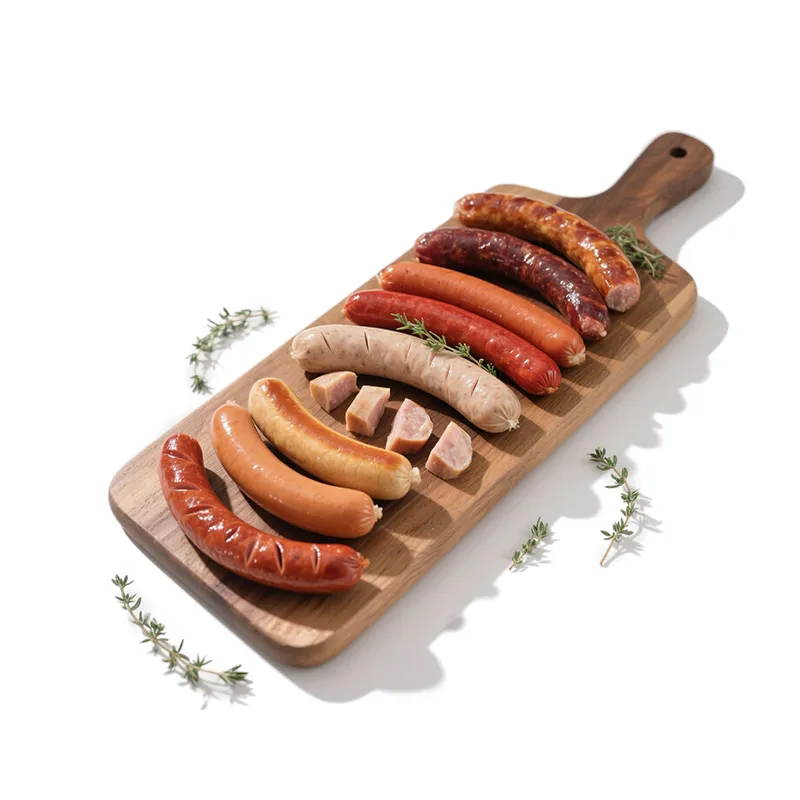
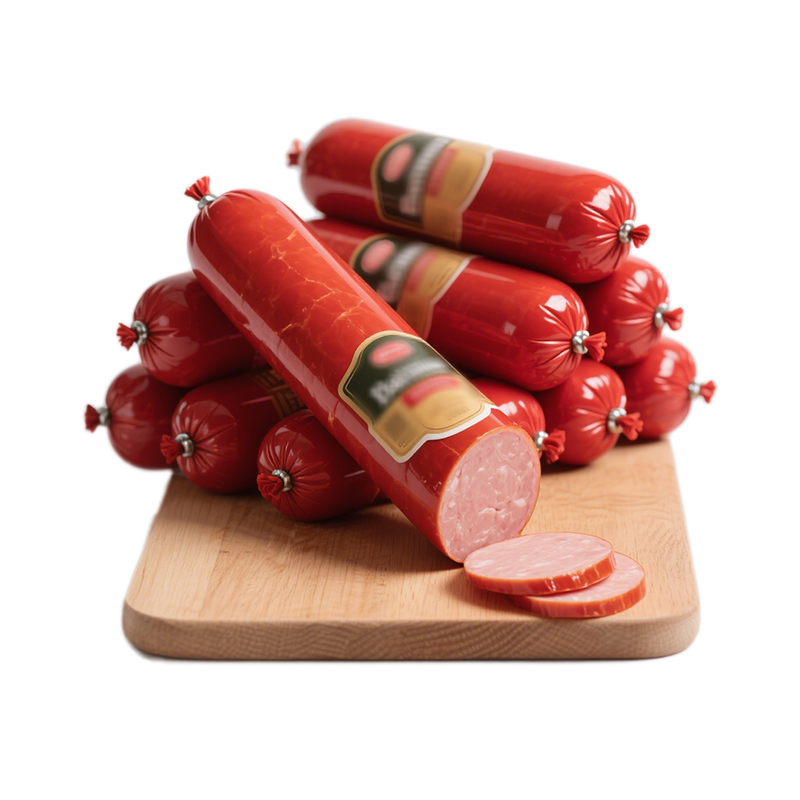
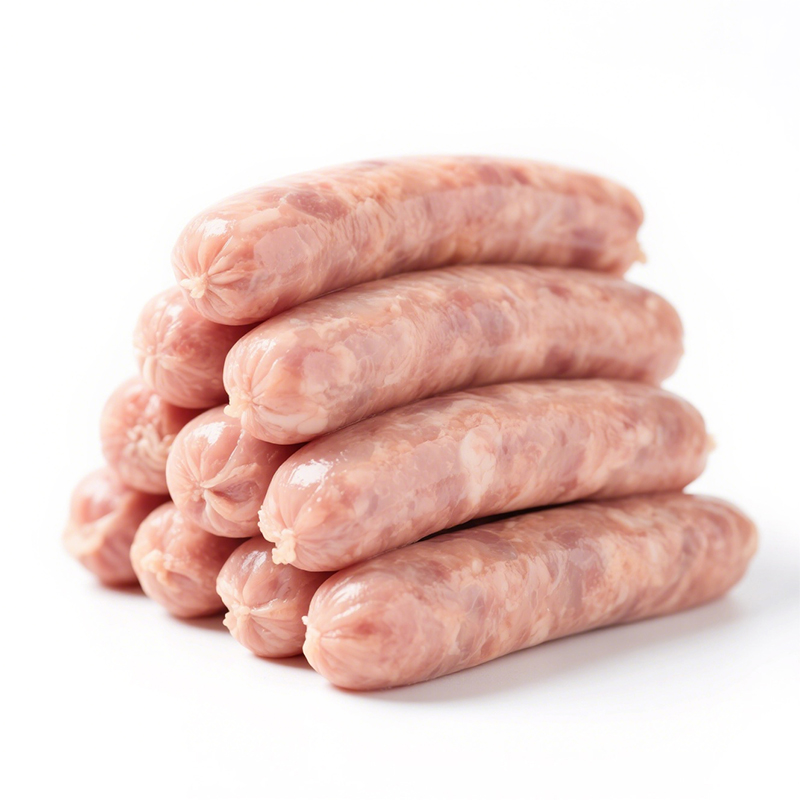
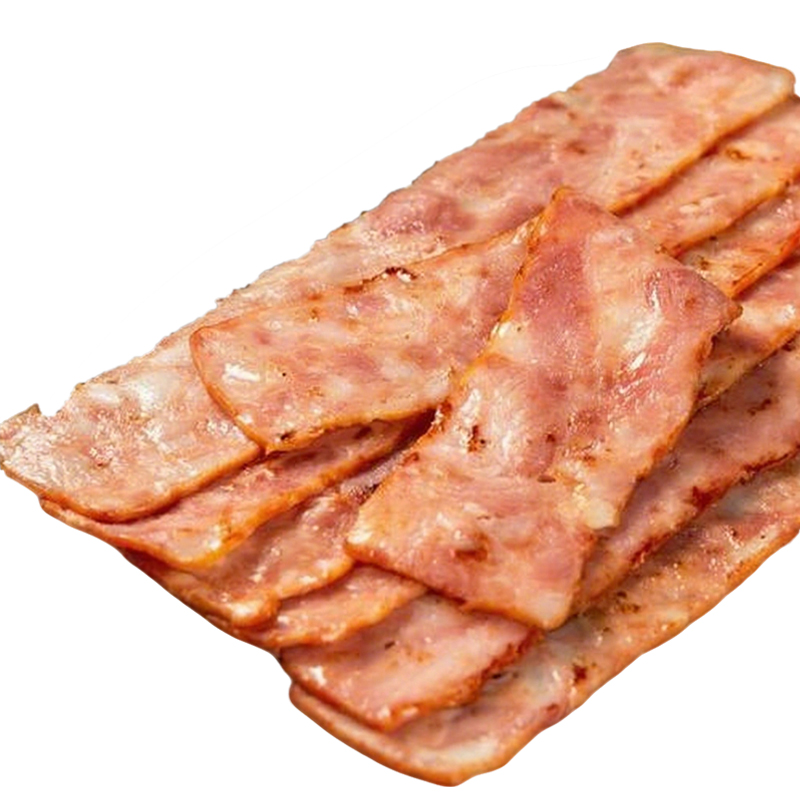

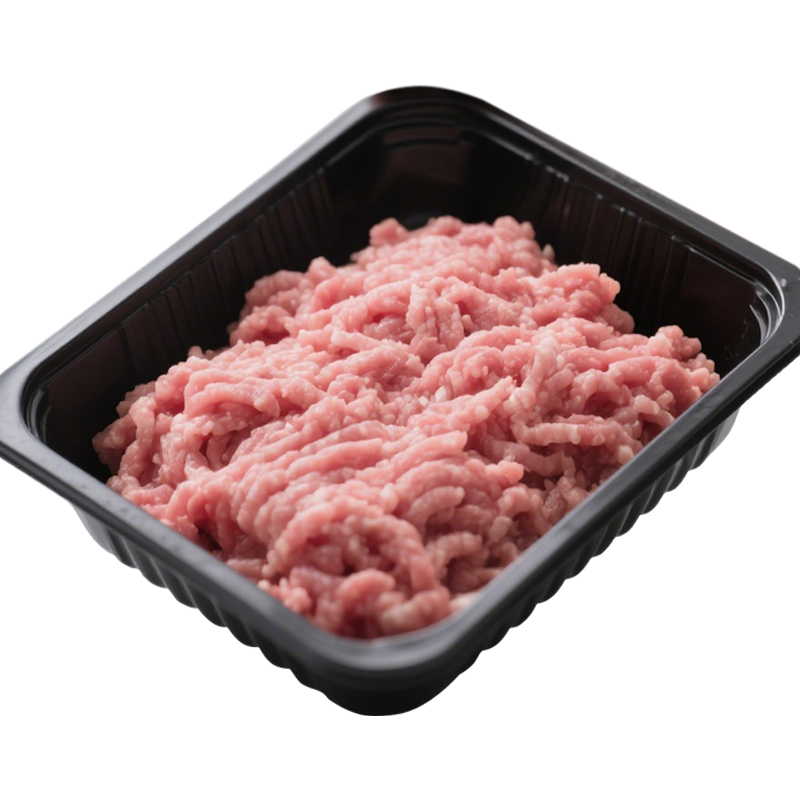
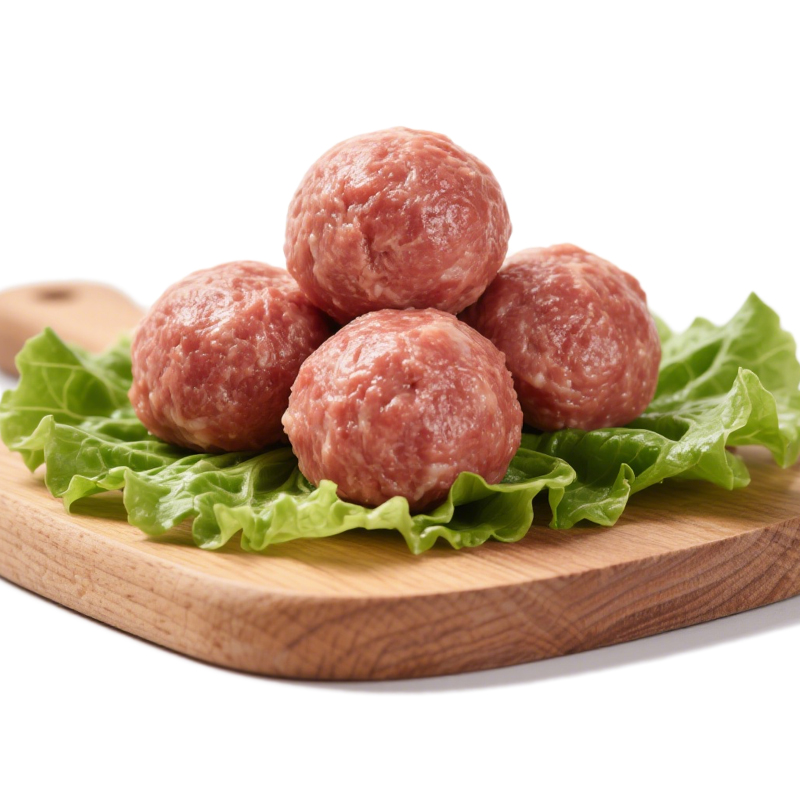
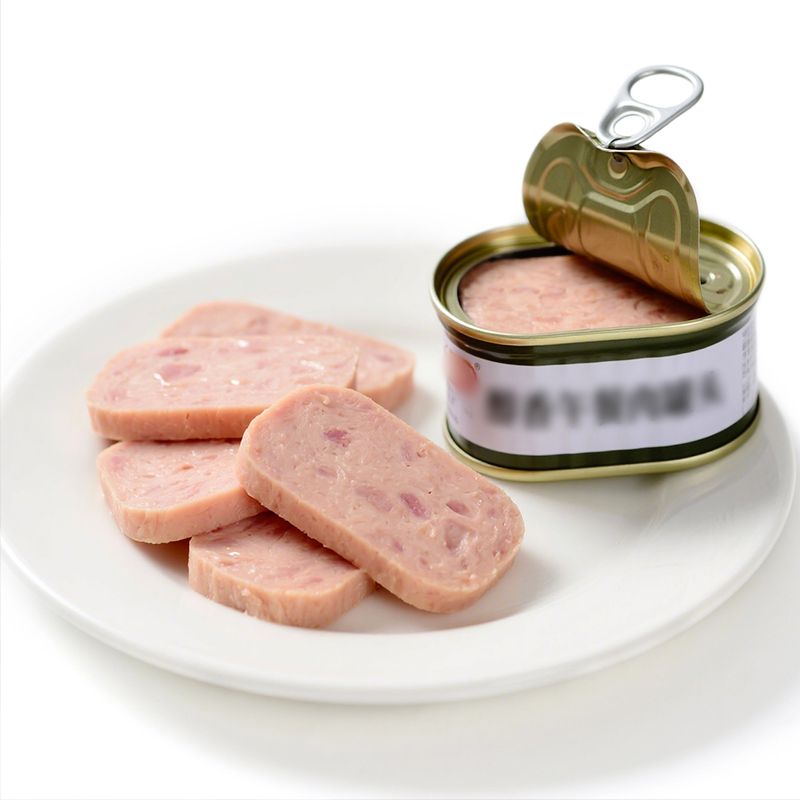
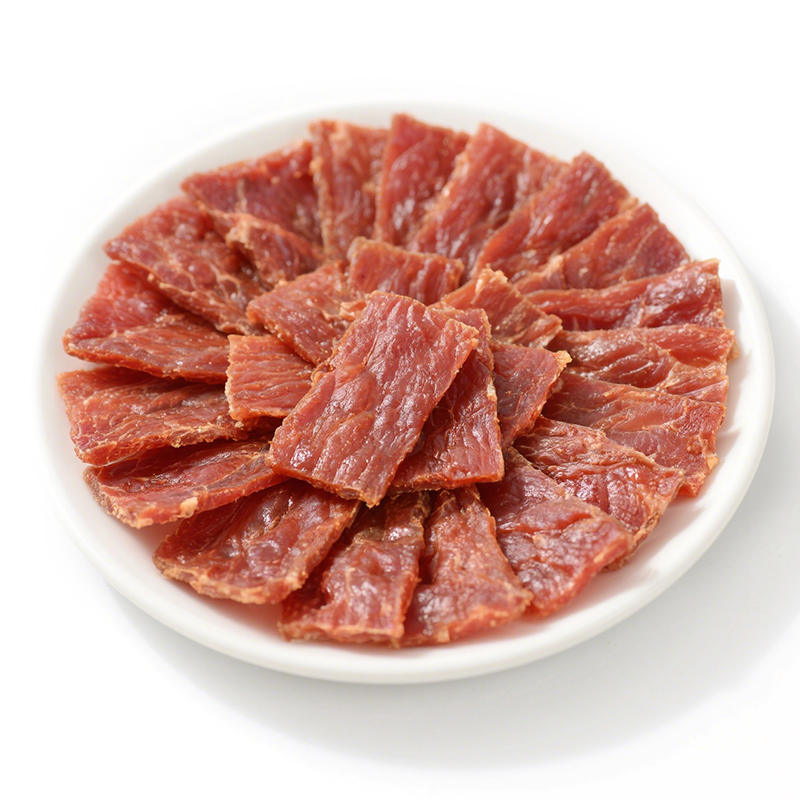
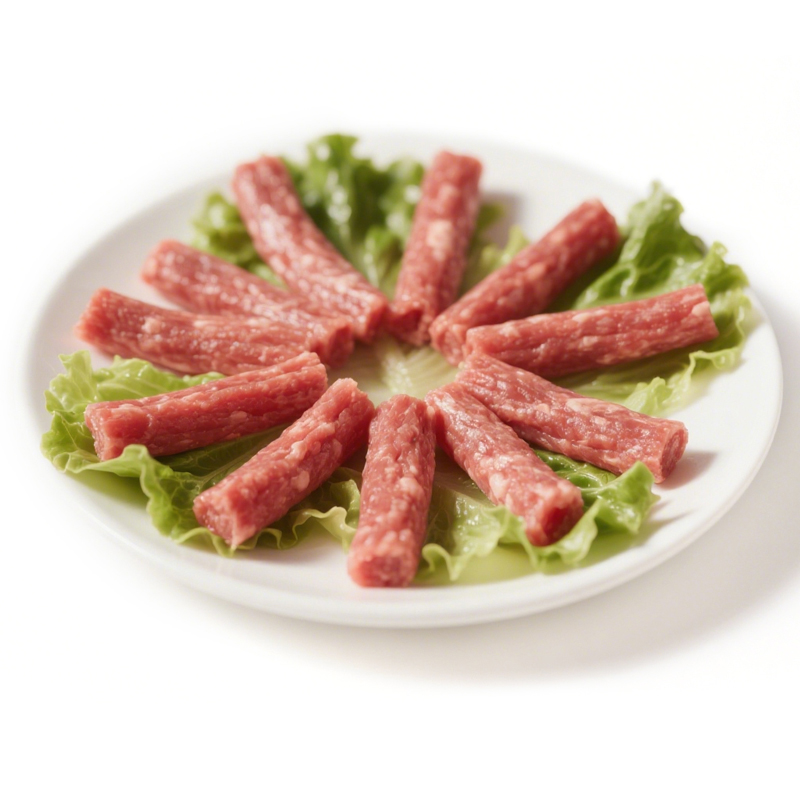
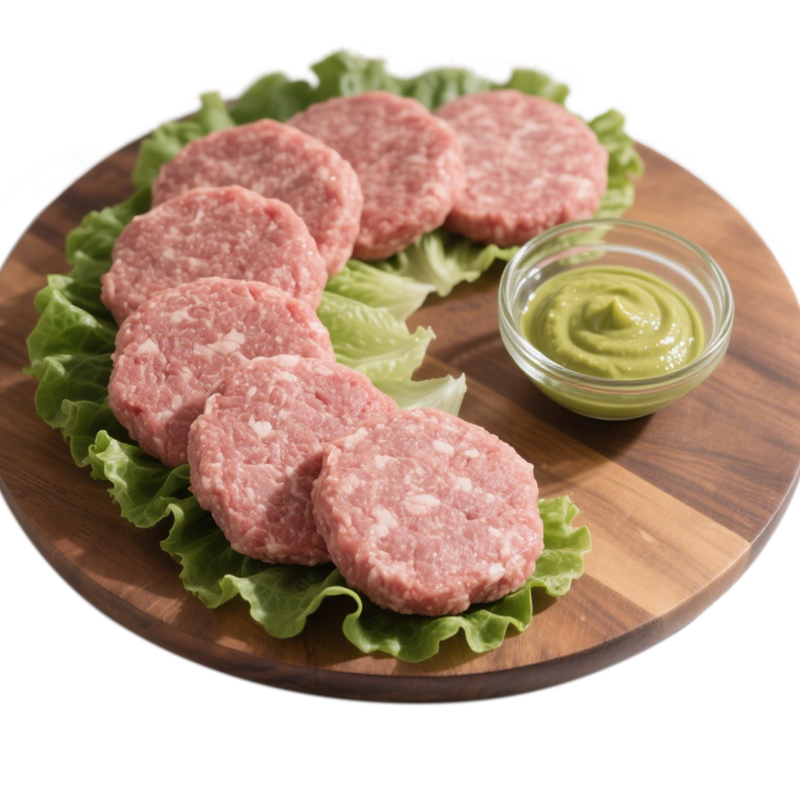

In the interconnected world of food production, a slice of ham produced in Asia might be served on a breakfast plate in America, while meatballs from a European facility could find their way into a sub sandwich in the Middle East. This global journey of meat products places an immense responsibility on processors: ensuring that every single item meets the stringent, and often varied, food safety standards of its destination country. For manufacturers, the cornerstone of this mission isn’t just rigorous protocols—it’s the very equipment on their production floor.
Choosing the right machinery is no longer merely a question of capacity or cost; it is a critical compliance decision. The wrong choice can lead to catastrophic recalls, brand devastation, and closed borders. Since 2008, Aokai has partnered with global meat processors to navigate this complex landscape. We don’t just build machines; we engineer food safety compliant meat equipment that serves as the first and most robust line of defense in hygienic meat production line operations, ensuring seamless international standard meat processing.
The High Stakes of Global Compliance: More Than Just Rules
Food safety standards are the universal language of trust in the food industry. From the U.S. Food and Drug Administration (FDA) and USDA Food Safety and Inspection Service (FSIS) regulations to the European Union’s strict EC No 852/2004 and 10/2011 frameworks on plastics, and beyond to standards in Mexico (NOM), the Philippines (BFAD), and other markets, each set of rules has a common goal: to protect consumers. However, their specific requirements on materials, design, and processes can differ, creating a labyrinth for equipment buyers.
The risks of non-compliance are tangible:
Product Rejection: Shipments can be detained at ports, leading to massive financial loss.
Brand Damage: A single food safety incident can erase decades of consumer trust.
Operational Shutdown: Regulatory authorities can suspend production until violations are corrected.
Therefore, the ideal international standard meat processing partner is one that builds compliance into the DNA of the equipment, from the drawing board to the factory floor.
The Aokai Blueprint: Engineering Safety from the Inside Out
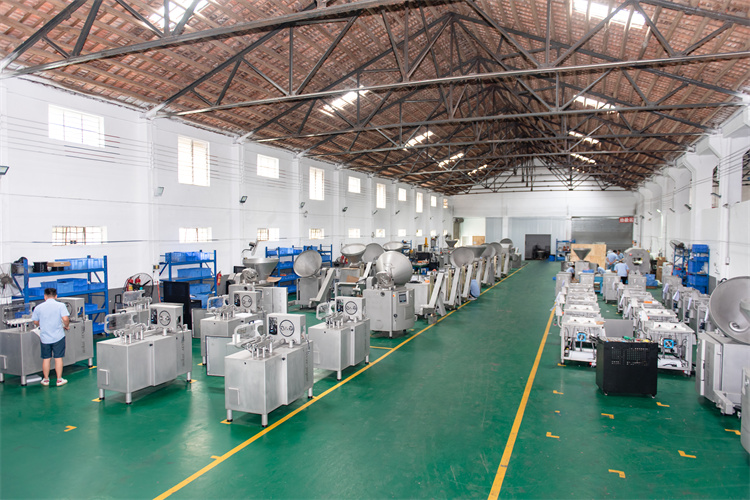
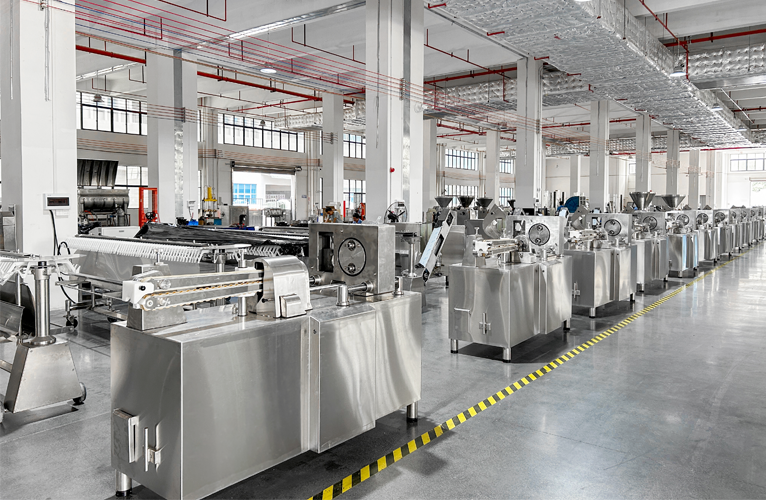
At our Foshan-based manufacturing hub, Aokai’s philosophy is simple: food safety is not a feature; it is the foundation. Every Minced Meat Processing Line and Meat Ball Processing Line we design begins with a deep understanding of global benchmarks. Our full-cycle manufacturing process is a testament to this commitment.
1. Material Mastery: The Foundation of Hygiene
All product-contact surfaces across our lines are constructed from high-grade, corrosion-resistant stainless steel (typically AISI 304 or 316L), approved for food contact by international standards. These materials are non-porous, resistant to acidic cleaning agents, and prevent bacterial adhesion—a fundamental requirement for any food safety compliant meat equipment.
2. Design for Cleanability (DFC): Eliminating the Unseen Threat
We believe a cleanable machine is a safe machine. Our engineering prioritizes:
Seamless Welds: Smooth, polished welds on all surfaces to eliminate cracks and crevices where pathogens like Listeria or Salmonella could harbor.
Radiused Corners: All internal corners are curved, preventing the accumulation of product or biofilms.
Quick-Disconnect Components: Parts like filler heads, grinding plates, and forming molds are designed for rapid disassembly without tools, encouraging thorough and frequent cleaning.
Self-Draining Structures: Equipment is angled to prevent water or cleaning solution pooling, a critical feature in wet processing areas.
3. Integrated Sanitation & Safety Modules
Modern problems require modern solutions. Our advanced lines can be equipped with:
Clean-In-Place (CIP) Systems: For closed-system components, allowing automated chemical and rinse cycles without disassembly.
Online Metal Detection & X-ray Inspection Integration Points: Built-in conveyor sections and rejection mechanisms to seamlessly incorporate critical control point checks.
Antimicrobial Coatings: Optional coatings on select components for an added layer of protection.
4. Compliance by Product & by Destination
Aokai’s expertise shines in tailoring solutions for specific product categories with unique risks:
For a Minced Meat Processing Line: We focus on temperature control in grinders and mixers to prevent bacterial growth, and design easy-access points for cleaning the complex interior of mincing assemblies.
For a Meat Ball Processing Line: We ensure forming heads and conveyor belts are designed for complete residue removal and can withstand the high-temperature wash-downs required after processing par-cooked or ready-to-eat products.
For Canned and Ready-to-Eat Lines: We utilize components compliant with EU 10/2011 for plastics, ensuring no migration of substances, and design thermal processing (cooking/cooling) stages with precise, validated controls.
Industry Analysis: The Cost of Compliance vs. The Price of Failure
Investing in inherently safe equipment is a strategic operational decision. The table below contrasts the long-term value of purpose-built hygienic meat production line equipment against the hidden costs of adapting standard machinery.
| Parameter | Standard Equipment with Retrofit | Aokai Purpose-Built Compliant Equipment |
| Initial Compliance Cost | Lower upfront cost, but high potential for retrofit fees | Higher initial investment with compliance built-in. |
| Regulatory Audit Preparedness | Higher risk of non-conformity points; requires extensive documentation of modifications. | Streamlined audits; equipment documentation packages included, demonstrating design intent. |
| Daily Operational Hygiene | Longer cleaning times, higher labor costs, potential for human error in complex procedures. | Faster, more efficient cleaning cycles by design; reduced labor and water/chemical usage. |
| Risk of Contamination & Recall | Statistically higher due to inherent design flaws (dead ends, hard-to-clean areas). | Dramatically reduced through DFC principles and validated sanitary design. |
| Lifetime Cost of Ownership | Higher due to maintenance on non-standard parts, potential downtime for safety upgrades, and risk-related costs. | Lower and predictable; durability and design reduce unplanned downtime and safety incidents. |
| Market Access Flexibility | May limit exports if equipment cannot meet specific regional material or design codes. | Enables global market access; equipment is designed to meet or exceed multiple international standards. |
This analysis shows that true international standard meat processing capability is an asset that pays dividends in market access, operational efficiency, and brand protection.
Deep Dive: Safety in Action – Mincing and Forming Lines
Case Study: The Minced Meat Processing Line
Mincing is a high-risk process due to the massive increase in surface area and temperature rise. Our food safety compliant meat equipment for mincing addresses this head-on. Grinders feature jacketed barrels for precise temperature control via cooling circuits. The knife-and-plate assembly is engineered for single-person, tool-free removal. All components are traceable with material certifications, a crucial document for FDA or EU inspectors verifying that every part touching the food is compliant.
Case Study: The Meat Ball Processing Line
From forming to cooking, meatball production requires meticulous hygiene. Our forming machines have enclosed product zones to protect from environmental contaminants. The forming plates are designed with minimal moving parts in the product area and can be swapped quickly for product changeover, with each set designed for immersion cleaning. For cooked product lines, the subsequent batter and breading applicators and fryers are designed with stainless steel meshes and oil filtration systems that meet strict hygiene protocols for oil management.
Frequently Asked Questions (FAQ)
Q1: How can we be sure your equipment will pass an audit from our local or export market regulator?
A: We provide a comprehensive "Technical File" with each line, including material certificates (e.g., 3.1 mill certificates for stainless steel), declarations of conformity for directives (e.g., EU Machinery Directive), lubricant food safety (NSF H1) certifications, and detailed cleaning protocols. This dossier is designed to give auditors clear evidence of compliance by design.
Q2: We need to serve both the US and EU markets. Can one line meet both sets of standards?
A: Absolutely. This is a core strength of Aokai’s international standard meat processing approach. We design to the highest common denominator—for instance, using EU 10/2011 compliant plastics globally, as they meet FDA requirements too. Our engineering team is fluent in the nuances of both regimes and ensures the line’s design, materials, and documentation satisfy the key requirements of your target markets.
Q3: What about electrical safety and other non-food safety standards?
A: Full compliance is holistic. Our equipment also conforms to relevant electrical safety standards (e.g., CE, UL) and is designed following Good Manufacturing Practice (GMP) and hazard analysis principles. We view food safety as part of an integrated equipment safety ecosystem.
Q4: How do you handle the specific hygiene challenges of ready-to-eat (RTE) products like some canned meats or jerky?
A: For RTE lines, we implement a "zone defense" strategy. We design physical and procedural barriers to separate pre-cook and post-cook areas. Equipment in post-cook zones, like slicers and packaging machines for jerky, features enhanced protection against environmental contamination, often with integrated positive air pressure chambers or UV light barriers. This is the pinnacle of a hygienic meat production line.
Q5: Can you help us validate the cleaning and sanitation procedures for our new Minced Meat Processing Line?
A: Yes. Our after-sales support includes on-site training for your sanitation crew. We provide validated Cleaning & Sanitizing Procedures (CSPs) specific to your equipment configuration and can advise on chemical compatibility and environmental monitoring sampling points.
Q6: What happens if regulations change after we purchase the equipment?
A: While we build to robust and forward-looking standards, Aokai maintains a proactive partnership. We monitor regulatory trends and can advise on potential upgrades or modifications. Our modular design often allows for cost-effective updates to meet new requirements.
A Call to Action: Build Your Foundation on Certified Safety
In the global meat processing industry, your equipment choices define your operational ceiling and your risk floor. Choosing machinery that embodies international standard meat processing principles is the most strategic investment you can make in your company’s future, reputation, and global reach.
Don’t let equipment be the weakest link in your food safety chain. Partner with a manufacturer who speaks the language of global compliance fluently.
Contact Aokai today for a compliance-focused consultation. Let our team of engineers and food safety specialists review your production goals and target markets. We will provide a detailed proposal for a hygienic meat production line—be it a high-output Minced Meat Processing Line or a versatile Meat Ball Processing Line—that doesn’t just promise safety but is engineered to guarantee it.
Request a copy of our standard compliance dossier and schedule a virtual tour of our Foshan facility to see our commitment to food safety compliant meat equipment in action.
Conclusion: Safety as Your Competitive Passport
Navigating the complex web of global food safety standards is a daunting task, but it is non-negotiable. The right processing equipment partner transforms this challenge from a regulatory hurdle into a competitive advantage. Aokai’s 17+ years of experience in delivering food safety compliant meat equipment to a worldwide clientele is built on a simple, unwavering principle: true quality is measured in safety.
By integrating international standards into every weld, curve, and component, we provide more than a Minced Meat Processing Line or a Meat Ball Processing Line. We deliver peace of mind—the confidence that your production is built on a foundation that will satisfy the most stringent inspector, protect your consumers, and unlock doors to markets across the globe. In the business of food, that isn’t just good engineering; it’s good business. Choose wisely, choose for safety, choose for the world.