
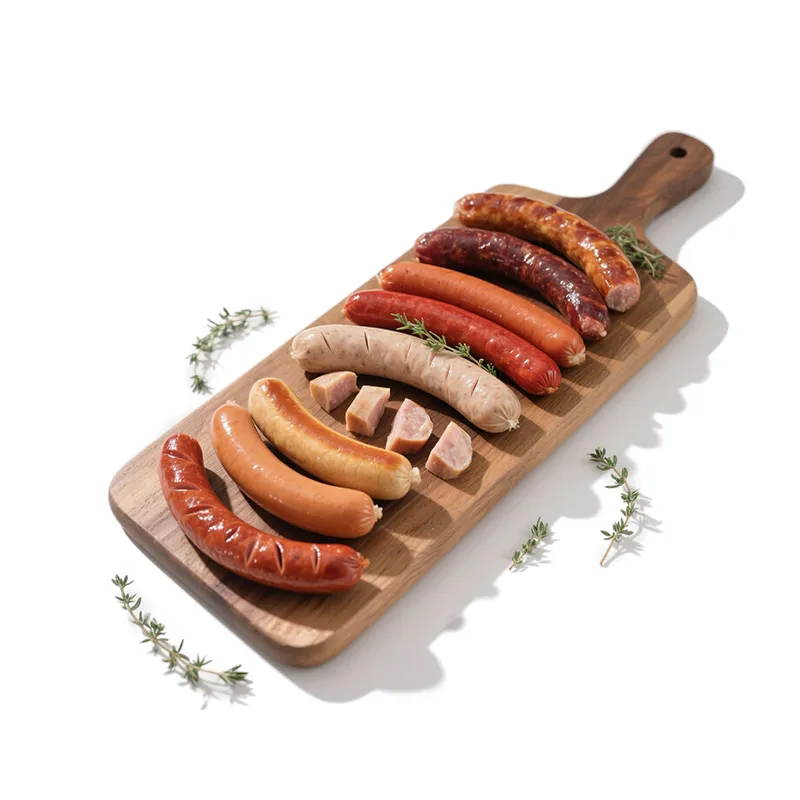
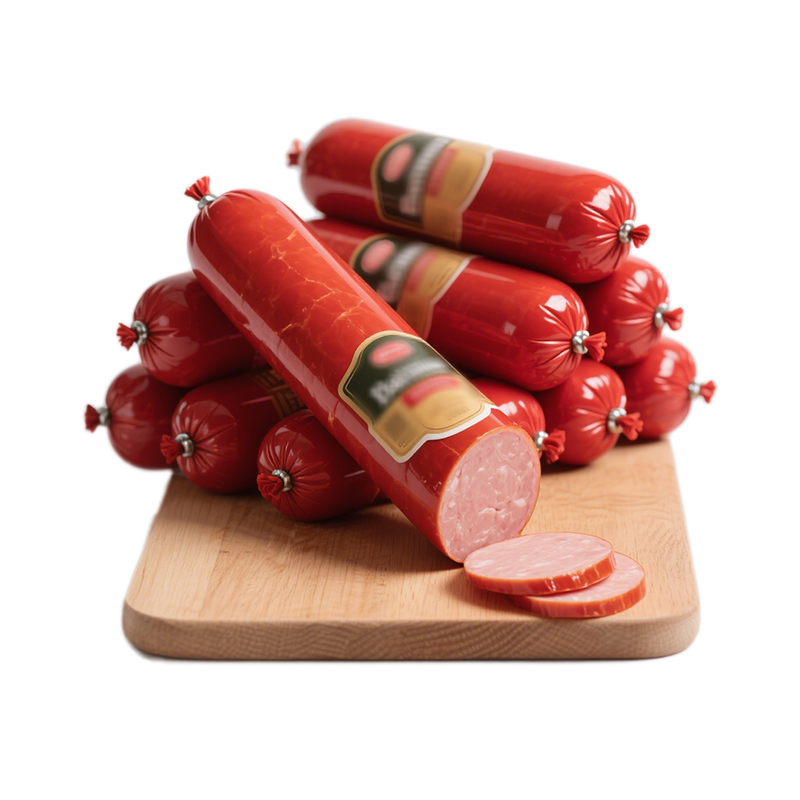
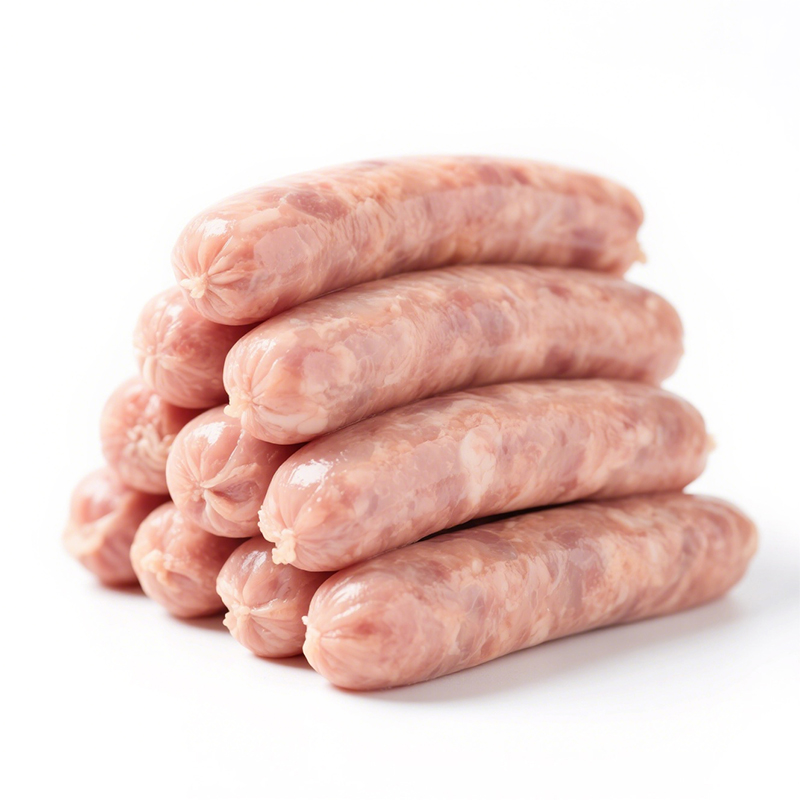

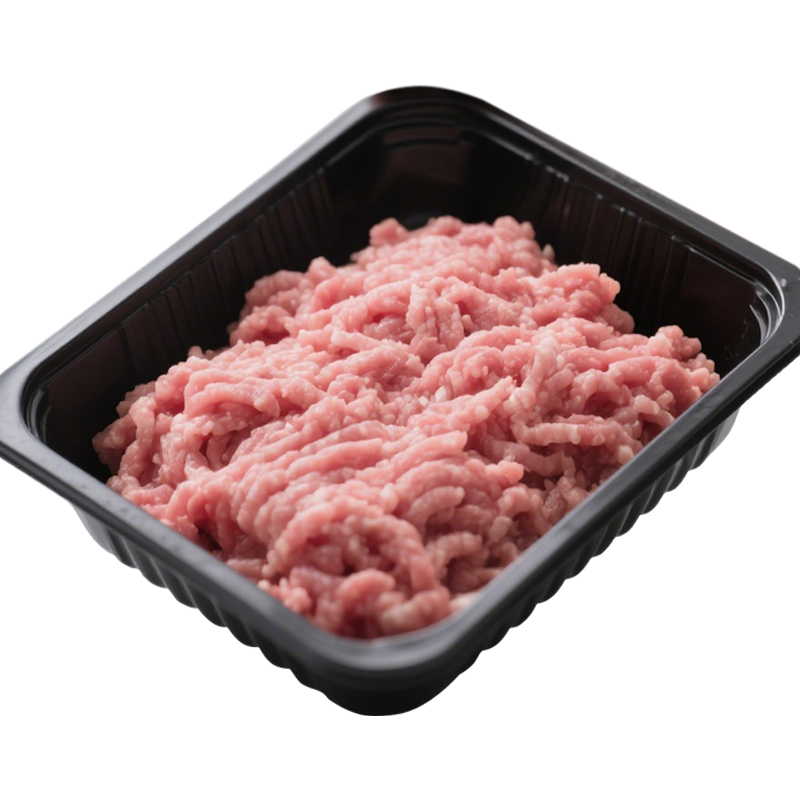
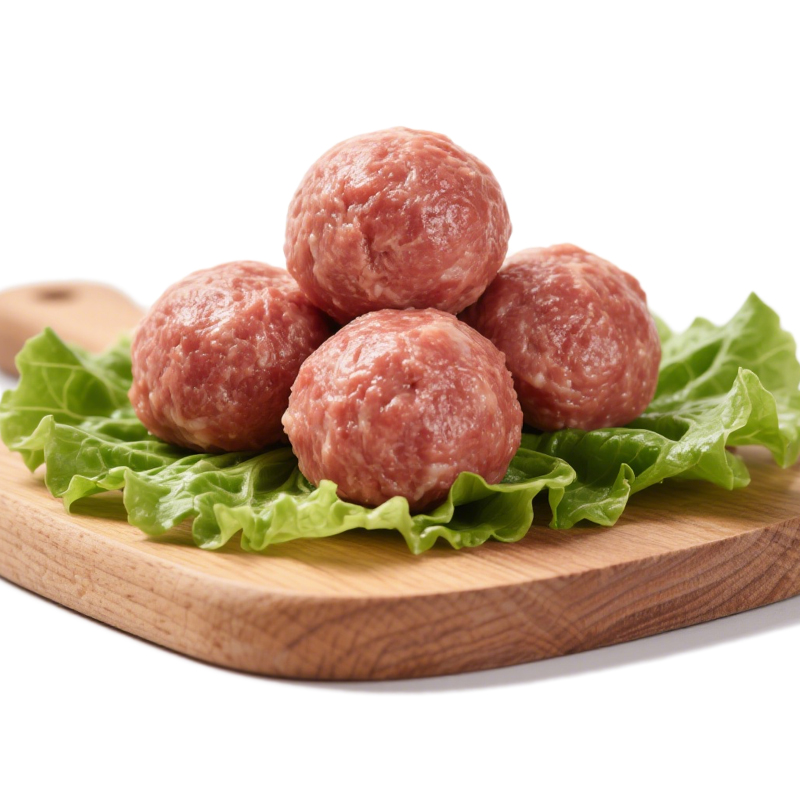
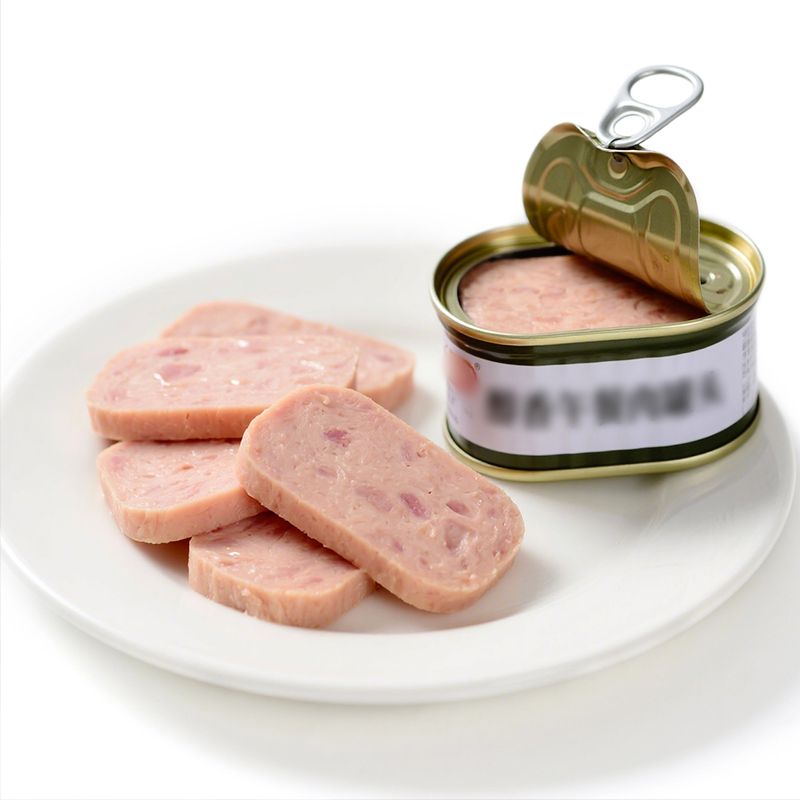
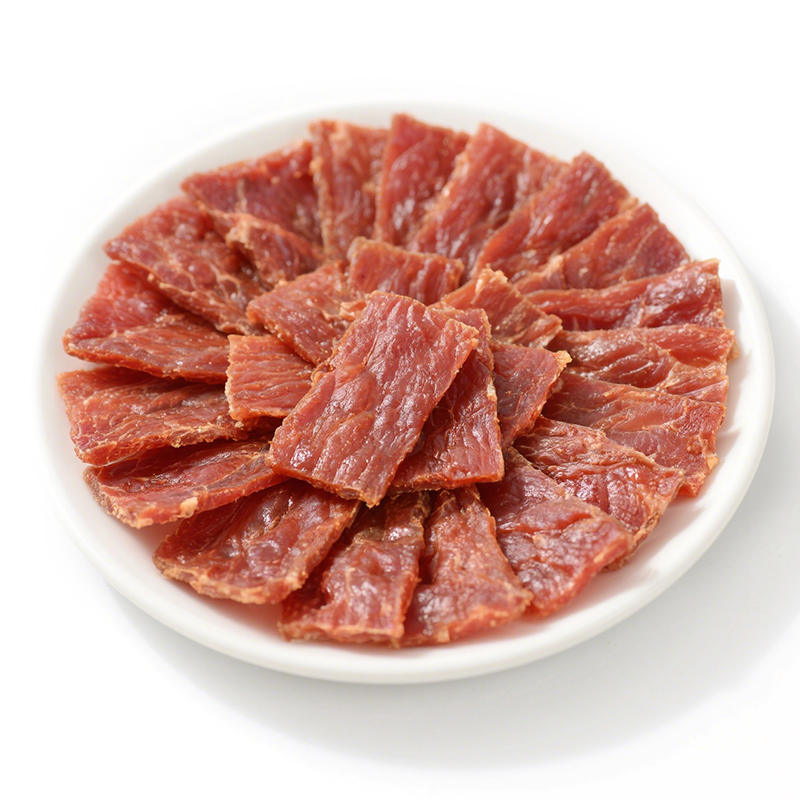

In the modern meat industry, equipment selection has become one of the most important decisions for factory owners and production managers. As consumer demand for processed meat continues to grow, factories must balance production efficiency, product consistency, food safety compliance, and long-term operational costs.
Choosing the right machinery is not simply about purchasing individual units. Instead, it involves building a coordinated system where each stage—from processing to packaging—works seamlessly together. For many meat producers, especially those focusing on sausages and similar products, specialized machines such as the Sausage Casing Machine, Sausage Tying Machine, and Sausage Packaging Machines form the backbone of an efficient production line.
Understanding how these machines work and how they fit into a broader production strategy is the first step toward making a reliable investment.
Start with Your Production Goals
Before evaluating equipment models, factory managers should clearly define their production targets. This includes daily output, product varieties, packaging formats, and expansion plans.
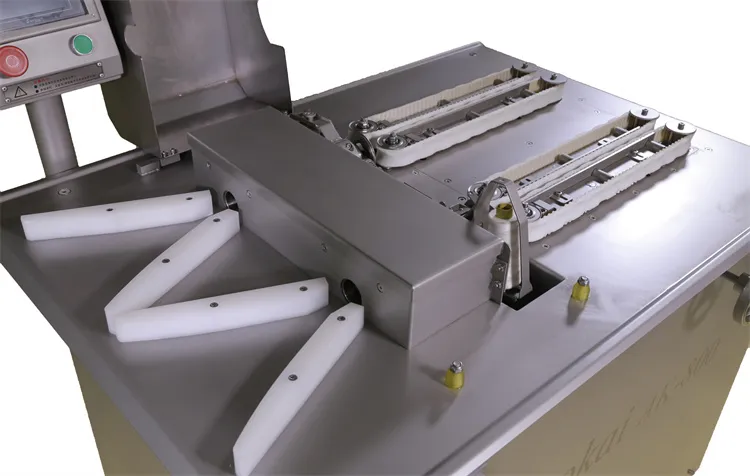
For example, a facility producing multiple sausage styles will require flexible systems. A reliable Sausage Casing Machine ensures consistent stuffing performance for different casing types, while a Sausage Tying Machine allows efficient linking of sausages with uniform length.
If the factory plans to sell skinless sausages or hot-dog-style products, integrating a Sausage Peeling Machine becomes essential. These machines automate the removal of casings after cooking, significantly reducing manual labor.
At the packaging stage, high-quality Sausage Packaging Machines protect product freshness while maintaining retail presentation standards.
Focus on Production Efficiency and Automation
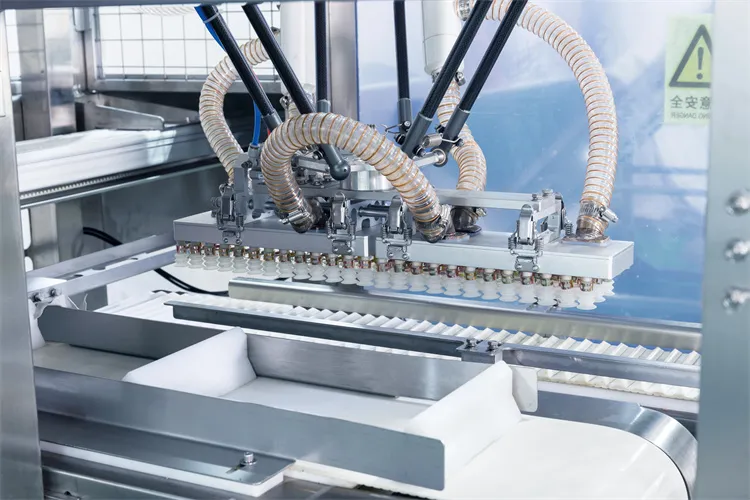
Automation is one of the most effective ways to increase productivity and maintain consistent quality. Modern meat processing factories rely on integrated machinery to minimize manual handling and reduce operational errors.
For instance, a Sausage Cutter Machine ensures accurate separation of linked sausages, preventing uneven cuts and improving product uniformity. When combined with automated linking equipment like a Sausage Tying Machine, production speed increases significantly.
Automation also plays a crucial role in final product handling. Advanced Sausage Packaging Machines allow factories to streamline packaging operations while ensuring hygienic sealing and attractive presentation.
The right combination of machines can transform production capacity without requiring major facility expansion.
Ensure Compliance with International Standards
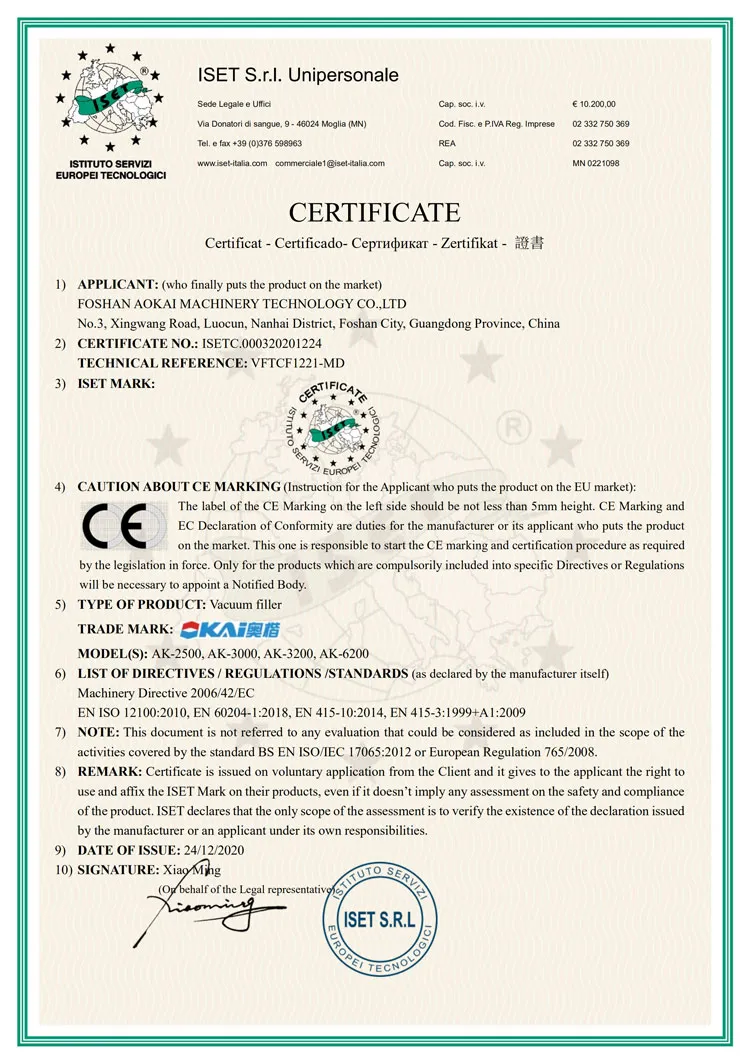
Food safety and equipment safety standards are critical when choosing meat processing machinery. For factories targeting international markets, equipment must comply with certifications such as CE in Europe and USDA-related sanitation standards in the United States.
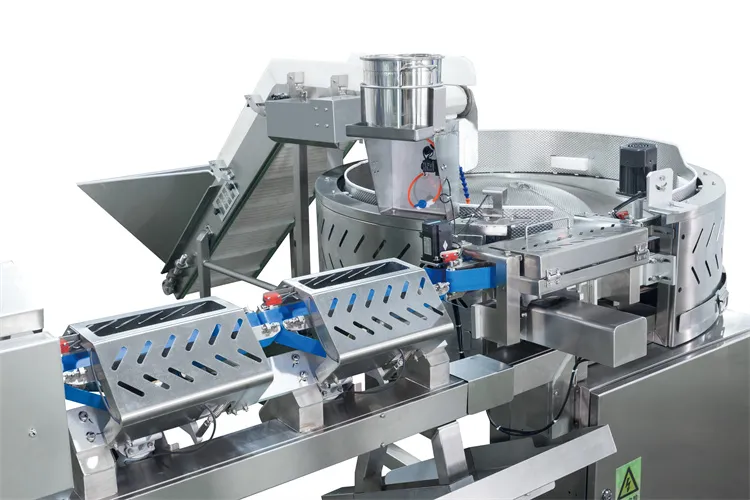
A well-designed Sausage Casing Machine should feature food-grade stainless steel construction, easy cleaning surfaces, and hygienic design. Similarly, a Sausage Cutter Machine must include protective guards and precise blade control to meet workplace safety requirements.
Even supporting machines like the Sausage Peeling Machine and Sausage Tying Machine must meet sanitation standards to prevent contamination during processing.
Industry Analysis: Key Factors When Selecting Meat Processing Equipment
| Equipment Factor | Importance | Impact on Production |
|---|---|---|
| Hygiene Design | Very High | Prevents contamination |
| Production Capacity | High | Determines output scalability |
| Automation Level | High | Reduces labor dependency |
| Maintenance Cost | Medium | Affects long-term profitability |
| Equipment Durability | High | Ensures stable operation |
| Integration Capability | Very High | Improves workflow efficiency |
This comparison shows that equipment selection should always consider both short-term performance and long-term operational stability.
Choose a Manufacturer with Proven Industry Experience
Beyond machine specifications, the manufacturer’s experience is equally important. A reliable supplier understands real production challenges and can recommend equipment configurations that improve efficiency.
Aokai, founded in 2008, brings more than 17 years of experience in manufacturing meat processing equipment. The company provides one-stop solutions covering grinding, filling, linking, and intelligent packaging systems for global customers.
With machinery exported to the United States, Mexico, and the Philippines, Aokai has developed equipment that meets international manufacturing standards while maintaining consistent reliability.
From flexible Sausage Casing Machine solutions to efficient Sausage Packaging Machines, Aokai focuses on scalable systems that can adapt as customers expand their production capacity.

Long-Term Technical Support Matters
Meat processing equipment is a long-term investment. Continuous technical support and spare-parts availability are essential to maintain stable production.
Machines such as the Sausage Peeling Machine and Sausage Cutter Machine operate under high workloads, making preventive maintenance and service support critical.
By working with a supplier that provides responsive technical assistance, factories can reduce downtime and maintain consistent product quality.
FAQ: Common Questions About Meat Processing Equipment
Q1: How do I determine the right production capacity for my factory?
Analyze current demand and future expansion plans before selecting equipment.
Q2: Can small factories use automated machines?
Yes. Compact Sausage Tying Machine and Sausage Packaging Machines solutions are available for smaller operations.
Q3: How important is equipment integration?
Very important. A properly integrated line improves efficiency and reduces bottlenecks.
Q4: What machines are essential for sausage production?
Typical lines include grinding, filling, casing, linking, cutting, and packaging equipment.
Q5: How can equipment improve product consistency?
Automated machines maintain stable processing conditions and uniform portion sizes.
Call to Action: Build a Reliable Meat Processing System
Selecting the right meat processing equipment is a strategic decision that shapes production efficiency, product quality, and long-term profitability. Factories that invest in reliable machines gain a significant advantage in today’s competitive food market.
Aokai works closely with meat processors around the world to design efficient production systems tailored to specific operational needs. From the Sausage Casing Machine to advanced Sausage Packaging Machines, the goal is always to provide equipment that delivers consistent performance and long-term value.
If you are planning to build or upgrade your meat processing factory, choosing the right equipment partner is the first step toward sustainable growth.
Conclusion
The success of a meat processing factory depends heavily on selecting the right machinery. Efficient equipment improves productivity, ensures food safety, and supports consistent product quality.
By evaluating production goals, automation needs, certification requirements, and supplier expertise, manufacturers can build processing systems that are both reliable and scalable.
With experienced partners and well-designed machines, meat processors can confidently meet growing global demand while maintaining high standards of efficiency and quality.