



In recent years, global supply chains have undergone profound structural shifts. Rising logistics costs, regional compliance differences, geopolitical uncertainty, and increasing regulatory scrutiny have all reshaped how food manufacturers source equipment. For meat processors in particular, choosing a machinery supplier is no longer a one-time purchasing decision—it is a long-term strategic partnership.
Against this backdrop, the ability of a supplier to provide stable equipment quality, certification compliance, and continuous technical support has become just as important as machine performance itself. Whether building a new Sausage Production Line or upgrading individual process modules, manufacturers must now evaluate partners through a broader, more future-oriented lens.
Why Machinery Partnerships Matter More Than Ever
Traditionally, buyers focused on price, delivery time, and basic functionality. Today, disruptions in spare parts supply, service access, and regulatory interpretation can halt production for weeks.
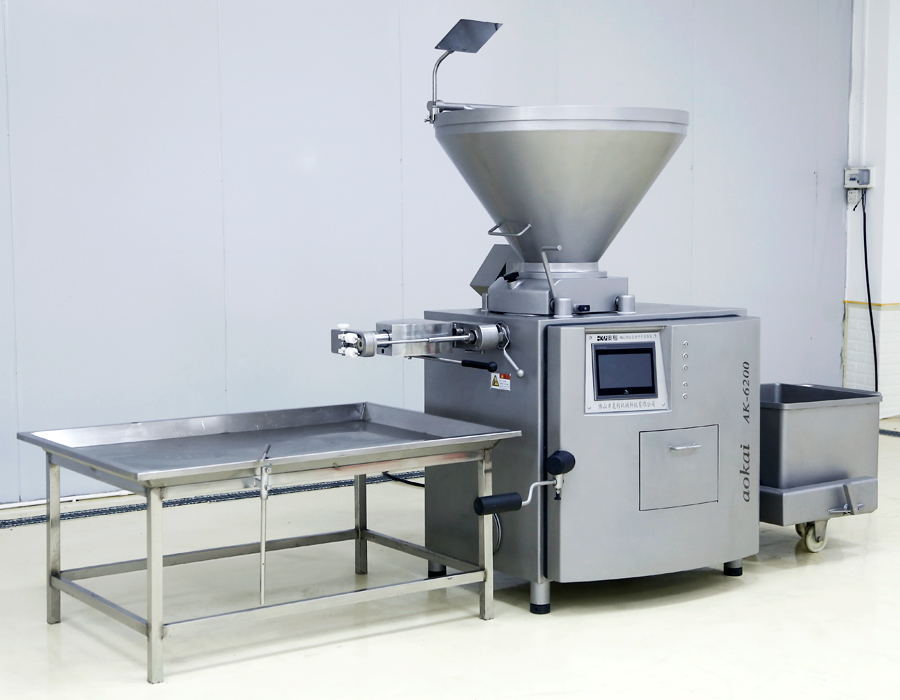
Modern Meat Processing Machines are complex systems integrating mechanical, electrical, and digital components. Without ongoing technical support, even the most advanced equipment can quickly become a liability. This is especially true for export-oriented processors operating Sausage Making Machines and Sausage Packaging Machines under strict food safety standards.
In a volatile global environment, reliability is defined not by machines alone, but by the people, systems, and support structures behind them.
Certification Capability: The First Filter for Partner Selection
One of the clearest indicators of a reliable partner is certification readiness. Suppliers serving international markets must understand and embed global standards into both design and manufacturing.
For the European market, CE certification governs machinery safety, electrical systems, and hygiene design. In the United States, USDA and FDA requirements emphasize sanitation, food-contact materials, and process traceability. Equipment used in a Sausage Production Line must be able to pass inspection not only at installation, but throughout its operational life.
A supplier experienced in exporting Meat Processing Machines to multiple regions is far more likely to anticipate regulatory expectations and avoid costly retrofits.
Engineering Standards into Equipment Design
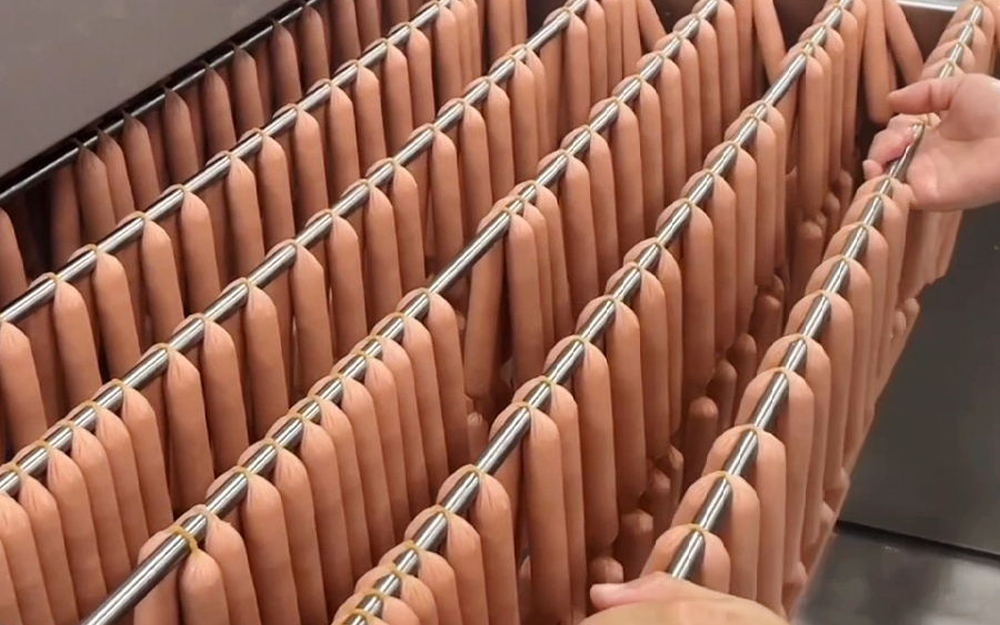
Certification is not paperwork—it is engineering logic. Reliable partners design machines around standards from the beginning.
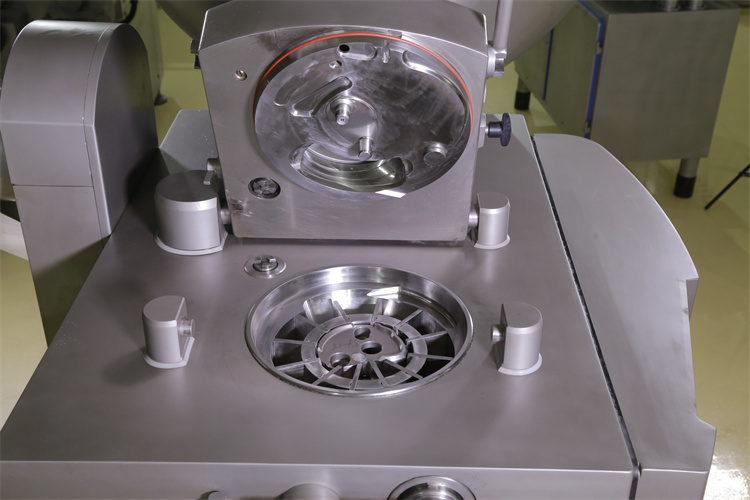
For example, advanced Sausage Making Machines incorporate smooth welds, tool-free disassembly, and washdown-friendly layouts to meet hygiene requirements. Sausage Packaging Machines are designed with validated sealing systems, traceability coding, and controlled environments to support both shelf-life extension and compliance.
End-of-line automation, such as a Packing And Palletizing Line, must also meet safety and ergonomics standards, particularly in markets with strict labor regulations.
Supply Chain Resilience and Localized Support
Global supply chain disruptions have exposed a critical weakness: suppliers without structured after-sales networks struggle to support customers when borders close or logistics slow down.
A reliable partner maintains spare parts availability, remote diagnostics, and clear service protocols. This is essential for keeping a Sausage Production Line running without interruption.
Suppliers who design and manufacture core components in-house typically offer better long-term support for Meat Processing Machines, as they are not dependent on fragmented third-party supply chains.
Aokai’s Partnership-Oriented Approach
Founded in 2008, Aokai brings over 17 years of experience as a professional meat processing machinery manufacturer. Based in Foshan, China, the company provides one-stop solutions covering grinding, filling, forming, and intelligent packaging.
Rather than selling isolated machines, Aokai focuses on flexible standard equipment with customized modifications, allowing customers to scale operations while maintaining compatibility across their Sausage Production Line.
With machinery exported to the United States, Mexico, and the Philippines, Aokai’s systems have proven their reliability under diverse regulatory environments. This export experience ensures that Sausage Making Machines and Sausage Packaging Machines are engineered with global compliance in mind.
Industry Analysis: What Defines a Reliable Machinery Partner?
| Evaluation Factor | Short-Term Supplier | Long-Term Partner |
| Certification Knowledge | Limited | In-depth, multi-market |
| Equipment Design | Price-driven | Standards-driven |
| Spare Parts Supply | Reactive | Planned & stocked |
| Technical Support | On request | Continuous |
| Customization Ability | Low | High |
| Lifecycle Cost Control | Weak | Strong |
These criteria are increasingly used by professional buyers evaluating suppliers for Meat Processing Machines and Packing And Palletizing Line projects.
Continuous Upgrades and Performance Optimization
In a changing market, equipment must evolve. Reliable partners actively upgrade machine performance based on field feedback.
Aokai’s customer-centric model emphasizes ongoing optimization of Sausage Making Machines, energy efficiency improvements, and smarter control systems. This ensures that customers are not locked into outdated technology as regulations or market demands shift.
Such continuous improvement is particularly valuable for integrated Sausage Production Line systems where bottlenecks can emerge over time.
Trust Built Through Export Experience
Successfully serving regulated markets is one of the strongest trust signals in the machinery industry. Buyers know that equipment operating under USDA inspection or CE conformity has already passed rigorous evaluation.
Aokai’s experience supporting Sausage Packaging Machines and automated Packing And Palletizing Line systems in overseas markets demonstrates its ability to deliver not just machines, but long-term operational confidence.
FAQ: Common Questions When Choosing a Machinery Partner
Q1: Is price still an important factor?
Yes, but total lifecycle cost matters more than initial price when investing in Meat Processing Machines.
Q2: How can we verify certification capability?
Review export references and documentation for Sausage Production Line installations in regulated markets.
Q3: Can one supplier support future expansion?
Partners offering modular Sausage Making Machines are better suited for long-term growth.
Q4: What role does digital support play?
Remote diagnostics significantly reduce downtime for Sausage Packaging Machines.
Q5: Why is after-sales service critical?
Without it, even advanced Packing And Palletizing Line systems risk prolonged downtime.
Call to Action: Choose Partnership Over Transactions
In a world of uncertain supply chains and tightening regulations, machinery sourcing decisions carry long-term consequences. Choosing a partner who understands certification, supports continuous improvement, and stands behind their equipment is no longer optional.
Aokai works closely with global meat processors to transform production challenges into sustainable solutions. From initial planning to ongoing technical support, the focus is always on long-term value creation.
If your company is preparing to upgrade or expand its processing capacity, now is the time to reassess what “reliable partnership” truly means.
Conclusion: Reliability Is Built Over Time, Not Shipped in a Crate
As global supply chains continue to evolve, the most resilient meat processors will be those supported by dependable machinery partners. Reliability today is defined by certification competence, engineering discipline, and ongoing service commitment.
By working with partners experienced in delivering Sausage Making Machines, Meat Processing Machines, Sausage Packaging Machines, Packing And Palletizing Line solutions, and complete Sausage Production Line systems, manufacturers can protect both productivity and brand reputation.
In an unpredictable world, the right machinery partner is not just a supplier—it is a strategic asset.