

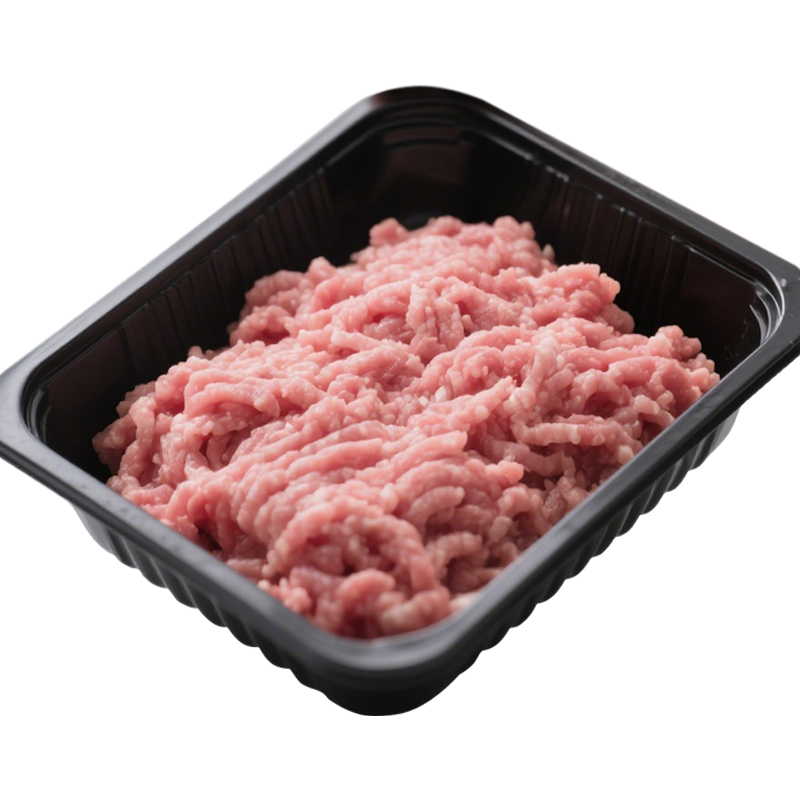
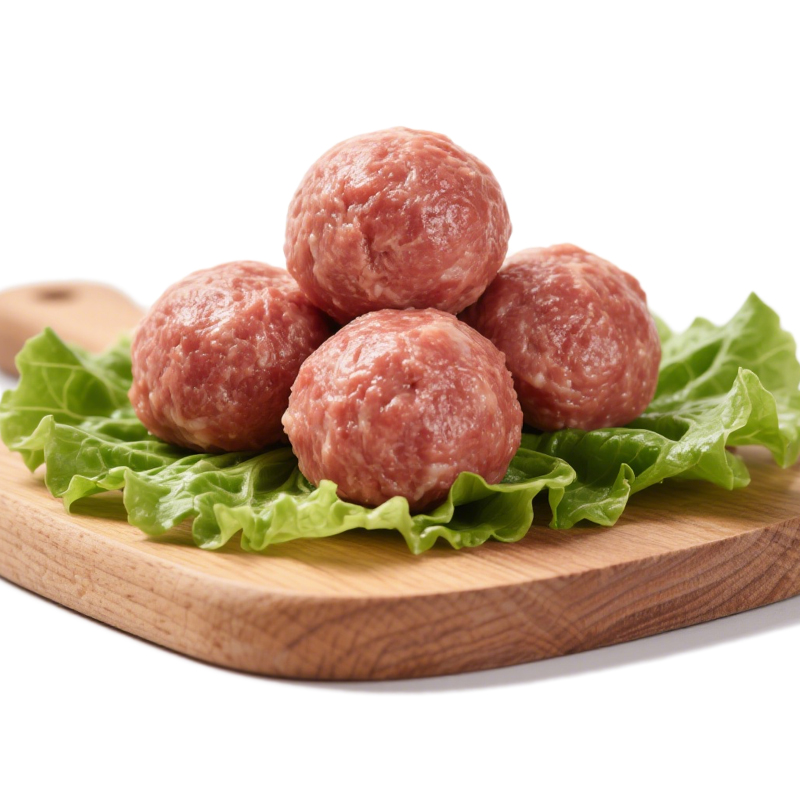
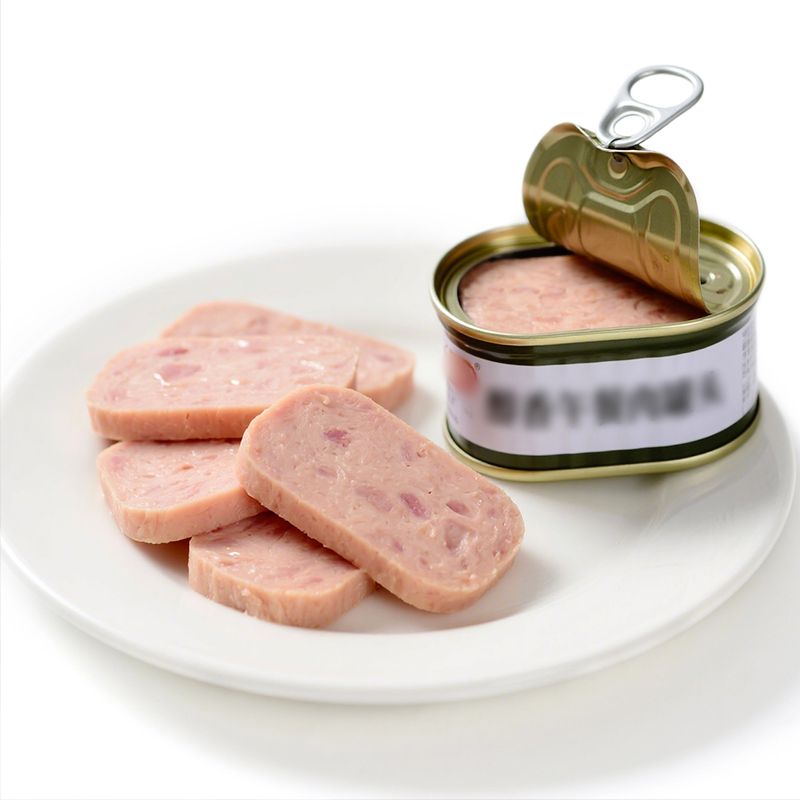
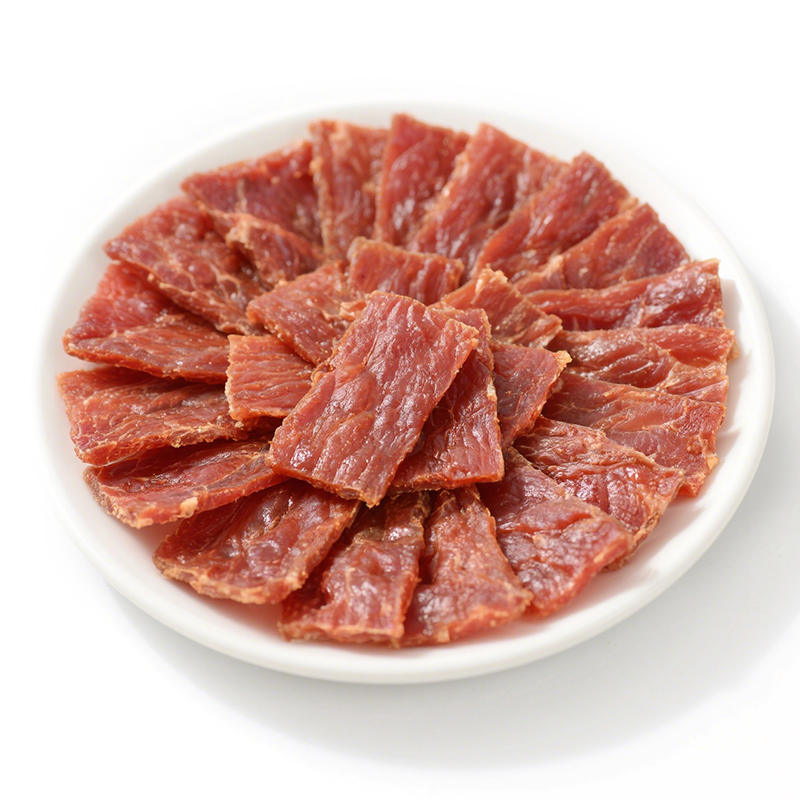

As global consumer demand shifts toward personalization, freshness, and rapid product iteration, the meat processing industry is undergoing a quiet but profound transformation. Traditional large-scale, single-product manufacturing models are increasingly challenged by multi-variety, small-batch production, especially in processed meat categories such as sausages, ham, bacon, and emerging protein blends.
Against this backdrop, food manufacturers worldwide are rethinking how to design production systems that balance efficiency, flexibility, hygiene compliance, and long-term scalability. The question is no longer whether to upgrade, but how to build a processing line that can adapt without sacrificing productivity.
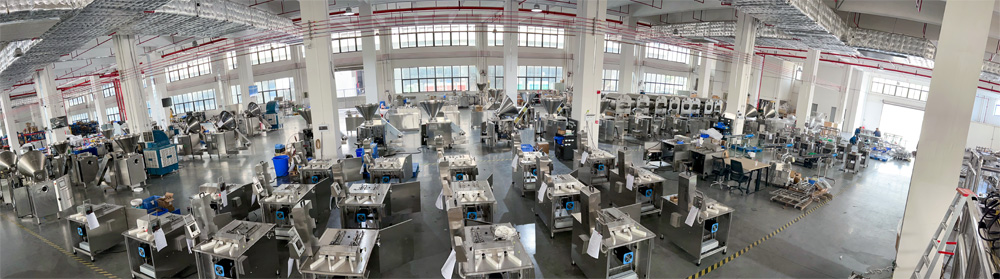
Market Trend: Why Flexibility Has Become Non-Negotiable
From North America to Southeast Asia, retailers and foodservice brands are expanding SKU portfolios at unprecedented speed. Limited-edition flavors, regional recipes, and private-label products are replacing uniform, high-volume offerings.
This shift has three direct implications for processing plants:
Shorter production runs with frequent changeovers
Higher requirements for equipment compatibility across products
Stricter food safety and traceability standards
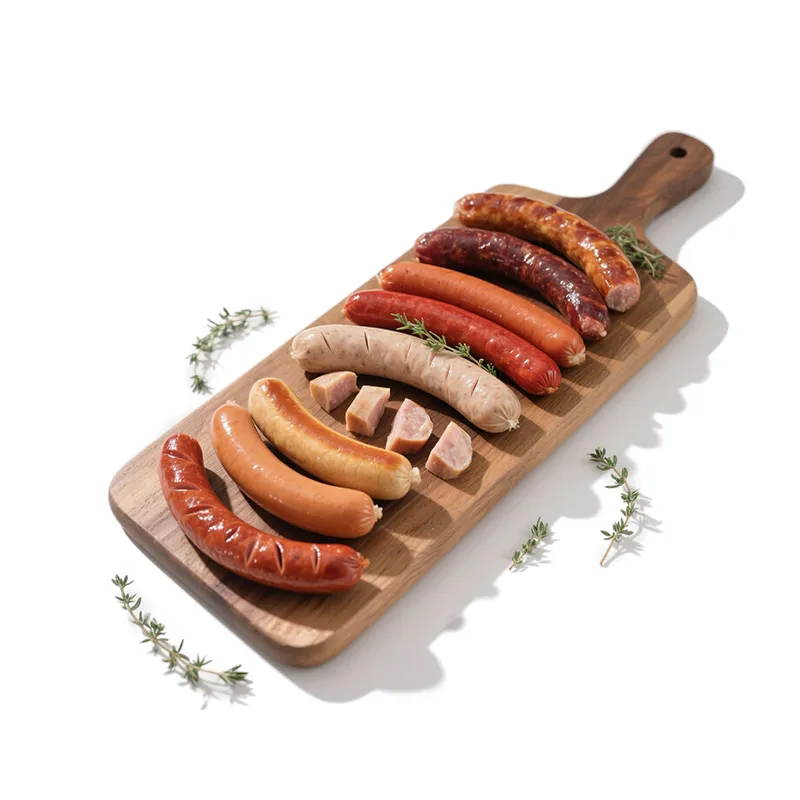
In this context, a modern Sausage Processing Line must be modular by design, capable of switching between emulsified, coarse, fresh, or cured products with minimal downtime. The same logic applies to diversified systems such as the Fresh Sausage Processing Line, which must handle varying textures, casings, and formulations while maintaining yield consistency.
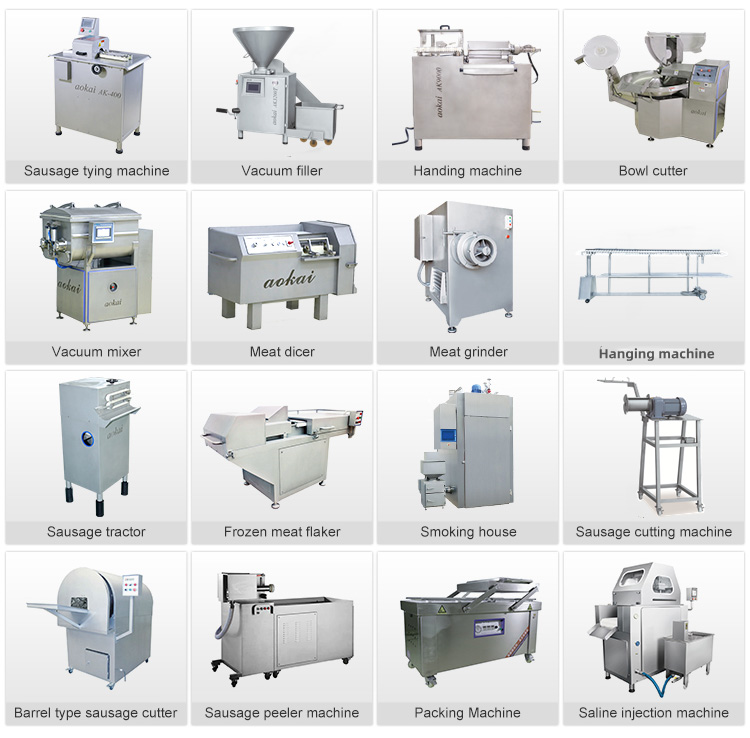
Engineering the Core: Modular Design as the Foundation
A flexible processing line starts with standardized core machines enhanced through customized modifications. This approach allows manufacturers to maintain proven mechanical reliability while tailoring performance to specific products.
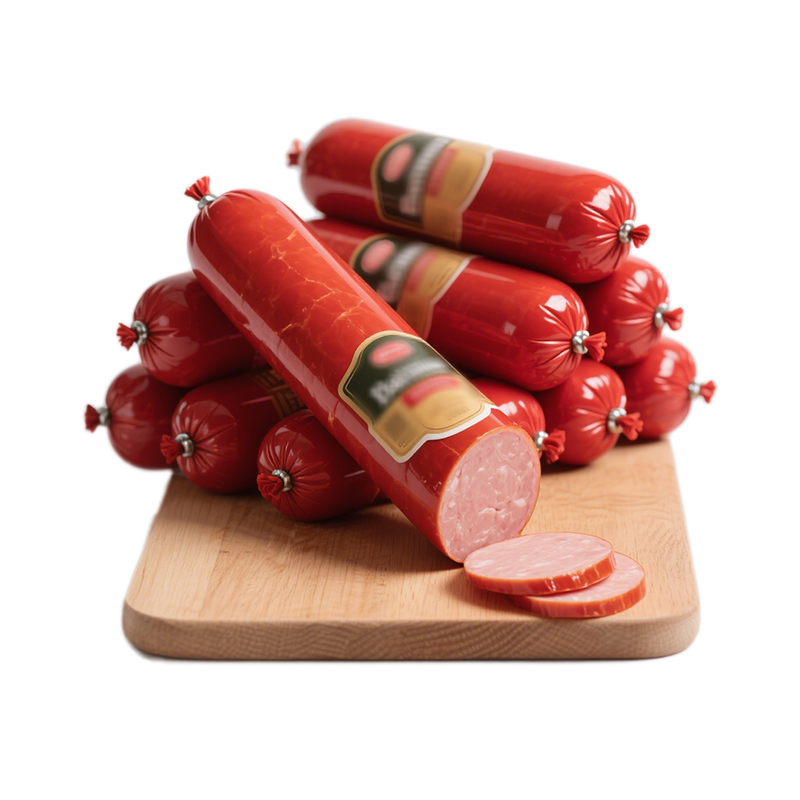
Aokai, founded in 2008 and based in Foshan, China, has built its reputation around this philosophy. With more than 17 years of experience, the company delivers one-stop solutions covering grinding, mixing, filling, forming, cooking, cooling, and intelligent packaging. Its equipment is widely used in Sausage Processing Line projects as well as integrated Ham Processing Line configurations for cooked and cured products.
Rather than forcing clients into rigid layouts, Aokai focuses on scalable systems that can evolve as market demand changes—an increasingly critical advantage for export-oriented processors.
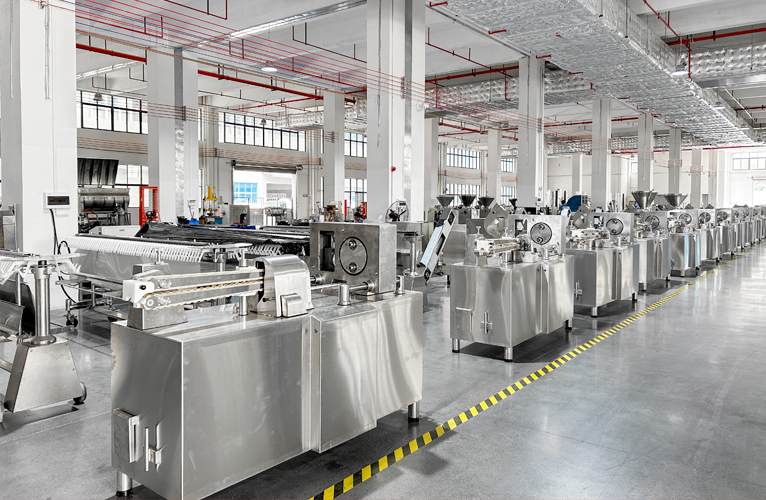
Process Integration: From Raw Material to Finished Pack
To support small-batch efficiency, integration between each processing stage must be seamless. A fragmented line increases labor costs, contamination risk, and changeover time.
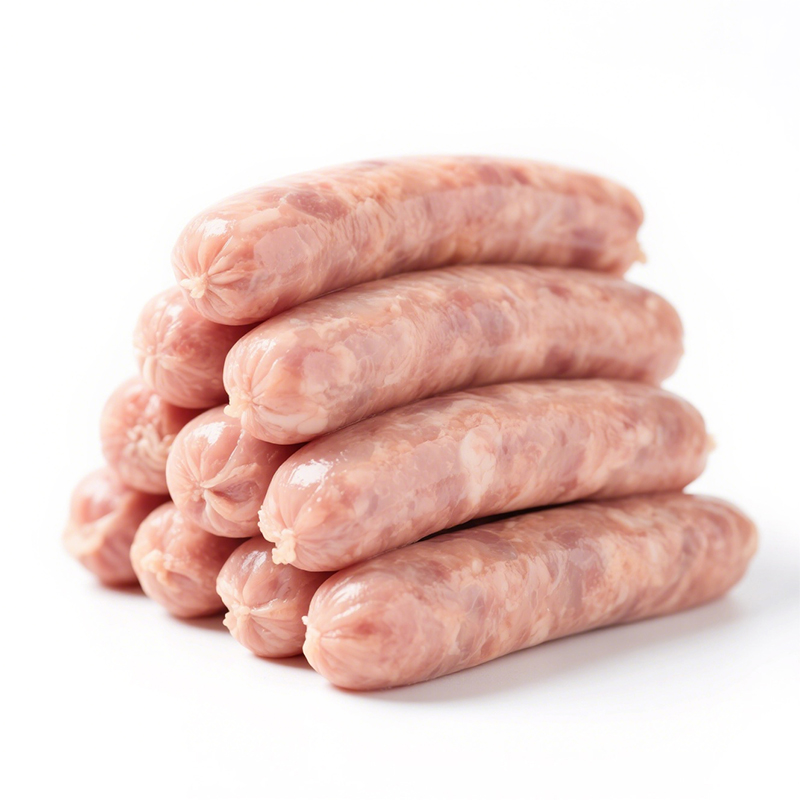
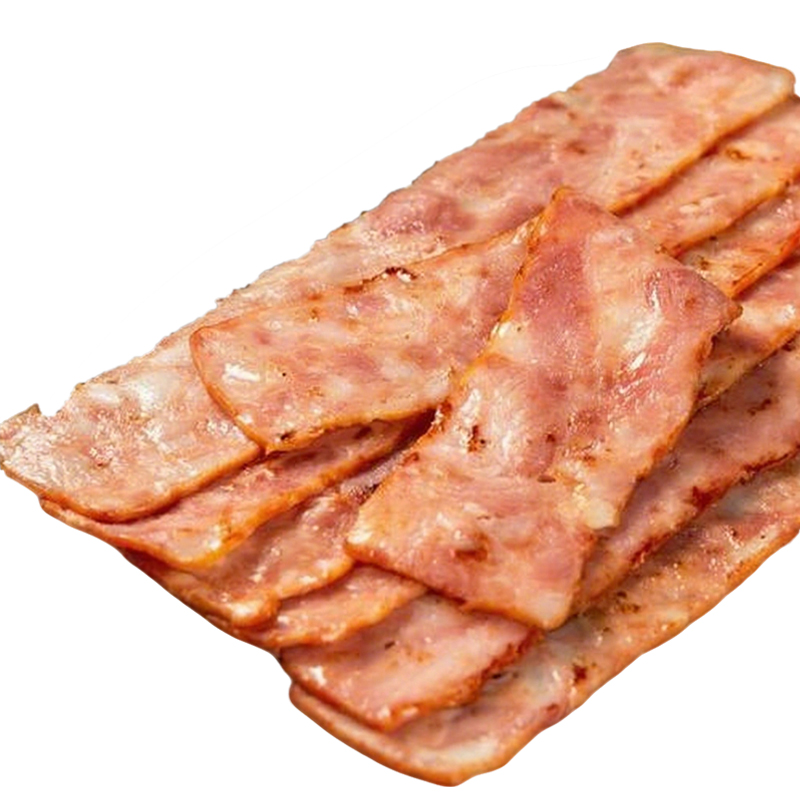
A well-designed Fresh Sausage Processing Line integrates grinding accuracy, gentle mixing, and precise filling control to protect protein structure and texture. Meanwhile, a modern Bacon Processing Line emphasizes slicing uniformity, weight control, and packaging automation to meet retail-ready standards.
For processors expanding beyond traditional meat, systems like the Shrimp Paste Processing Line demonstrate how flexible equipment configurations can support seafood-based or hybrid protein products without duplicating infrastructure.
Industry Analysis: Key Performance Parameters
Below is an industry-focused comparison table highlighting core parameters that manufacturers evaluate when upgrading or building flexible processing lines:
| Parameter | Traditional Line | Flexible Modular Line |
| Changeover Time | 2–4 hours | 20–40 minutes |
| Product Variety Capacity | 1–2 SKUs | 8–15 SKUs |
| Labor Dependency | High | Reduced by 30–50% |
| Yield Stability | Medium | High (±0.5%) |
| Hygiene Compliance | Basic | International standards |
| Scalability | Limited | High, modular expansion |
These metrics explain why processors investing in a next-generation Sausage Processing Line increasingly favor modular architectures over fixed layouts.
Global Acceptance and Export-Oriented Design
Export markets demand consistency. Equipment used in the US, Mexico, and the Philippines must comply with diverse regulatory frameworks while maintaining stable performance across climates and operating conditions.
Aokai’s systems are engineered and manufactured entirely in-house, ensuring full lifecycle quality control. Whether configured as a Ham Processing Line for cooked deli products or adapted into a Bacon Processing Line for premium sliced items, the equipment is designed to meet international food safety and efficiency benchmarks.
This export-proven reliability is particularly valuable for manufacturers planning phased capacity expansion rather than one-time large investments.
Digitalization and Intelligent Packaging
Efficiency is no longer defined solely by mechanical speed. Data-driven production is becoming standard, even for small and medium processors.
Intelligent packaging modules—integrated into advanced Sausage Processing Line systems—enable real-time weight monitoring, defect detection, and traceability labeling. These capabilities reduce giveaway, enhance compliance, and support brand credibility in competitive retail environments.
For niche or seasonal products produced on a Fresh Sausage Processing Line, such digital tools allow rapid adjustment without extensive manual recalibration.
FAQ: Common Questions from Meat Processors
Q1: Can one line handle multiple products without compromising quality?
Yes. A modular Sausage Processing Line with customized tooling can support multiple formulations while maintaining consistent texture and yield.
Q2: How does a flexible system reduce operating costs?
By minimizing downtime, lowering labor dependency, and improving yield stability across products such as those produced on a Ham Processing Line.
Q3: Is flexible automation suitable for small factories?
Absolutely. Scalable systems allow gradual upgrades, including entry-level Fresh Sausage Processing Line setups with expansion potential.
Q4: Can seafood-based products be processed on similar equipment?
With proper configuration, systems such as the Shrimp Paste Processing Line demonstrate strong cross-category adaptability.
Q5: How important is after-sales support?
Critical. Continuous performance upgrades and service responsiveness directly impact ROI, especially for complex Bacon Processing Line operations.
Call to Action: Turning Market Change into Competitive Advantage
Market fragmentation is not a threat—it is an opportunity for manufacturers equipped with the right technology. Investing in a flexible, efficient processing line enables faster product launches, reduced risk, and stronger customer responsiveness.
Aokai partners closely with global clients to translate market insights into engineered solutions. From concept planning to equipment customization and long-term service support, the company helps processors build systems that grow with their business.
If you are planning to upgrade or design a next-generation processing facility, now is the time to rethink rigidity and embrace adaptability.
Conclusion: Building for the Next Decade, Not Just Today
The future of meat processing belongs to manufacturers who can move fast without losing control. A well-designed Sausage Processing Line, supported by modular engineering and intelligent integration, is no longer optional—it is foundational.
By combining standardized reliability with customized flexibility, processors can successfully operate diverse systems ranging from Ham Processing Line and Fresh Sausage Processing Line to Bacon Processing Line and Shrimp Paste Processing Line solutions.
In an era defined by change, the most valuable production asset is not scale alone—but the ability to adapt, efficiently and confidently.