
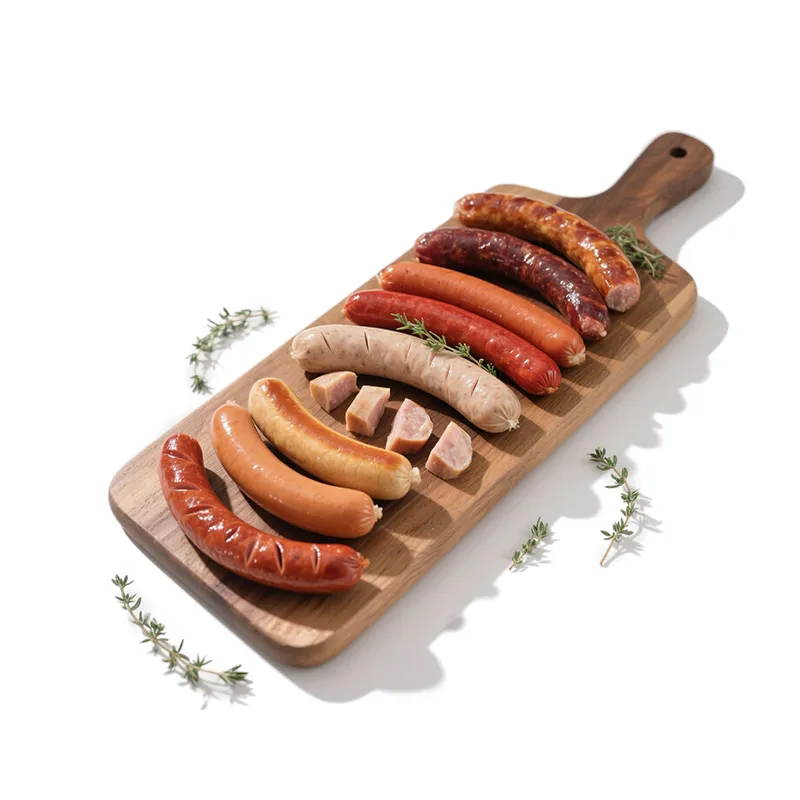
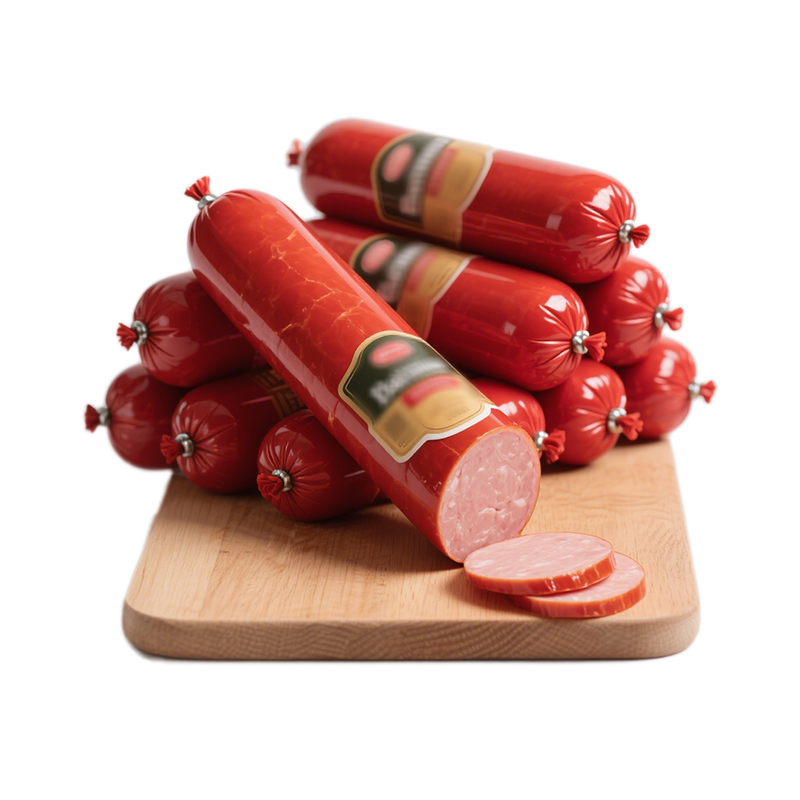
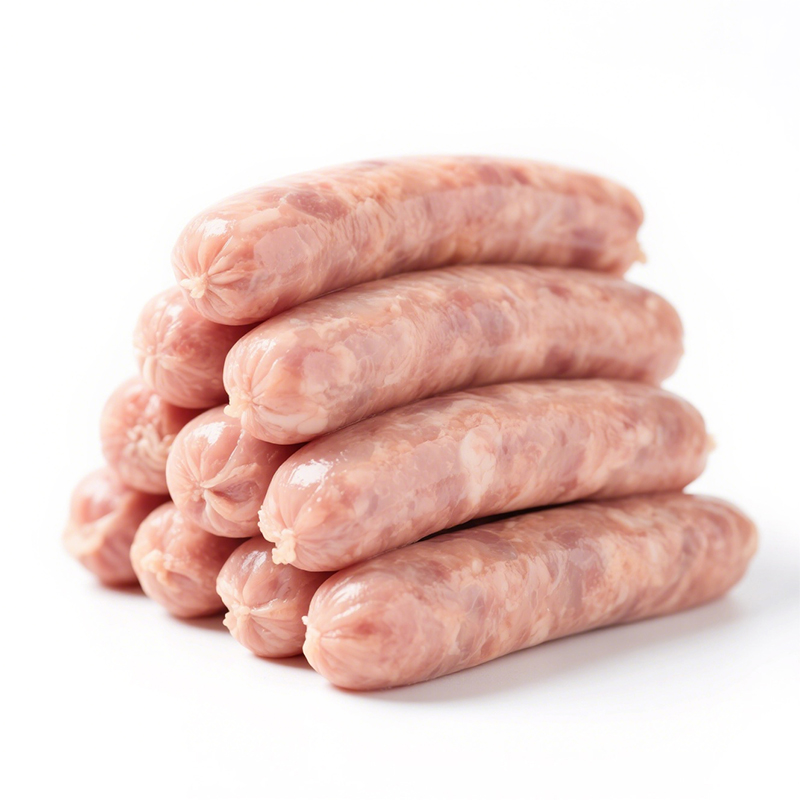
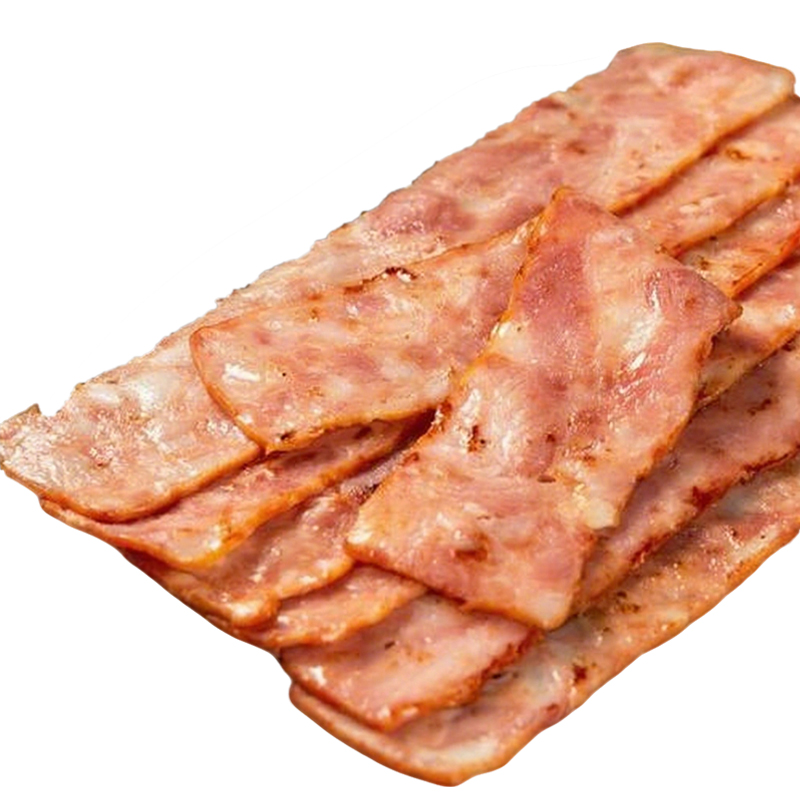

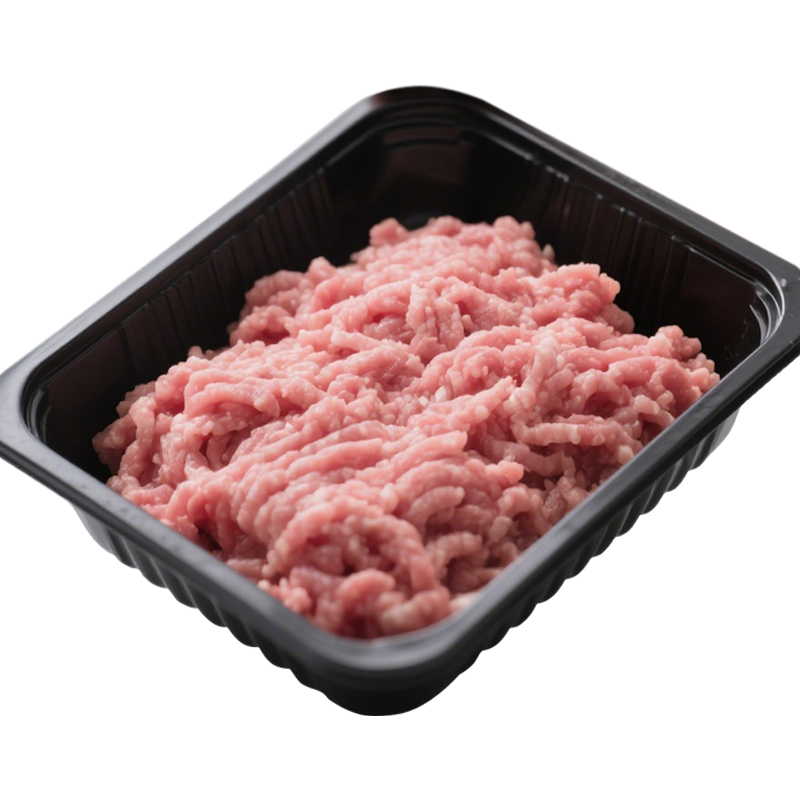
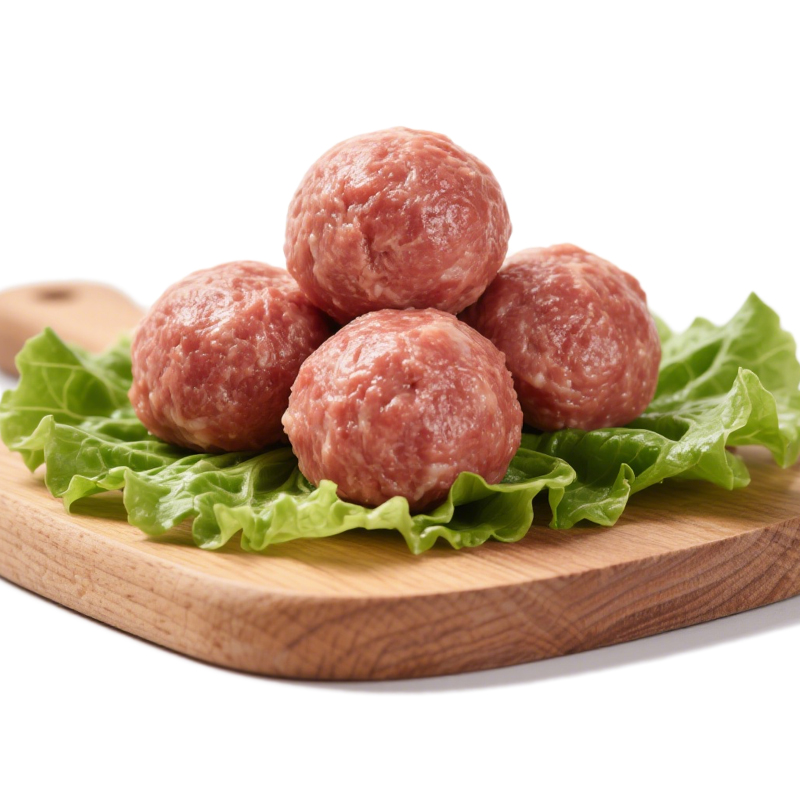
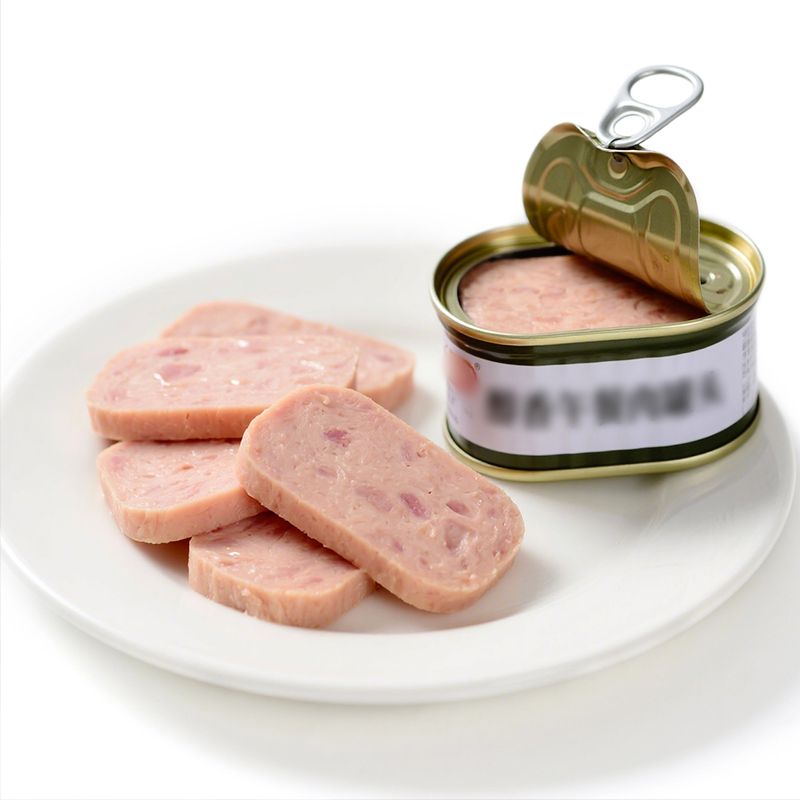
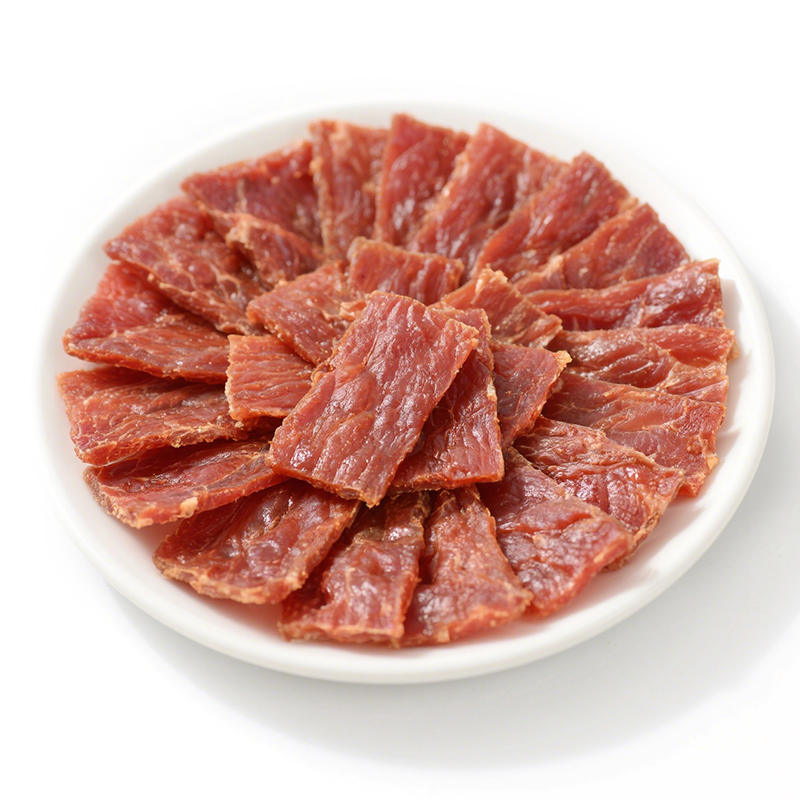

In global meat markets, shelf life is no longer just a technical parameter—it is a commercial advantage. As consumer expectations evolve toward freshness, transparency, and premium presentation, intelligent packaging has emerged as a decisive factor in how sausage, ham, meatballs, and formed meat products compete on retail shelves.
For manufacturers supplying both domestic and export markets, packaging technology now sits at the intersection of food safety, regulatory compliance, and brand perception. Whether applied to a Meat Ball Processing Line or integrated into a high-capacity Canned Meat Processing Line, intelligent packaging is reshaping how meat products are protected, transported, and perceived.
From Protection to Communication: The New Role of Packaging
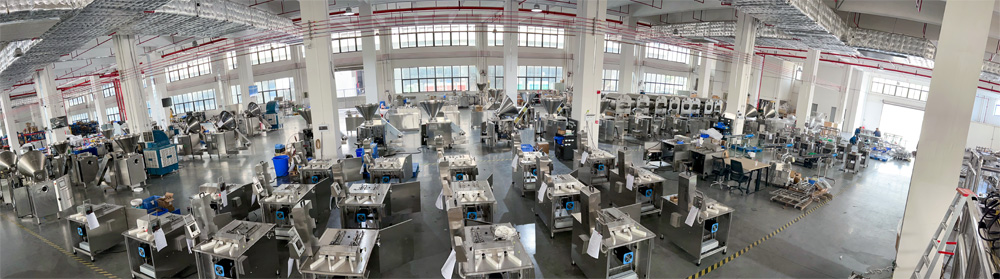
Traditional packaging focused on containment. Modern intelligent packaging communicates quality, ensures stability, and reinforces brand trust. Technologies such as modified atmosphere packaging (MAP), vacuum sealing with oxygen control, smart labeling, and traceability coding now play a central role across advanced processing systems.
In premium sausage and ham production, packaging performance can extend shelf life by days—or even weeks—without additives. This is particularly critical for export-oriented Jerky Processing Line applications, where long-distance logistics demand absolute stability.
Shelf Life Extension: Science Meets Engineering
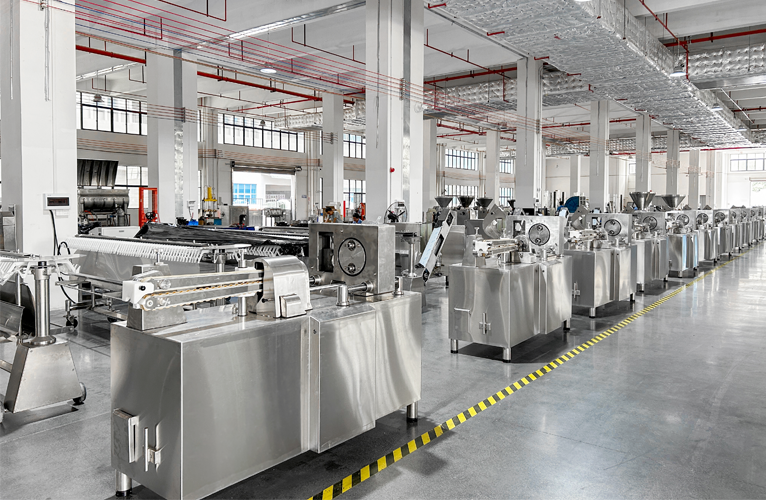
Shelf life extension begins with oxygen management and microbial control. Intelligent packaging systems regulate internal gas composition, moisture balance, and sealing integrity, significantly slowing oxidation and spoilage.
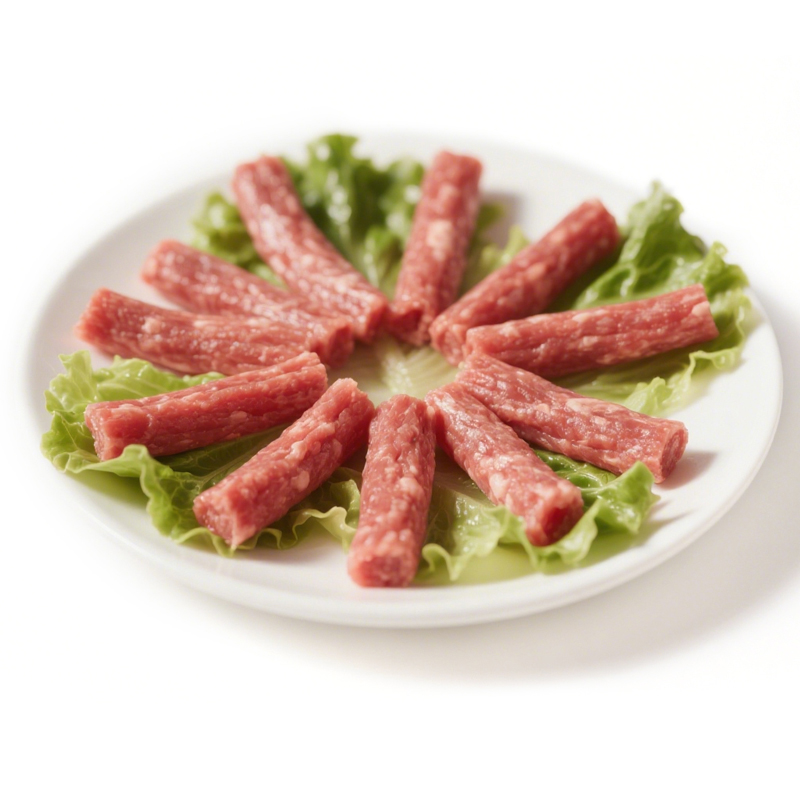
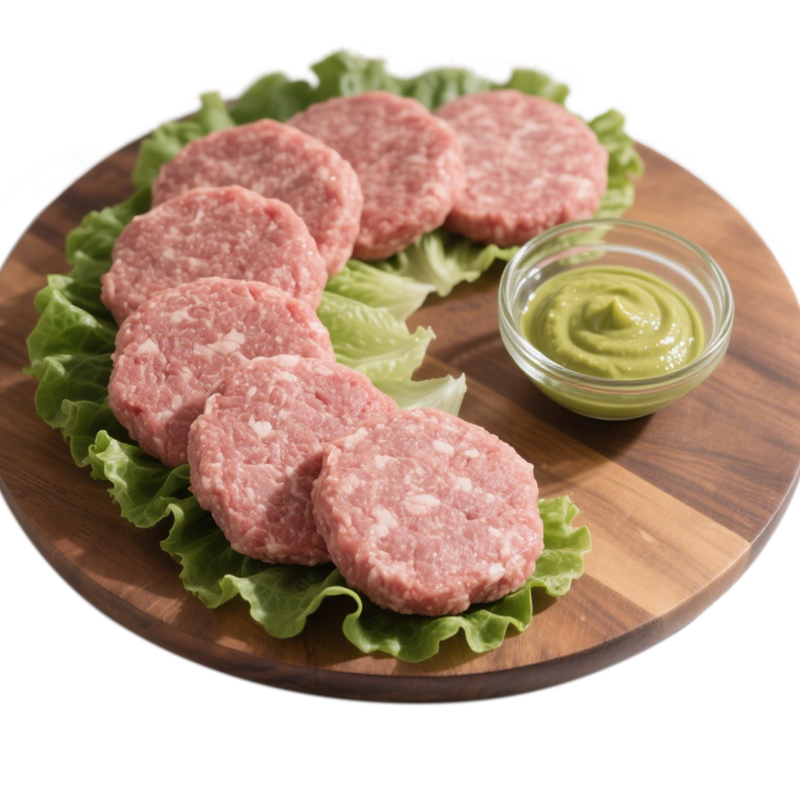
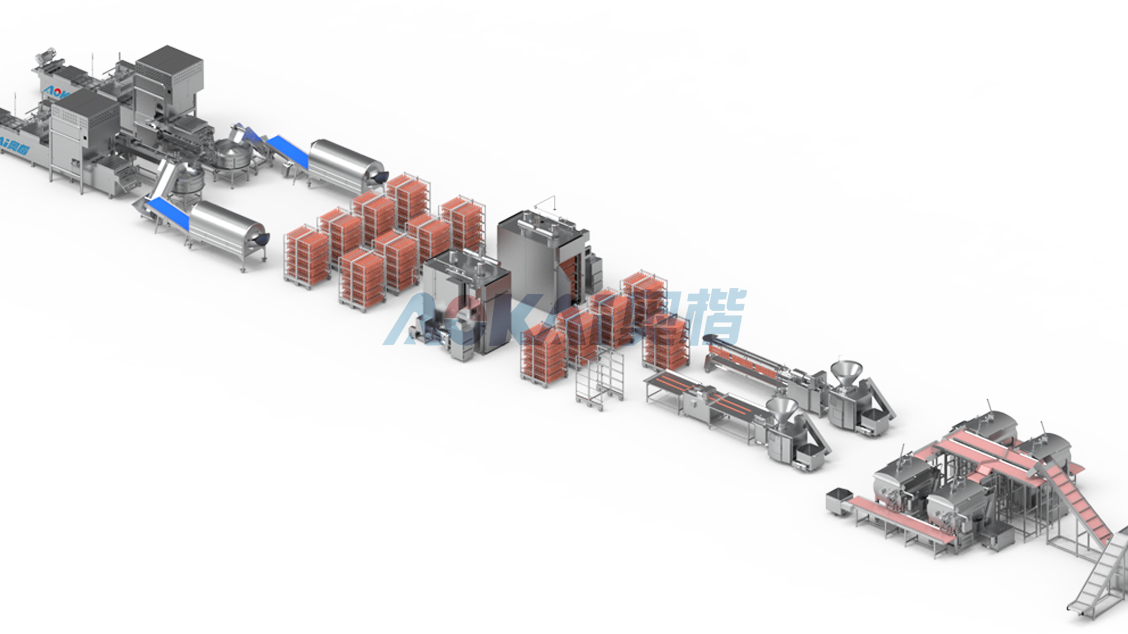
For example, when integrated into a Meat Baton Line, intelligent vacuum and gas-flush systems stabilize product color and texture while preserving flavor integrity. Similarly, a modern Patty Processing Line benefits from precision sealing that reduces purge loss and freezer burn during cold-chain distribution.
These results are only achievable when packaging equipment is engineered as part of the total processing ecosystem, not as an isolated end-of-line add-on.
Certification as the Hidden Driver of Packaging Innovation
In the EU and North American markets, intelligent packaging must meet strict regulatory standards. CE compliance in Europe and USDA/FDA requirements in the United States govern not only machine safety, but also material selection, sealing validation, and data traceability.
For equipment used in a Meat Ball Processing Line, packaging modules must demonstrate hygienic design, food-contact material certification, and repeatable sealing performance. In a Canned Meat Processing Line, thermal resistance, seam integrity, and batch identification are heavily scrutinized.
This regulatory pressure has accelerated innovation, pushing manufacturers to integrate certification logic directly into equipment design.
Designing Packaging Systems Around Global Standards
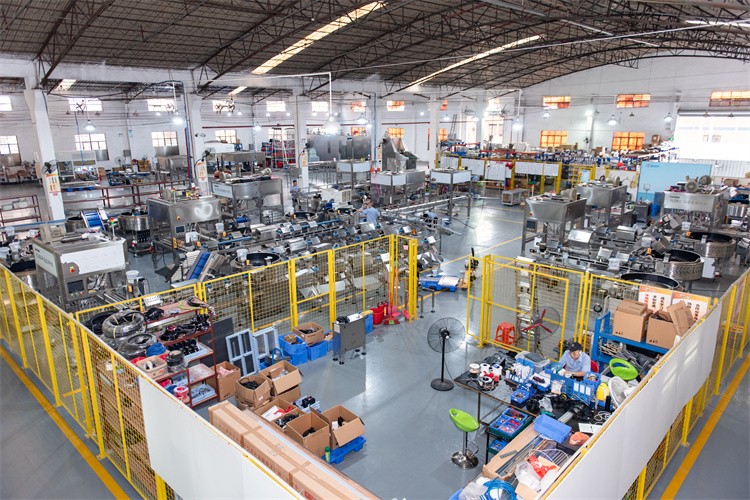
Aokai, founded in 2008 and headquartered in Foshan, China, has more than 17 years of experience delivering one-stop meat processing solutions to global customers. The company’s approach centers on flexible standard machines enhanced by customized modifications, allowing intelligent packaging systems to meet regional compliance requirements without compromising efficiency.
By designing packaging modules that align with CE, USDA, and FDA expectations from the outset, Aokai has successfully supported export projects across the US, Mexico, and Southeast Asia. Whether applied to a Jerky Processing Line or a multi-format Patty Processing Line, this design philosophy minimizes certification risk and accelerates market entry.
Industry Analysis: Intelligent Packaging Performance Parameters
| Packaging Parameter | Conventional Packaging | Intelligent Packaging Systems |
| Oxygen Residual | 1.5–2.0% | ≤0.3% |
| Shelf Life Extension | Baseline | +30–60% |
| Seal Failure Rate | 1–2% | <0.2% |
| Traceability Capability | Limited | Full batch & time coding |
| Brand Differentiation | Low | High |
| Compliance Readiness | Market-specific | Multi-market compatible |
These improvements explain why intelligent packaging has become standard in advanced Meat Baton Line and Canned Meat Processing Line projects targeting high-end retail channels.
Brand Value: Where Technology Meets Consumer Trust
Beyond shelf life, intelligent packaging directly influences brand perception. Clean seals, consistent labeling, QR-based traceability, and tamper-evident features communicate professionalism and safety to consumers.
For premium products produced on a Meat Ball Processing Line, packaging is often the first and only brand touchpoint. In competitive categories such as ready-to-eat snacks from a Jerky Processing Line, packaging clarity and reliability often determine repeat purchases.
Retailers increasingly favor suppliers whose packaging systems reduce complaints, returns, and shelf management complexity—making intelligent packaging a commercial asset, not just a technical upgrade.
Export Experience: Lessons from the US and Mexico
Markets such as the US and Mexico place particular emphasis on packaging integrity and documentation. Equipment must consistently deliver verifiable sealing quality under high-volume operation.
Aokai’s intelligent packaging solutions, integrated across Patty Processing Line and Meat Baton Line systems, have been validated in real production environments subject to USDA inspection. This experience has driven continuous refinement in sealing accuracy, data logging, and maintenance accessibility.
Such real-world validation builds trust with overseas buyers who prioritize long-term reliability over short-term cost savings.
FAQ: Common Questions About Intelligent Packaging
Q1: Does intelligent packaging significantly increase equipment cost?
Initial investment is higher, but ROI is achieved through reduced spoilage and extended shelf life across Meat Ball Processing Line operations.
Q2: Can intelligent packaging be retrofitted?
Yes. Modular upgrades are possible for many Canned Meat Processing Line and Patty Processing Line configurations.
Q3: Is intelligent packaging mandatory for export?
While not always mandatory, it greatly simplifies compliance for Jerky Processing Line products shipped long distances.
Q4: How does it support traceability?
Integrated coding systems link packaging data directly to production batches in a Meat Baton Line.
Q5: Does packaging affect brand positioning?
Absolutely. Premium packaging reinforces quality perception across all processed meat categories.
Call to Action: Turning Packaging into a Strategic Advantage
As competition intensifies and regulations tighten, packaging can no longer be treated as an afterthought. Intelligent packaging technology offers a clear path to longer shelf life, stronger compliance, and higher brand value.
Aokai works closely with global meat processors to design and deliver intelligent packaging solutions that integrate seamlessly with existing production lines. From system planning to long-term service support, the focus remains on creating measurable value.
If your business is preparing for export expansion or premium product positioning, now is the time to evaluate how intelligent packaging can strengthen your competitive edge.
Conclusion: Packaging Is No Longer the End—It Is the Beginning
In today’s processed meat industry, packaging defines how products survive logistics, meet regulations, and communicate quality. Intelligent packaging transforms this final step into a strategic advantage.
Whether applied to a Meat Ball Processing Line, Canned Meat Processing Line, Jerky Processing Line, Meat Baton Line, or Patty Processing Line, advanced packaging technology is reshaping how meat products succeed in global markets.
For manufacturers ready to move beyond basic protection toward lasting value, intelligent packaging is not the future—it is the present.