
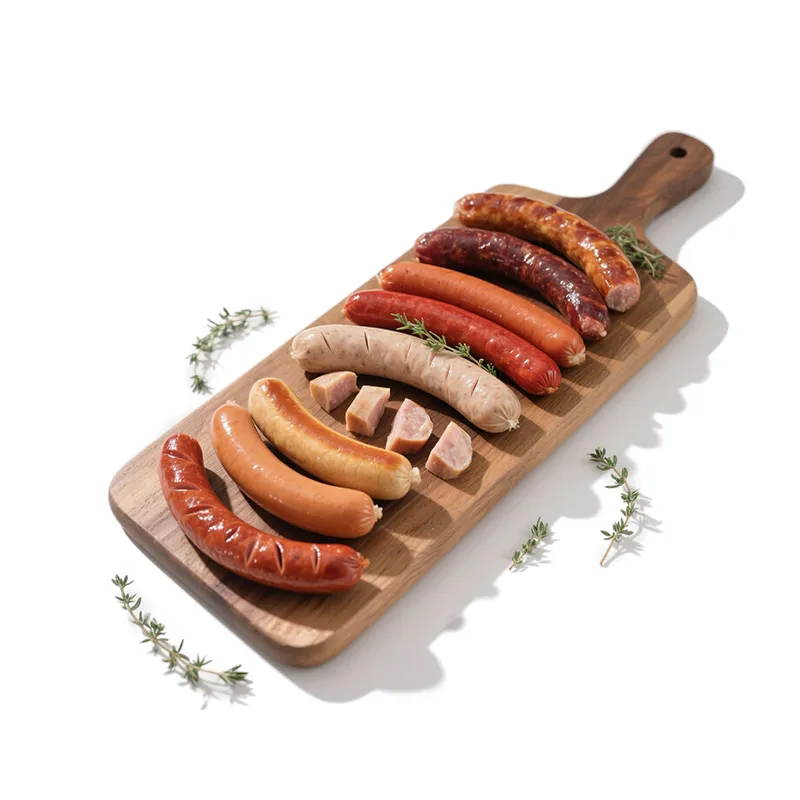
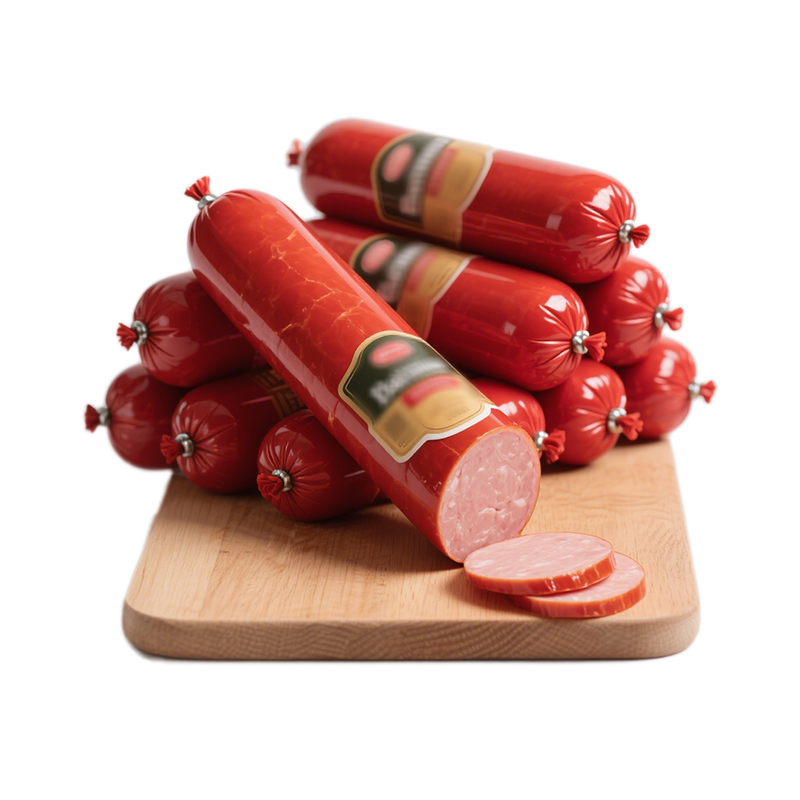
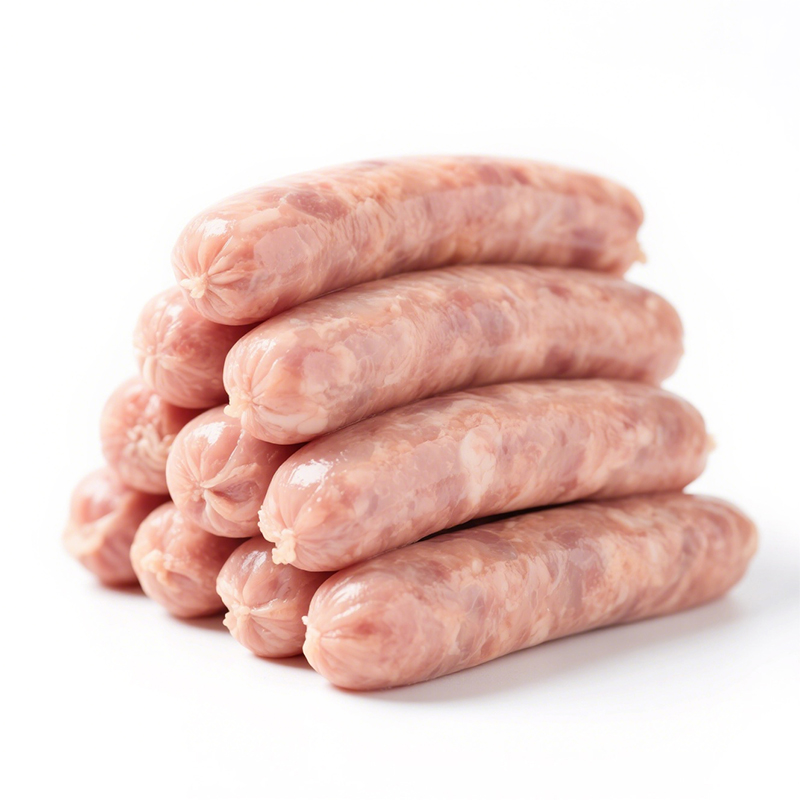
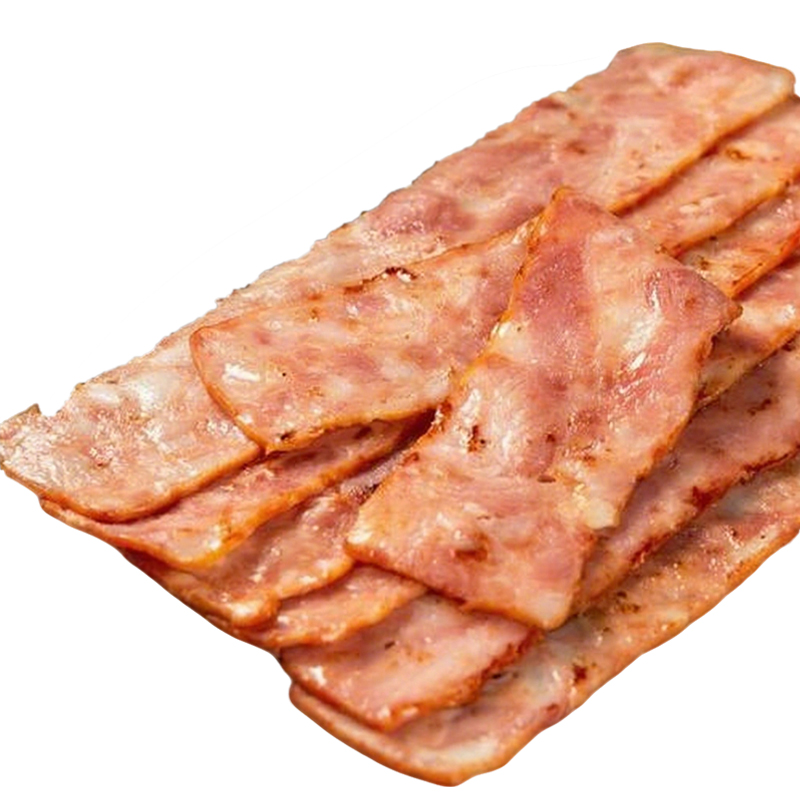
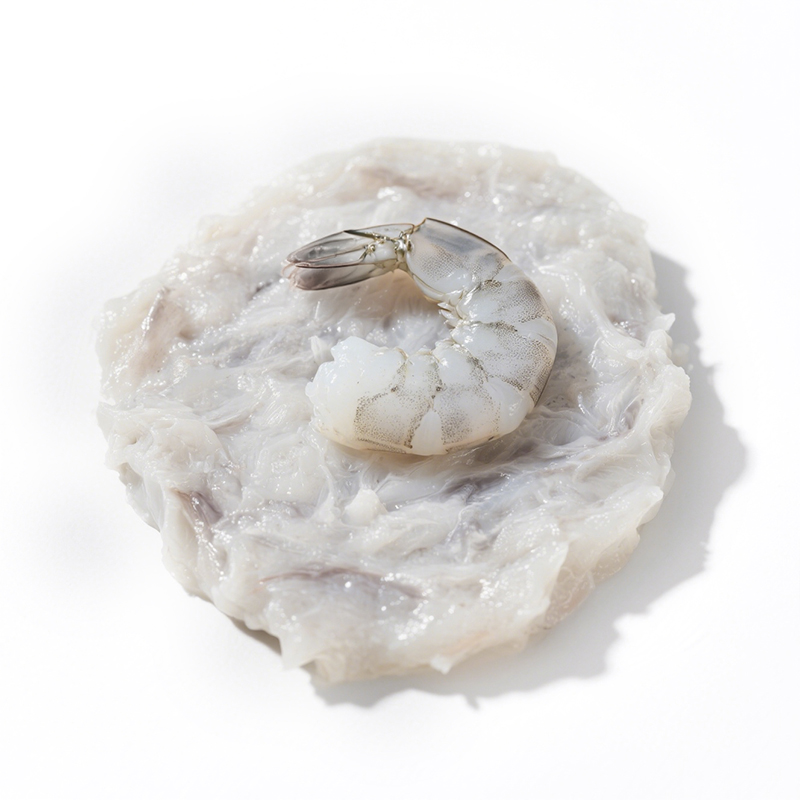
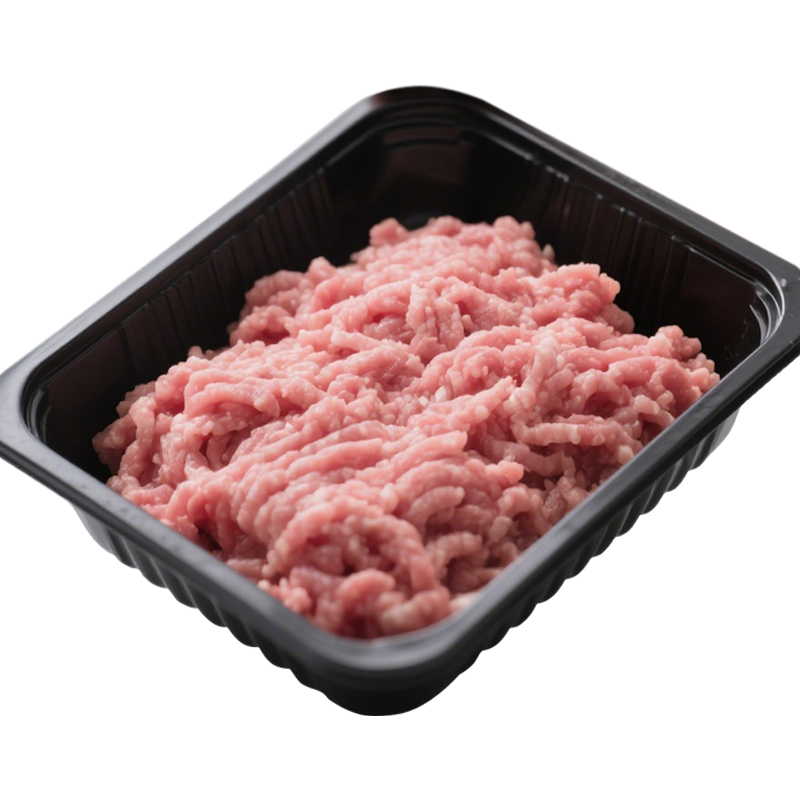
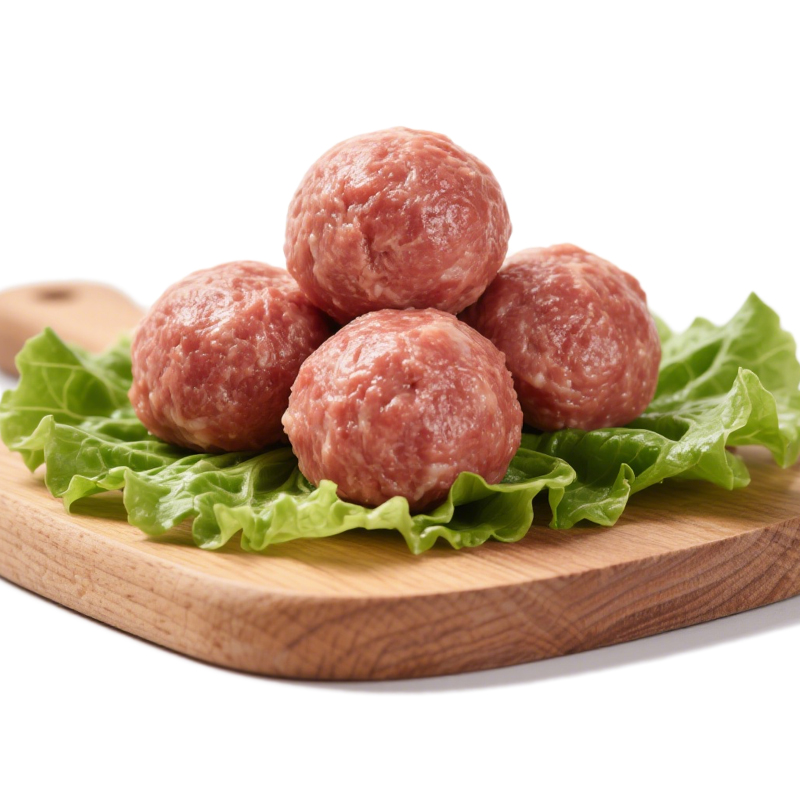
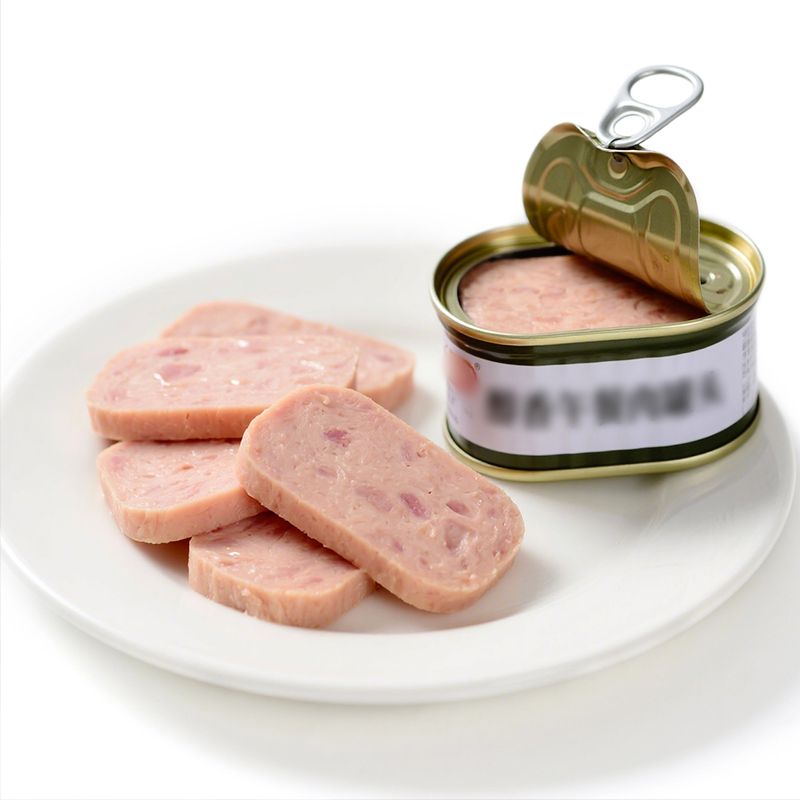
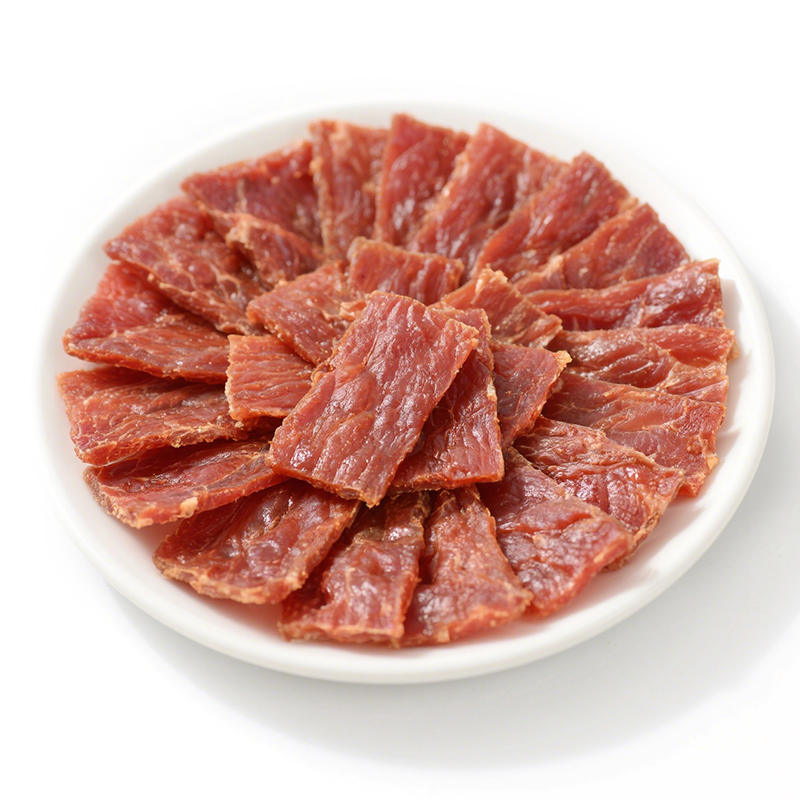
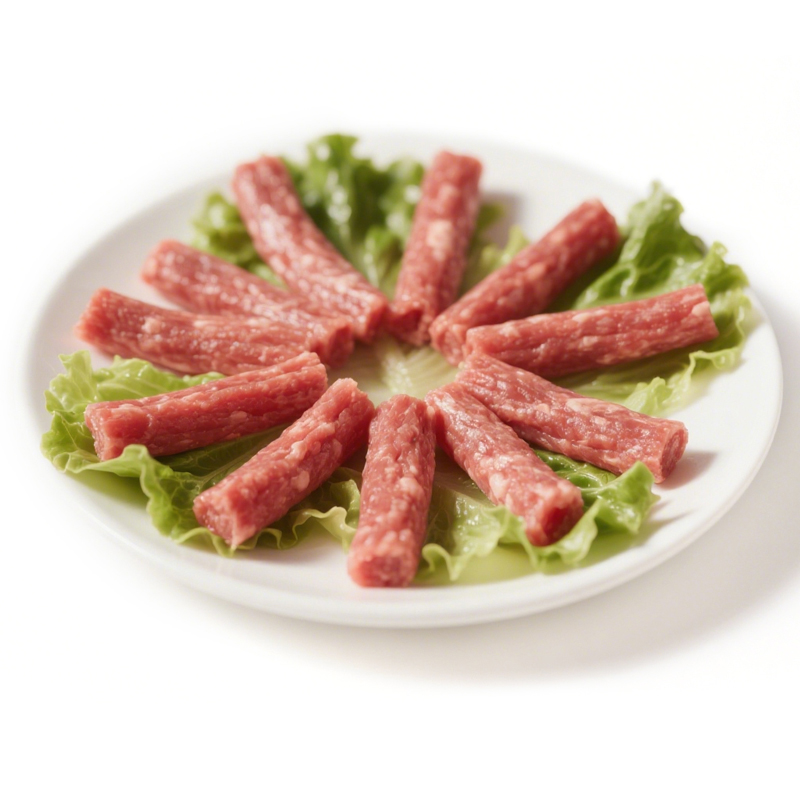
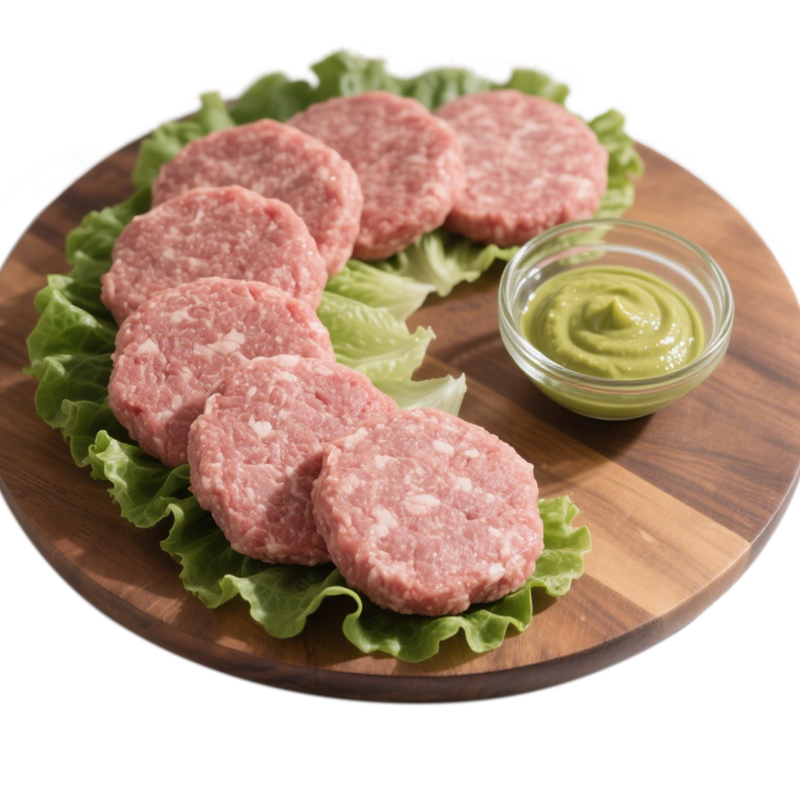

In today’s global meat processing industry, manufacturers face a pressing challenge: how to efficiently produce diverse products—from sausages and hams to meatballs and jerky—in smaller, more responsive batches, without compromising quality or profitability. The era of rigid, single-purpose production lines is fading. Rising consumer demand for variety, regional tastes, and specialty products means that processors must adapt quickly or risk falling behind.
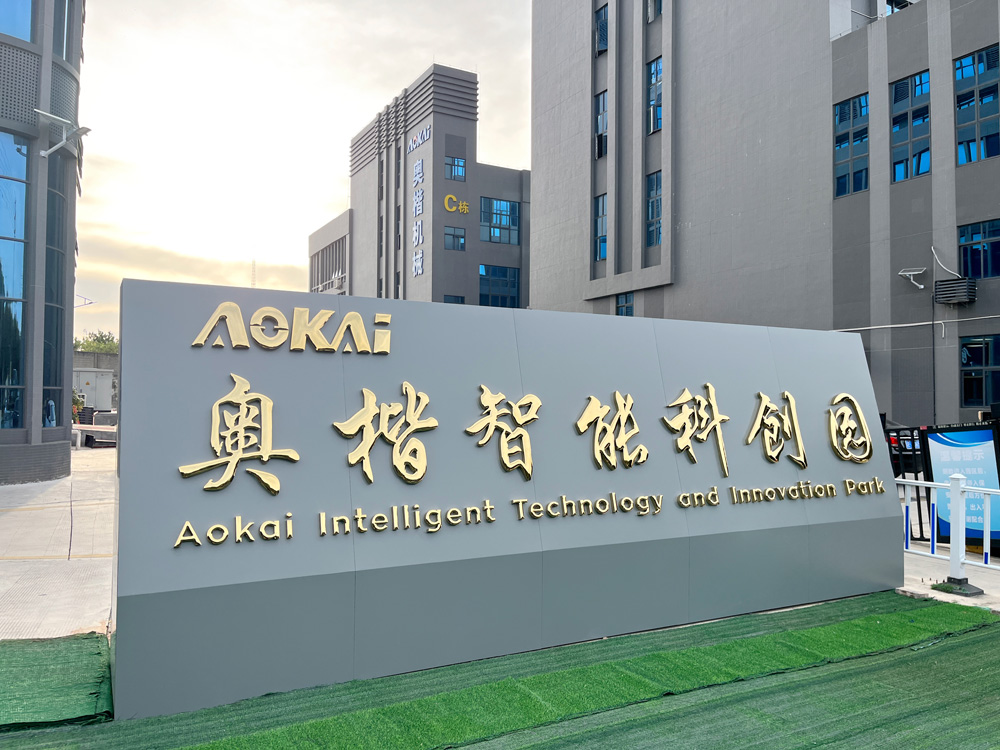
For over 17 years, Aokai has been at the forefront of this shift. Founded in 2008 and based in Foshan, China, we have grown into a trusted global partner by delivering precisely what modern meat processors need: flexible meat equipment that combines the reliability of standardized machinery with the adaptability of bespoke engineering. Our mission is to empower manufacturers—whether in the US, Mexico, the Philippines, or beyond—with custom meat processing line solutions that turn the challenge of small-batch meat production into a competitive advantage.
The Growing Demand for Agile Meat Processing
The traditional large-scale, single-product model no longer suits today’s market. Consumers seek variety—artisanal sausages, low-sodium hams, gluten-free meatballs, spicy jerky—and retailers demand quicker turnaround for limited-time offerings. This shift has exposed the limitations of conventional lines: they are often expensive to reconfigure, slow to change over, and inefficient for smaller runs.
For a Sausage Processing Line, this might mean switching between fresh, smoked, and pre-cooked varieties multiple times a week. A Ham Processing Line might need to adjust for different shapes, weights, or injection recipes daily. Without flexibility, these changes lead to downtime, waste, and missed opportunities.
Enter the need for intelligent, modular systems. A truly flexible meat equipment setup allows processors to pivot between product types with minimal interruption, maintaining consistent quality while meeting diverse orders. This isn’t just about adding more machines—it’s about integrating smart, adjustable components that communicate and adapt.
The Aokai Approach: Standard Stability Meets Tailored Agility
At Aokai, we bridge the gap between standardization and customization. Our core philosophy is “flexible standard machines with customized modifications.” We start with high-performance, proven-standard modules—for grinding, mixing, filling, forming, cooking, and intelligent packaging—then tailor them to your specific product portfolio and facility constraints.
Key Advantages of Our Custom Meat Processing Line Solutions:
Rapid Changeover & Parameter Adjustment: Whether adjusting sausage diameters, patty weights, or ham injection profiles, our systems allow quick parameter changes—often via user-friendly touchscreens. This reduces changeover time by over 30% compared to traditional lines.
Scalable Architecture: Lines are designed to grow with your business. Start with a compact small-batch meat production setup for artisan products, and seamlessly expand capacity or add new modules as demand increases.
Global Compliance & Local Adaptation: Our equipment is engineered to meet international safety and hygiene standards (e.g., USDA, EU regulations) while being adaptable to regional preferences, such as specific seasonings, textures, or packaging styles common in North America, Latin America, or Asia.
Full-Cycle Support: From initial consultation and onsite facility assessment by our expert pre-sales team to installation, training, and after-sales service, we ensure your custom meat processing line integrates smoothly with existing operations.
Industry Analysis: The Shift Toward Flexible Production
The data underscores a clear trend. Below is a comparative analysis of traditional versus flexible processing approaches:
| Parameter | Traditional Large-Batch Lines | Aokai Flexible Custom Lines |
| Minimum Economical Batch Size | High (e.g., 5,000+ units) | Low (e.g., 500–1,000 units) |
| Product Changeover Time | Several hours to a full day | Reduced by 30%+ (often under 1 hour for simple adjustments) |
| Adaptability to Product Variety | Limited; often requires dedicated lines | High; one line handles multiple product types |
| Initial Investment | High per dedicated line | Optimized; modular design spreads cost |
| Operational Flexibility | Low; rigid configuration | High; programmable settings for recipes, sizes, formats |
| Example Application | Single-type Ham Processing Line for mass production | One line producing ham, bacon, and meat battons alternately |
This table highlights why manufacturers investing in flexible meat equipment gain a strategic edge. They can pursue niche markets, test new products with lower risk, and respond to seasonal peaks without idle capacity.
Spotlight on Core Product Lines: Sausage and Ham Processing
Sausage Processing Line
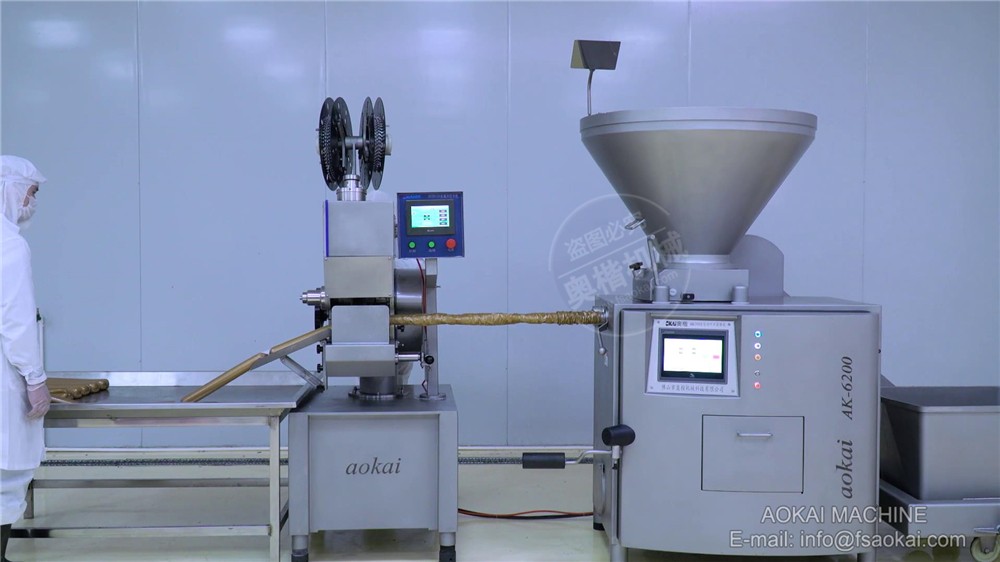
Aokai’s Sausage Processing Line solutions are designed for maximum versatility. Whether you produce fresh breakfast links, smoked dinner sausages, or international specialties like bratwurst or chorizo, our lines integrate variable-speed grinders, precision fillers (with quick-change nozzles), linking systems, and cooking/smoking chambers that can be programmed for different cycles. The result? You can run a small-batch meat production of gourmet chicken-apple sausages in the morning and switch to classic pork bratwurst in the afternoon—all on the same line.
Ham Processing Line
Similarly, our Ham Processing Line technology brings flexibility to what is often seen as a fixed-output process. From whole-muscle hams to formed and sectioned products, our injectors, massagers, and molds are adjustable for different weights, shapes, and curing recipes. Intelligent controllers store hundreds of recipes, allowing operators to recall settings for a honey-glazed ham or a low-sodium Black Forest ham with a few taps. This adaptability makes it ideal for processors supplying diverse retail or foodservice clients.
The Aokai Difference: Expertise, Engineering, and Execution
What sets Aokai apart is not just our flexible meat equipment, but the depth of experience behind it. Our management and engineering team brings decades of industry insight, ensuring that every custom meat processing line we design is both innovative and practical.
Onsite Assessment & Planning: We don’t just sell machines; we solve problems. Our specialists visit your facility to analyze workflow, spatial constraints, and product goals, ensuring the proposed line layout maximizes efficiency.
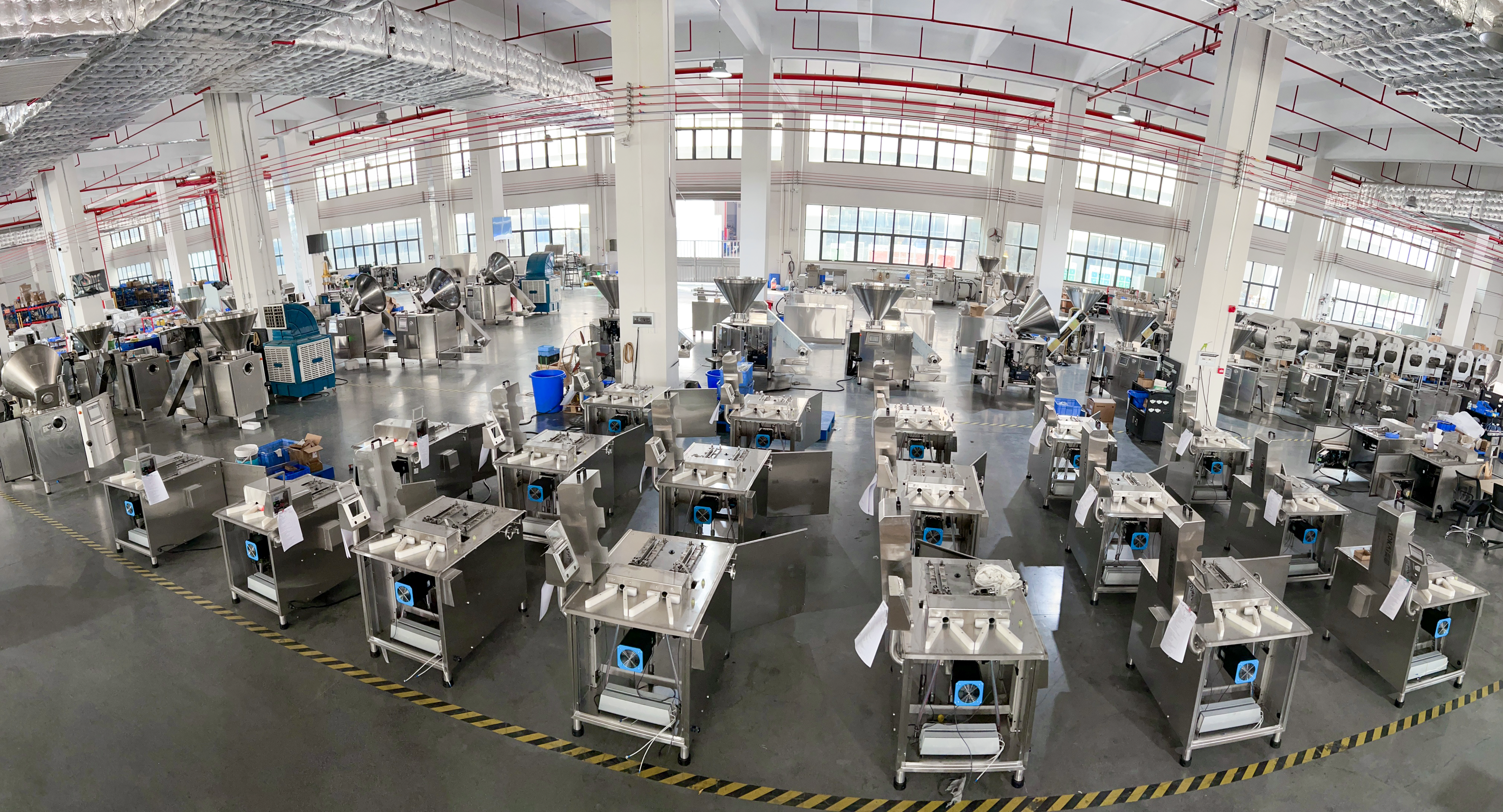
Manufacturing Excellence: Our Foshan production base adheres to stringent international quality control protocols. Every component, from stainless-steel contact surfaces to programmable logic controllers, is built for durability and consistent performance.
Global Proof: With machinery operating successfully from the Americas to Asia, we understand the nuances of different markets. Our equipment is praised for its reliability, ease of maintenance, and ability to uphold product consistency—batch after batch.
Frequently Asked Questions (FAQ)
Q1: What exactly makes a processing line “flexible”?
A: Flexibility refers to the ability to quickly reconfigure equipment for different products, batch sizes, or specifications. In Aokai lines, this is achieved through programmable controls, modular attachments (like filler heads or forming plates), and smart design that minimizes manual changeover steps.
Q2: Can a single custom meat processing line really handle both sausages and hams?
A: Yes, with careful design. While some core modules differ, many components—such as grinders, mixers, and conveyors—can be shared. The key is in the filling/forming stages. We design lines with quick-swap modules or multi-function units that allow one line to produce multiple product types with efficient changeovers.
Q3: Is small-batch meat production economically viable with custom lines?
A: Absolutely. By reducing changeover time and waste, and by allowing you to produce higher-margin, specialized products, flexible lines improve ROI for smaller batches. The modular approach also means you invest in capacity as you grow, avoiding oversized upfront costs.
Q4: How do you ensure a new flexible meat equipment line integrates with our existing setup?
A: Integration is a cornerstone of our service. Our pre-sales team conducts detailed site evaluations, and our engineers design interfaces (mechanical and electronic) to connect with your current infrastructure, whether it’s upstream preparation or downstream packaging.
Q5: We have unique product specifications (e.g., a specific sausage diameter or ham texture). Can your Sausage Processing Line or Ham Processing Line accommodate that?
A: Definitely. Customization is our specialty. We modify standard machines to meet precise requirements—whether it’s a unique filler nozzle size, a special massaging action for ham texture, or a custom-formed patty shape. Your product’s uniqueness can be built into the equipment.
Q6: What kind of support can we expect after installation?
A: Our dedicated sales-after-sales team provides comprehensive support: operator training, maintenance manuals, remote troubleshooting, and ready supply of spare parts. We view our relationship as a long-term partnership for your production success.
A Call to Action for Forward-Thinking Processors
The future of meat processing belongs to the agile. If your business is navigating the demands of multi-variety, small-batch production, now is the time to explore a tailored solution. Don’t let inflexible equipment limit your growth, innovation, or response to market opportunities.
Contact Aokai today for a free, no-obligation consultation. Let our experts assess your needs and demonstrate how a custom meat processing line can be designed to boost your flexibility, efficiency, and profitability. Whether you’re upgrading an existing Sausage Processing Line, planning a new Ham Processing Line, or seeking a complete multi-product solution, we have the flexible meat equipment and the 17+ years of expertise to make it a success.
Visit our website or reach out directly to schedule an onsite visit or a virtual planning session. Transform your small-batch meat production challenges into your greatest competitive strength.
Conclusion
In the dynamic world of meat processing, adaptability is no longer a luxury—it’s a necessity. Aokai stands as your partner in this transformation, offering engineered solutions that marry the robustness of standard equipment with the precision of customization. Our custom meat processing line philosophy directly addresses the pain points of small-batch meat production, providing the flexible meat equipment needed to thrive in a market that values variety, speed, and quality.
From specialized Sausage Processing Line setups to versatile Ham Processing Line configurations, our goal is to deliver more than machinery—we deliver capability. Backed by international manufacturing standards and a truly global service perspective, we empower you to produce not just more, but smarter, meeting the ever-evolving tastes of the world one perfectly tailored batch at a time.