


The global meat processing industry is entering a new era where food safety and sustainability are no longer optional advantages — they have become mandatory requirements for market access.
Across Europe, North America, Southeast Asia, and other major food markets, regulations surrounding hygiene, sanitation, traceability, and energy consumption are becoming increasingly strict. For meat manufacturers, this means one critical reality:
Equipment design now directly affects whether a factory can compete in the global market.
In the past, hygienic machine design was often considered a premium feature. Today, it has become a baseline expectation for meat processing facilities seeking long-term operational stability and export compliance.
As a professional manufacturer with more than 17 years of industry experience, Aokai has focused heavily on developing hygienic and sustainable meat processing systems that help manufacturers improve food safety, reduce operational risks, and lower energy consumption.
From advanced sausage stuffing machine systems to intelligent linking and portioning technology, Aokai integrates food safety principles into every stage of equipment design.
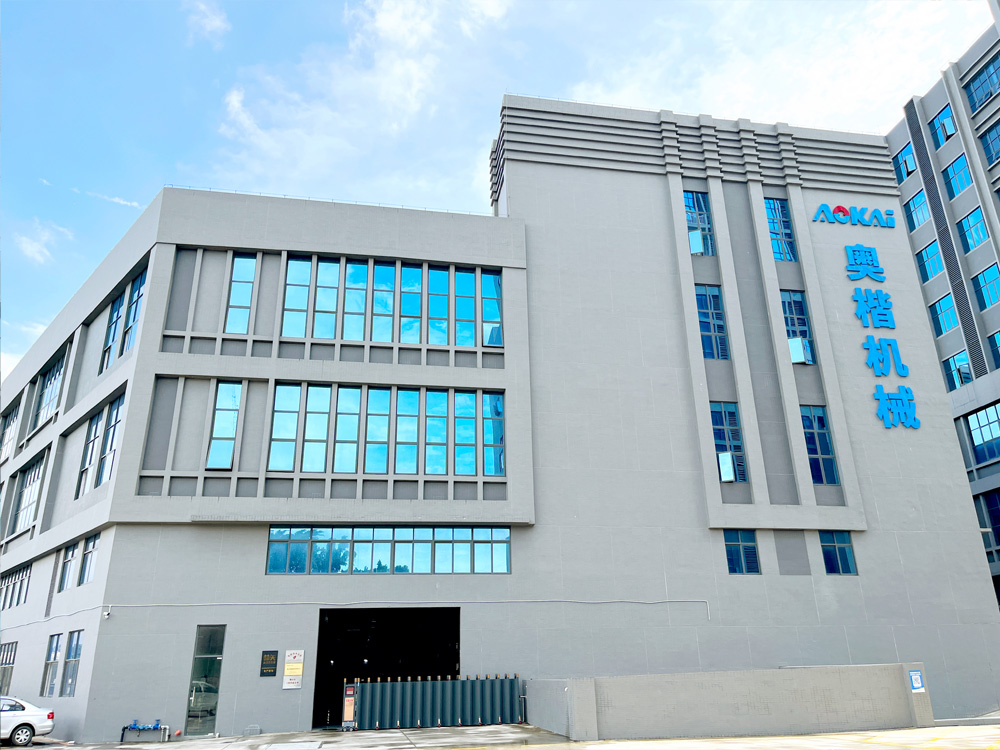
Why Hygienic Equipment Design Matters More Than Ever
Food safety incidents have dramatically changed how governments and food brands evaluate processing facilities.
Today’s meat processors face growing pressure from:
HACCP compliance requirements
CE safety standards
Retailer audit systems
Consumer expectations for safe food production
Export market regulations
This shift means equipment can no longer simply “work.” It must also support:
Fast cleaning procedures
Reduced contamination risks
Hygienic material handling
Stable sanitation management
For sausage manufacturers, processing stages such as filling, linking, and conveying are especially sensitive because they involve continuous product contact.
As a result, hygienic design has become a decisive factor in selecting modern processing systems.
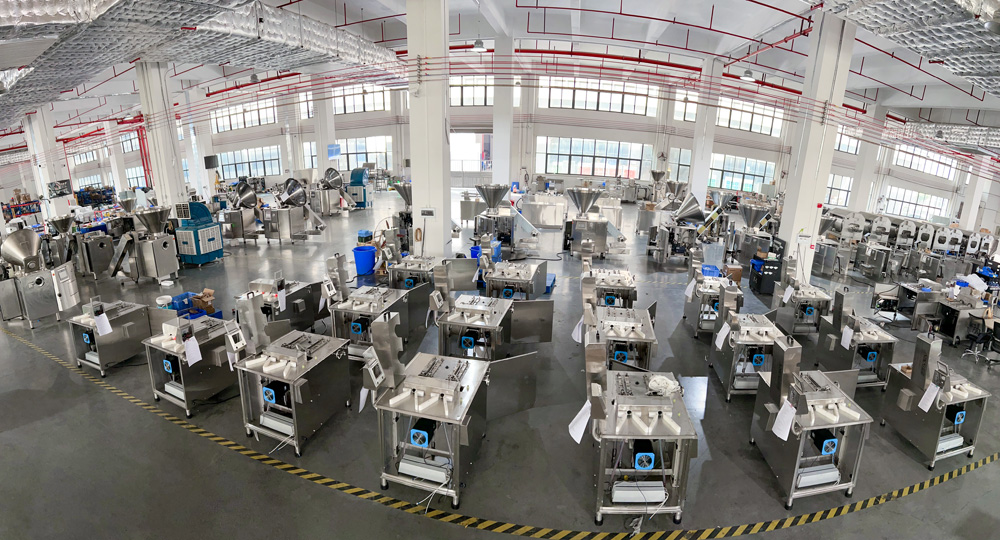
Aokai’s Hygienic Engineering Philosophy
Aokai designs its equipment around three core principles:
Food safety
Cleaning efficiency
Sustainable operation
Every major processing system — including the portioning machine fresh sausages, vacuum stuffer automatic twisting, and automatic sausage linking machine — is engineered to minimize contamination risk while improving production efficiency.
Full 304 Stainless Steel Construction for Food Safety
One of the most important aspects of hygienic equipment is material selection.
Aokai equipment is manufactured using full 304 food-grade stainless steel, which offers:
Corrosion resistance
Long-term structural stability
Easy sanitation
Compliance with food processing standards
Compared with lower-grade materials, 304 stainless steel performs significantly better under high-moisture and high-cleaning-frequency conditions commonly found in meat processing plants.
This is especially important for equipment such as the sausage stuffing machine, where direct product contact occurs continuously during operation.
Seamless Welding and Dead-Angle-Free Design
In traditional meat processing equipment, hidden gaps and rough welding points often become bacterial growth zones.
To solve this issue, Aokai adopts:
Seamless welding technology
Rounded structural transitions
Dead-angle-free internal surfaces
Quick-disassembly structures
This hygienic design significantly improves cleaning efficiency and reduces residue accumulation.
For systems such as the vacuum stuffer automatic twisting and sausage linker machine, this design approach helps maintain stable hygiene standards during continuous production.
The result is:
Faster cleaning cycles
Reduced contamination risk
Improved compliance with HACCP inspections
HACCP and CE Compliance for International Markets
As export requirements become stricter, compliance has become one of the most important purchasing criteria for global buyers.
Aokai equipment is designed according to HACCP and CE standards, ensuring compatibility with:
European food safety regulations
North American processing requirements
Southeast Asian export standards
From the automatic sausage linking machine to advanced filling systems, all equipment is engineered with:
Safe electrical systems
Hygienic production structures
Easy sanitation access
Food-grade material certification
This allows meat manufacturers to reduce operational risk and improve audit readiness.
Sustainability Is Becoming a Competitive Advantage
Food manufacturers are also under increasing pressure to reduce environmental impact.
Energy prices, sustainability policies, and retailer procurement standards are driving factories to optimize:
Power consumption
Water usage
Production waste
Aokai addresses these challenges through:
Low-energy motors
Intelligent power control systems
Water-saving cleaning structures
Efficient product transfer systems
Compared with traditional equipment, Aokai systems can reduce energy consumption by more than 20%.
This is especially important for continuous-production systems such as the portioning machine fresh sausages and sausage linker machine, which operate for extended periods daily.
Intelligent Linking and Portioning Improve Product Consistency
Modern sausage production requires more than hygiene alone. Factories also demand stable product consistency and high-speed automation.
Aokai’s intelligent automatic sausage linking machine systems provide:
Accurate product length control
Stable twisting performance
Reduced casing damage
Continuous synchronized operation
Combined with the vacuum stuffer automatic twisting system, manufacturers can achieve:
Better product appearance
Reduced product waste
Improved packaging consistency
For export-oriented brands, this consistency directly affects shelf presentation and consumer perception.
Industry Analysis: Why Hygienic Automation Is Accelerating
| Industry Challenge | Traditional Equipment Limitation | Modern Hygienic Solution |
|---|---|---|
| Food safety audits | Difficult cleaning | Seamless hygienic structures |
| Rising energy costs | High power consumption | Energy-saving motors |
| Export compliance | Inconsistent standards | HACCP/CE-certified design |
| Labor shortages | Manual operation dependency | automatic sausage linking machine |
| Product consistency | Variable output quality | vacuum stuffer automatic twisting |
The market trend clearly shows that hygienic automation is becoming the new standard in meat processing.
Real Benefits for Modern Meat Processors
Manufacturers upgrading to hygienic automated systems often report significant operational improvements:
Typical Results:
Faster sanitation procedures
Lower contamination risk
Reduced downtime
Improved production consistency
Reduced energy costs by 20%+
Longer equipment lifespan
For many processors, these improvements directly translate into stronger profitability and easier compliance management.
Why Global Buyers Choose Aokai
With more than 17 years of manufacturing experience, Aokai provides complete sausage and meat processing solutions for customers worldwide.
Its equipment portfolio includes:
Advanced sausage stuffing machine systems
Intelligent vacuum stuffer automatic twisting technology
Automated sausage linker machine solutions
Hygienic portioning machine fresh sausages systems
Flexible automatic sausage linking machine configurations
By combining hygienic engineering, sustainability design, and practical production experience, Aokai helps meat processors build future-ready manufacturing systems.
FAQ: Questions Buyers Often Ask
Q1: Why is hygienic equipment design so important now?
Because global food safety regulations are becoming stricter, especially for export-oriented factories.
Q2: What material is best for meat processing equipment?
304 food-grade stainless steel is widely preferred for hygiene and durability.
Q3: How does seamless welding improve food safety?
It eliminates hidden contamination zones and improves cleaning efficiency.
Q4: Can automated systems reduce energy costs?
Yes. Intelligent motor systems and optimized mechanical design significantly reduce energy consumption.
Q5: Why are automatic linking systems becoming more popular?
An automatic sausage linking machine improves consistency, reduces labor dependency, and increases production efficiency.
Build a Safer and More Sustainable Production System
The future of meat processing belongs to factories that can combine hygiene, efficiency, and sustainability into one integrated operation.
Aokai helps global manufacturers achieve this balance through intelligent processing systems designed for modern food safety requirements and long-term operational performance.
👉 Tell us your production capacity and product type
👉 Aokai will design a customized hygienic processing solution for your factory
Conclusion
Food safety and sustainability are no longer optional trends — they are now fundamental requirements for modern meat processing.
With full 304 stainless steel construction, seamless hygienic structures, HACCP/CE-compliant engineering, and energy-efficient operation, Aokai helps manufacturers reduce risk while improving production performance.
From advanced sausage stuffing machine systems to intelligent vacuum stuffer automatic twisting technology and high-efficiency automatic sausage linking machine solutions, Aokai continues to support global meat processors in building cleaner, safer, and more sustainable factories for the future.