




As global meat consumption patterns evolve, Europe and North America remain two of the most demanding—and rewarding—markets for meat processors and equipment manufacturers alike. While consumer expectations for quality and traceability continue to rise, regulatory scrutiny over food safety and industrial equipment has become significantly stricter.
For manufacturers supplying processing equipment for sausages, meatballs, jerky, canned meat, and formed products, certification compliance is no longer a formality—it is a market entry requirement. From CE marking in the European Union to USDA and FDA oversight in the United States, every machine must demonstrate not only performance efficiency but also verifiable safety, hygiene, and reliability.
Why Certification Determines Market Access
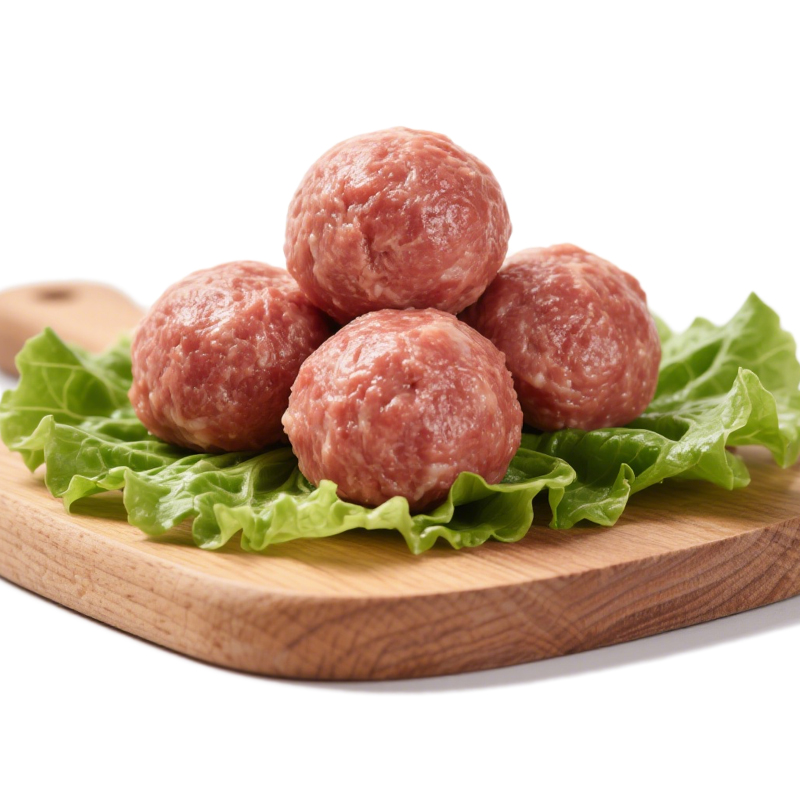
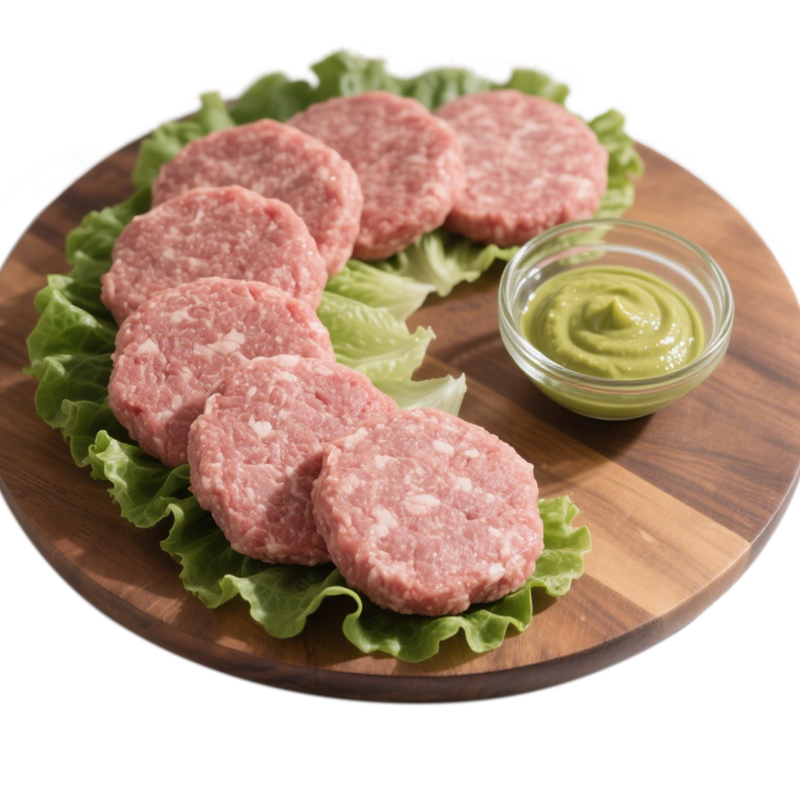
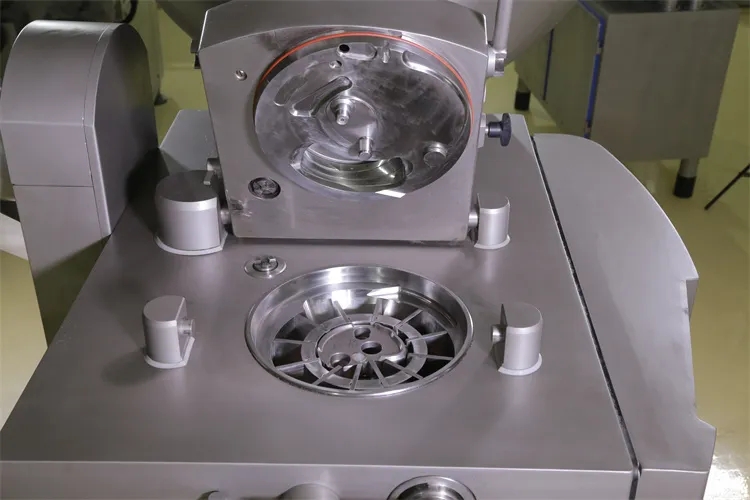
In the EU and US, regulators view processing machinery as a critical control point in the food safety chain. Equipment used in a Meat Ball Processing Line or a Patty Processing Line directly influences contamination risk, allergen control, and traceability. As a result, machinery compliance is assessed as rigorously as the food itself.
Failure to meet certification standards often results in customs rejection, delayed installation, or forced retrofitting—costly outcomes that many processors cannot afford. For this reason, experienced buyers increasingly favor suppliers who integrate certification requirements from the design stage rather than treating them as post-production paperwork.
CE Certification: The Foundation for the European Market
CE marking is mandatory for meat processing machinery sold in the European Economic Area. It confirms conformity with multiple EU directives, including:
Machinery Directive (2006/42/EC)
Low Voltage Directive (2014/35/EU)
EMC Directive (2014/30/EU)
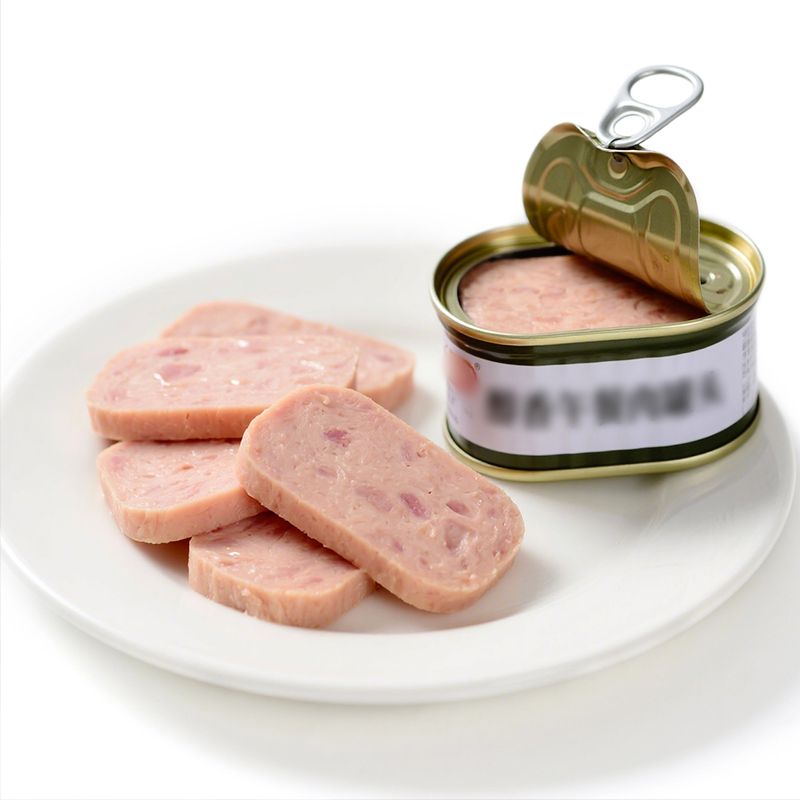
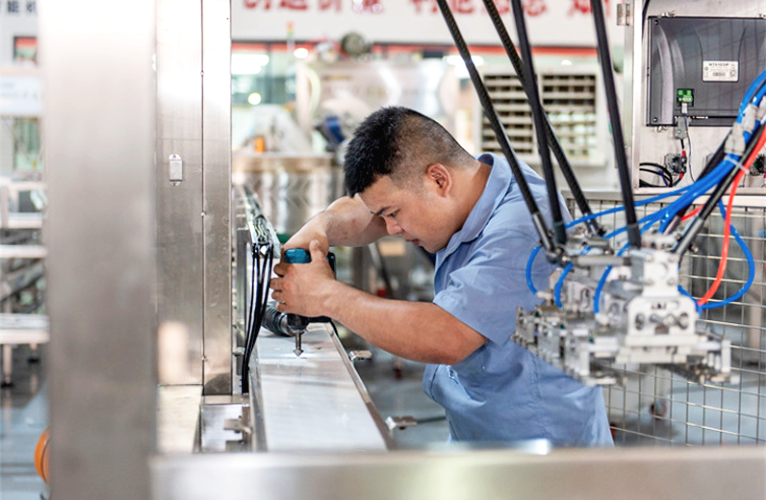
For systems such as a Canned Meat Processing Line or Jerky Processing Line, CE compliance focuses on mechanical safety, electrical stability, emergency stop logic, and hygienic design.
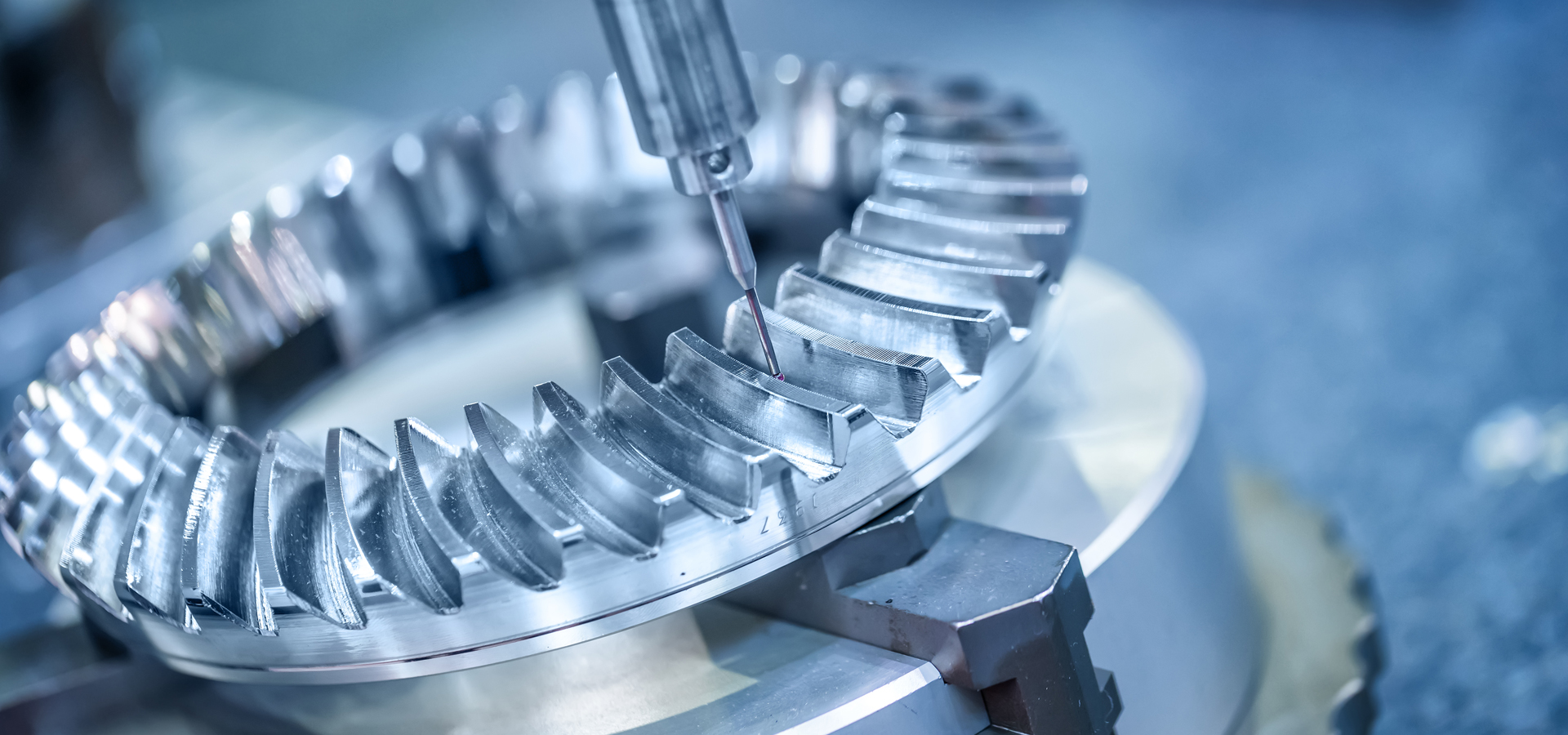
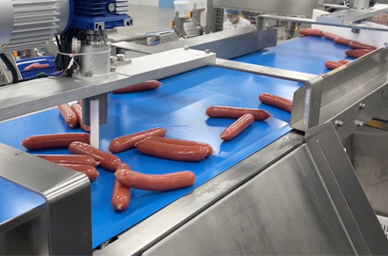
Key technical implications include rounded internal corners for washdown, food-grade stainless steel, guarded moving parts, and clearly documented risk assessments. A compliant Meat Baton Line, for example, must demonstrate safe forming pressure control and operator protection under continuous operation.
USDA, FDA, and OSHA: The US Compliance Landscape
Unlike the EU’s unified CE framework, the US regulatory system involves multiple authorities. The USDA governs meat and poultry processing environments, while the FDA oversees equipment materials and hygiene standards. OSHA adds another layer by regulating workplace safety.
Equipment used in a Meat Ball Processing Line or Patty Processing Line entering the US must support USDA sanitation protocols, including clean-in-place compatibility, non-toxic material certification, and easy inspection access.
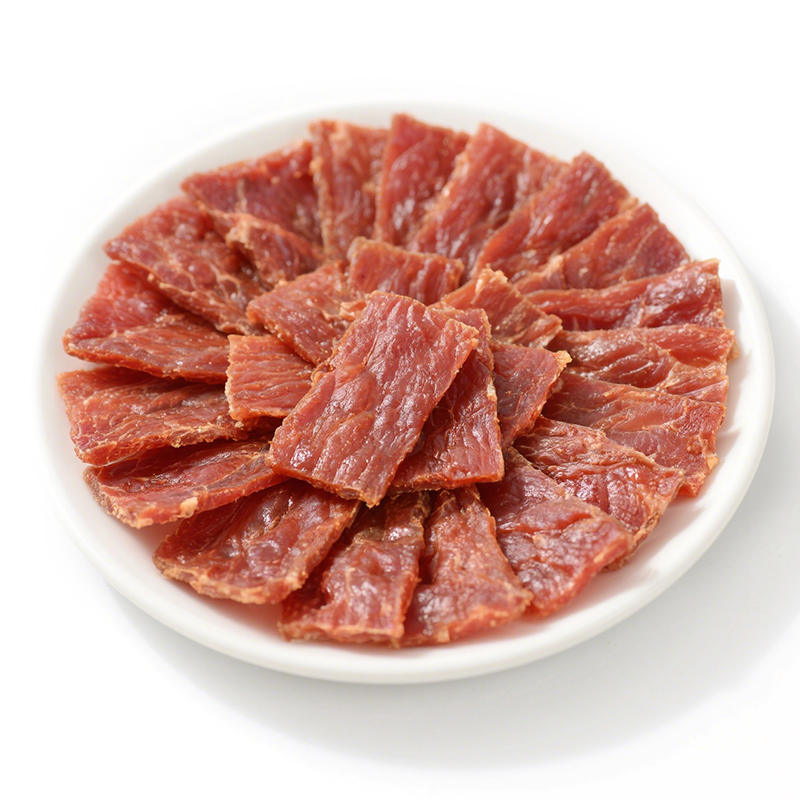
For high-moisture products processed on a Canned Meat Processing Line, thermal stability, sealing integrity, and traceability features are particularly scrutinized. Meanwhile, a Jerky Processing Line must demonstrate precise temperature control and contamination prevention throughout drying and packaging stages.
Designing Machinery Around Standards—Not Around Exceptions
The most reliable compliance strategy is to embed standards into engineering logic. This is where experienced manufacturers distinguish themselves.
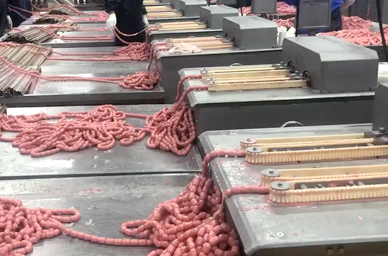
Aokai, founded in 2008 and based in Foshan, China, has over 17 years of experience delivering one-stop meat processing solutions to a global clientele. Rather than producing one-size-fits-all equipment, the company develops flexible standard machines with customized modifications, allowing each Meat Baton Line or Patty Processing Line to be adapted to local regulatory expectations.
All core components—from grinding and forming to filling and intelligent packaging—are designed under international standards. This approach has enabled Aokai’s equipment to be successfully exported to the United States, Mexico, and the Philippines, earning recognition from professional food manufacturers operating under strict compliance regimes.
Industry Analysis: Certification-Driven Design Parameters
| Compliance Area | EU (CE) Focus | US (USDA/FDA) Focus |
| Material Safety | Food-grade stainless steel | FDA-approved contact materials |
| Electrical Safety | EMC & voltage conformity | OSHA electrical protection |
| Hygiene Design | Washdown & drainage | Sanitation & inspection access |
| Traceability | Documentation & labeling | Batch and process traceability |
| Operator Safety | Guarding & emergency stops | Ergonomics & injury prevention |
These parameters directly shape the engineering of advanced Meat Ball Processing Line and Canned Meat Processing Line solutions intended for transatlantic markets.
Proven Export Experience Builds Buyer Confidence
Beyond documentation, regulators and buyers alike value proven market experience. Equipment already operating in USDA-inspected plants or CE-regulated facilities carries inherent credibility.
Aokai’s machinery—used in Jerky Processing Line and Meat Baton Line applications—has passed real-world inspections in multiple countries. This experience informs continuous upgrades, from improved sealing designs to smarter safety interlocks.
Customer-centric by philosophy, the company treats certification not as a hurdle but as a benchmark for engineering excellence.
FAQ: Common Compliance Questions from Global Buyers
Q1: Is CE certification enough to enter the US market?
No. CE applies to the EU. US-bound Meat Ball Processing Line systems must also meet USDA, FDA, and OSHA requirements.
Q2: Can one machine design serve both markets?
Yes, with modular customization. Many Patty Processing Line systems share a common platform with region-specific adaptations.
Q3: How long does certification preparation take?
When standards are built into design, certification timelines for Canned Meat Processing Line equipment are significantly shorter.
Q4: Are dried meat products regulated differently?
Yes. A Jerky Processing Line must meet stricter thermal and moisture control standards.
Q5: How important is supplier documentation?
Critical. Complete technical files are essential for customs clearance and inspections across all Meat Baton Line exports.
Call to Action: Compliance as a Competitive Advantage
In mature markets like Europe and the US, compliance is not a cost—it is a value signal. Buyers increasingly associate certified equipment with reliability, reduced risk, and long-term operational stability.
Aokai partners closely with clients to translate regulatory requirements into practical machinery solutions. From initial concept to long-term after-sales support, the company helps processors enter and expand in high-standard markets with confidence.
If your business is targeting EU or North American customers, aligning equipment strategy with certification requirements should be your first step—not your last.
Conclusion: Standards Shape the Future of Global Meat Processing
As international trade barriers become more technical than tariff-based, certification and safety standards now define competitiveness. Equipment designed for compliance from day one delivers faster market entry, smoother inspections, and stronger brand trust.
Whether it is a Meat Ball Processing Line, Canned Meat Processing Line, Jerky Processing Line, Meat Baton Line, or Patty Processing Line, the path to Europe and the US begins with engineering discipline and regulatory insight.
For manufacturers prepared to meet these standards, the reward is not just access—but long-term growth in the world’s most valuable meat markets.