


Is Your Sausage Vacuum Packing Costing You More Than It Should?
Imagine this: You're a production manager at a mid-sized sausage plant. It's Friday afternoon, and you've just received a batch of complaints about leaking packages from a major retailer. Your team rushes to inspect the line, only to find that the vacuum packing machine has been underperforming for weeks. The result? Thousands of dollars in lost product, angry customers, and a dent in your brand reputation. This scenario is all too common, but it doesn't have to be. The truth is, with the right technology and expertise, your sausage vacuum packing can be a source of efficiency and profit, not headaches.
At Foshan Aokai Machinery Technology Co., Ltd., we specialize in high-performance vacuum packing solutions designed to tackle the toughest challenges in the sausage industry. Our systems are engineered to deliver consistent, reliable results that minimize waste, extend shelf life, and boost your bottom line.
Pain Point 1: Shelf Life Failures and Product Waste
Sausages are delicate products with high moisture and fat content, making them prone to spoilage if not properly vacuum packed. Inadequate vacuum levels or poor sealing can lead to oxidation, bacterial growth, and discoloration. A single batch of spoiled sausages can cost a medium-sized plant upwards of $10,000 in raw materials and labor, not to mention the potential loss of retailer contracts.
Solution: Advanced Chamber Systems with Precision Control
Our chamber vacuum packing machines utilize multi-stage vacuum cycles and adjustable sealing parameters to ensure optimal removal of air and a hermetic seal. By maintaining a vacuum level below 1 mbar, we reduce oxygen levels to less than 0.5%, significantly slowing spoilage. Additionally, our systems feature programmable logic controllers (PLCs) that allow operators to fine-tune settings for different sausage types, from fresh bratwurst to dry salami.
Pain Point 2: High Leak Rates Leading to Returns
Leakage is a persistent issue in sausage vacuum packing, often caused by inconsistent seal quality or contamination on the seal area. Leak rates of 5-10% are not uncommon in older machines, leading to frequent returns and customer dissatisfaction. Each returned package not only costs money in shipping and handling but also damages your reputation.
Solution: Leak Detection and Quality Assurance
We integrate inline leak detection systems that test each package immediately after sealing. Using non-destructive methods like pressure decay or vacuum decay, our machines identify leaks as small as 0.1 mm in diameter. This real-time feedback allows operators to adjust parameters before a batch is compromised. In fact, one of our clients, a German sausage manufacturer, reduced their leak rate from 8% to less than 0.5% after installing our system.
Pain Point 3: Inefficient Cycle Times Reducing Throughput
In high-volume production, every second counts. Traditional vacuum packing machines often have slow cycle times due to limited chamber sizes or inefficient pump systems. This bottleneck can reduce overall line throughput by 20-30%, forcing plants to invest in additional machines or overtime labor.
Solution: High-Speed Dual Chamber and Rotary Systems
Our dual chamber and rotary vacuum packing machines are designed for speed without sacrificing quality. With cycle times as low as 8 seconds per cycle for standard sausage packages, our systems can handle up to 15 packages per minute. The use of high-capacity vacuum pumps (up to 100 m³/h) ensures rapid air removal, while our patented sealing technology provides strong, consistent seals even at high speeds.
Customer Case Studies
1. Smith's Premium Sausages, USA
Smith's Premium Sausages, a family-owned producer in Wisconsin, was struggling with shelf life issues. After switching to our chamber vacuum packing system, they extended their product shelf life from 21 to 45 days. Operations Manager John Miller notes: "The reduction in spoilage alone saved us $120,000 annually. The system is incredibly reliable and easy to operate."
2. Wursthaus GmbH, Germany
Wursthaus, a traditional German butcher with a modern plant, faced high leak rates. By implementing our inline leak detection and dual chamber machine, they cut leak rates from 8% to 0.3%. Quality Manager Klaus Schmidt says: "Our retailers now trust us completely. The investment paid for itself in six months."
3. EuroSausage Co., UK
EuroSausage, a large UK processor, needed to increase throughput for a new export contract. Our rotary vacuum packing system boosted their output by 40%, allowing them to meet demand without additional shifts. Production Director Sarah Thompson comments: "The speed and consistency of the machine are outstanding. We've been able to expand our market reach."
4. Maple Leaf Meats, Canada
Maple Leaf Meats, a major Canadian brand, required a solution for vacuum packing large-diameter sausages. Our custom chamber machine with adjustable sealing bars handled their product range perfectly. Plant Engineer David Brown states: "The flexibility to switch between different sausage sizes with minimal downtime has been a game-changer."
5. Sausage King, Australia
Sausage King, a growing Australian company, wanted to reduce plastic waste. Our vacuum packing system uses thinner films without compromising seal integrity, reducing packaging costs by 15%. Owner Peter Johnson says: "We're now more sustainable and profitable. The team at Foshan Aokai provided excellent support throughout."
Applications and Partnerships
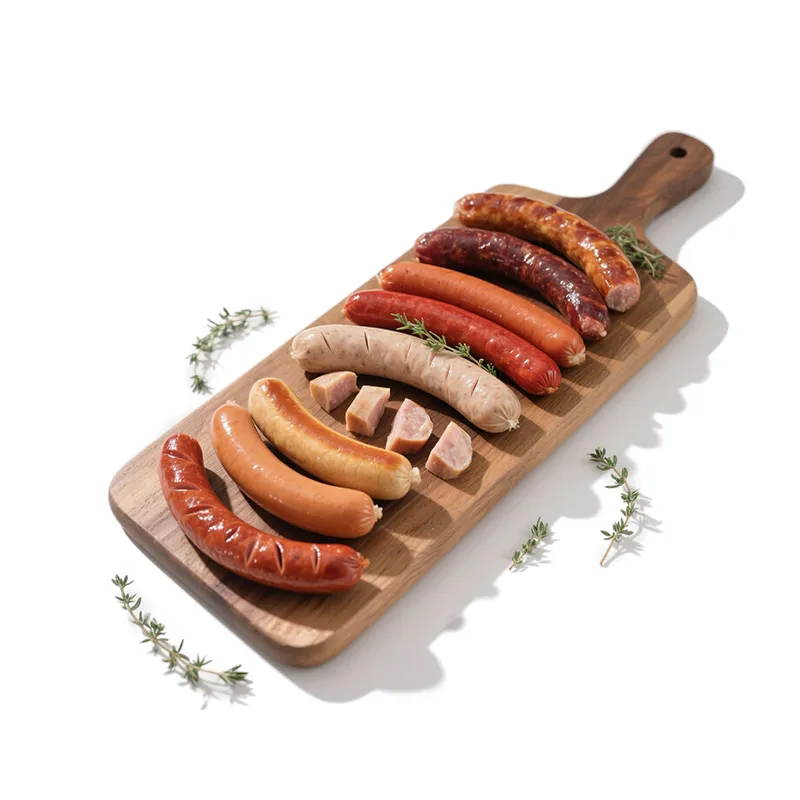
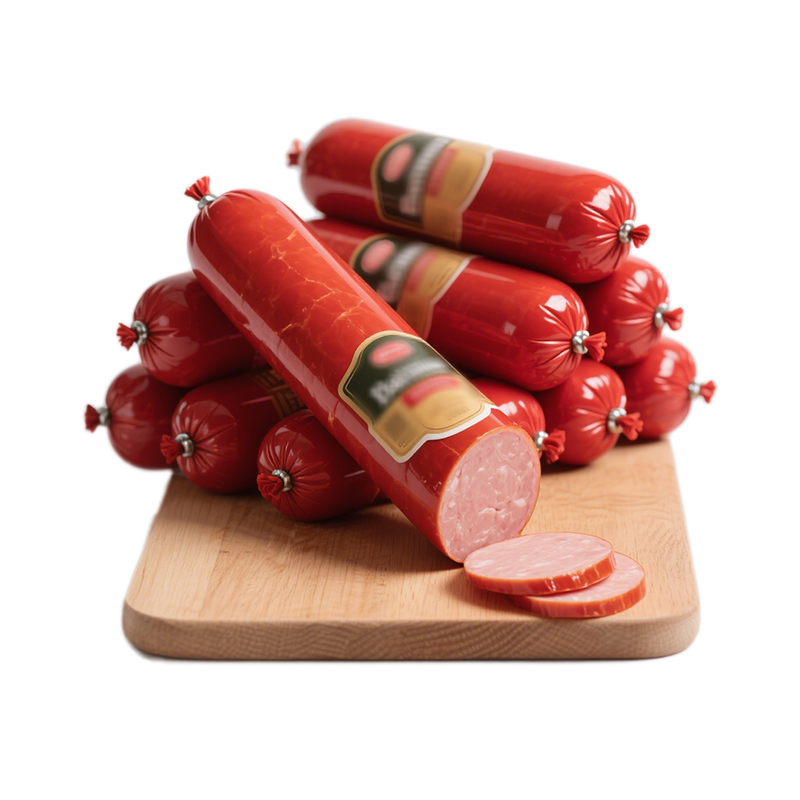
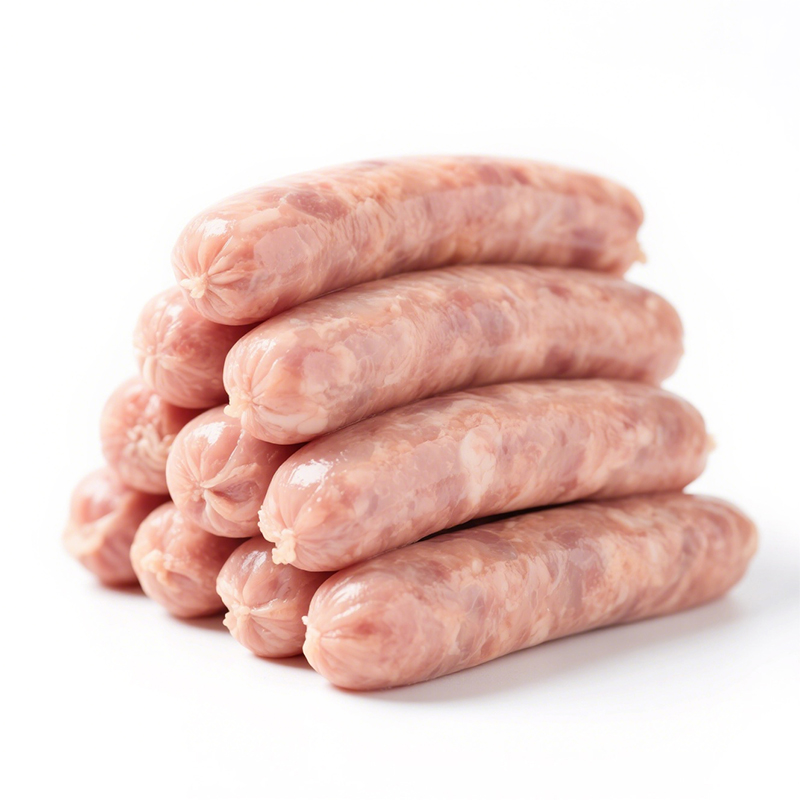
Our sausage vacuum packing machines are used in a wide range of applications, including fresh sausages, smoked sausages, dry sausages, and pre-cooked products. They are ideal for retail packaging, food service bulk packs, and export shipments. We have established long-term partnerships with major procurement companies such as Sysco and US Foods, who recommend our equipment to their suppliers for its reliability and efficiency.
Frequently Asked Questions
Q1: What is the optimal vacuum level for vacuum packing fresh sausages?
A: For fresh sausages, a vacuum level of 0.5-1 mbar is recommended to minimize oxygen and prevent spoilage. Our machines achieve this consistently, and the PLC can be programmed to adjust for different products.
Q2: How can we prevent seal contamination from fat or moisture?
A: We recommend using a film with anti-fog properties and ensuring the seal area is kept clean. Our machines feature a sealing bar with a non-stick coating and an optional air blast to clear debris before sealing.
Q3: What maintenance is required for a vacuum packing machine?
A: Routine checks include cleaning the chamber, replacing vacuum pump oil every 2000 hours, and inspecting seals for wear. Our machines have self-diagnostic features that alert you to potential issues.
Q4: Can your machines handle different sausage lengths and diameters?
A: Yes, our chamber machines have adjustable sealing bars and can accommodate lengths up to 700 mm and diameters up to 150 mm. For larger products, we offer customized chamber sizes.
Q5: How does your leak detection system work?
A: Our inline system uses vacuum decay: after sealing, the chamber is evacuated again, and the pressure rise is measured. If the rate exceeds a threshold, the package is rejected. This method is non-destructive and highly accurate.
Conclusion
Investing in the right sausage vacuum packing technology is not just about buying a machine—it's about securing your product quality, reducing waste, and enhancing profitability. At Foshan Aokai Machinery Technology Co., Ltd., we are committed to providing solutions that meet the highest standards of performance and reliability. If you're ready to transform your vacuum packing process, we invite you to download our comprehensive technical white paper or contact our sales engineers for a personalized consultation. Let's work together to make your sausage vacuum packing work for you, not against you.